Elections
Gwinnett County Special Election: Runoffs Set as Voters Demand Accountability
Lawrenceville, Gwinnett County County, Georgia
Gwinnett County special election results from July 28 trigger runoffs as Lawrenceville voters prioritize election integrity and government accountability.

Key Takeaways
- •The July 28 special election results in Gwinnett County have triggered a runoff for Congressional District 13.
- •The runoff election is scheduled for August 25, 2026, with early voting dates to be announced.
- •Conservative activists in Lawrenceville are emphasizing election integrity and the need for accurate voter rolls.
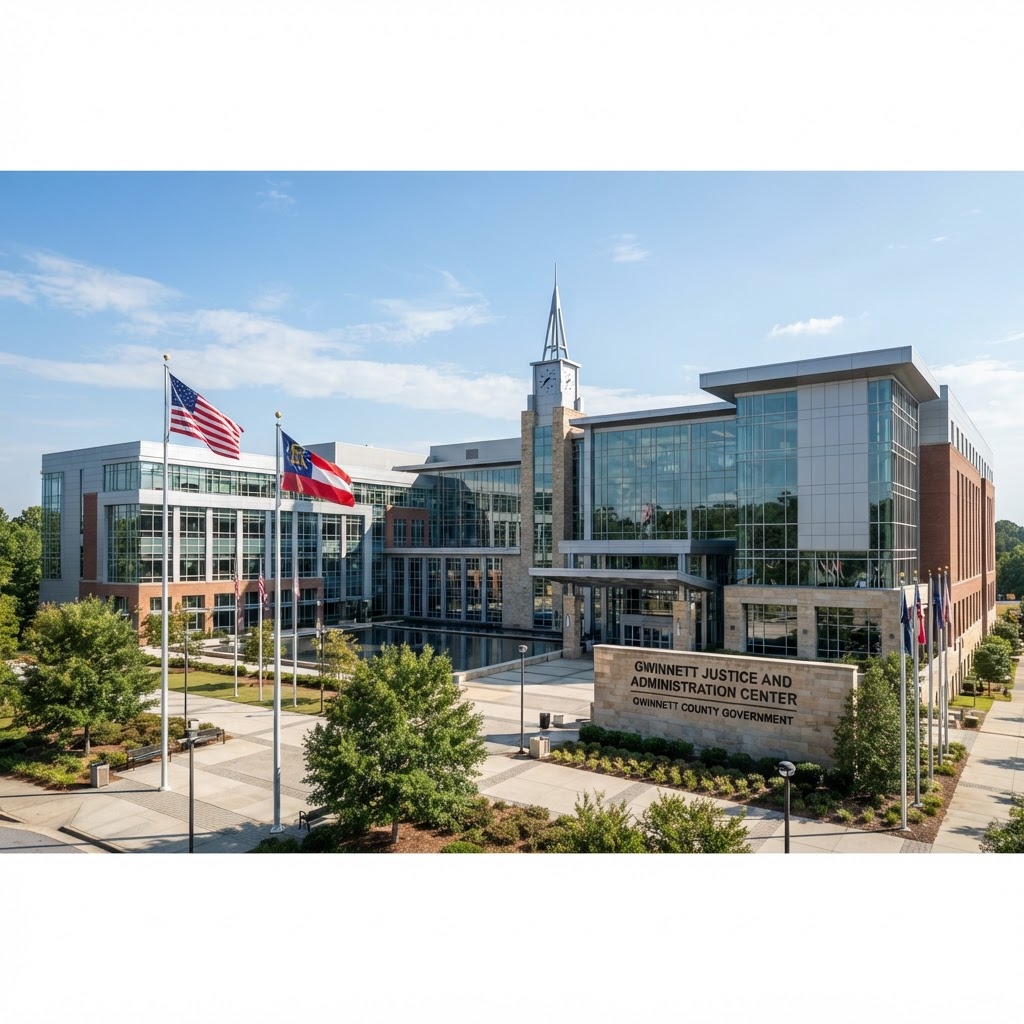
- •Unofficial results are currently being processed at the Gwinnett Justice and Administration Center.
As the summer heat intensifies in Lawrenceville, the political temperature is rising just as quickly. Following the July 28 special election, unofficial results have confirmed that several key contests are heading toward a decisive runoff on August 25. For the residents of Gwinnett County, these results are more than just numbers on a screen; they represent a critical juncture in the fight for local accountability, fiscal responsibility, and the preservation of the rule of law. The Gwinnett County special election has once again highlighted the divide between those seeking expanded government and those demanding a return to foundational American values.
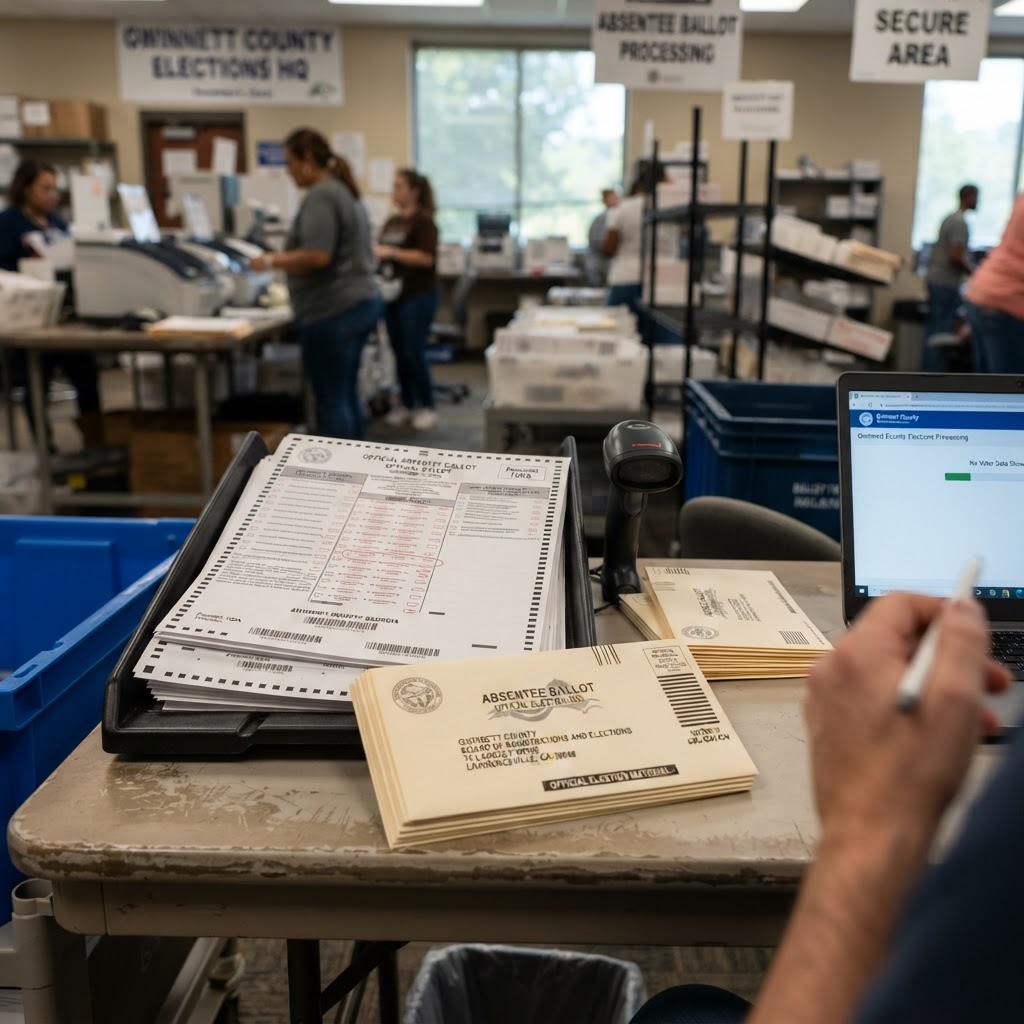
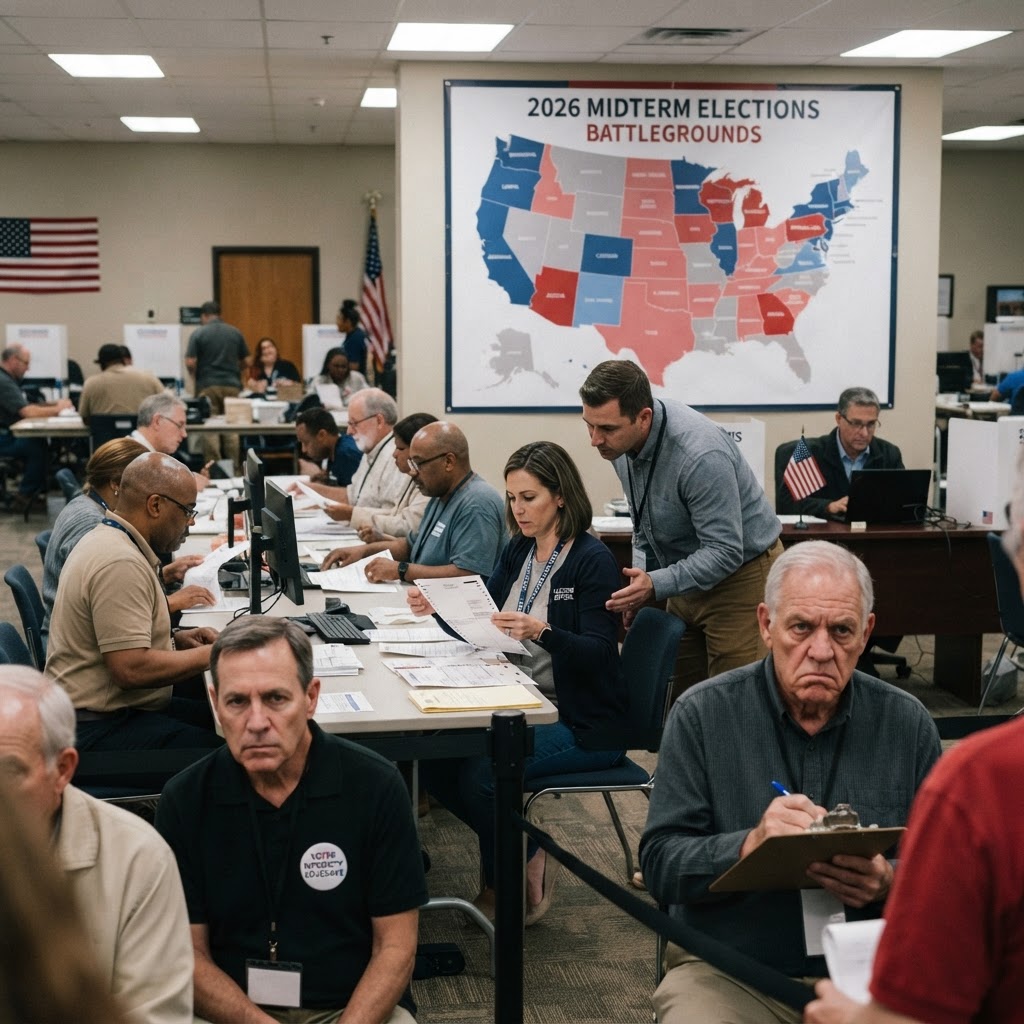
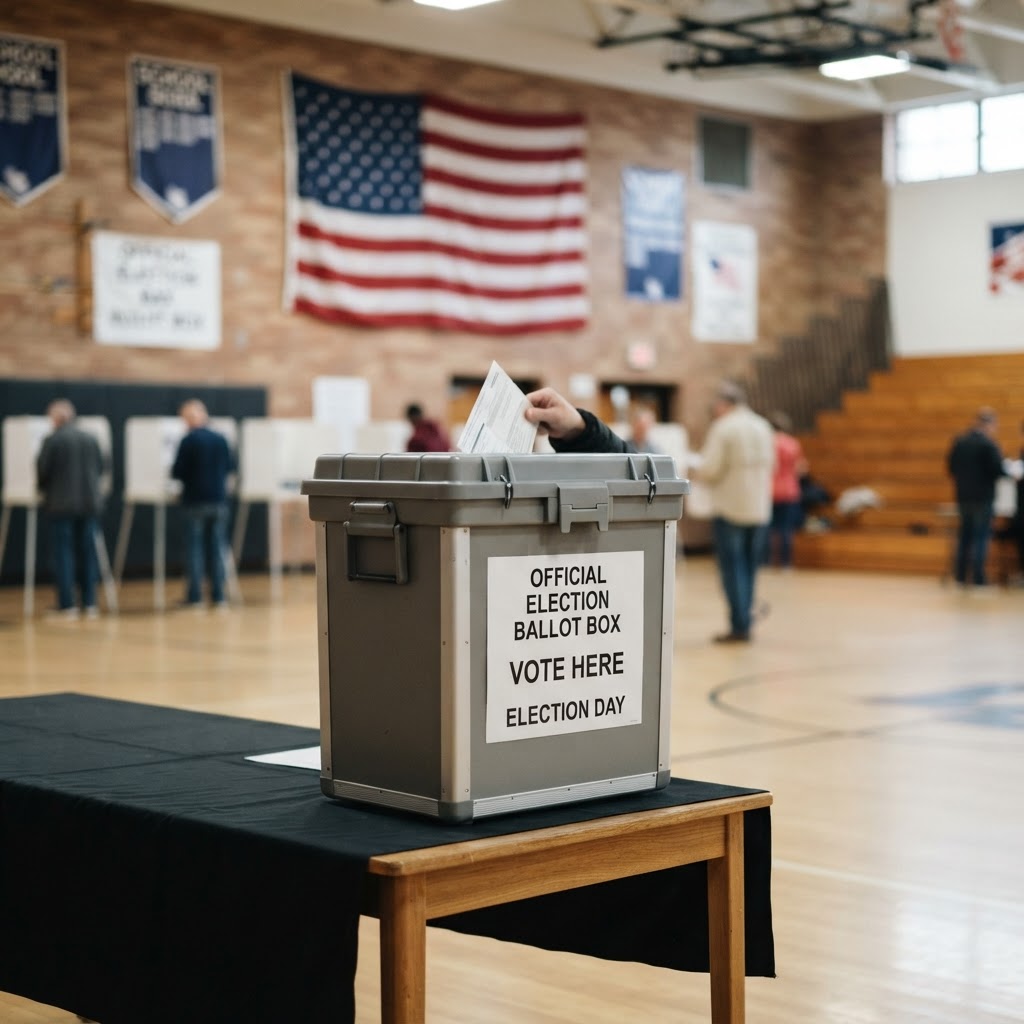
At the Gwinnett Justice and Administration Center in Lawrenceville, officials are currently working to certify the results of the July 28 vote. While turnout in special elections is historically lower than in general cycles, the stakes for this Gwinnett community could not be higher. With a runoff now scheduled for August 25, specifically for voters in United States Congressional District 13, the focus shifts to whether conservative voters can mobilize to ensure their voices are heard in a county that has seen significant political shifts in recent years.
Then: The Sleepy Special Elections of Gwinnett’s Past
Historically, special elections in Gwinnett County were often overlooked affairs, characterized by single-digit turnout and little fanfare. In the early 2000s, Lawrenceville and surrounding areas like Snellville and Suwanee were bastions of conservative stability. Special elections were typically used for minor bond referendums or filling vacancies in non-partisan offices where the ideological stakes felt minimal. The community trusted that the status quo of limited government and low taxes would be maintained regardless of the date on the calendar.
However, the landscape began to shift dramatically around 2018. As the county’s demographics changed, so did the intensity of its political contests. What were once routine administrative votes became ideological battlegrounds. The 2020 cycle proved that no election in Gwinnett could be taken for granted, as high-profile races drew national attention and massive spending. The era of the "sleepy" special election ended, replaced by a reality where every ballot cast in a July or August runoff could shift the trajectory of the county’s future. Conservatives learned the hard way that staying home during off-cycle votes allowed radical agendas to gain a foothold in local governance.
Now: The 2026 Gwinnett County Special Election and the Path to August 25
Today, the Gwinnett County Board of Voter Registrations and Elections is preparing for the next phase of the 2026 cycle. According to official notices from the county, the July 28 special election results remain unofficial until certified, but the data already points to a runoff for Congressional District 13. This district, which includes eastern portions of Gwinnett, is a focal point for residents concerned about federal overreach and the impact of national policies on local safety and economic stability.
In Lawrenceville, the conversation among voters has centered on Fighting for Fair Elections: Gwinnett County Voter Roll Challenges Intensify. The Gwinnett County Board of Elections recently faced pressure to address voter registration challenges, a move that many conservatives argue is essential for maintaining public confidence in the democratic process. As the county prepares for the August 25 runoff, the demand for "honest and impartial elections," as stated in the Board’s mission, has never been more vocal. Residents are looking for leaders who will prioritize the rule of law over political expediency.
Furthermore, the recent primary results in May set the stage for this current tension. With incumbents like Steve Knudsen losing their re-election bids for the School Board, it is clear that Gwinnett parents are no longer willing to accept the status quo. The push for parental rights and academic merit over identity politics continues to be a driving force in Lawrenceville and nearby Duluth. The upcoming runoff is seen by many as a continuation of this grassroots movement to reclaim local institutions from bureaucratic drift.
The Role of the Gwinnett Justice and Administration Center
Located at 75 Langley Drive in Lawrenceville, the Gwinnett Justice and Administration Center serves as the hub for election activity. It is here that the Gwinnett County special election results are tallied and where the Board of Registrations and Elections conducts its public meetings. For conservative watchdogs, this building is the front line of government accountability. The transparency of the certification process for the July 28 vote will be closely monitored by local activists who are determined to ensure that every legal vote is counted and that the voter rolls remain accurate.
The Parallel: A Recurring Struggle for the Soul of the County
The current situation in Gwinnett mirrors the historical struggles seen in other rapidly growing suburban counties across the United States. Just as Lawrenceville faces a choice between traditional governance and progressive expansion, counties in Virginia and North Carolina have navigated similar waters. The parallel lies in the realization that local control is the most effective bulwark against national trends that threaten faith, family, and fiscal sanity.
In both the past and the present, the "silent majority" has often been awoken by perceived overreach in the school system or a perceived decline in public safety. For example, the ongoing debate over Gwinnett County School Board Faces Backlash Over Out-of-State Hires reflects a long-standing community desire for local representation that understands Gwinnett’s unique values. The July 28 special election and the subsequent runoff are the latest chapters in this enduring narrative of a community fighting to maintain its identity amidst external pressures.
The Lesson: Vigilance is the Price of Liberty
The primary lesson from the July 28 Gwinnett County special election is that there are no "minor" elections. In a county of nearly one million people, special election runoffs are often decided by a handful of votes in precincts across Lawrenceville, Norcross, and Lilburn. For conservatives, the lesson is one of persistent engagement. The August 25 runoff for Congressional District 13 is not just a federal race; it is a test of the local infrastructure’s ability to mobilize and defend the principles of limited government and individual liberty.
Accountability does not happen by accident. It requires citizens to show up at the Gwinnett Justice and Administration Center, to question the Board of Elections, and to cast their ballots even when the national spotlight is elsewhere. The results of the July 28 vote show that the electorate is engaged, but the job is only half-finished. The upcoming runoff represents an opportunity to send a clear message that Gwinnett County remains a place where the rule of law and the will of the people are paramount.
Why it matters to local residents
For the residents of Lawrenceville and the broader Gwinnett community, the outcome of these runoffs will directly impact local governance and federal representation. A runoff in Congressional District 13 means that voters have a second chance to vet candidates on their stances regarding inflation, border security, and constitutional rights. In a time when the "Border Crisis Hits Home" through increased crime and strain on local resources, having a representative who prioritizes American interests is essential. Furthermore, the integrity of the Gwinnett County special election process itself is on the ballot. By participating in the August 25 runoff, residents are not just choosing a candidate; they are affirming their commitment to a transparent and secure electoral system that protects the value of every legal vote. In Gwinnett, the fight for the future is won at the local polling place.
More Gwinnett County Coverage
For more reporting from across Gwinnett County — Lawrenceville, Duluth, Norcross, Suwanee, and every community in the county — visit our Gwinnett County news hub, or browse all local news from WorthFighting.org.
Sources
Explore Georgia
Explore more news, elections, representatives, and information from Georgia.
Visit Georgia State ProfileMore Gwinnett County coverage
Explore the Elections hub, the Gwinnett County hub, and related topic hubs.