Crime & Safety
Gwinnett Police Drone Program Takes Flight to Protect Officers
Lawrenceville, Gwinnett County County, Georgia
Gwinnett Police roll out a remote drone program to protect officers and locate suspects, sparking discussions on safety and constitutional privacy.

Key Takeaways
- •The Gwinnett County Board of Commissioners approved $272,000 to launch a Drones as First Responders program.
- •Two remote-piloted Skydio drones will deploy from county precincts ahead of responding patrol officers.
- •Police Chief J.D. McClure highlighted how the live video feeds will integrate with the county's crime center to protect personnel during high-risk calls.
- •Conservative community members are praising the focus on officer safety while demanding strict limits on surveillance to uphold Fourth Amendment protections.
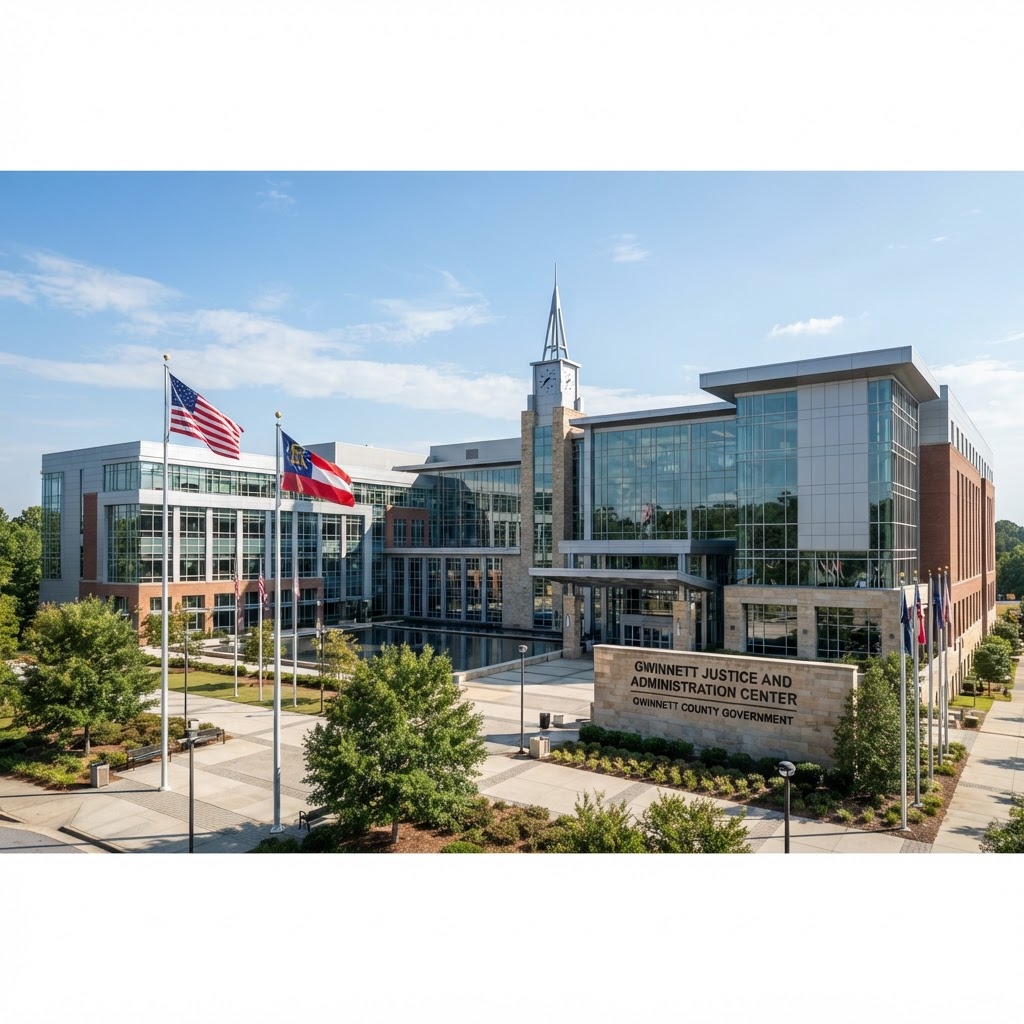
DEVELOPING: Gwinnett County officials are integrating unmanned aerial systems into tactical front-line policing. Operating directly from headquarters at the Gwinnett Justice and Administration Center in Lawrenceville, Georgia, county leadership has authorized the rollout of a pioneering "Drones as First Responders" program designed to shorten response times, protect field officers, and rapidly apprehend fleeing suspects.
While law enforcement leaders applaud the cutting-edge technology as a vital tool to preserve officer safety during volatile tactical confrontations, local taxpayers and civil libertarians are taking a hard look at the constitutional privacy implications and recurring budgetary costs.
What We Know
The Gwinnett County Board of Commissioners officially greenlit a $272,000 appropriation to procure two remote-piloted Skydio unmanned aerial units. According to official program outlines confirmed by county records, these drones will launch from county police precincts and reach active emergency scenes minutes before ground officers arrive.
Under the operational protocol, when emergency dispatches register via the 911 computer-aided dispatch system, a crime intelligence analyst stationed at the County’s Situational Awareness and Crime Response Center inputs immediate coordinates. The autonomous units deploy instantly from specialized base stations, streaming encrypted, live high-definition video feeds directly into command units and patrol squad laptops.
Law enforcement personnel across Gwinnett County—which spans neighboring municipalities including Norcross, Duluth, Suwanee, and Snellville—will rely on these initial visual sweeps to assess active threat levels before walking into potential ambushes.
To ensure evidence management remains seamless, commissioners separately approved integrating Axon Air cloud-based systems, standardizing flight logs, telemetry data, and video storage to support criminal prosecutions in Gwinnett County Superior Court.
What Happened
For months, front-line officers in Lawrenceville have contended with complex, fast-moving calls where suspects use wooded terrain or dense residential subdivisions to evade capture. Gwinnett County Police Chief J.D. McClure made the operational case clear to county leaders, stating, "This drone program will significantly enhance our capabilities. It builds upon the Situational Awareness and Crime Response Center's existing suite of real-time tools, which include live video feeds, license plate readers and data analytics. This technology will greatly improve public safety responses across the county while keeping our law enforcement and fire personnel safer in high-risk situations."
In high-stress felony scenarios—ranging from armed robberies to barricaded subjects—having immediate aerial visibility provides law enforcement personnel the leverage needed to de-escalate confrontations safely. Rather than deploying officers blindly into perimeter searches, tactical supervisors can identify weapons, locate hidden suspects, and coordinate secure tactical perimeters.
However, conservative taxpayers and constitutional watchdogs are actively questioning the boundaries of the surveillance expansion. While backing law enforcement's mandate to apprehend violent criminals, Fourth Amendment advocates emphasize that aerial surveillance must remain strictly limited to legitimate emergency dispatches rather than open-ended public tracking.
Balancing Officer Safety and Fourth Amendment Protections
From a conservative and America First viewpoint, law enforcement must possess the superior resources required to neutralize violent criminals and restore civic order. Protecting police officers who put their lives on the line daily across Lawrenceville and broader Gwinnett County is a cornerstone of public safety. Yet constitutional conservatives also recognize that warrantless surveillance and unmonitored digital dragnet technology present inherent risks to individual liberties.
Department leaders emphasize that the Skydio units will deploy strictly for high-priority emergency events—specifically active in-progress violent crimes, high-risk disturbances, major roadway obstructions, and urgent public-safety crises. Unlike ongoing stationary surveillance, the drones will operate on dispatch-driven flight paths.
Local residents seeking fiscal transparency are also keeping a sharp eye on equipment maintenance, software subscription renewals, and fleet replacement costs. With local government budgets subject to increasing scrutiny—similar to citizen oversight seen when the Gwinnett County School Board Budget Dissent Exposes Bloat mobilized grassroots taxpayers—conservative residents expect county leaders to demonstrate clear measurable outcomes without inflating recurring operational overhead.
Neighboring suburban departments, including the Lawrenceville Police Department, have increasingly invested in real-time intelligence centers and automated license plate recognition infrastructure. Inter-agency coordination is paramount as criminal networks cross municipal borders between Lilburn, Buford, and Peachtree Corners.
What Comes Next
The drone initiative will complete field hardware testing and launch full tactical deployments from pilot precincts before the close of the calendar year. Gwinnett County Police Department flight crews and tactical supervisors are presently undergoing Federal Aviation Administration remote-pilot certifications and operational safety drills.
County officials confirm that operational policies, flight records, and retention audits will remain subject to Georgia public records requirements and Department internal reviews to maintain public transparency.
Why it Matters to Local Residents
For the residents of Lawrenceville and Gwinnett County, the launch of this aerial program directly impacts both neighborhood security and local constitutional governance.
On the front lines of crime control, seconds determine life or death. Equipping Gwinnett County police officers with immediate aerial visibility prevents violent ambush attacks, tracks armed offenders fleeing through suburban yards, and ensures that officers return home safely to their families after every shift.
Simultaneously, the program demands ongoing vigilance from citizens committed to limited government and personal freedom. Property owners in Lawrenceville have a right to know that aerial units are hunting active felons rather than observing the peaceful, private lives of law-abiding citizens. By holding county commissioners and departmental brass strictly accountable to statutory limits, Gwinnett County can lead Georgia in pairing decisive law-and-order policing with unwavering respect for constitutional privacy.
More Gwinnett County Coverage
For more reporting from across Gwinnett County — Lawrenceville, Duluth, Norcross, Snellville, Suwanee, and every community in the county — visit our Gwinnett County news hub, or browse all local news from WorthFighting.org.
Explore Georgia
Explore more news, elections, representatives, and information from Georgia.
Visit Georgia State ProfileMore Gwinnett County coverage
Explore the Crime hub, the Gwinnett County hub, and related topic hubs.