Elections
Fighting for Fair Elections: Gwinnett County Voter Roll Challenges Intensify
Lawrenceville, Gwinnett County County, Georgia
Gwinnett County voter roll challenges are mounting as activists push for clean lists. Discover how Lawrenceville leaders are handling the integrity debate.

Key Takeaways
- •Local activists have filed thousands of challenges against Gwinnett County voter registrations citing residency issues.
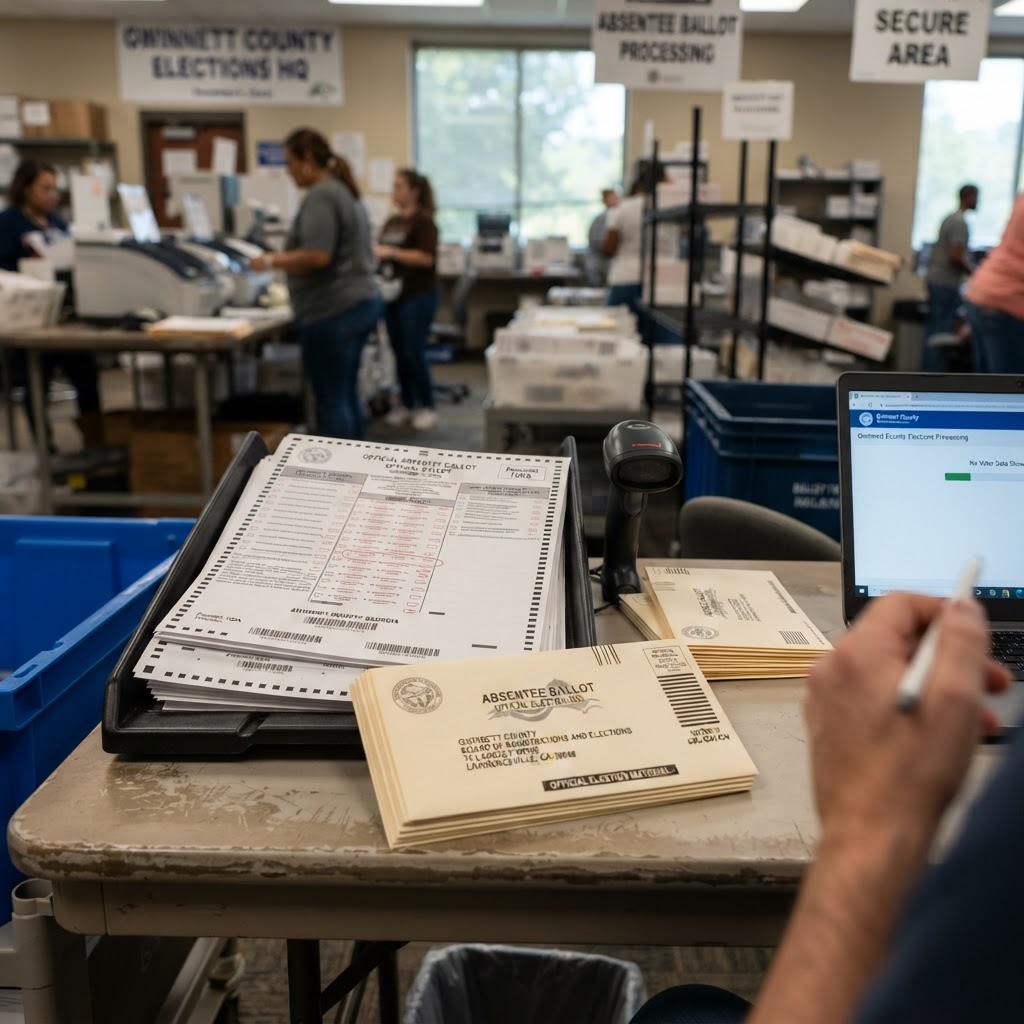
- •The challenges are being adjudicated by the Gwinnett County Board of Voter Registrations and Elections in Lawrenceville.
- •Georgia laws SB 202 and SB 189 provide the legal framework for removing ineligible voters from the rolls.
- •Accuracy is critical following the narrow rejection of the Lawrenceville annexation plan in May 2026.
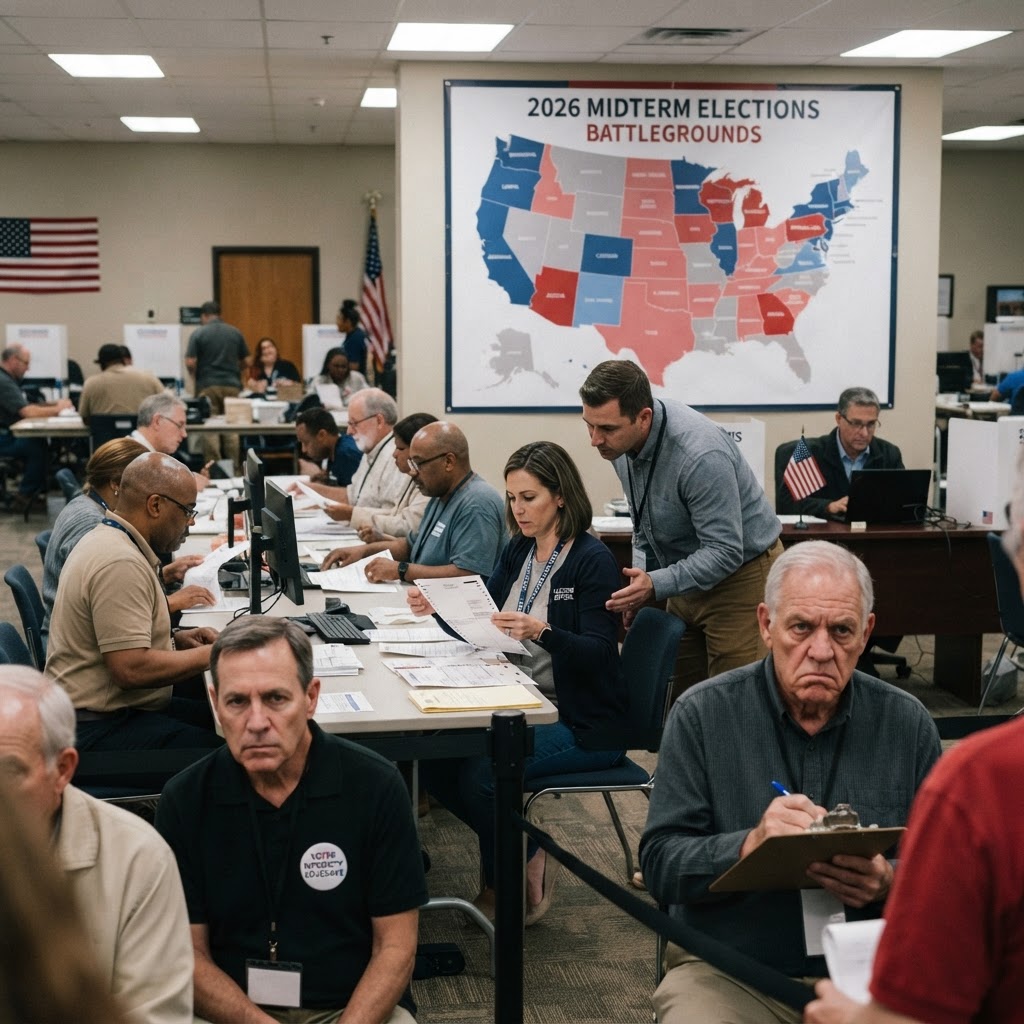
As the 2026 general election approaches, the fight for election integrity has returned to the forefront in Lawrenceville, where Gwinnett County voter roll challenges are sparking intense debate within the halls of government. Local advocates, committed to the principle of 'one person, one vote,' have submitted thousands of challenges to the Gwinnett County Board of Voter Registrations and Elections, arguing that the current rolls contain ineligible voters who have moved, passed away, or registered at commercial addresses. This citizen-led effort aims to ensure that the upcoming November election is decided only by legal, qualified residents of Gwinnett County.
The surge in activity follows a contentious primary season and a high-stakes annexation vote in May, where the margin of victory for several local initiatives was razor-thin. For conservative residents in Lawrenceville and surrounding areas like Duluth and Suwanee, the accuracy of these lists is not merely a clerical concern but a fundamental requirement for a functioning republic. The Gwinnett County Board of Voter Registrations and Elections, currently led by Acting Elections Supervisor Kelvin Williams, is now tasked with adjudicating these challenges under the scrutiny of a public that is increasingly demanding transparency and accountability.
The Basics of Gwinnett County Voter Roll Challenges
A voter challenge is a legal mechanism provided under Georgia law that allows any registered voter in a county to contest the eligibility of another person on the rolls. In Gwinnett County, these challenges have historically targeted registrations that appear to violate residency requirements. Under Georgia’s Senate Bill 202 and the more recent Senate Bill 189, the process for removing ineligible voters has been clarified, though it remains a logistical hurdle for county staff. Advocates use a variety of data sources, including the National Change of Address (NCOA) database and property tax records, to identify individuals who may no longer reside at their registered Lawrenceville or Snellville addresses.
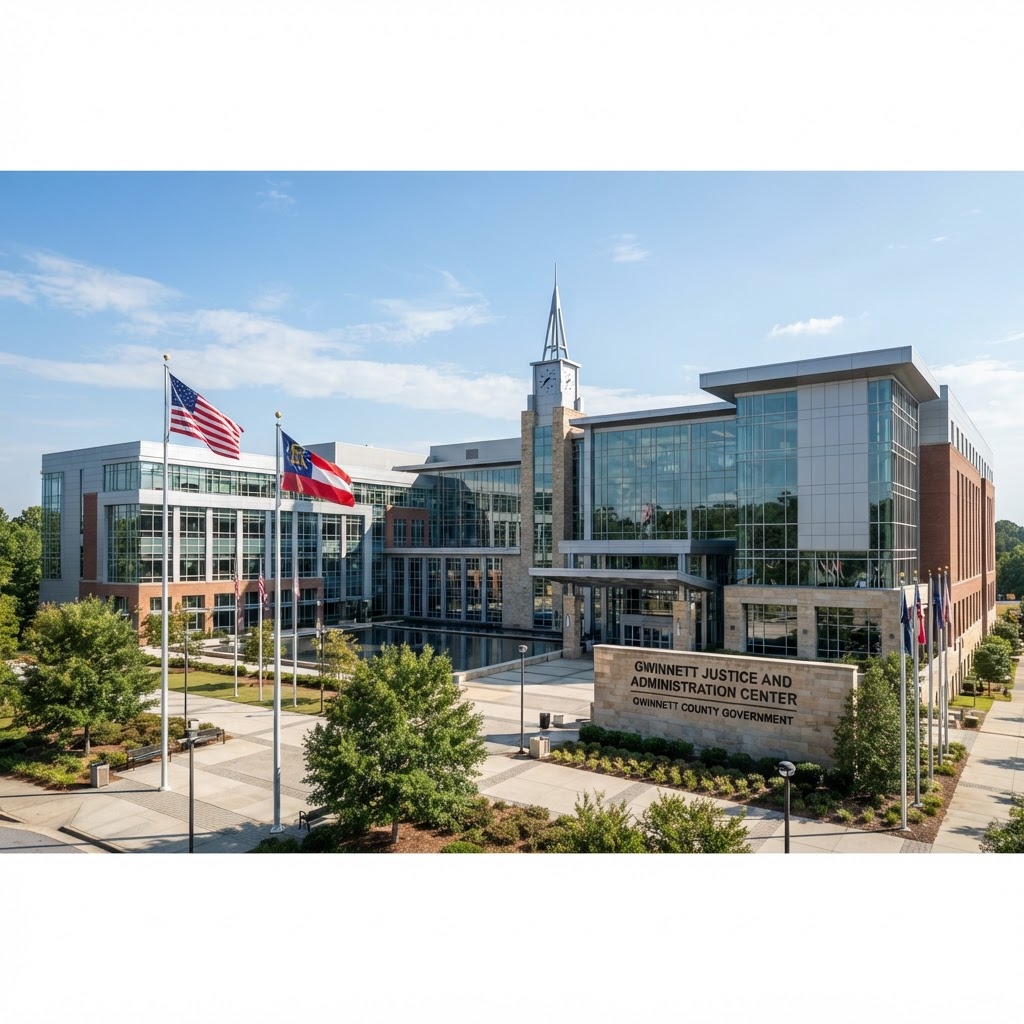
The current wave of Gwinnett County voter roll challenges is part of a broader movement to restore trust in the electoral process. Critics of the current system argue that 'bloated' voter rolls create opportunities for administrative errors and potential fraud. By contrast, election integrity groups in Gwinnett County maintain that a clean list is the best defense against disenfranchisement, ensuring that the votes of legal residents are not diluted by ineligible entries. The Board of Elections must hold hearings to review the evidence presented in each challenge, a process that often draws large crowds of concerned citizens to the Gwinnett Justice and Administration Center in Lawrenceville.
The Legal Framework: SB 202 and SB 189
The legal landscape for these challenges was significantly altered by the passage of SB 189, which sought to streamline the removal of voters who have moved out of state or are registered at non-residential locations. This legislation was a direct response to concerns from voters in communities like Buford and Norcross who felt that previous laws made it too difficult for the county to maintain accurate records. The law mandates that the Board of Elections must act on evidence of residency changes, provided the evidence meets specific legal standards. This has placed Gwinnett County at the center of a statewide conversation regarding the balance between voter access and the security of the ballot box.
How It Works: The Citizen-Led Audit
The process begins when a local resident files a formal challenge with the Gwinnett County Board of Voter Registrations and Elections. These residents, often working with organizations like VoterGA, spend hundreds of hours cross-referencing public records. For example, if a voter is registered at a P.O. Box or a commercial storefront in Lawrenceville rather than a residential home, that registration is flagged for review. Once the challenge is filed, the Board is required to notify the affected individual and schedule a hearing. During these hearings, the challenger presents their evidence, and the Board must decide whether there is 'probable cause' to remove the voter or move them to an inactive status.
This process is a vital exercise in government accountability. It allows citizens to act as a check on the bureaucracy, ensuring that the Gwinnett County elections office is fulfilling its duty to maintain the rolls. While some board members have expressed concern over the volume of challenges, proponents argue that the sheer number of discrepancies found—often totaling in the thousands—proves that the system is in desperate need of reform. In recent meetings, activists have pointed to instances where voters remained on the Gwinnett rolls years after moving to other states, a clear violation of the rule of law that governs our elections.
Why It Matters to Lawrenceville
For the residents of Lawrenceville, the accuracy of the voter rolls has immediate, local consequences. In May 2026, voters in unincorporated Gwinnett County rejected a plan to join the city of Lawrenceville by a margin of 54% to 46%. When local decisions—such as annexation, property tax rates, or school board policies—are decided by such narrow margins, every single vote carries immense weight. If the voter rolls are not accurate, the legitimacy of these local outcomes can be called into question, leading to community division and a lack of trust in local governance.
Furthermore, Lawrenceville serves as the county seat, making it the epicenter of this legal and political battle. The decisions made by the Board of Elections here set the tone for the rest of Gwinnett County, including nearby cities like Lilburn and Peachtree Corners. Conservative voters in Lawrenceville prioritize the rule of law and fiscal accountability; they recognize that maintaining accurate voter rolls is a cost-effective way to prevent the need for expensive post-election litigation and audits. Ensuring that only the residents of Lawrenceville are deciding the future of Lawrenceville is a matter of local sovereignty and constitutional rights.
What Happens Next
As the calendar turns toward the November 2026 general election, the Gwinnett County Board of Voter Registrations and Elections faces a ticking clock. The Board must process the current backlog of Gwinnett County voter roll challenges before the federally mandated 'quiet period,' which restricts the removal of voters within 90 days of a federal election. This means the next few weeks are critical for election integrity advocates who want to see the lists cleaned before ballots are mailed and early voting begins.
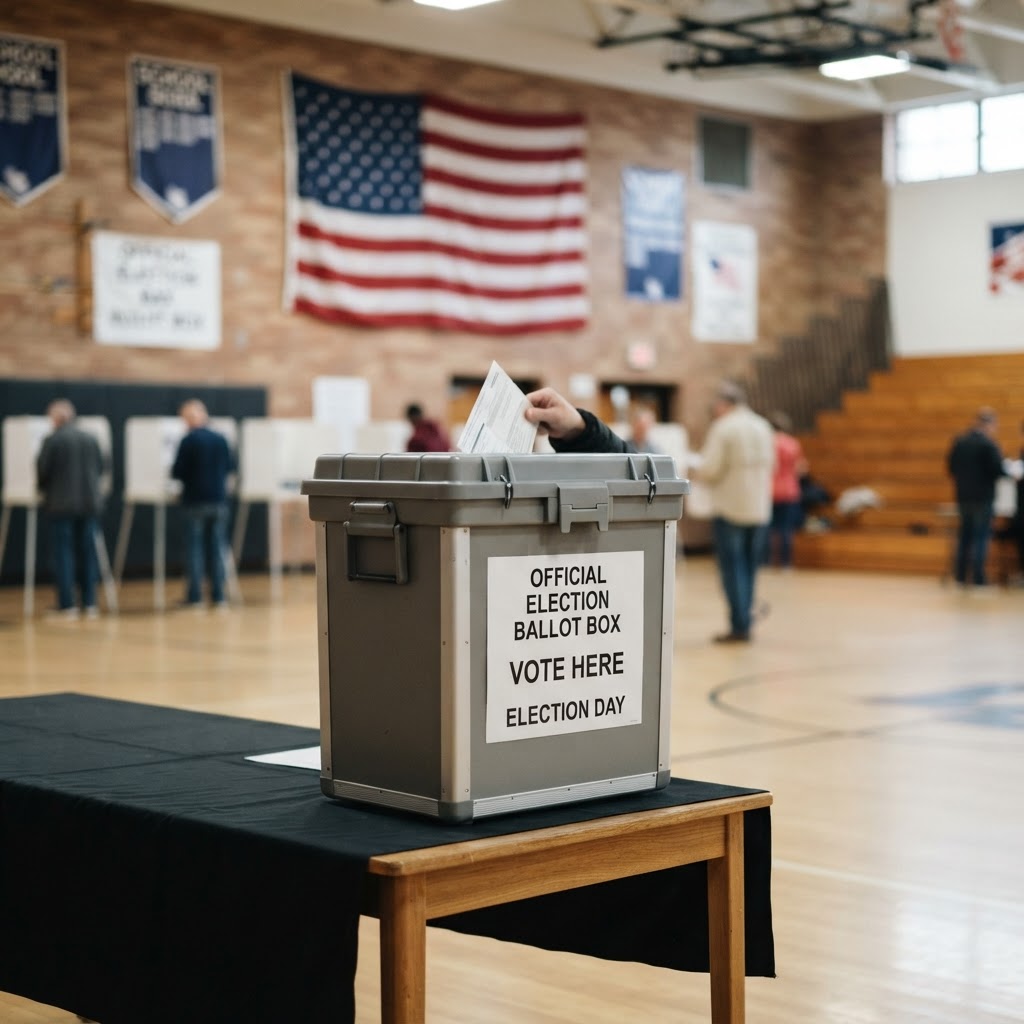
Residents can expect continued heated debates at the Gwinnett Justice and Administration Center. The Board’s handling of these challenges will likely be a major talking point in upcoming local races, as candidates for the Board of Commissioners and other county offices are forced to take a stand on election security. For the people of Gwinnett County, the goal remains clear: a transparent, secure, and accurate election process that reflects the will of the legal voters. WorthFighting.org will continue to monitor these hearings and provide updates on the efforts to protect the integrity of the Gwinnett County ballot box.
More Gwinnett County Coverage
For more reporting from across Gwinnett County — Lawrenceville, Duluth, Norcross, Suwanee, and every community in the county — visit our Gwinnett County news hub, or browse all local news from WorthFighting.org.
Sources
Explore Georgia
Explore more news, elections, representatives, and information from Georgia.
Visit Georgia State ProfileMore Gwinnett County coverage
Explore the Elections hub, the Gwinnett County hub, and related topic hubs.