
Fargo's Political Earthquake: How North Dakota's Largest City Is Leading America's Conservative Realignment
Fargo, North Dakota used to be reliably moderate. In 2026, it's at the center of a conservative realignment that is reshaping small-city America. Here's how the heartland is fighting back.
WorthFighting Editorial Team
Senior Editor

The Heartland Speaks
Fargo, North Dakota — a city of about 130,000 people on the Red River — is not the kind of place that typically makes national political headlines. It is a working-class city built on agriculture, energy, and the kind of values that coastal elites have long dismissed as flyover country. But in 2026, Fargo has become a microcosm of a political realignment that is sweeping across small-city America, and the lessons from this community are worth paying attention to.
North Dakota has long been a reliably Republican state at the presidential level, but its state and local politics have historically been more complicated. The state has a tradition of moderate, practical governance — the kind of politics that prioritizes competence over ideology. But that tradition is being challenged by a new generation of conservative voters and candidates who believe that the times demand a more unapologetic approach to conservative governance.
The North Dakota Republican Party's 2026 convention was a battleground. Delegates debated whether to strip the Republican designation from candidates who did not attend the convention — a fight that symbolized the broader tension between the establishment wing of the party and the grassroots activists who are demanding greater accountability and ideological commitment. The congresswoman, Julie Fedorchak, faced a partial rematch of her 2024 nomination race in the state primary, reflecting the ongoing competition between different factions of the Republican coalition.
The Shift to the Right
The North Dakota Monitor reported in February 2026 that statewide Republican officeholders were navigating a party that is shifting to the right, with the convention process becoming a flashpoint for debates about what it means to be a Republican in the current era. This shift is not unique to North Dakota — it is happening in communities across the country — but it is particularly visible in a state where the Republican Party has historically been defined by pragmatism rather than ideology.
What is driving this shift? Several factors are converging to push places like Fargo toward a more assertive conservatism.
Economic anxiety. The same inflation and cost-of-living pressures that are devastating families in Chicago, Philadelphia, and Houston are felt just as acutely in Fargo. When grocery prices rise 30%, when gas prices surge, when housing becomes unaffordable — voters look for alternatives to the status quo. The Biden administration's economic policies have been a gift to conservative candidates in communities that traditionally valued economic stability above partisan loyalty.
Cultural alienation. The progressive cultural agenda — from gender ideology in schools to the erosion of religious liberty — has alienated voters in communities where traditional values remain strong. Fargo's residents are not interested in having their children taught that America is systemically racist or that biological sex is a social construct. The cultural extremism of the progressive left is driving moderate voters toward candidates who will defend their values unapologetically.
Energy and agriculture. North Dakota is an energy-producing state, and the federal government's war on American energy directly threatens the state's economy. Farmers and energy workers who see their livelihoods threatened by federal regulations are natural constituents for a conservative movement that promises to unleash American energy production and reduce regulatory burdens.
Border security. Even in a northern state far from the southern border, the consequences of open-border policies are felt. Fentanyl, crime, and the broader question of national sovereignty resonate with voters who understand that a nation that cannot control its borders cannot long survive.
The Small-City Difference
What makes the conservative realignment in places like Fargo different from the movement in larger cities is the personal nature of the politics. In a city of 130,000, voters know their elected officials. They go to church with them, see them at the grocery store, and can hold them accountable face-to-face. This personal accountability creates a political culture that is more responsive and more authentic than the impersonal, media-driven politics of major metropolitan areas.
In Fargo, political debate is not about Twitter threads and cable news segments — it is about kitchen-table issues. Can families afford groceries? Are schools teaching children properly? Are jobs secure? Are communities safe? These are the questions that drive voters in small-city America, and they are the questions that the conservative movement is answering while the progressive left is still talking about systemic oppression and climate justice.
The political realignment in Fargo reflects a broader truth about American politics: the heartland is not a monolith, and it is not content to be taken for granted. Voters who were once considered reliably moderate are demanding representation that reflects their values and their interests — not the values and interests of Washington, D.C., consultants and coastal elites.
The Convention Fight
The 2026 NDGOP convention fight over whether to strip the Republican designation from candidates who skipped the convention was more than an internal party dispute — it was a battle for the soul of the Republican Party in North Dakota. On one side were the establishment figures who viewed the convention as an optional exercise and believed that candidates should be free to campaign as they see fit. On the other were the grassroots activists who believed that the convention process is an important mechanism for ensuring that candidates are accountable to the party's base.
This tension is not unique to North Dakota. Across the country, the Republican Party is grappling with the question of what it means to be a conservative in 2026. Is it enough to simply have an R next to your name? Or should there be ideological commitments that come with party affiliation? The grassroots movement that propelled Donald Trump to the presidency in 2016 and continues to shape the party today is demanding more than just party labels — it is demanding action.
The convention fight in Fargo was a small but significant battle in this larger war. It was a statement by the grassroots that they will no longer accept candidates who take their votes for granted while governing as moderates. It was a demand for accountability and a rejection of business as usual.
What Fargo Means for America
The conservative realignment happening in Fargo is a preview of what is coming in communities across America. Small cities and towns that were once considered political afterthoughts are becoming the front lines of a movement that is reshaping American politics.
The lessons from Fargo are clear. First, economic issues matter. Voters who are struggling to afford groceries and gas are looking for leaders who will address their economic concerns, not lecture them about climate change. Second, cultural issues matter. Voters who want their children to grow up in communities that reflect their values are looking for leaders who will defend those values, not surrender them to progressive activism. Third, accountability matters. Voters are tired of politicians who say one thing during campaigns and do another once elected.
The heartland is not backing down. Communities like Fargo are leading a conservative realignment that is based on common sense, common values, and a common commitment to the principles that made America great. The political establishment in Washington may not be paying attention — but the voters in Fargo, and in communities like it across the country, are. And in 2026 and beyond, they will be heard.
The fight for the heartland is a fight for the future of America. It is a fight that is worth waging — and it is a fight that conservatives are winning.
Comments (0)
Be the first to comment.
Related Stories
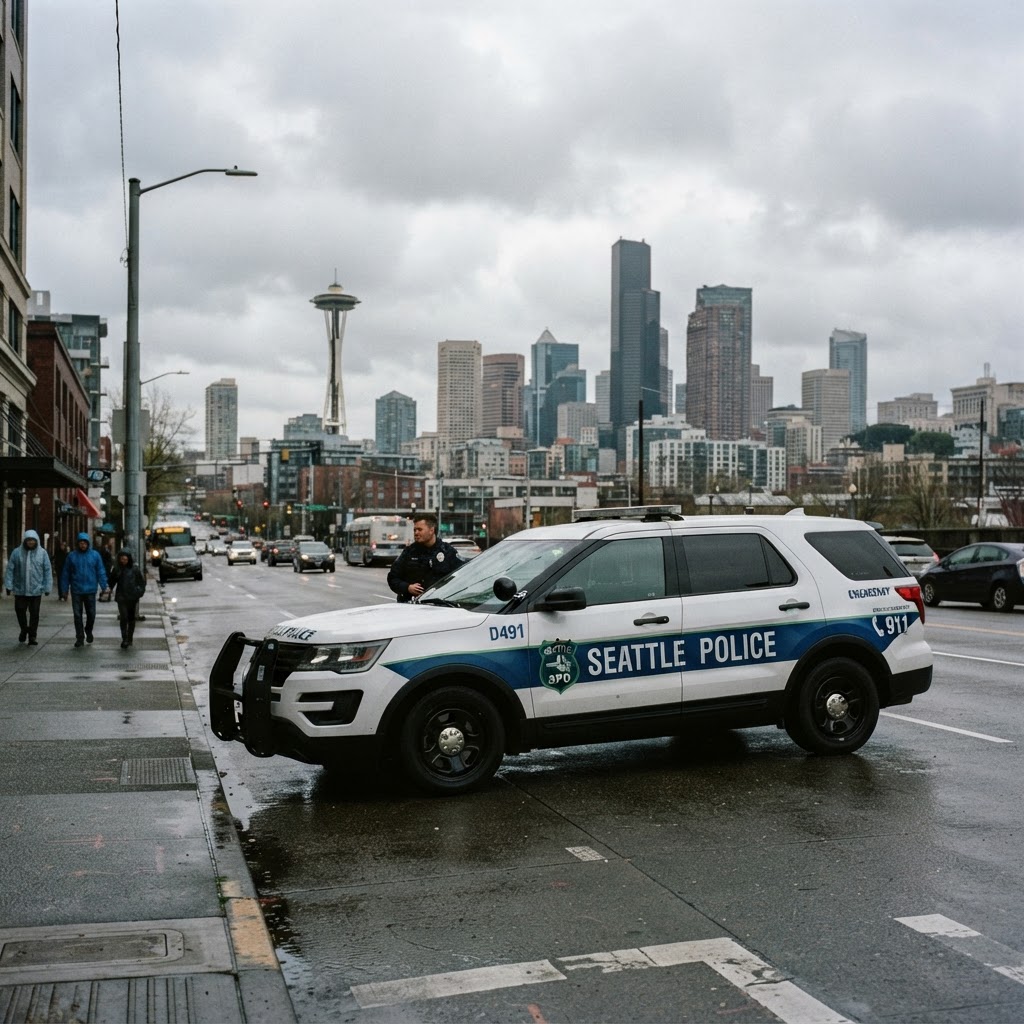
Crime
Seattle Police Budget Hike Sparks Staffing Concerns
Seattle City Council members are clashing over Mayor Katie Wilson's proposed 13.9% police budget increase, questioning if it will truly boost officer numbers.
WorthFighting.org News · 6 min read
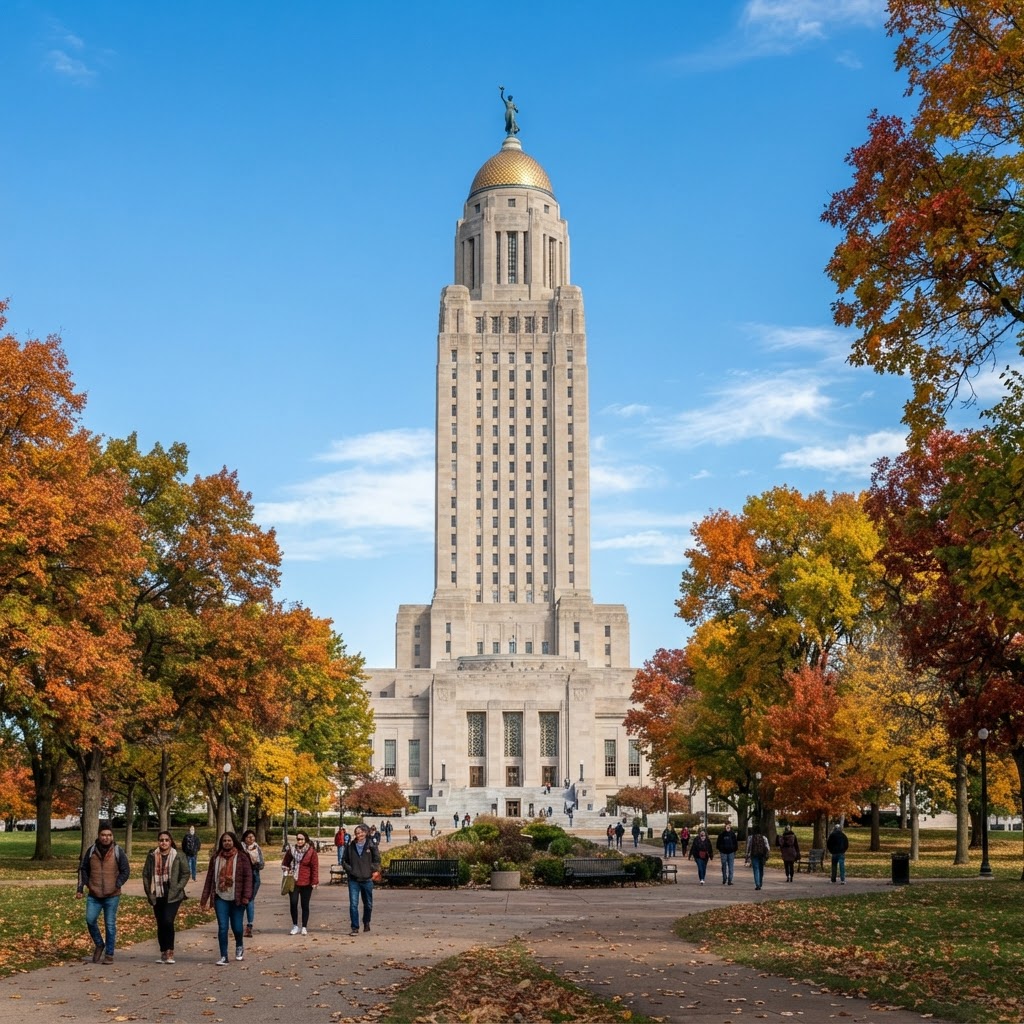
Economy
Nebraska Property Tax Reform Remains Top Priority for Voters
As Nebraska voters head toward the 2026 election, property tax relief remains a central issue. Legislative efforts continue to address the state's tax burden.
WorthFighting.org News · 6 min read
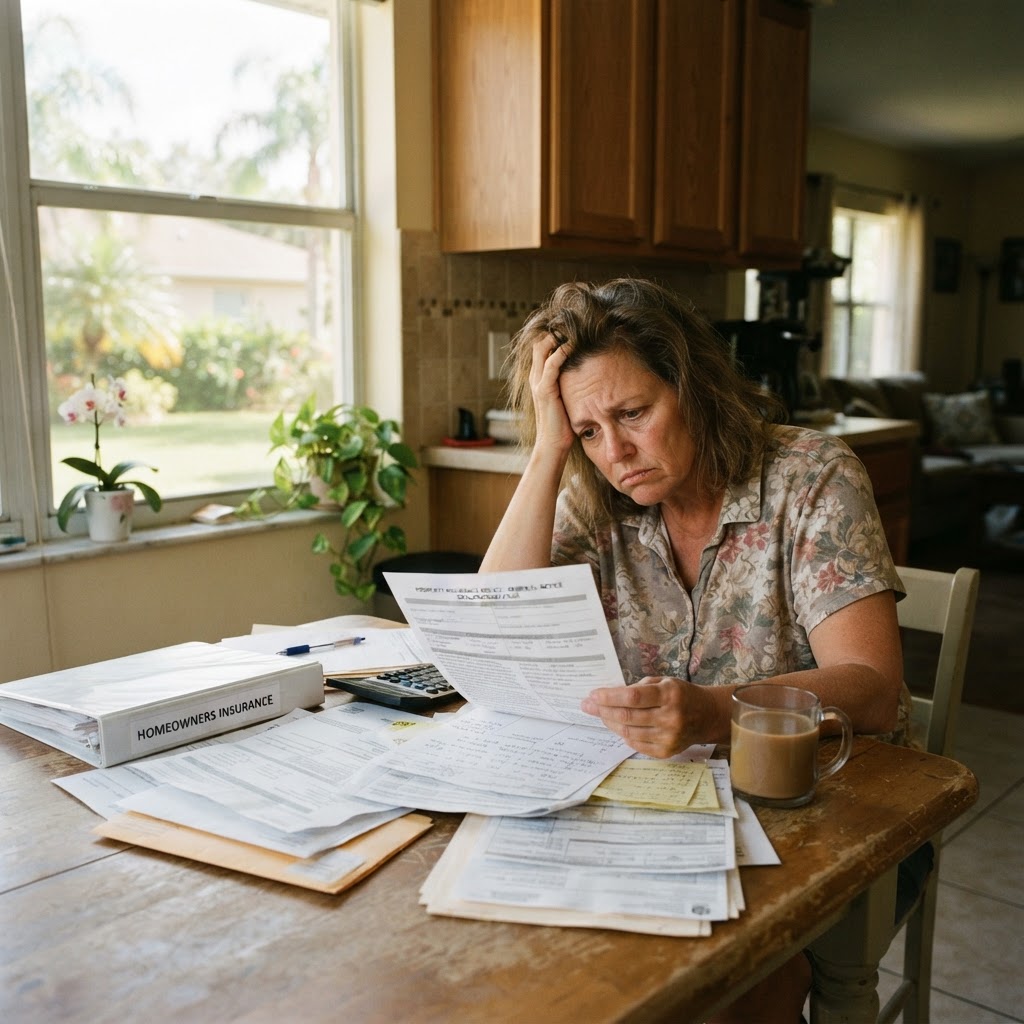
Economy
Florida Homeowners Remain Skeptical of Insurance Reforms
Despite state claims of a stabilizing insurance market, a new survey reveals that many Florida homeowners continue to struggle with high premiums and coverage
WorthFighting.org News · 6 min read
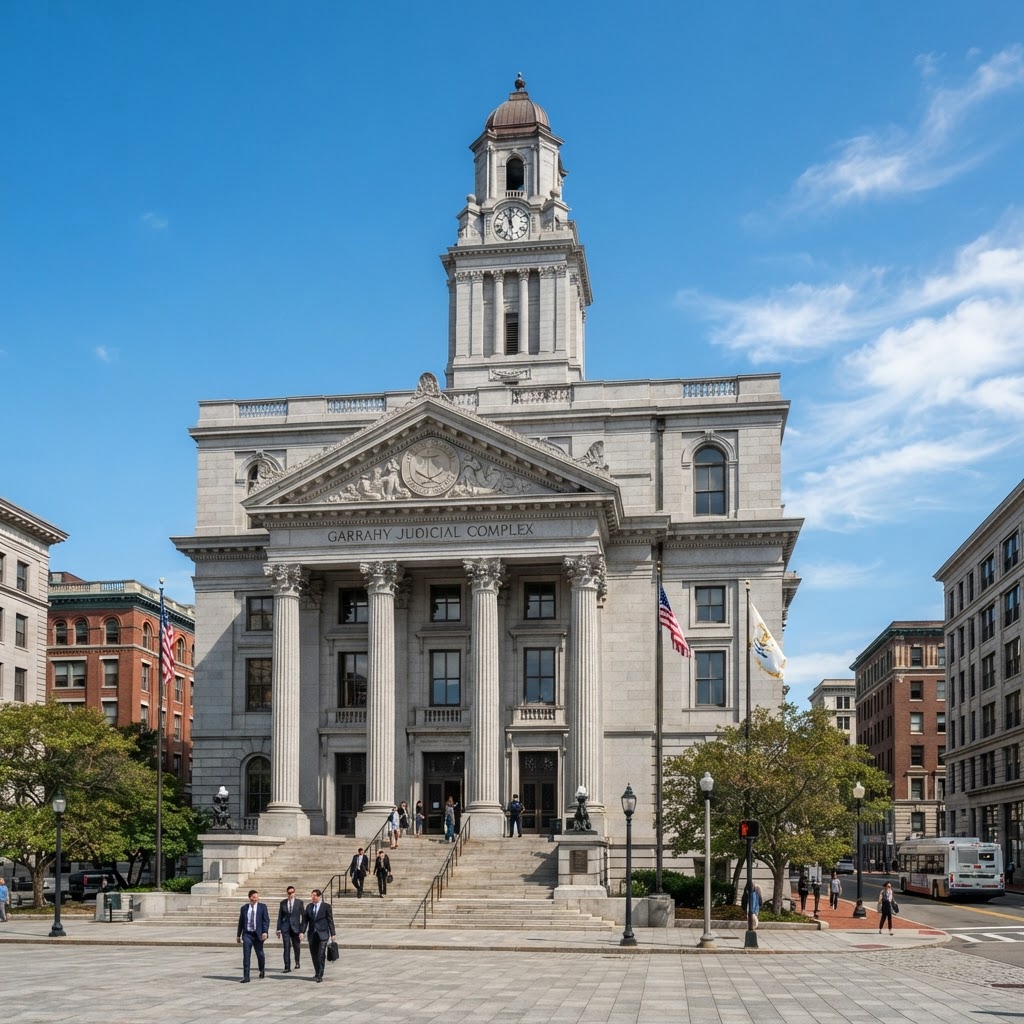
Crime
Rhode Island Sues Meta Over Rampant Scam Advertising
Attorney General Peter Neronha has filed a lawsuit against Meta, alleging the tech giant profits from billions of dollars in fraudulent ads on its platforms.
WorthFighting.org News · 6 min read
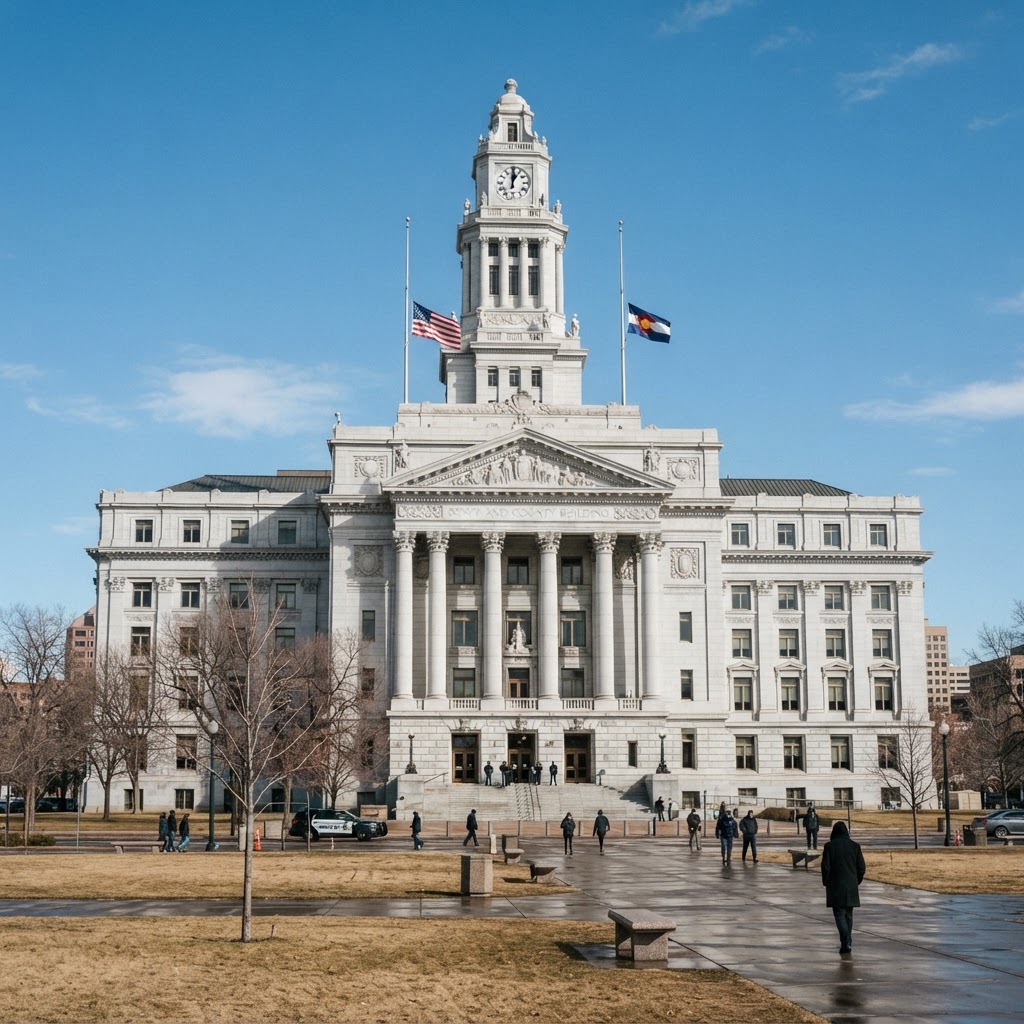
Economy
Denver Budget Standoff: Mayor Rejects Key Council Requests
Denver Mayor Mike Johnston has rejected major City Council budget requests, leaving critical public safety and infrastructure funding in a state of uncertainty.
WorthFighting.org News · 6 min read
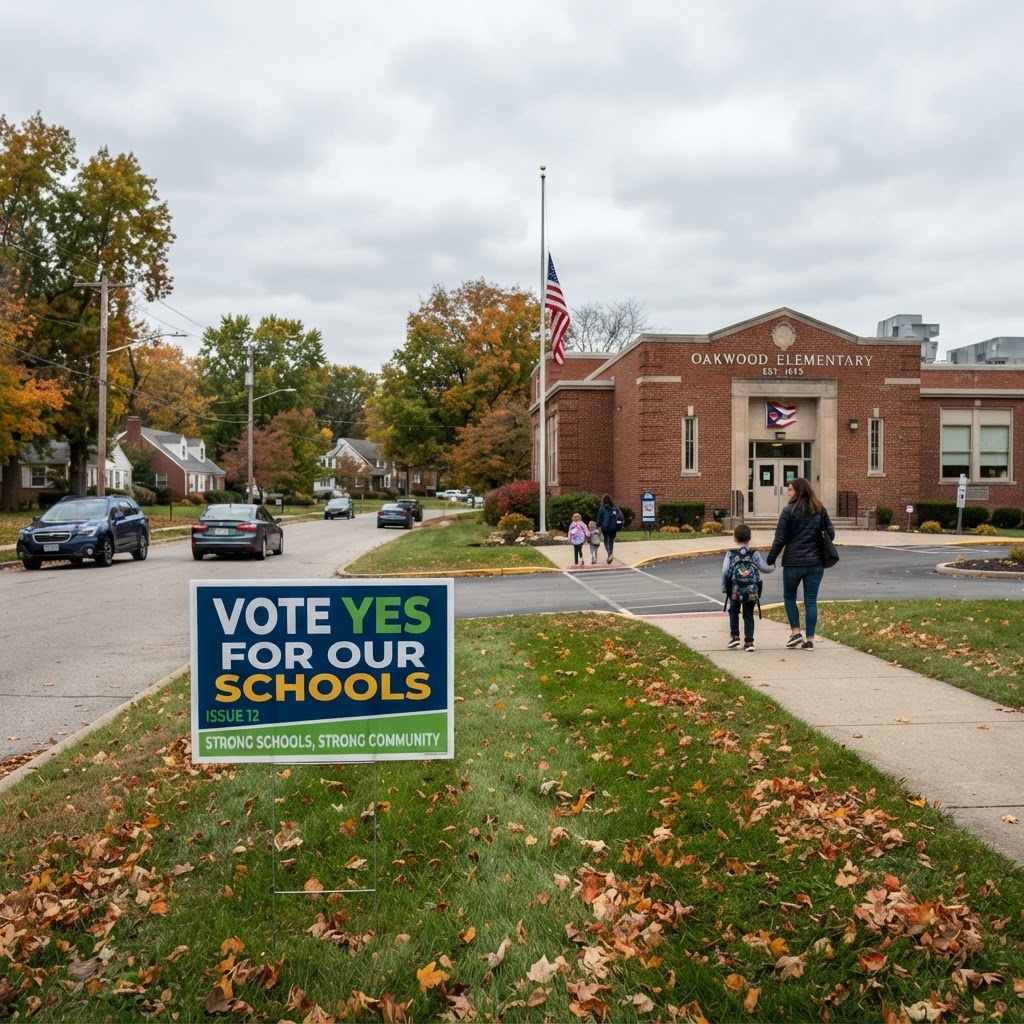
Education
Ohio School Districts Face Financial Crisis at the Ballot
Across Ohio, multiple school districts are heading to the November ballot with critical tax levies, warning of severe budget cuts and potential consolidation.
WorthFighting.org News · 6 min read
Related Resources
Related Articles
8 itemsSame category: Elections
Same category: Elections
Same category: Elections
Related States
3 itemsShared keywords: north, dakota
Shared keywords: north
Shared keywords: dakota
What People Are Reading

DHS Border Encounter Statistics: June 2026 Report
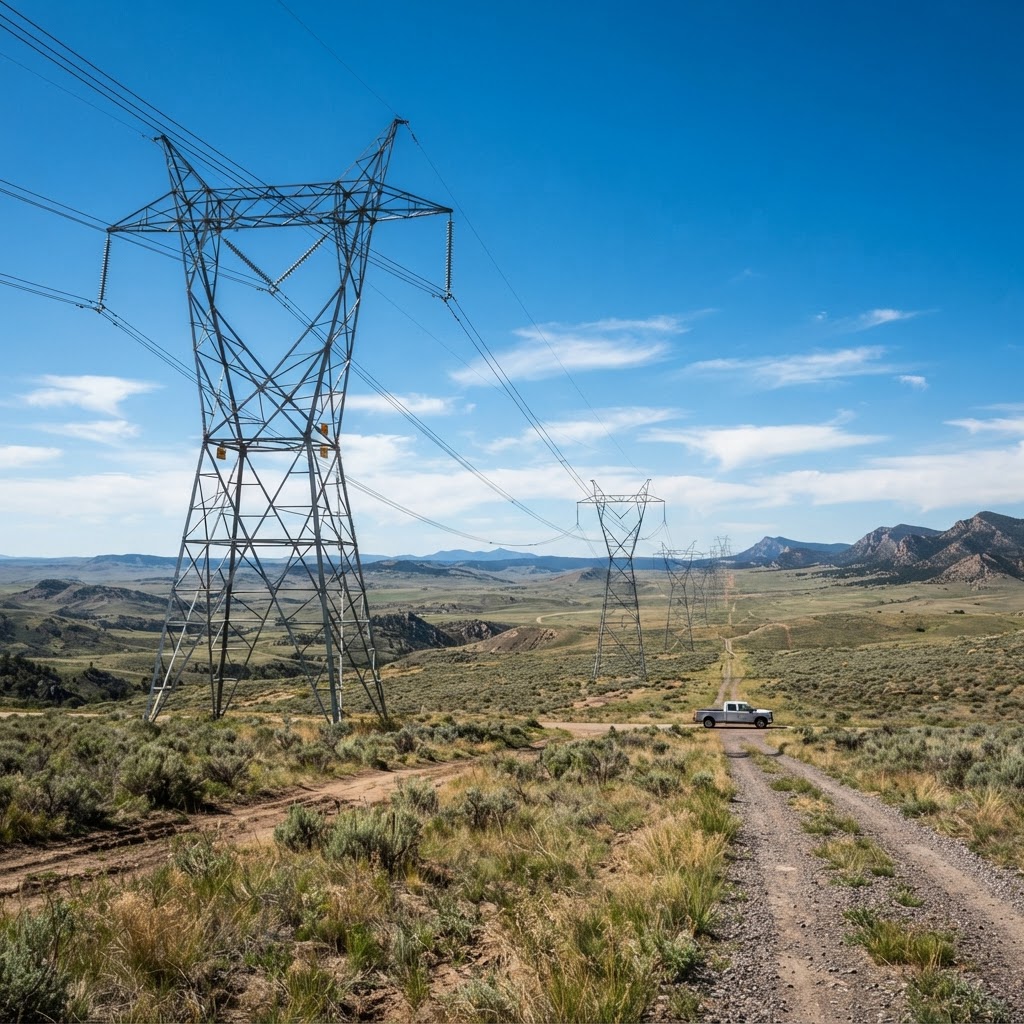
Wyoming Energy Authority Launches Power Grid Study
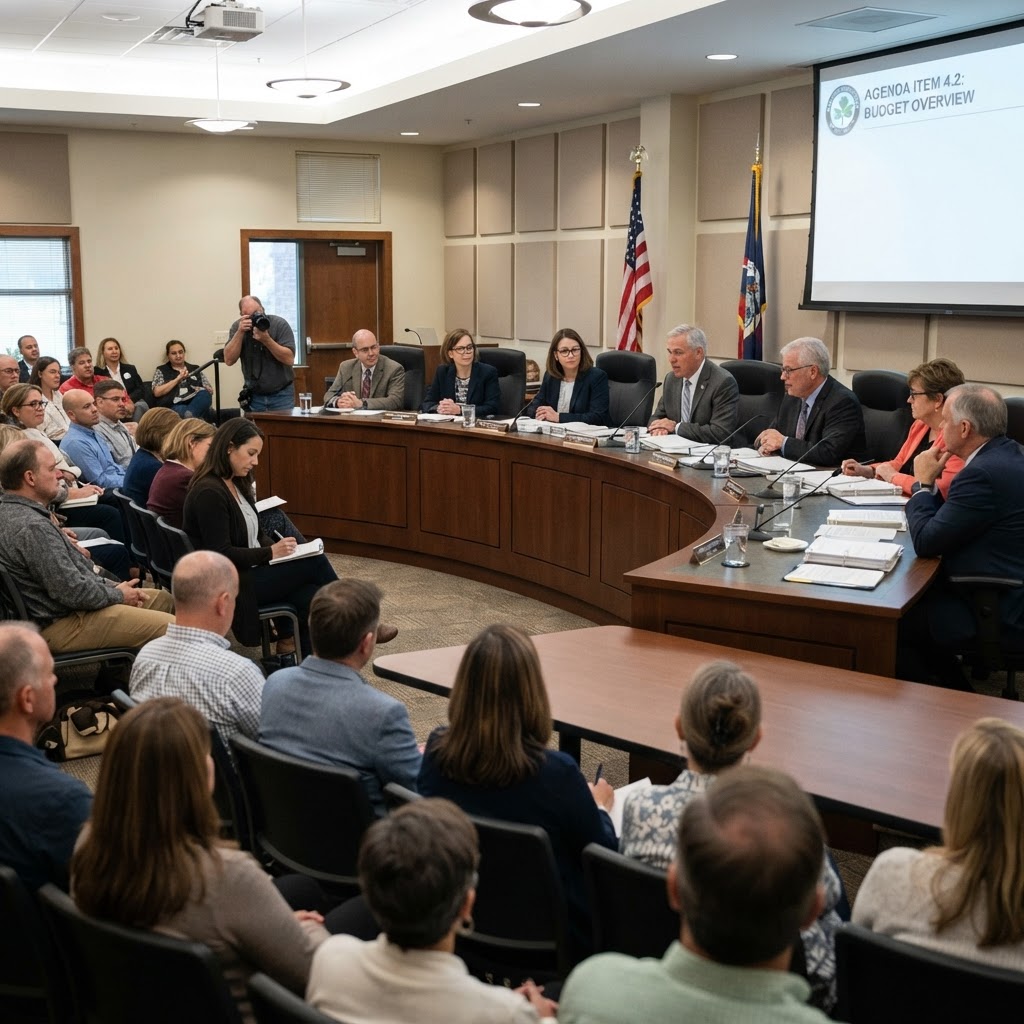
Iowa City School Board Approves $7.5M in Budget Cuts
Trump administration proposes stripping tax-exempt status from schools using race-based programs
California
Take Action
This country is worth fighting for. Get involved today.