Local Government
Taxpayer Alert: Gwinnett Commissioners Push Through 6.9% Property Tax Increase as Assessments Soar
Lawrenceville, Gwinnett County County, Georgia
Gwinnett County homeowners face a 6.9% property tax increase as commissioners maintain the 6.95 millage rate despite soaring property assessments.

Key Takeaways
- •Gwinnett County adopted a 6.95 millage rate for 2026, which is 0.158 mills higher than the rollback rate.
- •The failure to adopt the rollback rate results in a 6.92% increase in total property tax revenue for the county.
- •The City of Lawrenceville also maintained its 3.26 millage rate, contributing to a double tax burden for city residents.
- •Homeowners not covered by the Value Offset Exemption will see the largest increases due to soaring property assessments.
LAWRENCEVILLE, GA — As families across Gwinnett County grapple with the persistent sting of inflation, local officials have finalized a fiscal plan that offers little relief to the bottom line. On August 4, 2026, the Gwinnett County Board of Commissioners officially voted to maintain the general fund millage rate at 6.95 mills, effectively cementing a Gwinnett County property tax increase for thousands of residents whose home valuations have skyrocketed over the past year. While the rate itself remains unchanged for the seventh consecutive year, the failure to adopt a "rollback rate" means the county will collect significantly more revenue from property owners than in previous cycles.
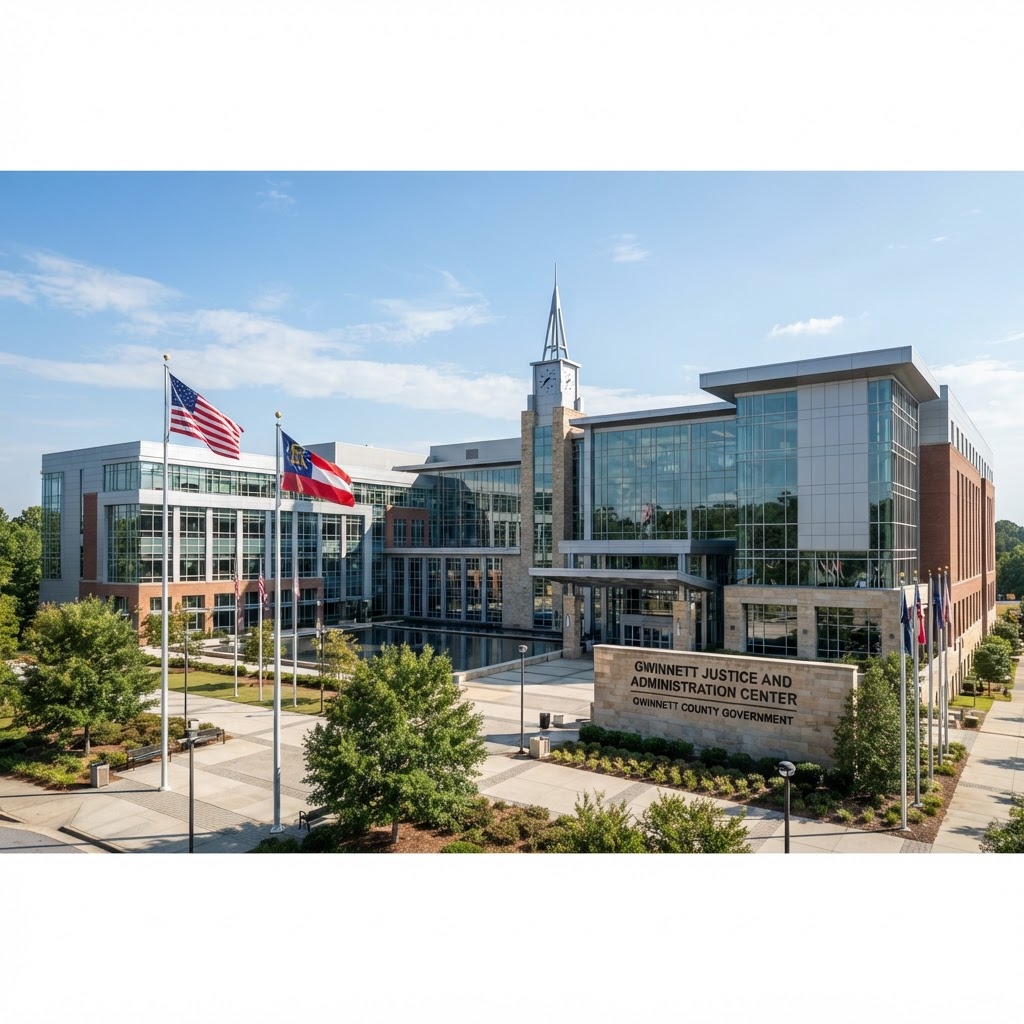
The decision, reached at the Gwinnett Justice and Administration Center in Lawrenceville, comes at a time when the local tax digest has expanded due to aggressive property reassessments. For the average homeowner in Lawrenceville, Duluth, or Suwanee, a flat millage rate applied to a higher valuation results in a larger check written to the government. Conservative advocates argue that this "backdoor" tax hike allows the government to grow its coffers without the political fallout of a nominal rate increase, placing the burden of fiscal expansion squarely on the shoulders of working families and small business owners.
1. The "Steady" Rate is a Deceptive Tax Hike
By maintaining the 6.95 millage rate instead of adopting the state-calculated rollback rate of 6.792, Gwinnett County is technically increasing property taxes by 2.33 percent. Under Georgia law, any rate set above the rollback rate—the rate required to produce the same amount of revenue as the previous year—must be advertised as a tax increase. This move ensures that the county captures the windfall from rising property values rather than returning those gains to the taxpayers who are already struggling with the increased costs of groceries, utilities, and fuel.
2. Assessment Inflation is Driving the Gwinnett County Property Tax Increase
Rising property valuations across Gwinnett County have created a situation where a static millage rate results in a 6.92% increase in total tax revenue for the general fund. The Gwinnett County Tax Assessor’s annual updates have seen residential and commercial values climb significantly, particularly in high-growth areas like Buford and Peachtree Corners. When the tax digest grows, the government must lower the millage rate to remain revenue-neutral; by refusing to do so, the Board of Commissioners is effectively choosing to expand the size of government at the expense of local property owners.
The Impact of Rising Valuations
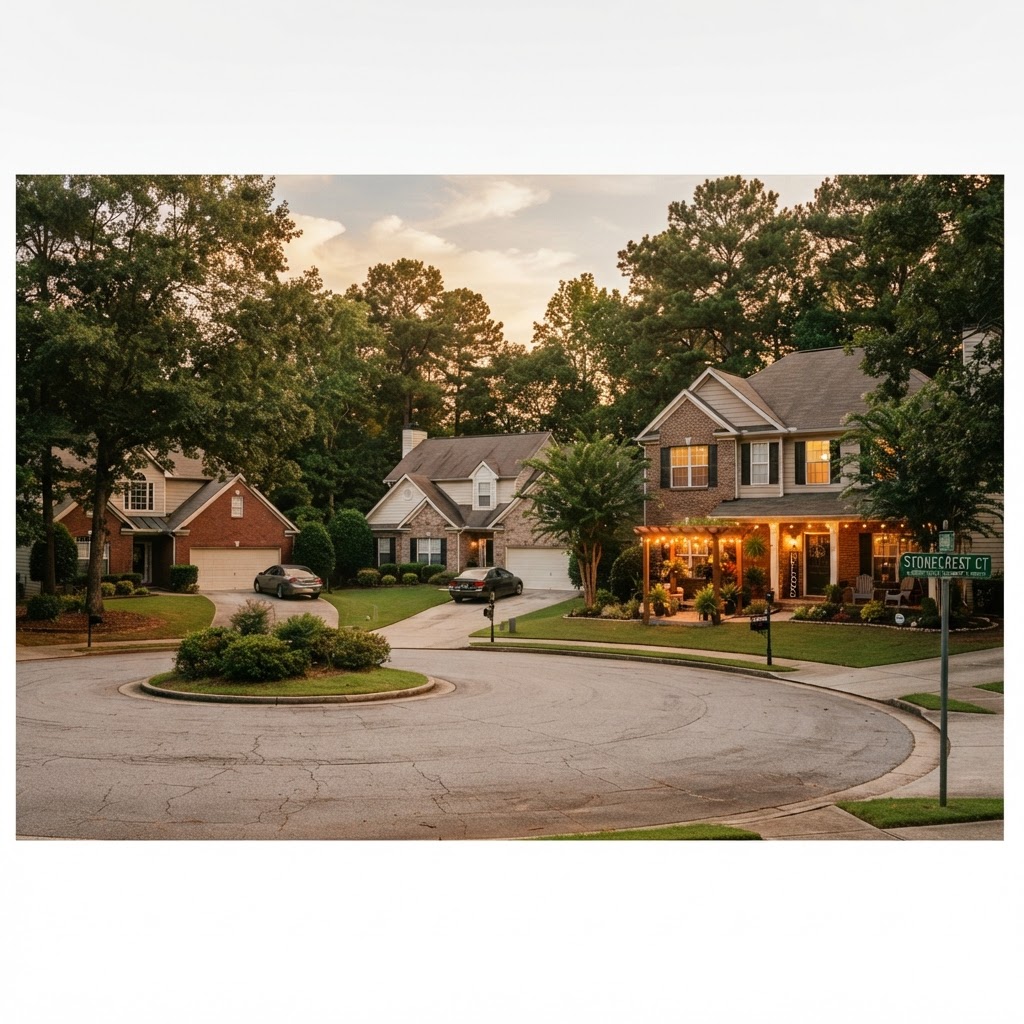
For a home valued at $400,000, the assessed value (40%) stands at $160,000. At the adopted 6.95 millage rate, the annual county government portion of the tax bill would be approximately $1,112. If the commissioners had adopted the rollback rate of 6.792, that same homeowner would have paid roughly $1,086. While the difference may seem small to some, the cumulative effect across the county represents millions of dollars in additional spending power for the government, taken directly from the private economy.
3. Lawrenceville Residents Face a Double Burden
In addition to the county-wide hike, the City of Lawrenceville has also maintained its own millage rate of 3.26 mills, which similarly exceeds its local rollback rate. Lawrenceville officials recently adopted a $218.6 million budget for FY 2027, which they claim is built on "conservative revenue assumptions." However, for residents living within the city limits, the combination of the county’s refusal to roll back and the city’s steady rate creates a compounding effect that hits the wallet twice. This fiscal approach has already seen political fallout, including the recent resignation of Councilmember Bruce Johnson, as the community debates the long-term sustainability of such high spending levels.
4. Spending Continues to Outpace Inflation
The Gwinnett County Board of Commissioners continues to expand programs and personnel, such as the recent addition of 12 new civilian positions to the police department’s community service aide program. While public safety is a core conservative priority, the expansion of the administrative state and the creation of new government roles require a permanent increase in tax revenue. Critics point out that while the county claims to be "working smarter," the refusal to adopt the rollback rate suggests that the government’s appetite for spending is outpacing its commitment to taxpayer relief. This trend is also visible in the Gwinnett County School Board 2026 millage rate plan, where similar pressures are being felt by parents and residents.
5. The Value Offset Exemption Offers Only Partial Relief
While the Gwinnett County Value Offset Exemption helps long-term homeowners by freezing the assessed value for the county portion of the bill, it does not protect new residents, commercial properties, or those facing city and school tax hikes. The exemption is a vital tool for protecting seniors and established families from being priced out of their homes, but it does nothing to address the underlying issue of government expansion. Furthermore, as property values in nearby Lilburn and Norcross continue to rise, new buyers are entering the market at much higher tax bases, which could eventually stifle local real estate growth and discourage small business investment.
Why It Matters to Lawrenceville Residents
For the residents of Lawrenceville, this tax policy represents a fundamental question of government accountability. When the government benefits from inflation through higher property assessments, it has a choice: it can either return that windfall to the people or use it to grow the bureaucracy. By rejecting the rollback rate, Gwinnett County has chosen the latter. This decision impacts every household budget in the county, reducing the disposable income that families use for their own needs. In an era of economic uncertainty, a backdoor tax hike disguised as a "steady rate" undermines the trust between the governed and those who lead them.
Bottom Line
Gwinnett County’s decision to maintain the 6.95 millage rate is a functional tax increase that prioritizes government growth over the financial stability of local families.
More Gwinnett County Coverage
For more reporting from across Gwinnett County — Lawrenceville, Duluth, Norcross, Snellville, Suwanee, and every community in the county — visit our Gwinnett County news hub, or browse all local news from WorthFighting.org.
Explore Georgia
Explore more news, elections, representatives, and information from Georgia.
Visit Georgia State ProfileMore Gwinnett County coverage
Explore the County Government hub, the Gwinnett County hub, and related topic hubs.