Education
Taxpayer Alert: Gwinnett County School Board Moves Forward with 2026 Millage Rate Plan
Suwanee, Gwinnett County County, Georgia
The Gwinnett County school board finalized the 2026 millage rate this week, leaving the rate unchanged despite rising property assessments in Suwanee.

Key Takeaways
- •The Gwinnett County school board voted to keep the millage rate unchanged at 18.70 mills for 2026.
- •Rising property assessments mean most Suwanee homeowners will see a tax increase despite the steady rate.
- •The FY2026 budget totals $3.43 billion, funding raises and security but drawing criticism for its overall size.
- •State Representative Matt Reeves announced new property tax relief measures for Suwanee homeowners on August 6, 2026.
As homeowners in Suwanee and across Gwinnett County receive their latest property assessments, the Gwinnett County school board has moved forward with its 2026 millage rate plan, a decision that carries significant weight for local families already grappling with inflation. On August 4, 2026, the board voted to maintain the maintenance and operations (M&O) millage rate at 18.70 mills, the same level as the previous year. While a steady rate might sound like a win for fiscal stability, the reality for property owners in Suwanee is far more complex. Because property values have continued to climb across Gwinnett County, maintaining the same millage rate effectively functions as a tax increase for many residents.
This decision comes as the district manages a massive $3.43 billion budget for the 2025-2026 school year. While the board points to investments in school safety, teacher compensation, and literacy programs as justification for the spending, conservative critics and local taxpayers are questioning why a more aggressive rollback was not implemented to offset the surge in property valuations. For a community like Suwanee, where the median household income sits around $103,260, the cumulative effect of rising county, city, and school taxes is becoming a primary concern for fiscal accountability.
What Happened
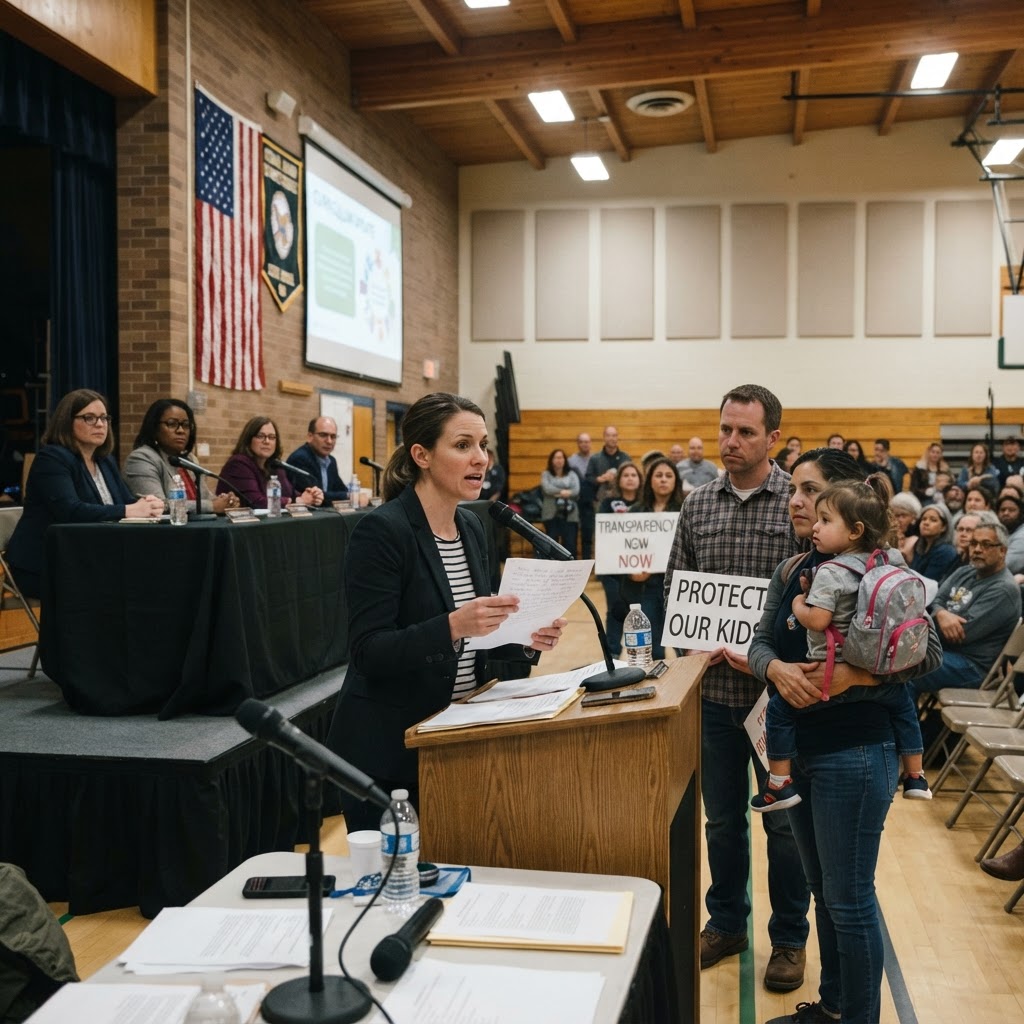
The Gwinnett County Board of Education concluded its series of public hearings this week, culminating in the official adoption of the 2026 millage rate. The board's decision to leave the rate at 18.70 mills follows a pattern of incremental adjustments that have seen the rate fluctuate slightly over the last several years. However, under Georgia law, if a taxing authority does not roll back the millage rate to a level that would produce the same amount of revenue as the previous year (accounting for reassessments), it must technically advertise the move as a tax increase.
During the final deliberations, the board highlighted that the $3.43 billion budget was necessary to support an enrollment expected to surpass 182,200 students. The budget includes significant allocations for employee raises and enhanced security measures across the district's 142 schools. Despite these goals, the vote was not unanimous. Board member Steve Knudsen has previously voiced concerns regarding the scale of district spending, casting dissenting votes on budget measures that he argued did not sufficiently prioritize taxpayer relief.
In Suwanee, the impact is immediate. Residents in the 30024 ZIP code, which covers much of the city, are seeing their effective tax rates remain high as the Gwinnett County Tax Assessor’s office continues to adjust market values upward. Just yesterday, on August 6, 2026, State Representative Matt Reeves, who represents portions of Suwanee and Duluth, announced new efforts to provide homeowner property tax relief at the state level, acknowledging the growing burden on Gwinnett families.
The Context
To understand why the Gwinnett County school board decision is so contentious, one must look at the broader economic landscape of Gwinnett County. The district is the largest in Georgia, and its budget often exceeds the total operating budgets of many small states. In recent years, the board has benefited from a "windfall" of revenue generated by the red-hot real estate market in North Gwinnett. When property values rise by 5% or 10% in a single year, a steady millage rate allows the government to collect millions in additional revenue without ever having to vote for a formal "rate hike."
This phenomenon, often referred to as a "backdoor tax increase," has become a flashpoint for local activists demanding greater transparency. Earlier this year, residents were encouraged to participate in Gwinnett County Special Election: Runoffs Set as Voters Demand Accountability, reflecting a growing appetite for leadership that prioritizes fiscal restraint. The school board's refusal to implement a full rollback means that the district will collect approximately 4% more in total revenue this year compared to last, purely from value reassessments.
Suwanee, with its population of approximately 23,578, serves as a microcosm of this struggle. The city is known for its high-performing schools, such as North Gwinnett High School and Peachtree Ridge High School, which attract families and drive up property values. However, those same families are now finding themselves "taxed out" of the very improvements they moved here to enjoy. Nearby communities like Buford and Berkeley Lake are watching these developments closely, as the school board's fiscal policy sets the tone for the entire region.
The Implications: Gwinnett County School Board and the "Backdoor" Tax Hike
The implications of the board's fiscal path are twofold: it reinforces a culture of expansive government spending and it places the burden of social programs squarely on the backs of property owners. From a conservative perspective, the $3.43 billion budget represents a missed opportunity to return surplus funds to the taxpayers. When the government sees a revenue surplus due to market conditions, the "America First" approach suggests that those funds belong to the citizens, not the bureaucracy.
Fiscal Accountability and the "Backdoor" Tax Hike
By choosing not to roll back the millage rate to a revenue-neutral position, the Gwinnett County school board is essentially choosing to grow the size of the school administration at a rate that outpaces the income growth of many Suwanee residents. While the board argues that these funds are necessary for "student success," critics point to the administrative bloat and the inclusion of programs that stray from core academic excellence.
Furthermore, the lack of a unified board on these spending measures suggests a growing divide. As seen in Fighting for Fair Elections: Gwinnett County Voter Roll Challenges Intensify, Gwinnett residents are increasingly focused on how their institutions are governed. The school board is no exception. The decision to maintain the 18.70 mill rate, while technically not an increase in the rate itself, is viewed by many as a failure of government accountability. It allows the board to claim they didn't "raise taxes" while they simultaneously collect record-breaking sums from Suwanee, Lawrenceville, and Norcross homeowners.
What to Watch
In the coming weeks, Suwanee residents should keep a close eye on their mailboxes. The Gwinnett County Tax Commissioner’s Office is expected to mail out the final property tax bills in late August, with payments due in October. This will be the moment of truth for many families, as the abstract millage rate discussions transform into actual dollars and cents leaving their bank accounts.
Additionally, the conversation is already shifting toward the FY2027 budget cycle. Preliminary hearings are expected to begin later this year, and the board will once again have to justify its spending levels. Taxpayers should also monitor the progress of the property tax relief measures proposed by Representative Matt Reeves and other House Republicans. If passed, these measures could provide a much-needed buffer against the school board's appetite for spending.
Finally, the political landscape of the board itself is worth watching. With several seats potentially up for grabs in future cycles, the issue of the millage rate and fiscal transparency will likely be a central theme for candidates looking to challenge the status quo. Residents from Snellville to Peachtree Corners are beginning to realize that local school board elections have a more direct impact on their daily lives and financial health than almost any other political office.
Why it matters to local residents
For the people of Suwanee, this isn't just about policy—it's about the ability to afford their homes and provide for their families. When the Gwinnett County school board chooses to keep more of the taxpayers' money, it leaves less for local small businesses, less for family savings, and less for the community's private charitable efforts. Fiscal accountability starts with the recognition that every dollar spent by the school board is a dollar taken from a hard-working Gwinnett citizen. As the 2026 tax season approaches, the demand for a government that lives within its means has never been louder.
More Gwinnett County Coverage
For more reporting from across Gwinnett County — Lawrenceville, Duluth, Norcross, Snellville, Suwanee, and every community in the county — visit our Gwinnett County news hub, or browse all local news from WorthFighting.org.
Explore Georgia
Explore more news, elections, representatives, and information from Georgia.
Visit Georgia State ProfileMore Gwinnett County coverage
Explore the School Board hub, the Gwinnett County hub, and related topic hubs.