Infrastructure
As Gwinnett Tops 1 Million Residents, Duluth Neighbors Ask Who Growth Is For
Duluth, Gwinnett County, Georgia
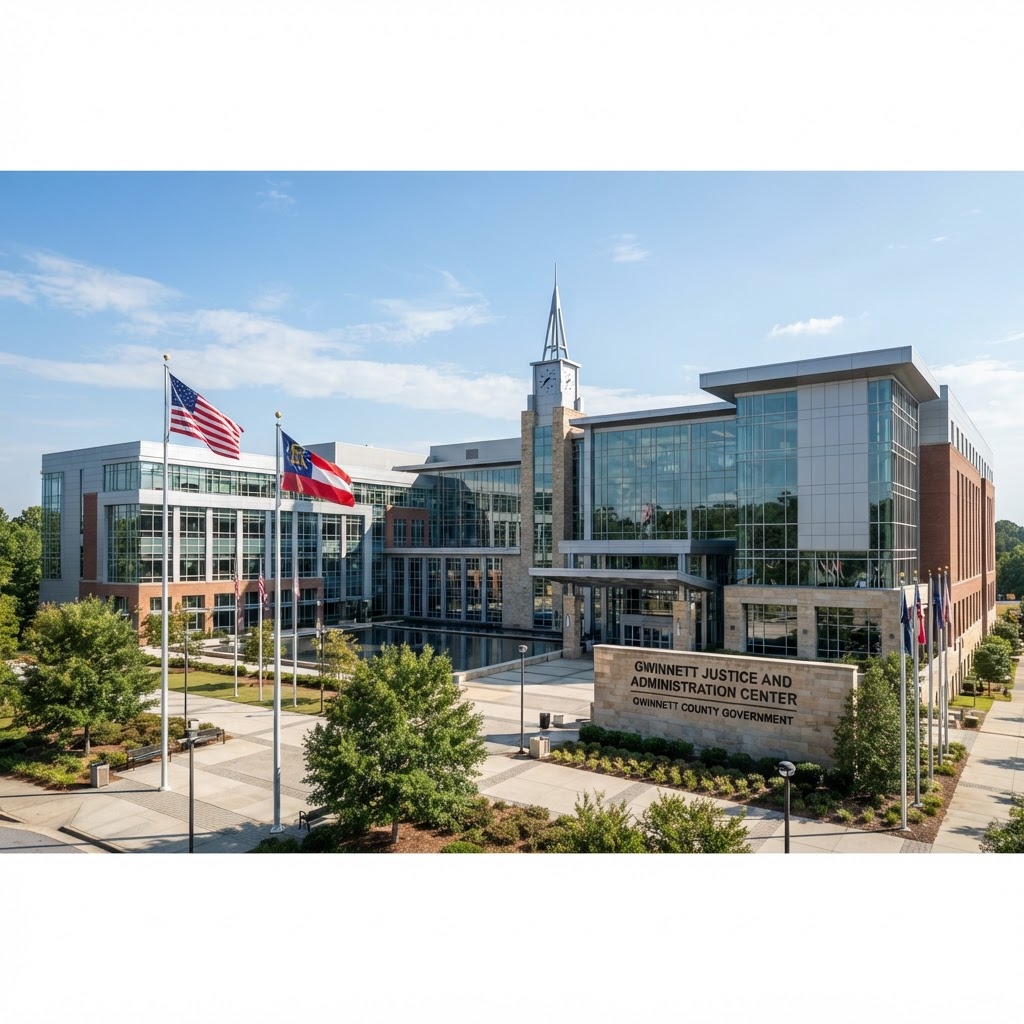
Gwinnett County crossed 1 million residents this year. In Duluth, the push to redevelop aging retail corridors is running into traffic, flooding, and school-crowding concerns from the people who already live there.
Key Takeaways
- •Gwinnett County crossed 1 million residents in 2024
- •The county's strategy converts declining retail corridors into walkable, mixed-use hometowns
- •Duluth neighbors cite traffic, flooding, crowded schools and a lack of transparency over new development
- •Gwinnett rewrote incentive rules to speed permitting and waive fees for affordable-housing projects
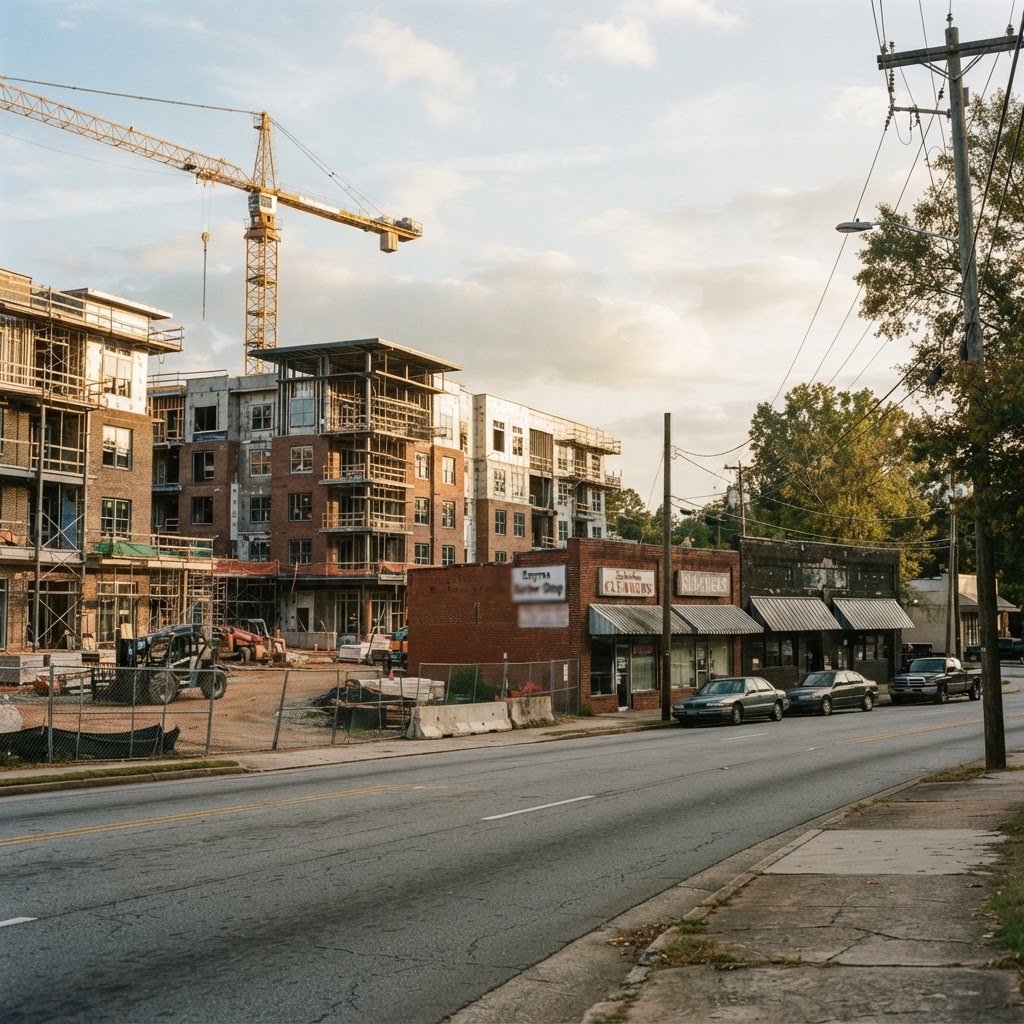
Gwinnett County crossed the 1 million-resident mark, and the county's strategy of converting "dying downtowns" into walkable hometowns has reached Duluth's doorstep — not everyone is cheering.
The tension is the oldest one in growth politics: the people who already live somewhere want it to stay livable, and the people building the next phase of it want room to build. Both can be right. Resolving that requires transparent planning — and that is exactly where residents say the process is falling short.
The growth story
Gwinnett has been one of the fastest-growing counties in the country. Back in 1990 it had 353,000 residents and was about 90% white; today it is a melting pot of roughly 30% white, 31% Black, 14% Asian and 24% Hispanic or Latino residents, according to Georgia Trend.
County Commission Chair Nicole Love Hendrickson has called that diversity the county's "biggest strength." The county has responded to the boom by getting creative — redeveloping older retail and jobs centers that are in decline, and rewriting incentive rules to speed permitting and waive certain fees for projects that add affordable housing.
The pushback
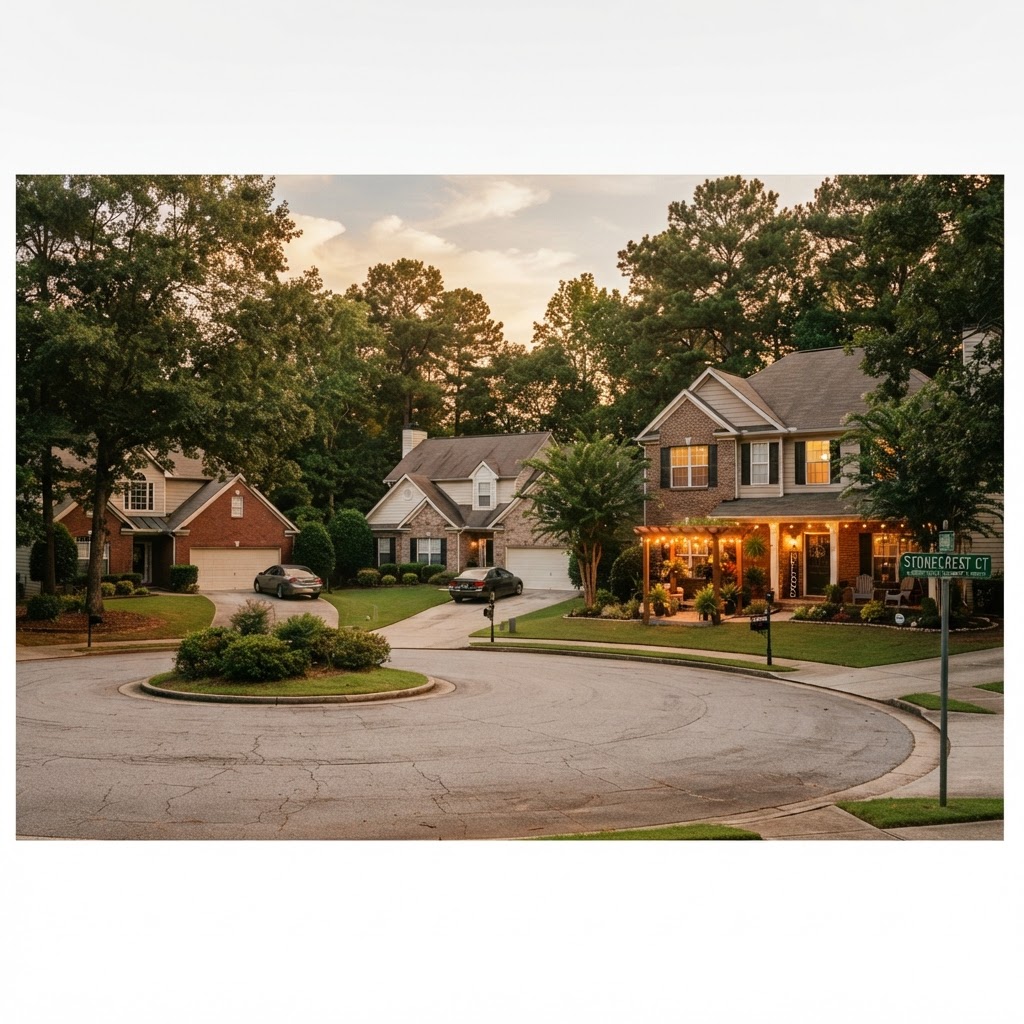
But growth at this scale produces friction. When new planning documents surface for a property, residents push back. Their concerns are familiar across metro Atlanta: traffic, flooding, crowded schools, and a sense that the planning process has not been transparent about what is coming.
That is not reflexive opposition to development. It is a reasonable demand that the people paying the price of growth — in longer commutes and packed classrooms — get a real seat at the table before the bulldozers arrive.
What good growth requires
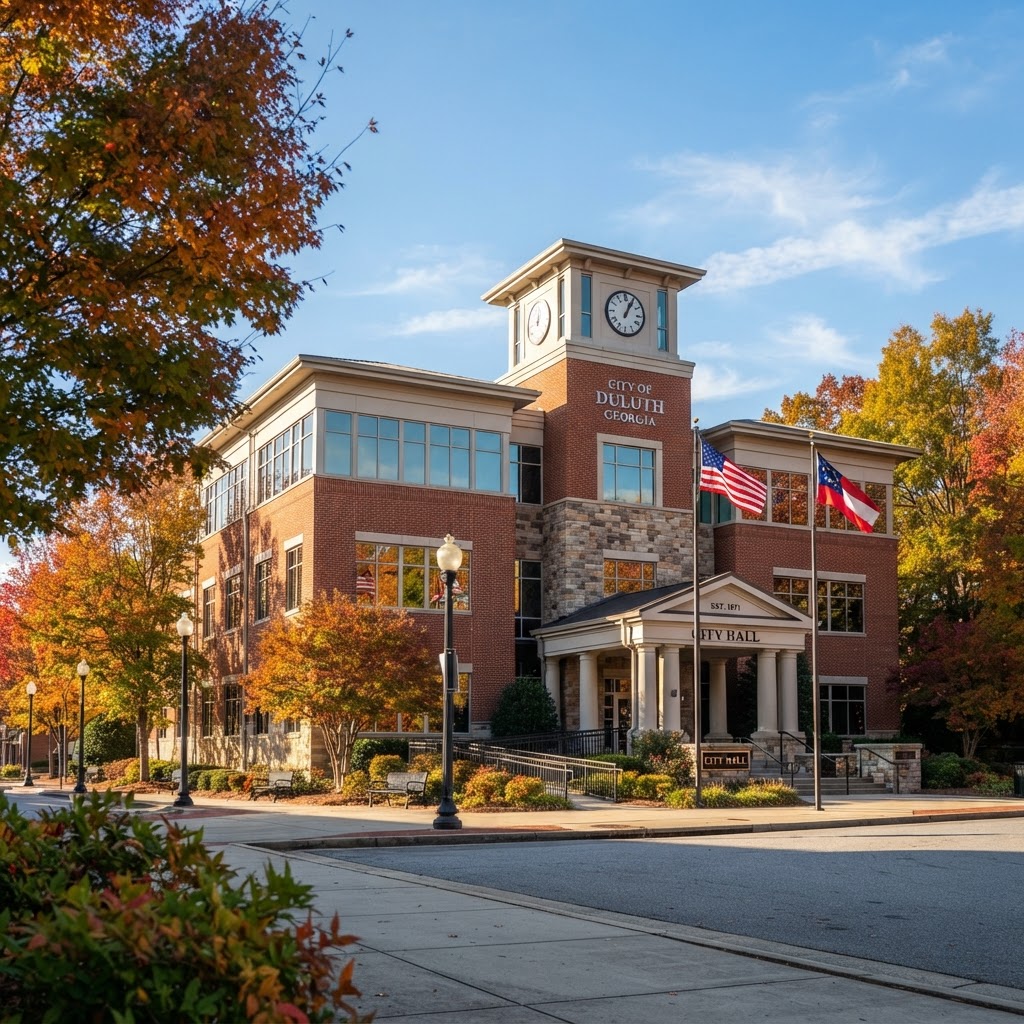
Duluth, one of Gwinnett's 16 municipalities, is governed by a mayor and five council members elected at-large by post, with council meetings held the second Monday of each month at 6:00 p.m. in City Hall. Residents who want a say in what gets built have a venue — but showing up matters.
The conservative case for development is not "build anything, anywhere." It is that property rights and local control work together: landowners should be free to put their property to productive use, and neighbors should be able to hold planners to their word on traffic studies, stormwater, and school capacity. When both sides are heard, growth pays for itself. When only one side is, the community pays for the growth.
Duluth's test is whether it can keep the second half of that bargain.
Explore more on Georgia or browse Duluth local coverage.
Explore Georgia
Explore more news, elections, representatives, and information from Georgia.
Visit Georgia State ProfileMore Gwinnett County coverage
Explore the Community hub, the Gwinnett County hub, and related topic hubs.