New Factory Momentum Builds as America-First Trade Pressure Reshapes the Summer Economy
Fresh summer data are reinforcing a trend conservatives have argued for years: when Washington rewards domestic production and punishes unfair foreign competition, American industry responds. The gains are real, but economists warn Congress must pair pro-growth policy with fiscal discipline if the recovery is going to last.
Derek J
Admin - Senior Correspondent
A Summer Shift Toward Production
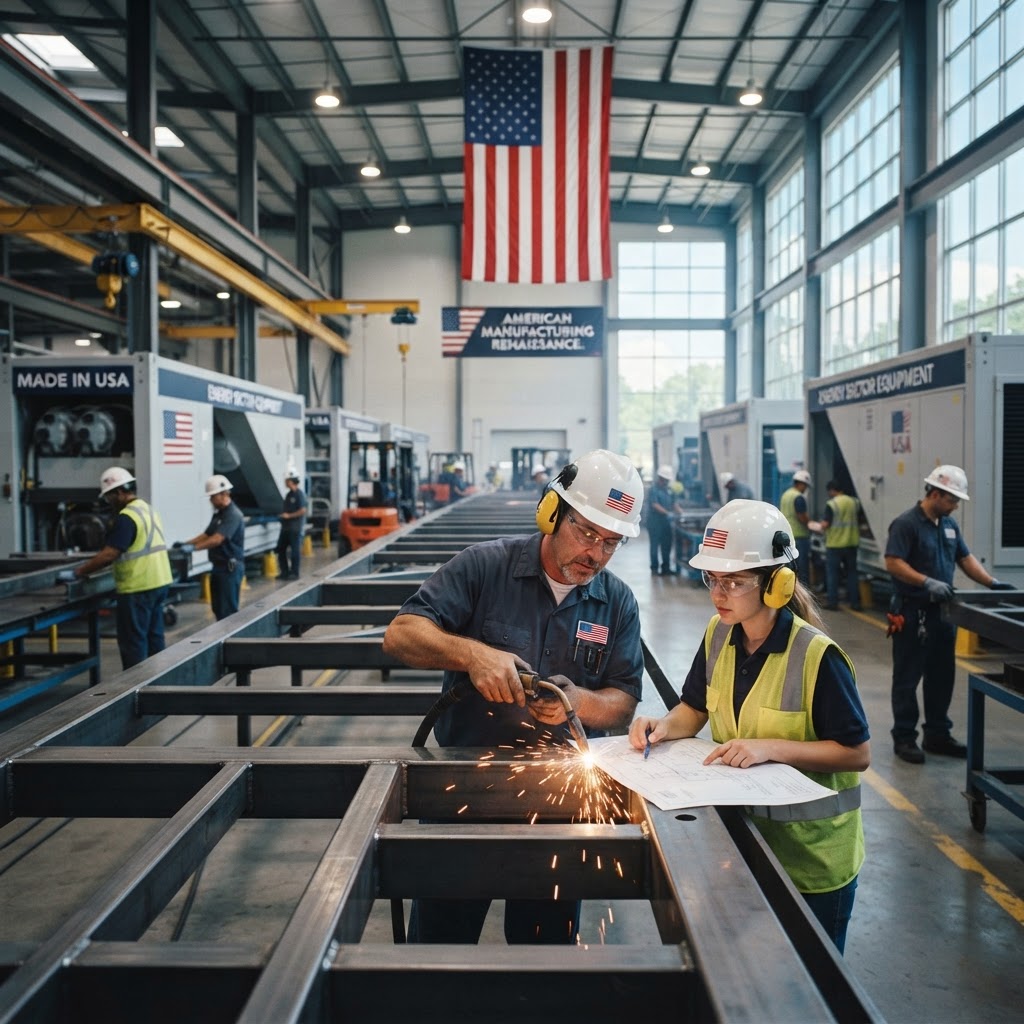
New economic data released in early July are fueling renewed optimism in manufacturing-heavy regions of the country, as factory orders, industrial hiring, and private investment in strategic sectors continue to show resilience despite elevated borrowing costs.
Commerce and labor figures published this week point to steady gains in machinery, energy equipment, steel fabrication, and semiconductor-adjacent supply chains. The pattern is especially visible across the Midwest and parts of the South, where companies have expanded capacity in response to tougher trade enforcement, stronger domestic sourcing rules, and continued pressure to reduce reliance on Chinese supply chains.
For years, conservatives argued that “cheap” imports were never truly cheap when they hollowed out towns, weakened the industrial base, and left the nation exposed in a crisis. This summer’s numbers suggest that argument is gaining traction beyond the campaign trail.
Trade Pressure, Border Security, and Energy Matter
Analysts say the improving picture did not happen by accident. It followed a combination of targeted tariffs, renewed customs enforcement, and a more aggressive push to strengthen domestic energy production—three policies long favored by America First conservatives.
“The lesson is simple: if you stop subsidizing foreign mercantilism and start backing American workers, capital moves home,” said Martin Kessler, a senior fellow at the Jefferson Center for Industrial Policy. “That doesn’t mean every problem is solved, but it does mean Washington finally has proof that national economic sovereignty still matters.”
Business groups in transportation and heavy industry also note that stricter border controls have reduced some of the labor-market distortions tied to illegal hiring networks, helping stabilize wages for lower- and middle-income workers. At the same time, expanded oil and natural gas output has helped prevent the kind of energy shock that can quickly choke factory growth.
What the Data Are Showing
Several broad trends are standing out this month:
- Manufacturing construction remains well above pre-2020 levels
- Industrial wage growth is outpacing inflation in several key regions
- Import dependence in strategic goods is slowly declining
- Small and mid-sized suppliers are seeing stronger order books tied to reshoring
Karen Holloway, chief market strategist at Red River Advisory, said the mix of policy and market demand is creating “a more durable base than the sugar-high stimulus cycles Washington usually prefers.” She added that long-term confidence will depend on whether lawmakers can keep taxes predictable and regulation contained.
The Threat From Washington Spending
Still, not every indicator is flashing green. Credit remains expensive, commercial lending standards are tight, and federal deficits continue to cast a long shadow over the economy. If Congress keeps spending at crisis-era levels while pretending the bill never comes due, the same workers now benefiting from industrial growth could be hit later by higher rates, weaker credit markets, or renewed inflation.
That is where conservative scrutiny matters. An America First economy is not just about tariffs or slogans; it requires constitutional restraint, sound money instincts, and a federal government that remembers it serves the nation rather than managing it from above.
“The United States can absolutely outbuild, outwork, and outproduce any rival,” said Holloway. “But Washington has to stop undermining its own people with debt, bureaucracy, and policies that put foreign interests ahead of American families.”
Bottom Line
The July picture is encouraging: domestic industry is proving it can grow when national policy stops treating American workers as an afterthought. The challenge now is making sure this momentum is protected by secure borders, affordable energy, fair trade, and the fiscal discipline needed to keep the recovery from being squandered.
Comments (0)
More from Economy

Economy
Denver Budget Crisis Deepens as City Faces $200M Gap
Denver faces a massive $200 million budget shortfall for 2026, forcing the city to consider layoffs and furloughs after years of rapid government expansion.
WorthFighting.org News · 6 min read

Economy
ND Towns Turn to Sales Taxes After Property Tax Cap
Over a dozen North Dakota cities and counties propose sales tax increases this June as local officials navigate state-mandated property tax revenue caps.
WorthFighting.org News · 5 min read

Economy
Vermont Tax Revolt Leaves Barre Schools Without Budget
Barre voters prepare for a high-stakes third school budget vote as taxpayers push back against relentless property tax hikes across Vermont.
WorthFighting.org News · 6 min read
Take Action
This country is worth fighting for. Get involved today.