
ND Towns Turn to Sales Taxes After Property Tax Cap
Over a dozen North Dakota cities and counties propose sales tax increases this June as local officials navigate state-mandated property tax revenue caps.
WorthFighting.org News
Staff Writer
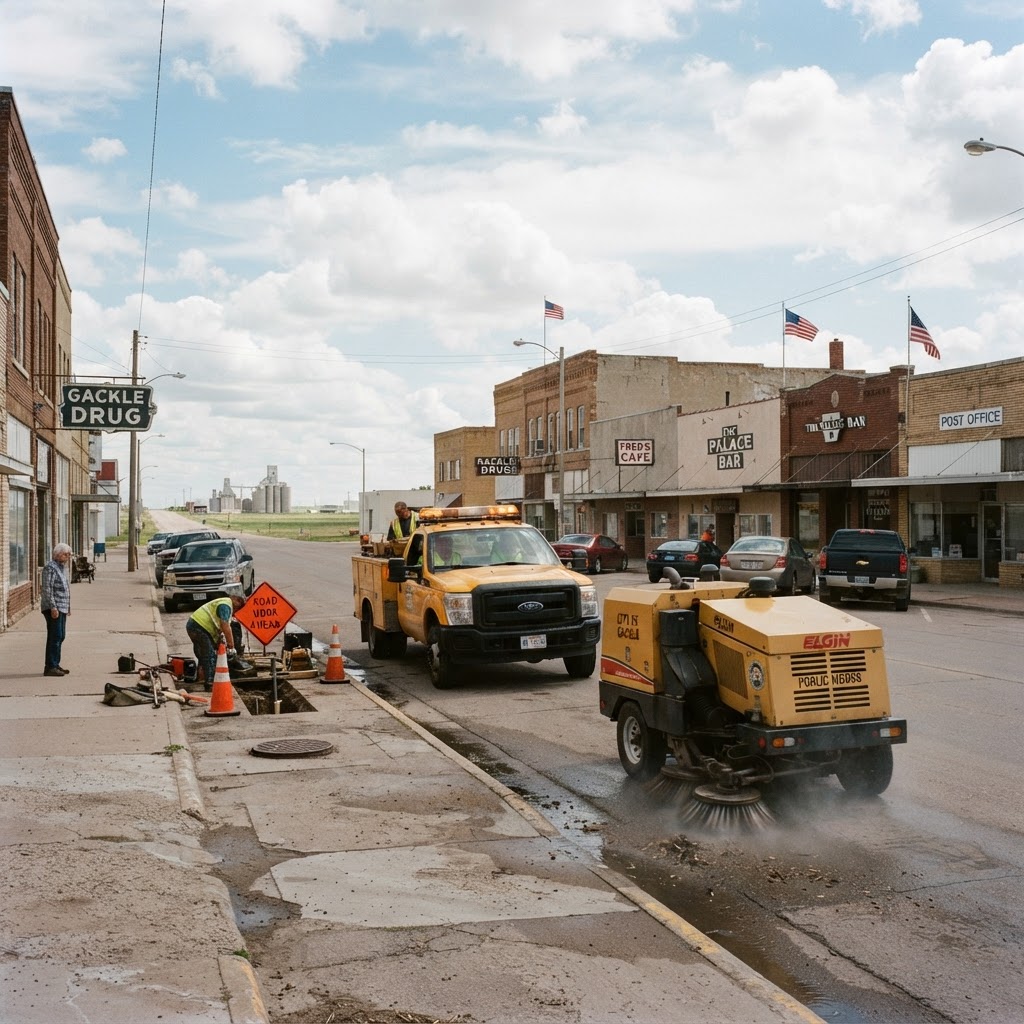
Across North Dakota’s prairies and small towns, taxpayers are encountering a familiar fiscal reality: when state leaders rein in levies on family homes, local councils inevitably look for new avenues to keep the lights on and the roads paved.
More than a dozen municipalities and county boards across the Peace Garden State are presenting voters with ballot measures seeking sales tax increases. From Walsh County to Ramsey County, two county commissions and 11 city councils are placing tax questions before residents, testing whether voters prefer sales taxes over property assessments to maintain local infrastructure and emergency services.
Explore our latest coverage on local financial policy in our /category/economy section.
Shifting Away From Real Estate Levies
The wave of local ballot initiatives follows landmark action taken by the North Dakota Legislature to cap annual property tax growth at 3%. For years, conservative activists and local homeowners pushed lawmakers in Bismarck to deliver tangible relief from surging residential assessments that threatened families on fixed incomes.
While state lawmakers aimed to protect private property rights through legislative caps and homeowner credits, municipal leaders argue that day-to-day government operations remain subject to inflationary pressure. Rather than asking voters to override the 3% property tax cap—a move requiring direct ballot approval under state law—several localities have decided to pursue consumption-based taxes instead.
In Minto, a Walsh County town of roughly 600 residents, voters will decide whether to bump their local sales tax rate by a half percent. The municipality currently enforces a 1% sales levy that has remained unchanged since 2006. Revenue from the proposed increase is slated strictly for street resurfacing and basic civic repairs.
City Auditor Angela Shutt noted that while the new state property cap plays a role in broader long-term calculations, general inflation has made routine repairs far more expensive. "If the sales tax increase is voted down by residents, we may have to look at other options to raise revenue because the price of everything is constantly increasing," Shutt explained.
Counties Seek Public Safety Funding
Further west in Ramsey County, county commissioners are seeking approval for a comprehensive 1% sales, use, and alcohol tax. Local officials stress that rather than trying to lift property valuations or add to existing homeowner burdens, the targeted levy will fund county law enforcement and emergency dispatch services.
Ramsey County Commissioner Jeff Frith emphasized that local leadership specifically wanted an alternative funding mechanism. "The primary goal of the sales tax proposal is to generate additional revenue without further burdening property taxes," Frith stated, pointing out that shifting to retail transactions allows visitors and non-resident commuters to help shoulder public safety costs.
Similar balances are playing out elsewhere. In Minot, officials have devised a hybrid approach: asking residents for a sales tax increase to support the city's parks district while simultaneously lowering the local property tax levy in exchange.
Check out the /category/elections desk for ongoing coverage of critical local ballot fights nationwide.
Local Governments Navigate Budget Tightropes
Advocacy organizations like the North Dakota League of Cities and the North Dakota Association of Counties report that their members are experiencing mounting friction between fixed statutory limits and escalating municipal operating costs. An informal review revealed that numerous towns had to draw down contingency reserves to balance their operating budgets this year.
"Before caps, communities were strapped for funds anyway," said Matt Gardner, executive director of the North Dakota League of Cities. "They’re consistently trying to find ways to fund infrastructure projects and essential services."
Local government lobbyists indicate that while municipalities are learning to navigate the statutory 3% barrier, several groups will likely lobby the state legislature during the next session to grant narrow exemptions for mandatory government functions, including public defense, county jail operations, and election administration costs.
Why This Matters
For conservative taxpayers, fiscal discipline begins at the town hall. Capping property taxes was a hard-fought victory for homeowners who believe that no American should be taxed out of their own home through ever-climbing assessments.
However, the sudden rush toward local sales tax measures shows that restraining government spending requires total vigilance at the ballot box. If local councils simply replace property levies with higher register receipts, overall household expenses remain high. North Dakota's local primary results will offer a critical case study in whether voters demand genuine belt-tightening from their local leadership or accept transactional sales taxes as a necessary compromise for community services.
Comments (0)
Be the first to comment.
Related Stories
Economy
Nebraska Property Tax Reform Remains Top Priority for Voters
As Nebraska voters head toward the 2026 election, property tax relief remains a central issue. Legislative efforts continue to address the state's tax burden.
WorthFighting.org News · 6 min read
Economy
Florida Homeowners Remain Skeptical of Insurance Reforms
Despite state claims of a stabilizing insurance market, a new survey reveals that many Florida homeowners continue to struggle with high premiums and coverage
WorthFighting.org News · 6 min read
Economy
Denver Budget Standoff: Mayor Rejects Key Council Requests
Denver Mayor Mike Johnston has rejected major City Council budget requests, leaving critical public safety and infrastructure funding in a state of uncertainty.
WorthFighting.org News · 6 min read
Economy
Portland Budget Proposal Sparks Outrage Over Tax Hikes
Portland officials have unveiled a $363.9 million budget for 2027 that includes property tax increases and job cuts, leaving residents struggling with costs.
WorthFighting.org News · 6 min read
Economy
South Dakota Residents Push Back Against Energy Rate Hikes
South Dakota customers are organizing against a proposed 8.2% rate increase from MidAmerican Energy, citing concerns over rising costs for families and
WorthFighting.org News · 5 min read
Economy
East Providence Taxpayers Hit With 3.5% Property Tax Hike
East Providence residents face a 3.5% property tax increase following the approval of a $209.9 million budget by the City Council and Mayor Bob DaSilva.
WorthFighting.org News · 5 min read
What People Are Reading
East Providence Taxpayers Hit With 3.5% Property Tax Hike
Florida Homeowners Remain Skeptical of Insurance Reforms
Chicago Aldermen Clash Over Mayor Johnson’s Budget Cuts
Alabama Supreme Court Weighs Absentee Ballot Law
Wyoming Energy Authority Launches Power Grid Study
Take Action
This country is worth fighting for. Get involved today.