
Inflation, Interest Rates, and Your Wallet: Making Sense of the Economy
After the most aggressive rate hike cycle in decades, central banks are navigating a delicate balance. Here's what it means for you.
Derek J
Admin - Senior Correspondent

The Inflation Surge
In 2021-2023, the world experienced its most significant inflationary episode in forty years. In the United States, peak inflation reached 9.1% in June 2022 — the highest since 1981. In the Eurozone, it hit 10.6%. Even Japan, which had struggled with deflation for decades, saw prices rise.
The causes were multiple and hotly debated:
- Pandemic supply chain disruptions that constrained the supply of goods
- Massive fiscal stimulus that boosted demand
- Energy price shocks driven by the war in Ukraine
- Labor market tightness as economies reopened faster than workers could return
The Central Bank Response
The Federal Reserve responded with the fastest rate hike cycle since the early 1980s, raising the federal funds rate from near zero to over 5% in just over a year. The European Central Bank and Bank of England followed similar paths.
The goal was to cool demand enough to bring inflation down without triggering a recession — the so-called soft landing. As of mid-2026, that landing appears to have been achieved, with inflation falling toward target levels while growth has remained positive.
What It Means for You
For ordinary people, the most visible impact has been on borrowing costs. Mortgage rates, which had hovered around 3% during the pandemic, jumped above 7% before settling in the mid-6% range. For a buyer purchasing a $400,000 home, that's the difference between a $1,260 and $2,400 monthly payment.
Credit card interest rates hit record highs, averaging over 24% APR. Auto loan rates rose significantly. The result: the cost of borrowing money has roughly doubled in a few short years.
At the same time, savers have benefited. High-yield savings accounts and certificates of deposit are offering 4-5% returns — the first real yields in over a decade.
The Bigger Picture
The inflation episode raised deeper questions about economic policy. Some economists argue that the massive fiscal stimulus of 2020-2021 was a mistake — that it overheated an economy that was already recovering. Others argue it was the right call given the severity of the pandemic, and that inflation was primarily driven by supply-side factors that monetary policy couldn't address.
"Central banks are powerful, but they don't control supply chains, energy markets, or wars. Blaming them for all inflation is like blaming a thermostat for the weather."
Looking Forward
As of 2026, central banks have begun gradually cutting rates. The debate now is about pace: cut too fast and risk reigniting inflation; cut too slowly and risk unnecessary economic damage.
For most people, the practical takeaway is this: the era of free money is over, at least for now. Borrowing will be more expensive than it was in the 2010s, but savings will actually earn something. Budgeting for higher borrowing costs — while taking advantage of better savings rates — is the new normal.
The Lesson
Perhaps the most important lesson from the inflation episode is one of humility. Economists, central bankers, and policymakers all underestimated how quickly inflation would return and how stubborn it would be. The experience is a reminder that economic models are simplifications of a complex reality — and that the unexpected is always possible.
This is sample content created for demonstration purposes.
Comments (0)
Be the first to comment.
Related Stories
Economy
Nebraska Property Tax Reform Remains Top Priority for Voters
As Nebraska voters head toward the 2026 election, property tax relief remains a central issue. Legislative efforts continue to address the state's tax burden.
WorthFighting.org News · 6 min read
Economy
Florida Homeowners Remain Skeptical of Insurance Reforms
Despite state claims of a stabilizing insurance market, a new survey reveals that many Florida homeowners continue to struggle with high premiums and coverage
WorthFighting.org News · 6 min read
Economy
Denver Budget Standoff: Mayor Rejects Key Council Requests
Denver Mayor Mike Johnston has rejected major City Council budget requests, leaving critical public safety and infrastructure funding in a state of uncertainty.
WorthFighting.org News · 6 min read

Economy
Portland Budget Proposal Sparks Outrage Over Tax Hikes
Portland officials have unveiled a $363.9 million budget for 2027 that includes property tax increases and job cuts, leaving residents struggling with costs.
WorthFighting.org News · 6 min read
Economy
South Dakota Residents Push Back Against Energy Rate Hikes
South Dakota customers are organizing against a proposed 8.2% rate increase from MidAmerican Energy, citing concerns over rising costs for families and
WorthFighting.org News · 5 min read
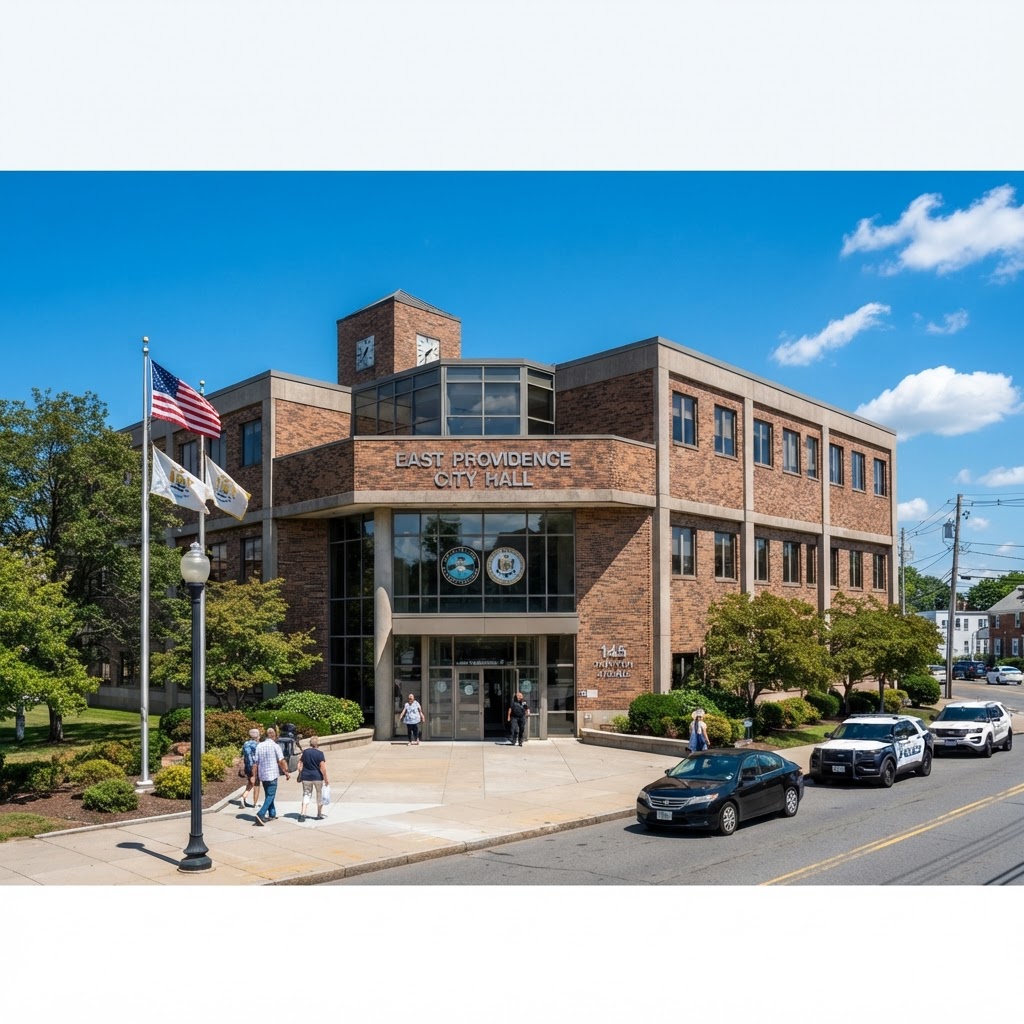
Economy
East Providence Taxpayers Hit With 3.5% Property Tax Hike
East Providence residents face a 3.5% property tax increase following the approval of a $209.9 million budget by the City Council and Mayor Bob DaSilva.
WorthFighting.org News · 5 min read
Related Resources
Related Articles
8 itemsSame category: Economy
Same category: Economy
Same category: Economy
What People Are Reading
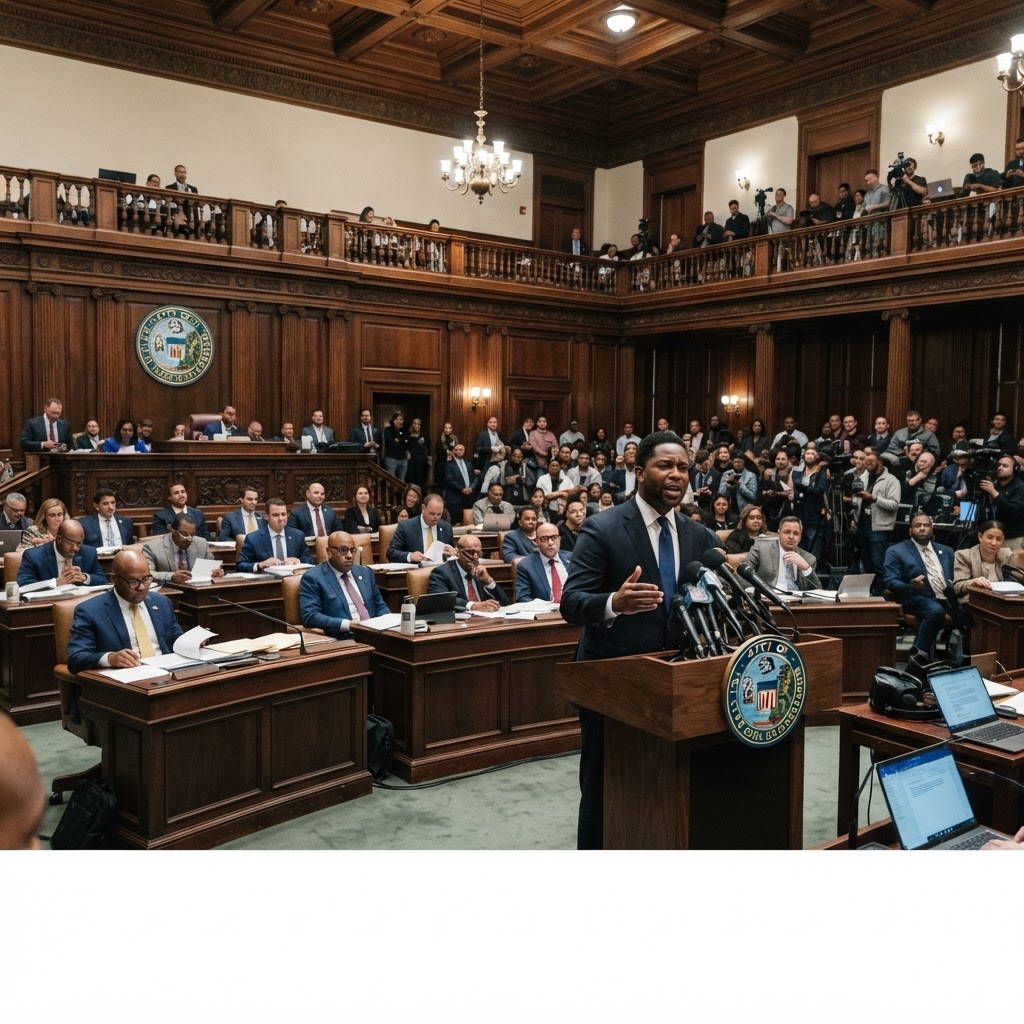
Chicago Aldermen Clash Over Mayor Johnson’s Budget Cuts
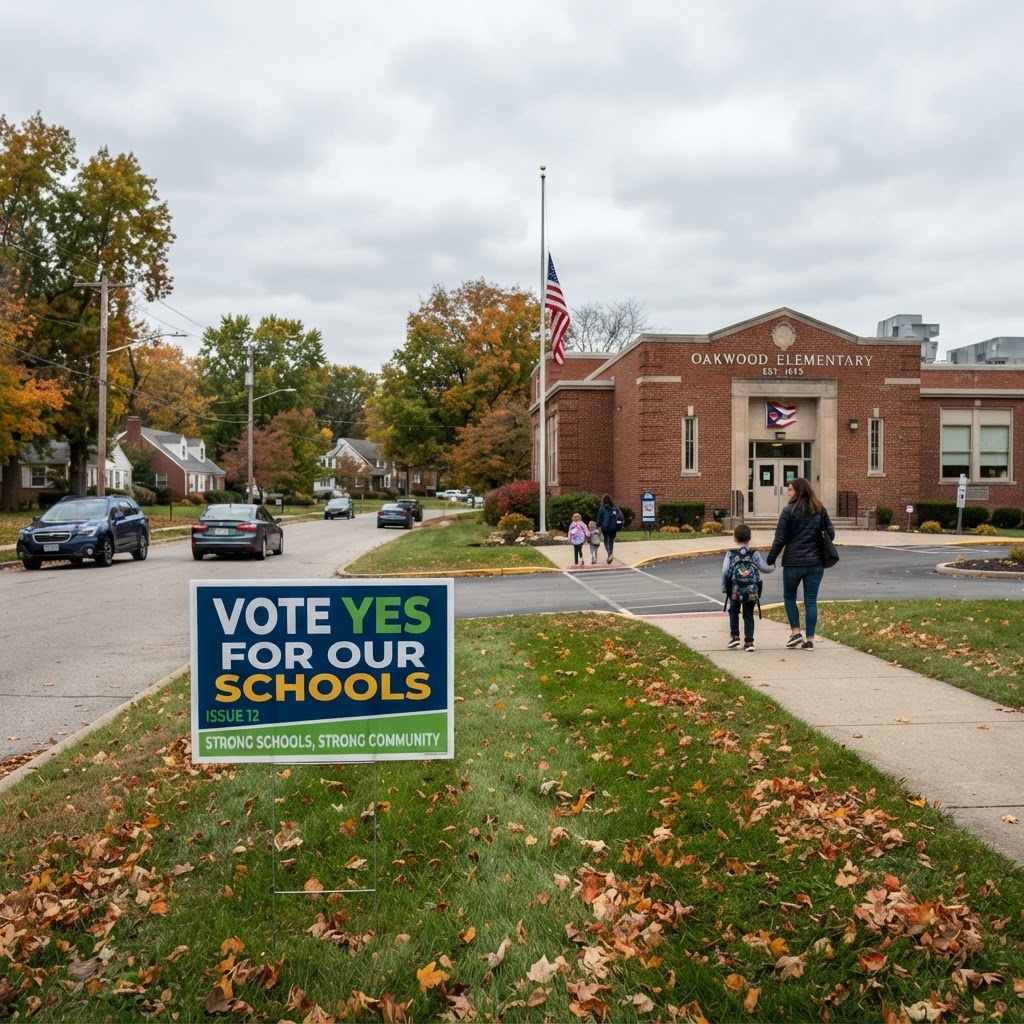
Ohio School Districts Face Financial Crisis at the Ballot
Iowa City School Board Approves $7.5M in Budget Cuts
Iowa Leads Nation with Historic Property Tax Reform
Camden Schools Slashing Nearly 300 Jobs to Plug Deficit
Take Action
This country is worth fighting for. Get involved today.