The Cost of Bidenomics: Retailers Forced to Slash Prices as Inflation-Stricken Families Pull Back
Major retailers are announcing Target price cuts inflation relief as the crushing weight of Bidenomics forces American families to stop spending.
Garrett Sterling
Senior Economic Correspondent

Wikimedia Commons / CC BY 2.0
Key Takeaways
- 1.Target is slashing prices on 5,000 essential items including milk, bread, and diapers following its first annual revenue decline in seven years.
- 2.Major retailers like Aldi and IKEA are joining the trend as consumer discretionary spending stalls due to prices being 20-30% higher than three years ago.
- 3.Despite White House claims of a strong economy, CPI remains sticky at 3.4%, significantly above the Federal Reserve's 2% target.
- 4.The retail price cuts are seen as a defensive move to win back 'inflation-wary' shoppers who have shifted to generic brands.
For three years, the Biden administration has looked the American public in the eye and told them the economy is 'booming.' They have brandished curated spreadsheets and celebrated 'job growth' that largely consists of part-time positions and government-funded bloat. But the average family shopping at the local big-box store knows a different truth. They feel it in the pit of their stomach every time they swipe a credit card that is already nearing its limit. Now, the private sector is finally admitting what the White House won't: the American consumer is tapped out.
In a move that signals a massive shift in the retail landscape, Target announced it will slash prices on roughly 5,000 frequently shopped items throughout the summer. From milk and bread to diapers and paper towels, the retail giant is desperate to lure back customers who have been battered by three years of relentless price hikes. While the media may spin this as a 'summer sale,' the reality is much bleaker. This is a defensive maneuver born of necessity. Target reported its first annual revenue decline in seven years, with comparable sales falling 3.7% in the latest quarter. When the middle class stops buying diapers and bread at Target, the 'Bidenomics' narrative hasn't just failed—it has imploded.
The Retail Retreat: A Symptom of Systematic Failure
Target isn't the only one feeling the squeeze. The exodus of the middle-class shopper has sent shockwaves through the entire industry. Other major retailers like Aldi and IKEA have also announced major price cuts to attract 'inflation-wary' shoppers who are increasingly choosing generic brands or simply doing without. This isn't 'corporate greed' suddenly turning into 'corporate charity.' It is the cold, hard reality of a retail sales slump triggered by a cost of living crisis that has no end in sight.
The facts: Consumer discretionary spending has stalled completely. For many families, the 'staples' that make life livable—eggs, meat, and household cleaners—remain 20% to 30% higher than they were just three years ago. While the administration celebrates a year-over-year CPI that has 'cooled' to 3.4%, that figure is still nearly double the Federal Reserve's 2% target. More importantly, it is cumulative. A 3.4% increase on top of the massive spikes of 2022 and 2023 is not a reprieve; it is a compounding disaster.
We are seeing a clear bifurcation in the American economy. While the laptop class and the DC elites continue to spend, the heart of the country is being forced into a survivalist mindset. When people stop buying name-brand goods and wait for Target price cuts inflation adjustments just to afford the basics, the economic foundation of the country is at risk. This matches the broader trend of fiscal irresponsibility we see in Washington, where national debt shatters $35 trillion records while the working man struggles to buy a gallon of milk.
Bidenomics vs. The Kitchen Table
The conservative case against the current administration's fiscal policy is simple: you cannot spend trillions of dollars you don't have without devaluing the currency in the pockets of your citizens. The administration’s insistence on green energy mandates and massive social spending has acted as a hidden tax on every American.
Consider the energy sector. The high cost of diesel and gasoline is baked into the price of every item on a Target shelf. When the administration makes moves like emptying the Northeast Gasoline Reserve for an election-year PR gimmick, they aren't solving the underlying supply issues; they are putting a Band-Aid on a bullet wound. The high cost of transport and manufacturing under this administration’s regulatory regime is exactly what has driven prices up 30% since 2021.
The 'Sticky' Inflation Trap
Economists use the term 'sticky' to describe inflation that refuses to go away, but for the American family, it feels more like a trap. The latest data shows that despite the highest interest rates in decades, inflation is not receding to pre-Biden levels. This puts the Federal Reserve in an impossible position: keep rates high and risk a total collapse of the housing market and small businesses, or cut rates and watch inflation spiral even further out of control.
Retailers like Target, Aldi, and IKEA are seeing the writing on the wall. They know that if they don't lower prices now, they will lose a generation of loyal customers to the discount bins. The American consumer has reached a breaking point. Household debt is at record highs, and the personal savings rate has plummeted as families dip into their 401(k)s just to keep the lights on.
Restoring the American Standard of Living
The pivot by major retailers is a clear admission that the 'Bidenomics' era of unchecked spending and high-cost living is unsustainable. The solution isn't more government 'inflation reduction' acts that actually increase spending; it is a return to America First principles that prioritize domestic energy production, deregulation, and fiscal sanity.
Target's price cuts are a welcome relief for the families who will benefit this summer, but a few cents off a loaf of bread is not a structural fix for a broken economy. Until we address the root causes—the reckless money printing and the war on American industry—the middle class will continue to see their purchasing power evaporate.
The American family deserves an economy where they don't have to wait for a corporate 'rescue' to afford diapers. They deserve an economy built on the strength of the American worker, not the whims of a Washington bureaucracy that is more concerned with 'woke' ESG scores than the price of eggs. The 2026 midterms and the looming 2028 cycle will undoubtedly be a referendum on this very issue: can we afford four more years of a government that makes life more expensive every single day?
Comments (0)
Be the first to comment.
Sources
- 1.Target Corporate CommunicationsCorporate Press ReleaseAccessed Jul 20, 2026
- 2.Bureau of Labor StatisticsGovernment DataAccessed Jul 20, 2026
- 3.Reuters Business NewsNews OutletAccessed Jul 20, 2026
Related Stories

Economy
Cheyenne Data Center Project Shifts to Google Ownership
A massive $17 billion data center project near Cheyenne has officially transitioned to Google, marking a significant shift in Wyoming's industrial landscape.
WorthFighting.org News · 6 min read
Economy
Iowa Leads Nation with Historic Property Tax Reform
Governor Kim Reynolds has signed landmark legislation providing $4.2 billion in property tax relief, marking the largest reduction of its kind in the nation.
WorthFighting.org News · 6 min read
Economy
Nebraska Property Tax Relief Tops $3B as Budget Strain Grows
Property tax relief programs now consume roughly 47% of Nebraska's state budget, sparking sharp debate among lawmakers over fiscal discipline and local control.
WorthFighting.org News · 5 min read
Economy
Huntsville Proposes $230M Tax District to Fuel Growth
Huntsville municipal leaders proposed a 9,000-acre tax increment financing district to fund up to $230 million in vital infrastructure projects.
WorthFighting.org News · 5 min read
Economy
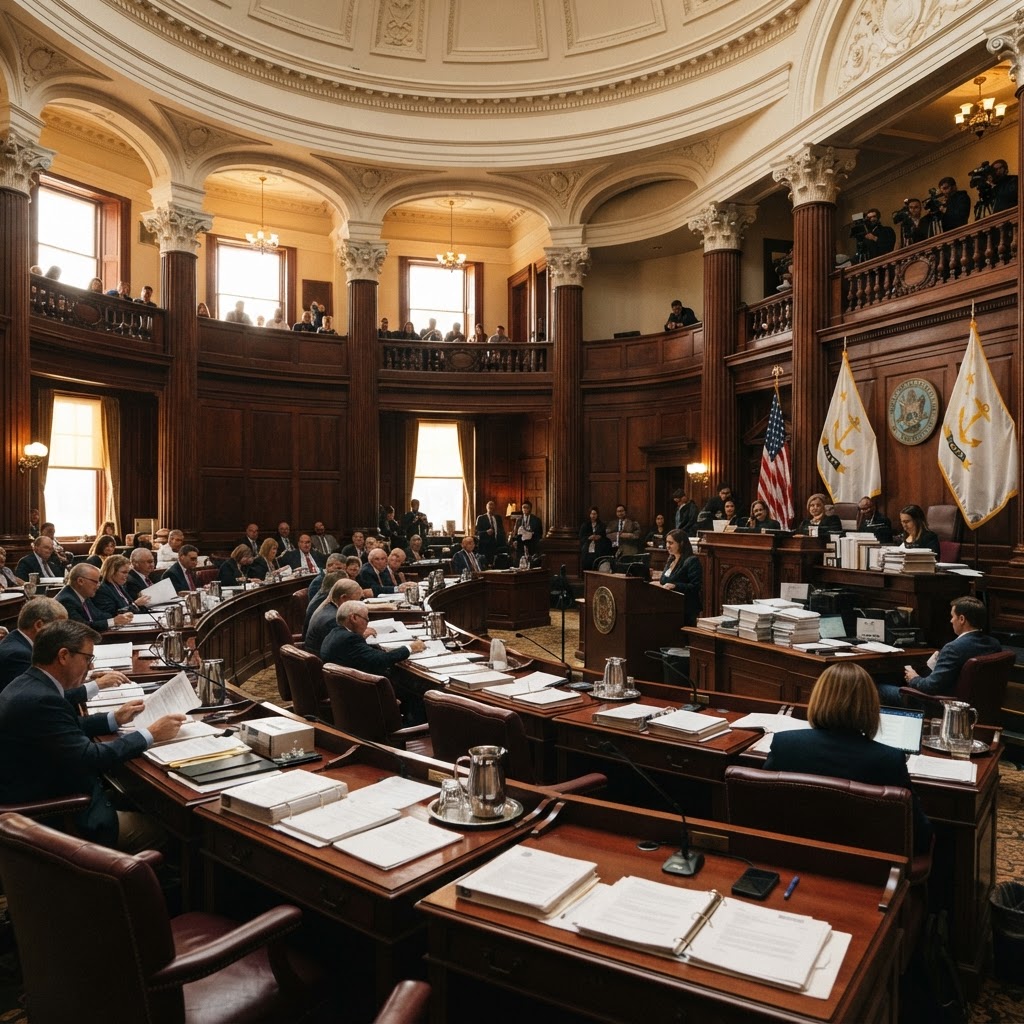
RI Senate Committee Advances $15.2B Budget Plan
The Rhode Island Senate Finance Committee passed a $15.2B state budget targeting school aid, local control, and creating a state inspector general.
WorthFighting.org News · 5 min read
Economy
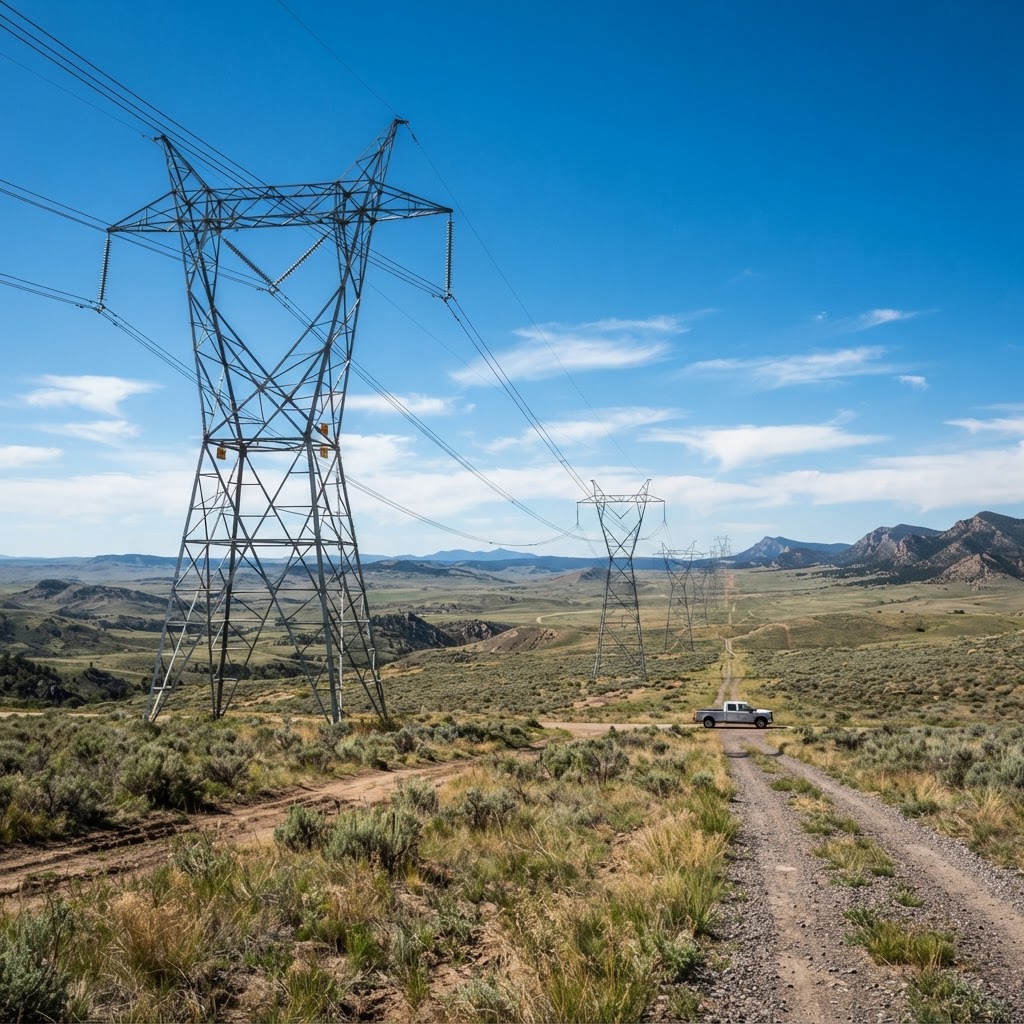
Wyoming Energy Authority Launches Power Grid Study
Wyoming selects Energy Strategies to run a major statewide transmission study to secure grid reliability, map power infrastructure, and spur economic growth.
WorthFighting.org News · 5 min read
More from Economy
Economy
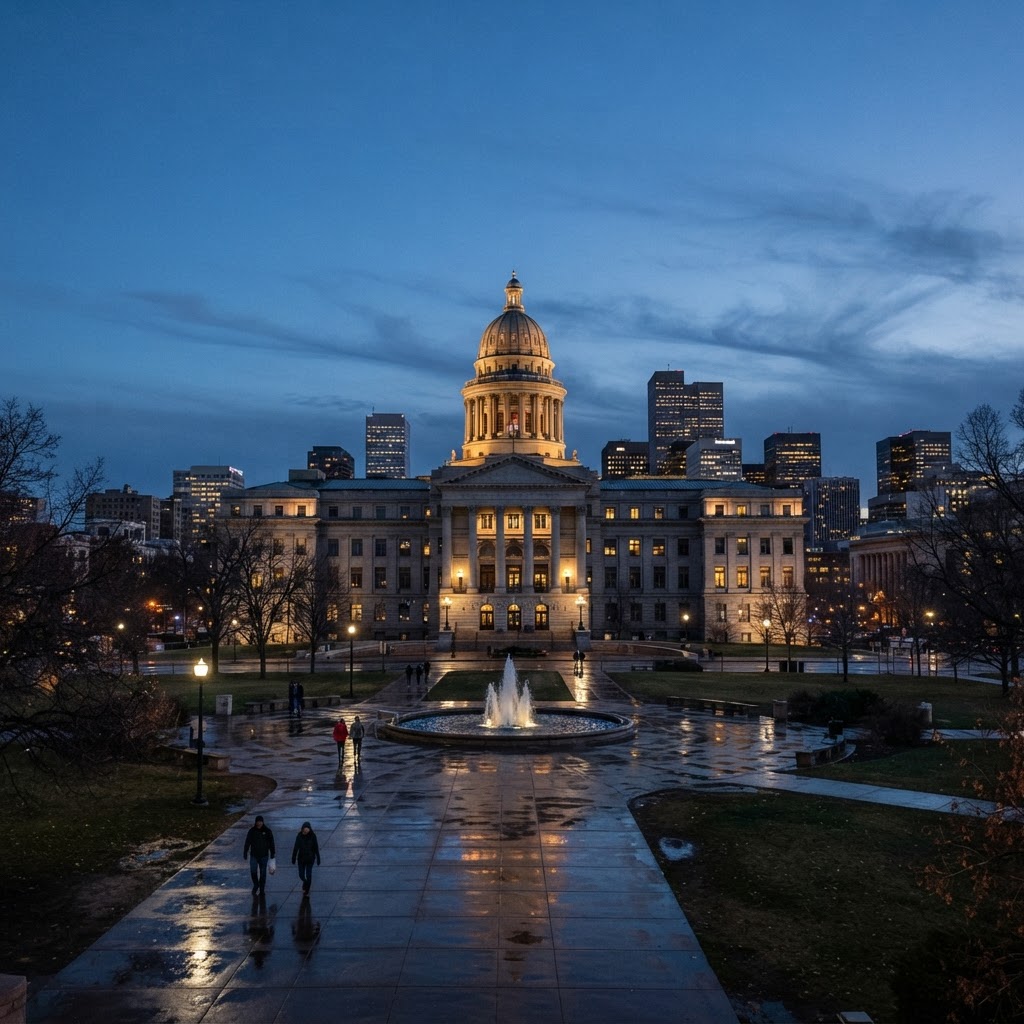
Denver Budget Crisis Deepens as City Faces $200M Gap
Denver faces a massive $200 million budget shortfall for 2026, forcing the city to consider layoffs and furloughs after years of rapid government expansion.
WorthFighting.org News · 6 min read

Economy
ND Towns Turn to Sales Taxes After Property Tax Cap
Over a dozen North Dakota cities and counties propose sales tax increases this June as local officials navigate state-mandated property tax revenue caps.
WorthFighting.org News · 5 min read
Economy
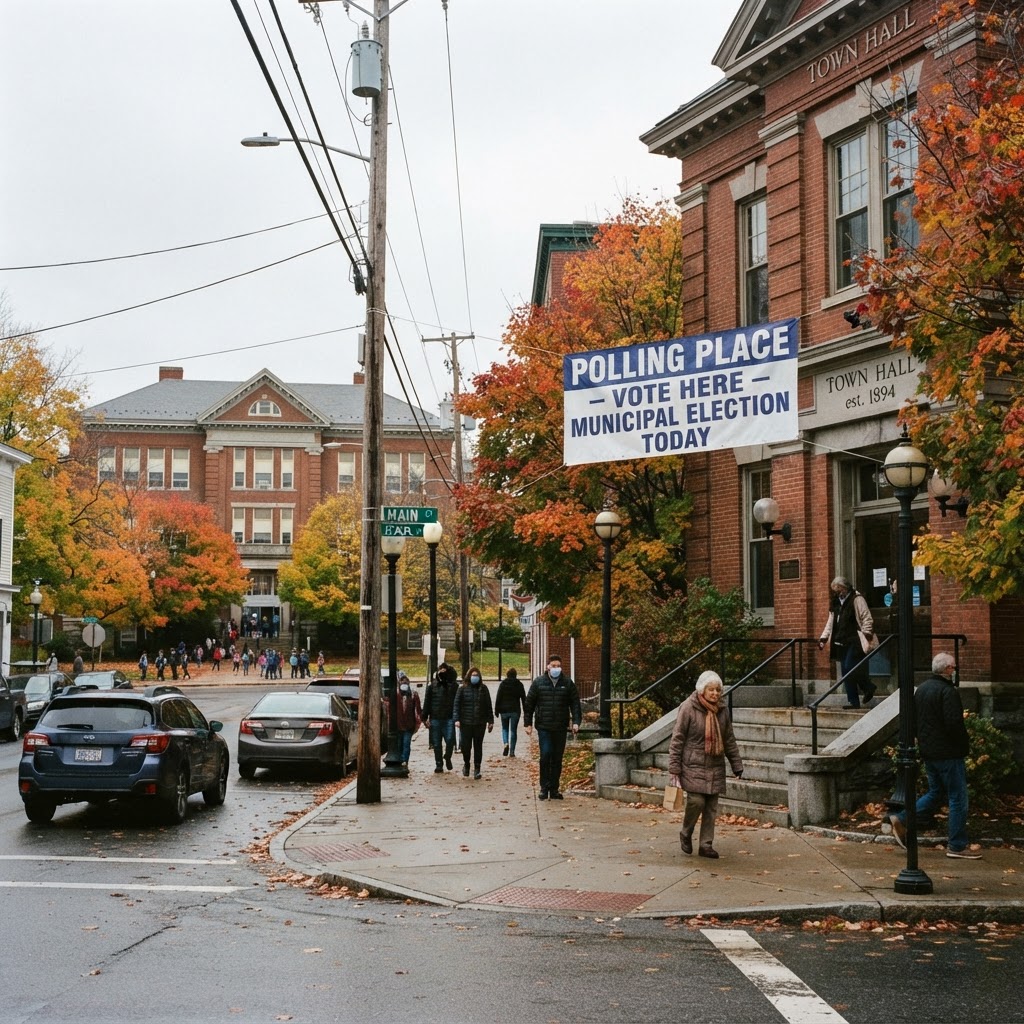
Vermont Tax Revolt Leaves Barre Schools Without Budget
Barre voters prepare for a high-stakes third school budget vote as taxpayers push back against relentless property tax hikes across Vermont.
WorthFighting.org News · 6 min read
What People Are Reading
GOP Bill Aims To Bring Back Common Sense To Election Day And Mail-In Ballots

District Court: Injunction on Federal Vaccine Mandate for Federal Employees
Platner campaign putting 'thumb on scale' to influence possible replacement, Maine Dem alleges

Florida Dismantles $500K Organized Retail Theft Ring
The Rolling Stones Guitarist Keith Richards Trashes America as 'Bit of a Disappointment at the Moment'
Take Action
This country is worth fighting for. Get involved today.