
Nebraska Property Tax Relief Tops $3B as Budget Strain Grows
Property tax relief programs now consume roughly 47% of Nebraska's state budget, sparking sharp debate among lawmakers over fiscal discipline and local control.
WorthFighting.org News
Staff Writer
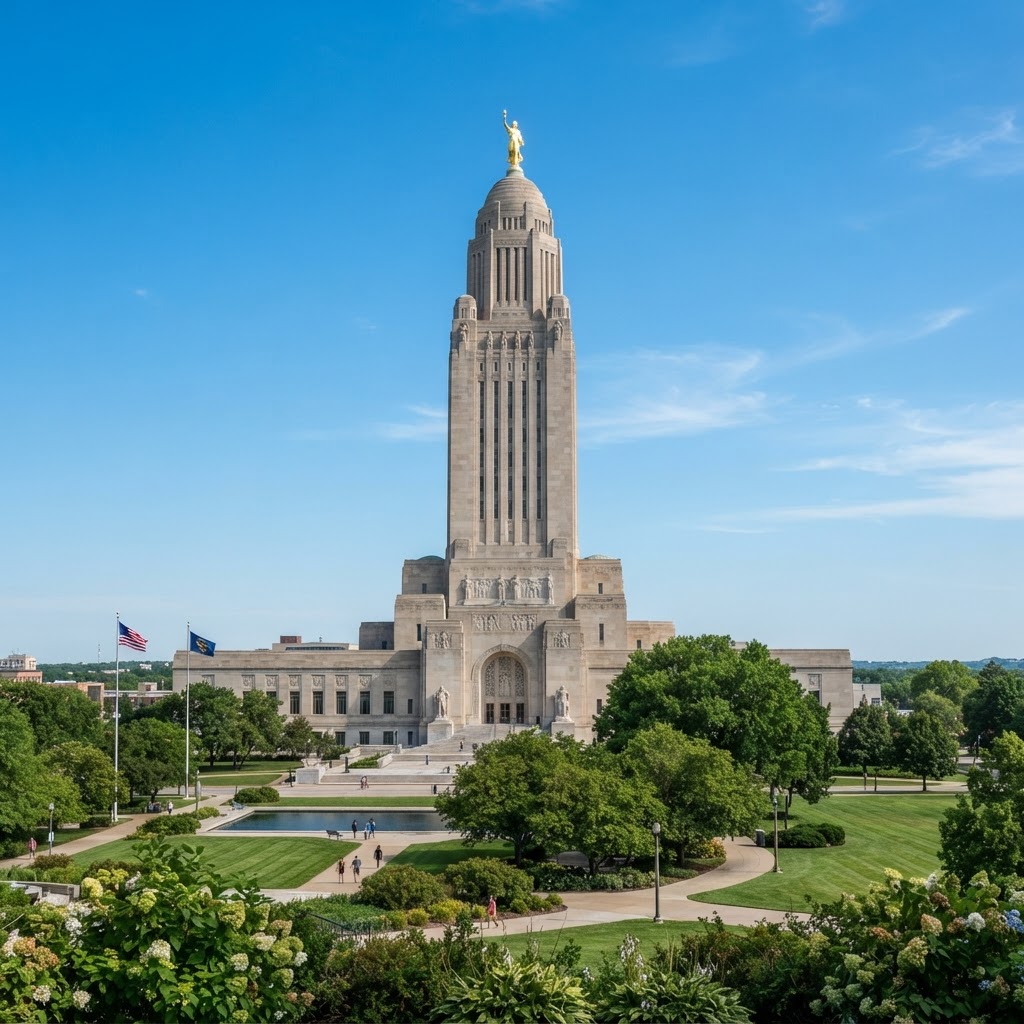
LINCOLN, Neb. — Property tax relief has become the dominant financial commitment in Nebraska, now consuming nearly half of the Cornhusker State’s entire budget as conservative lawmakers redouble efforts to rein in government excess.
According to data from the Legislative Fiscal Office, direct and indirect property tax relief measures—ranging from individual property tax credits to major school equalization aid—now represent more than $3 billion annually. That massive sum comprises roughly 47% of Nebraska’s overall state budget, which currently stands at over $7 billion, highlighting how central tax cuts have become to state governance.
The figures illustrate a profound shift in state fiscal policy. Nebraska is now dedicating more dollars to easing local tax burdens than it collects in net sales and use tax receipts, one of the state's primary funding sources that generated over $2.8 billion in revenue.
Cutting Bureaucracy to Protect Homeowners
For Nebraska homeowners, farmers, and family enterprises, crushing property assessments have driven an ongoing affordability crunch. Gov. Jim Pillen and legislative leaders have made reducing the tax footprint their foremost domestic priority, aiming to keep rural agriculture competitive and protect seniors on fixed incomes.
Conservative champions in the Unicameral argue that returning state revenue to ordinary citizens is essential to maintaining economic dynamism, aligning closely with WorthFighting Economy principles. Rather than permitting state bureaucracies to swell during revenue surpluses, lawmakers restructured spending to provide meaningful rebates directly to property holders.
State Sen. Robert Clements underscored that lowering operational state overhead remains key to sustainable relief. "When you shrink the amount the government spends on itself, you free up money to be able to give back to the taxpayers," Clements noted. "It’s logical to cut the government spending so that it doesn’t need to take up as many tax dollars."
A notable portion of the spending surge stems from the Legislature’s move to eliminate local community college property tax levies, shifting those operational expenses directly into state coffers through the Community College Future Fund. Together with related programs, dedicated relief funds now account for more than $1.4 billion in direct tax credits.
Additionally, the Tax Equity and Educational Opportunities Support Act (TEEOSA), designed to fund local classrooms while shielding property owners from runaway school mill rates, delivers over $1 billion annually, functioning as the single largest allocation of state aid to local jurisdictions.
Local Needs and the Spending Cap Debate
While state lawmakers push for tighter restrictions on local spending, county leaders and municipal administrators across Nebraska caution that basic public services cannot be starved. In rural regions, county budgets are heavily reliant on local levies to sustain county sheriff deputies, bridge repairs, and emergency dispatch centers.
Jon Cannon of the Nebraska Association of County Officials emphasized that any permanent solution must account for constitutional and core local obligations. "For counties, it's roads, bridges, law enforcement, jails, courts and elections, and then all the infrastructure that supports it," Cannon observed during ongoing policy deliberations.
County administrators warn that arbitrary caps without regulatory relief could inadvertently hinder law enforcement readiness and emergency infrastructure in sprawling agricultural counties. However, fiscal hawks in the legislature insist that local school boards and county commissioners must practice the same belt-tightening that Nebraska households endure daily.
The Path Ahead in Lincoln
With grassroots petitions pushing for constitutional amendments to slash property assessments and the Unicameral continually evaluating statutory caps, Nebraska sits at the epicenter of America's tax revolt. Lawmakers are tasked with preserving balanced state budgets while preventing rural Nebraskans from being taxed off their generational farmsteads.
As conservative leaders prepare for future legislative sessions, the mandate remains unambiguous: trim bloated administrative overhead, rein in spending growth, and deliver permanent relief that keeps working Americans in their homes.
Why This Matters
Skyrocketing property taxes represent an existential threat to middle-class homeownership, family farms, and Main Street entrepreneurs across the Midwest. By forcing state government to absorb local tax burdens and shrink operational budgets, Nebraska offers a vital case study in fighting back against institutional bloat while safeguarding the fundamental right to own private property without excessive government interference. Readers tracking conservative policy victories can explore more at our America First coverage.
Comments (0)
Be the first to comment.
Related Stories
Economy
Nebraska Property Tax Reform Remains Top Priority for Voters
As Nebraska voters head toward the 2026 election, property tax relief remains a central issue. Legislative efforts continue to address the state's tax burden.
WorthFighting.org News · 6 min read

Economy
Florida Homeowners Remain Skeptical of Insurance Reforms
Despite state claims of a stabilizing insurance market, a new survey reveals that many Florida homeowners continue to struggle with high premiums and coverage
WorthFighting.org News · 6 min read
Economy
Denver Budget Standoff: Mayor Rejects Key Council Requests
Denver Mayor Mike Johnston has rejected major City Council budget requests, leaving critical public safety and infrastructure funding in a state of uncertainty.
WorthFighting.org News · 6 min read

Economy
Portland Budget Proposal Sparks Outrage Over Tax Hikes
Portland officials have unveiled a $363.9 million budget for 2027 that includes property tax increases and job cuts, leaving residents struggling with costs.
WorthFighting.org News · 6 min read
Economy
South Dakota Residents Push Back Against Energy Rate Hikes
South Dakota customers are organizing against a proposed 8.2% rate increase from MidAmerican Energy, citing concerns over rising costs for families and
WorthFighting.org News · 5 min read

Economy
East Providence Taxpayers Hit With 3.5% Property Tax Hike
East Providence residents face a 3.5% property tax increase following the approval of a $209.9 million budget by the City Council and Mayor Bob DaSilva.
WorthFighting.org News · 5 min read
What People Are Reading
East Providence Taxpayers Hit With 3.5% Property Tax Hike
Florida Homeowners Remain Skeptical of Insurance Reforms
Chicago Aldermen Clash Over Mayor Johnson’s Budget Cuts
Alabama Supreme Court Weighs Absentee Ballot Law
Wyoming Energy Authority Launches Power Grid Study
Take Action
This country is worth fighting for. Get involved today.