
Iowa Leads Nation with Historic Property Tax Reform
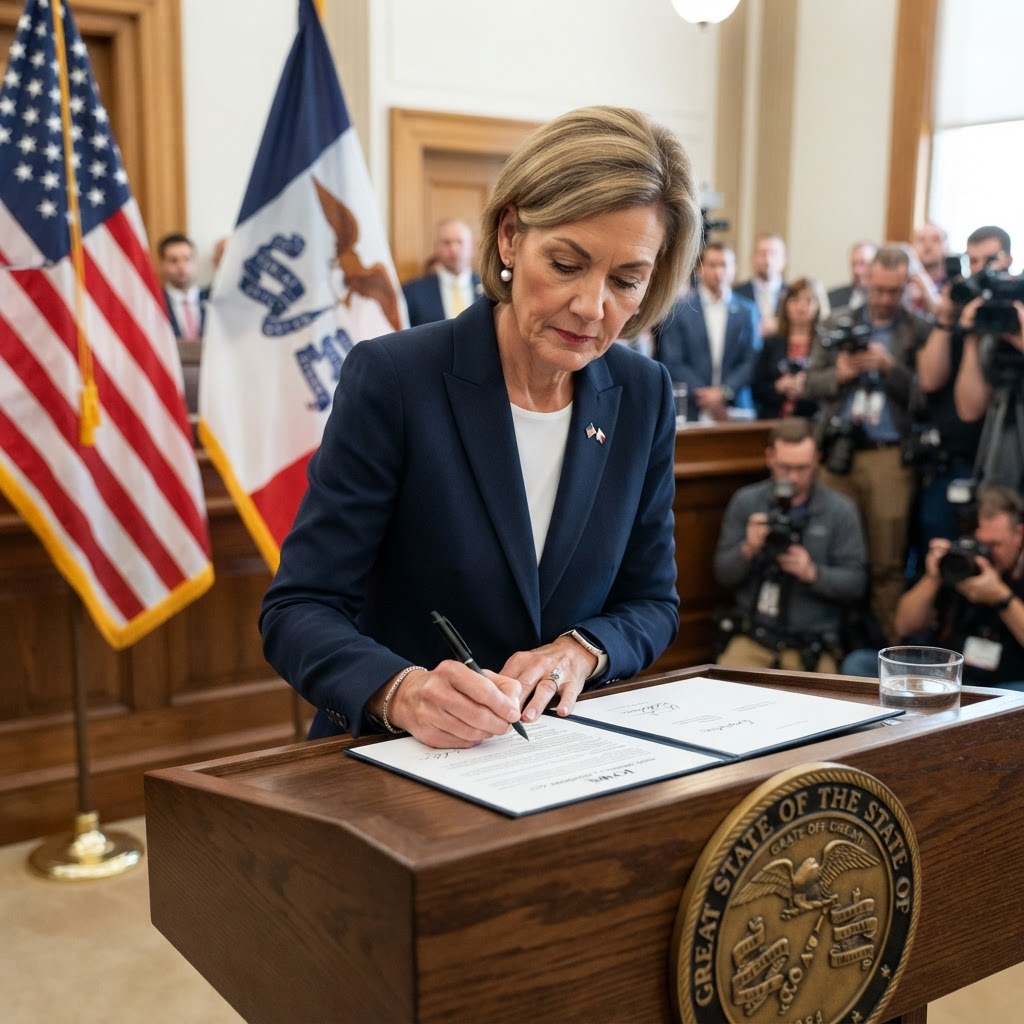
Governor Kim Reynolds has signed landmark legislation providing $4.2 billion in property tax relief, marking the largest reduction of its kind in the nation.
WorthFighting.org News
Staff Writer
A New Era for Iowa Taxpayers
In a decisive move to restore fiscal sanity, Iowa has officially set a new national standard for tax relief. Governor Kim Reynolds signed SF 2472 into law this week, a sweeping legislative package that promises to save Iowa homeowners $4.2 billion over the next six years. The move comes after months of intense negotiations during the 2026 legislative session, where property tax reform emerged as the defining issue for the state.
For too long, Iowans have watched their property tax bills climb at rates far exceeding their personal income growth. Governor Reynolds noted that property taxes had risen more than 10% over the last two years alone, a trend she labeled as both unacceptable and unsustainable. By signing this bill, the state is taking a firm stand against the unchecked growth of local government spending.
Curbing Local Government Spending
At the heart of the new law is a strict 2% cap on annual property tax revenue growth for local governments. This measure is designed to force local officials to prioritize essential services rather than relying on automatic tax hikes to fund expanding budgets. By introducing this cap, the state is bringing much-needed discipline to a process that has historically lacked accountability.
This shift is particularly significant for cities like Des Moines, where local leaders are now forced to adjust their long-term budget planning to align with the new state-mandated revenue limits. While some local officials have expressed concerns regarding potential budget shortfalls, the administration maintains that the reform is a necessary correction to protect the financial well-being of Iowa families.
Direct Relief for Homeowners
Beyond the structural changes to government spending, the legislation provides immediate, tangible relief to residents. The state is replacing the existing homestead tax credit with a 10% homestead property tax exemption, which can reach up to $20,000 and will be adjusted for inflation moving forward. This change ensures that the tax burden on primary residences remains manageable even as property values fluctuate.
Furthermore, the law introduces new restrictions on tax increment financing (TIF) districts, which have often been criticized for diverting funds away from general tax pools. The package also includes the creation of 'First Home Iowa' tax-deductible savings accounts, aimed at helping the next generation of Iowans achieve the dream of homeownership without being crushed by the initial tax burden.
A National Benchmark
The impact of this legislation has already garnered national attention. A recent report from the Common Sense Institute ranked Iowa’s 2026 property tax reform as the number one initiative in the country for reducing the tax burden through a single piece of legislation over the last decade. This recognition highlights the effectiveness of the Republican-led effort to prioritize the taxpayer over the bureaucracy.
As states across the Midwest grapple with similar economic pressures, Iowa’s approach serves as a blueprint for those seeking to implement America First policies that prioritize individual prosperity. By limiting the reach of local government and putting money back into the pockets of citizens, Iowa is fostering an environment where families and small businesses can thrive.
Why This Matters
This legislation is a critical win for the taxpayers of Iowa, proving that government can be reined in when there is the political will to do so. By capping revenue growth and providing significant exemptions, the state is protecting the most vulnerable homeowners from being taxed out of their own properties. This reform is not just about numbers; it is about ensuring that the cost of living remains affordable for the hardworking people who call Iowa home. For more updates on how state policies are impacting your wallet, visit our Economy section.
Comments (0)
Be the first to comment.
Related Stories
Economy
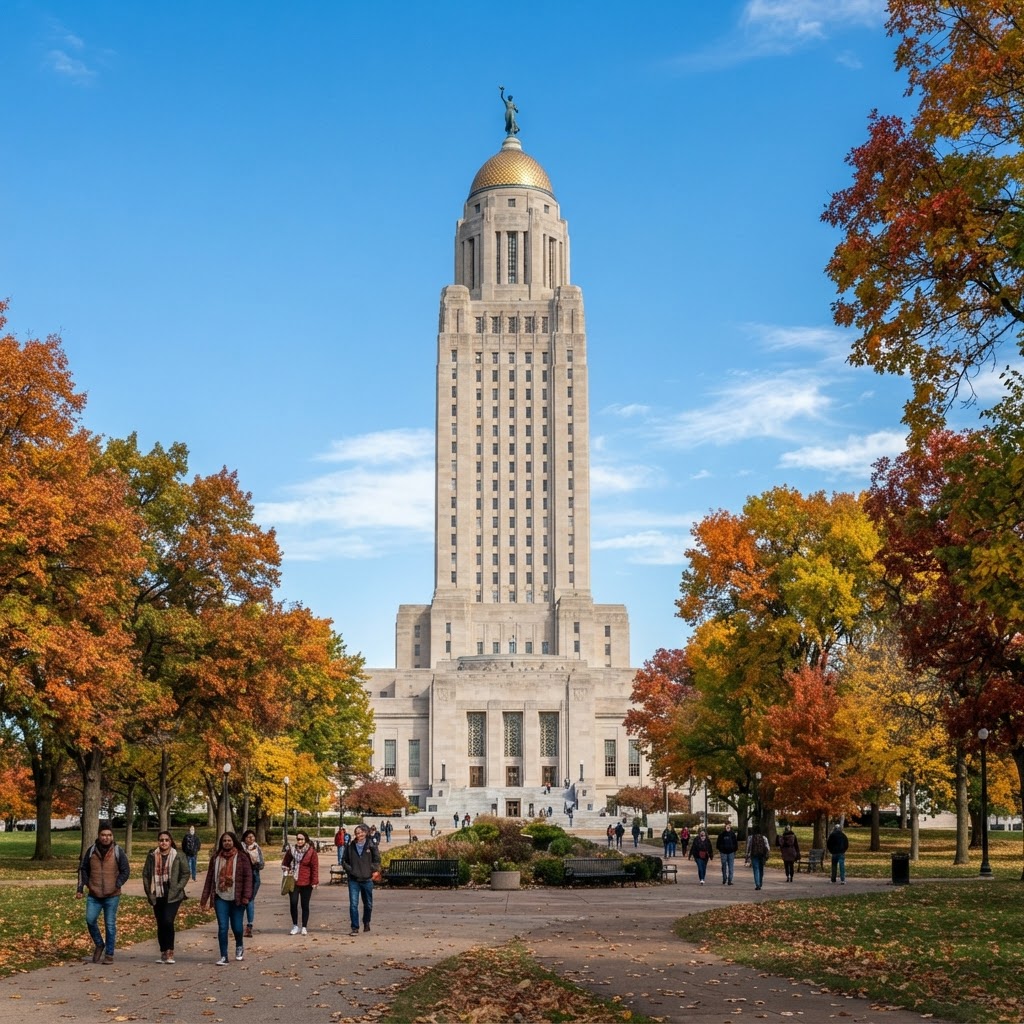
Nebraska Property Tax Reform Remains Top Priority for Voters
As Nebraska voters head toward the 2026 election, property tax relief remains a central issue. Legislative efforts continue to address the state's tax burden.
WorthFighting.org News · 6 min read
Economy
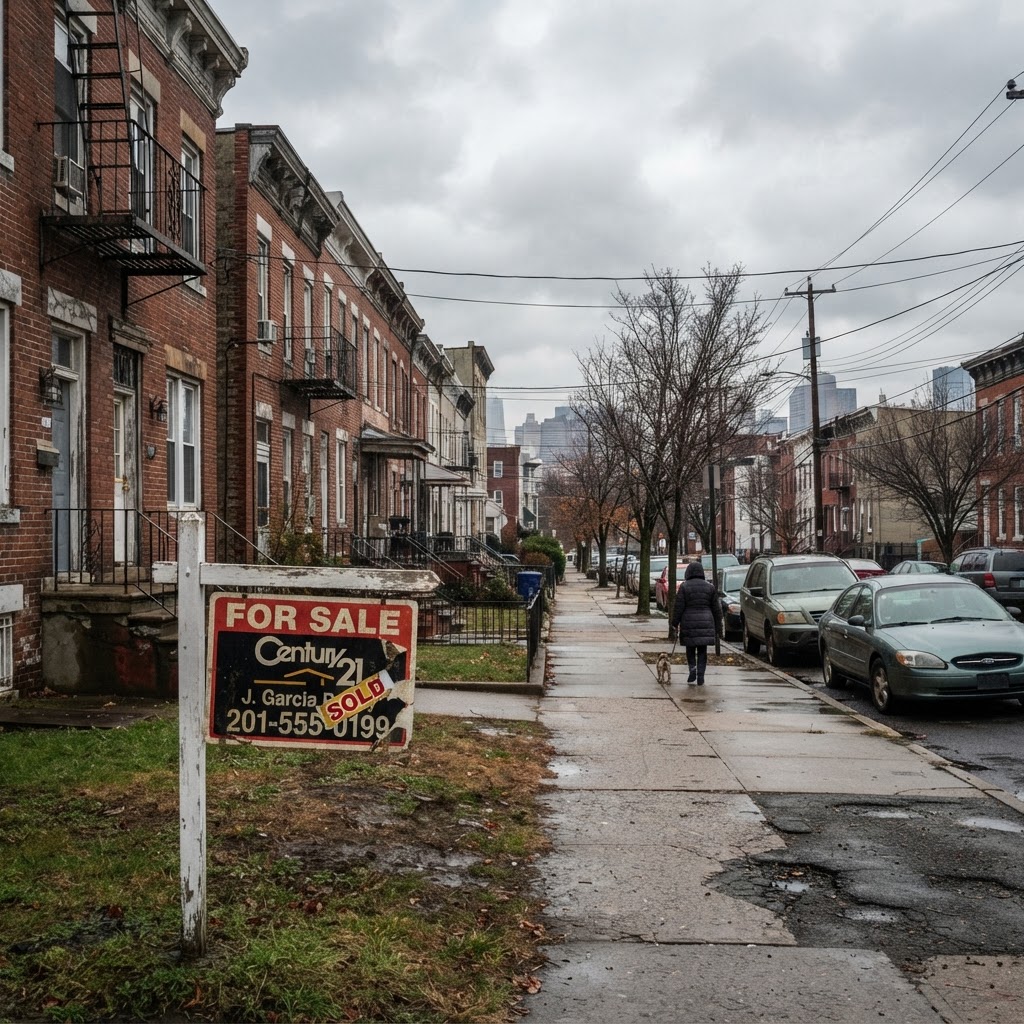
Jersey City Hits Residents With 15% Property Tax Hike
Jersey City officials have officially approved a 15.15% property tax increase, capping off a contentious budget battle amid a massive municipal financial
WorthFighting.org News · 6 min read
Economy
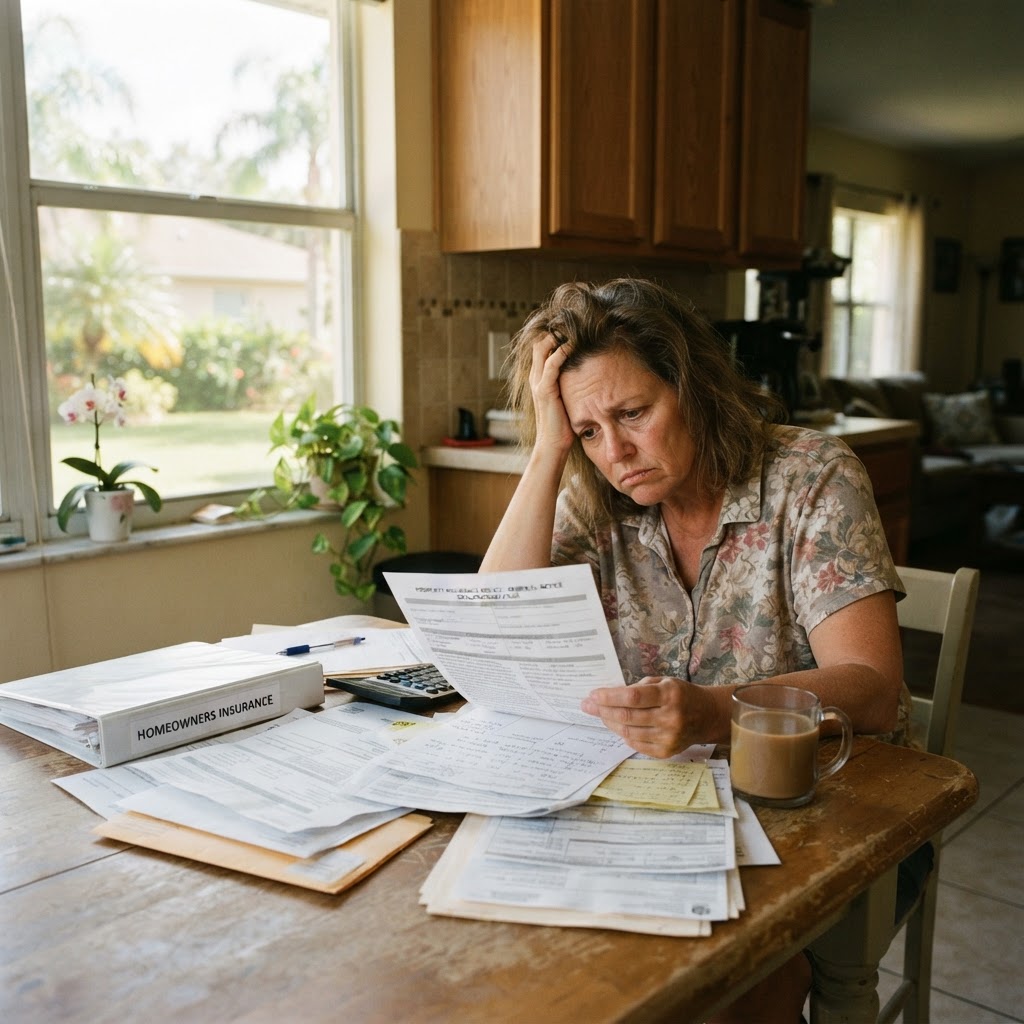
Florida Homeowners Remain Skeptical of Insurance Reforms
Despite state claims of a stabilizing insurance market, a new survey reveals that many Florida homeowners continue to struggle with high premiums and coverage
WorthFighting.org News · 6 min read
Economy
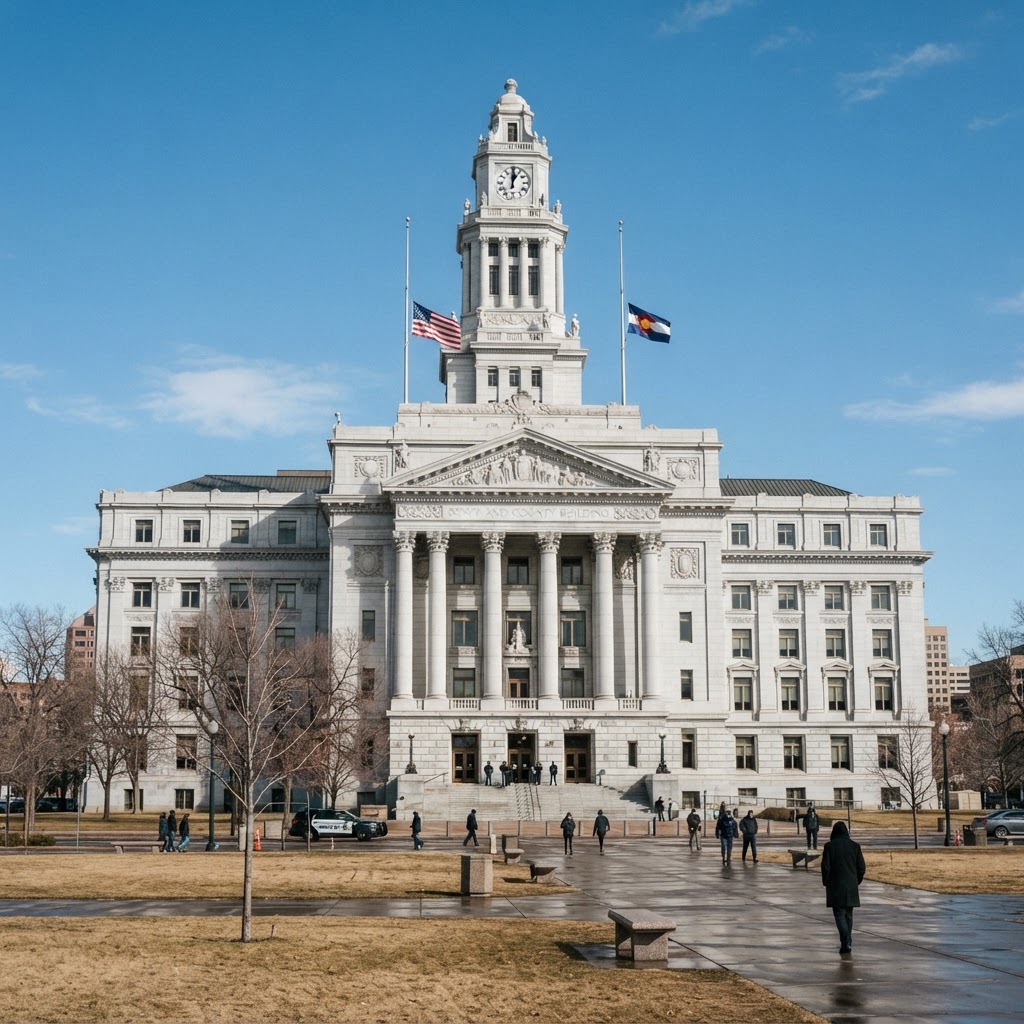
Denver Budget Standoff: Mayor Rejects Key Council Requests
Denver Mayor Mike Johnston has rejected major City Council budget requests, leaving critical public safety and infrastructure funding in a state of uncertainty.
WorthFighting.org News · 6 min read
Economy
Portland Budget Proposal Sparks Outrage Over Tax Hikes
Portland officials have unveiled a $363.9 million budget for 2027 that includes property tax increases and job cuts, leaving residents struggling with costs.
WorthFighting.org News · 6 min read
Economy
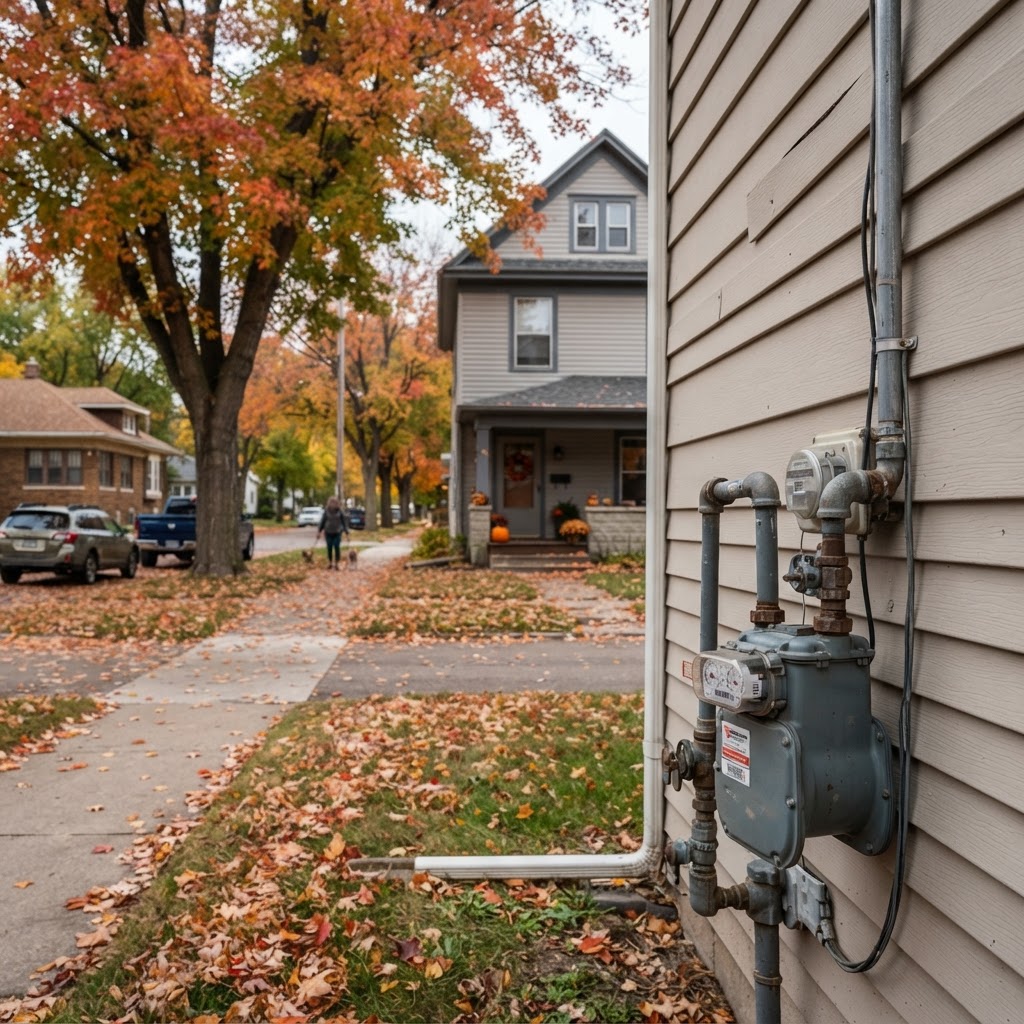
South Dakota Residents Push Back Against Energy Rate Hikes
South Dakota customers are organizing against a proposed 8.2% rate increase from MidAmerican Energy, citing concerns over rising costs for families and
WorthFighting.org News · 5 min read
What People Are Reading
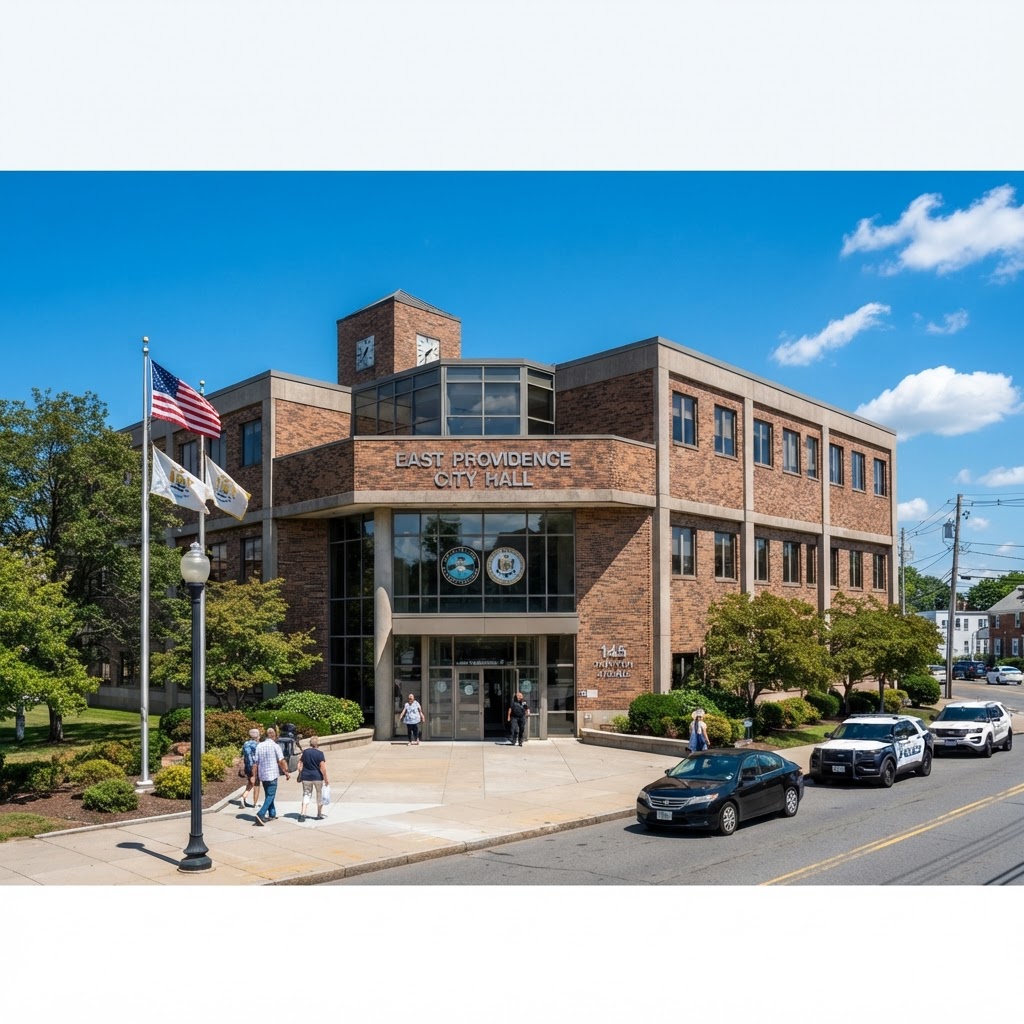
East Providence Taxpayers Hit With 3.5% Property Tax Hike
Florida Homeowners Remain Skeptical of Insurance Reforms
Chicago Aldermen Clash Over Mayor Johnson’s Budget Cuts

Alabama Supreme Court Weighs Absentee Ballot Law
Wyoming Energy Authority Launches Power Grid Study
Take Action
This country is worth fighting for. Get involved today.