
Denver Budget Crisis Deepens as City Faces $200M Gap
Denver faces a massive $200 million budget shortfall for 2026, forcing the city to consider layoffs and furloughs after years of rapid government expansion.
WorthFighting.org News
Staff Writer
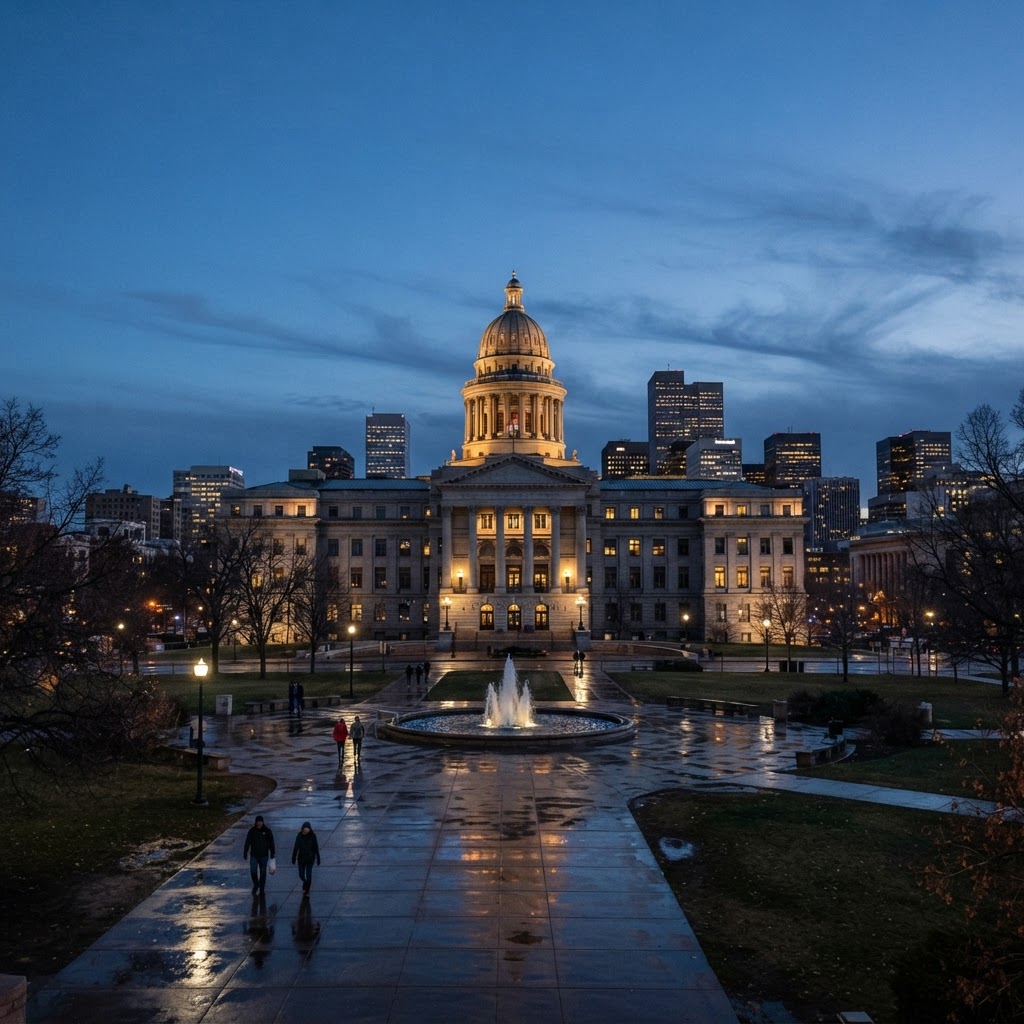
A City at a Fiscal Crossroads
The City and County of Denver is currently navigating a severe financial crisis that threatens to reshape the landscape of local government. With an estimated $200 million budget gap looming for 2026 and a $50 million shortfall to address for the remainder of 2025, Mayor Mike Johnston’s administration is being forced to confront the reality of a decade-long expansion that has outpaced the city's current revenue streams.
For years, Denver operated under a model of growth, adding roughly 4,000 employees and expanding the scope of city services. However, the post-pandemic economic environment has proven unforgiving. Downtown Denver, once the engine of the city’s tax base, has seen its contribution to property and sales tax revenues drop significantly, falling from 13 percent to approximately 8 percent. As office spaces remain underutilized and foot traffic struggles to return to pre-2020 levels, the city’s reliance on sales tax has left it vulnerable to shifting consumer habits.
The Cost of Policy Choices
While the administration points to a variety of factors, critics argue that the current crisis was not inevitable. A significant portion of the city's financial pressure has been attributed to the ongoing migrant crisis. Between 2022 and 2024, the city spent approximately $95 million on sheltering and services for new arrivals. While the city has sought federal reimbursement, it remains locked in a legal battle over those funds, leaving local taxpayers to shoulder the burden.
Furthermore, the city’s aggressive approach to homelessness—a cornerstone of Mayor Johnston’s platform—continues to require substantial funding. The initiative, which includes operating shelters in large hotels, costs roughly $57 million annually. While the Mayor has signaled that this program may see some reductions, he maintains that it remains a top priority, framing it as an investment in the city’s long-term economic health.
Hard Choices Ahead
As officials draft the 2026 budget, the prospect of layoffs and furloughs has become a central topic of discussion. The administration is currently evaluating which programs can be reduced or eliminated to close the massive funding gap. This comes at a time when city agencies, including the police department’s crime lab and records bureau, are already reporting staffing shortages due to previous budget adjustments.
For those interested in how these fiscal decisions impact the broader economy, the situation in Denver is a stark reminder of the limitations of municipal spending. The Mayor has stated that the city must either cut costs or find ways to increase revenue, suggesting that the city must 'grow its way out' of the crisis. However, with the city’s savings account running low and the reliance on one-time transfers to balance the books, the path forward remains uncertain.
Public Safety and Future Stability
Despite the financial turmoil, the administration continues to emphasize public safety as a primary objective. The 2026 proposed budget hearings have focused on streamlining operations and reallocating funds to ensure that law enforcement can continue to address crime. Yet, as the city faces the reality of a shrinking budget, the tension between maintaining essential services and managing the costs of expanded government programs will likely intensify.
For more updates on how local governments are managing their resources, visit our America First section. As Denver moves into the next phase of its budget process, residents will be watching closely to see how the administration balances the need for fiscal responsibility with the demands of a growing city.
Comments (0)
Be the first to comment.
Related Stories
Economy
Denver Budget Standoff: Mayor Rejects Key Council Requests
Denver Mayor Mike Johnston has rejected major City Council budget requests, leaving critical public safety and infrastructure funding in a state of uncertainty.
WorthFighting.org News · 6 min read
Economy
Nebraska Property Tax Reform Remains Top Priority for Voters
As Nebraska voters head toward the 2026 election, property tax relief remains a central issue. Legislative efforts continue to address the state's tax burden.
WorthFighting.org News · 6 min read

Economy
Florida Homeowners Remain Skeptical of Insurance Reforms
Despite state claims of a stabilizing insurance market, a new survey reveals that many Florida homeowners continue to struggle with high premiums and coverage
WorthFighting.org News · 6 min read

Economy
Portland Budget Proposal Sparks Outrage Over Tax Hikes
Portland officials have unveiled a $363.9 million budget for 2027 that includes property tax increases and job cuts, leaving residents struggling with costs.
WorthFighting.org News · 6 min read
Economy
South Dakota Residents Push Back Against Energy Rate Hikes
South Dakota customers are organizing against a proposed 8.2% rate increase from MidAmerican Energy, citing concerns over rising costs for families and
WorthFighting.org News · 5 min read
Economy
East Providence Taxpayers Hit With 3.5% Property Tax Hike
East Providence residents face a 3.5% property tax increase following the approval of a $209.9 million budget by the City Council and Mayor Bob DaSilva.
WorthFighting.org News · 5 min read
What People Are Reading
East Providence Taxpayers Hit With 3.5% Property Tax Hike
Florida Homeowners Remain Skeptical of Insurance Reforms
Chicago Aldermen Clash Over Mayor Johnson’s Budget Cuts
Alabama Supreme Court Weighs Absentee Ballot Law

Wyoming Energy Authority Launches Power Grid Study
Take Action
This country is worth fighting for. Get involved today.