
The State of Election Reform: What's at Stake in 2026
From ranked-choice voting to mail-in ballot access, election reform is reshaping how Americans cast their ballots. Here's what the data shows — and what both sides are saying.
Derek J
Admin - Senior Correspondent

A Shifting Landscape
Across the United States, election reform has become one of the most fiercely debated topics in public life. But behind the political rhetoric lies a complex web of policy changes, legal battles, and genuine questions about how democracy should function in the 21st century.
At the heart of the debate are several key issues: voter access, election security, and the mechanics of how ballots are counted. Each carries its own set of trade-offs, and reasonable people disagree — sometimes sharply — about where the right balance lies.
The Case for Expanded Access
Proponents of reforms like universal mail-in voting, automatic voter registration, and expanded early voting argue that democracy is strongest when more people participate. They point to states like Oregon and Colorado, which have conducted elections almost entirely by mail for years with high turnout and minimal reported fraud.
"When you make it easier to vote, more people vote. That's not a partisan statement — it's a demographic one."
Research from the MIT Election Data and Science Lab suggests that states with no-excuse absentee voting see turnout increase by roughly 2-4 percentage points, with the largest gains among younger and lower-income voters.
The Case for Stricter Rules
On the other side, advocates for stricter voting rules — including voter ID laws, signature verification requirements, and limits on ballot collection — argue that election integrity depends on verifying that every ballot cast is legitimate.
They cite instances of irregularities, however rare, as evidence that lax rules create vulnerabilities. A 2023 analysis by the Heritage Foundation documented over 1,400 proven instances of voter fraud over several decades — a number that critics note is infinitesimally small relative to the billions of votes cast, but that supporters argue justifies additional safeguards.
What the Data Shows
Multiple studies — including a comprehensive 2020 review by the National Academy of Sciences — have found that voter fraud in American elections is exceedingly rare. At the same time, research consistently shows that voter ID laws do have a modest suppressing effect on turnout, particularly among minority and low-income populations.
The challenge for policymakers is that both concerns are legitimate: access and integrity are not mutually exclusive, but they exist in tension. Every security measure adds friction; every convenience measure introduces potential risk.
Ranked-Choice Voting: A Rising Alternative
One reform gaining traction across the political spectrum is ranked-choice voting (RCV), now used in Alaska, Maine, and dozens of cities nationwide. RCV allows voters to rank candidates in order of preference, with lower-ranked candidates eliminated and their votes redistributed until someone achieves a majority.
Supporters argue it reduces polarization by encouraging candidates to appeal to broader coalitions. Critics say it's confusing for voters and can produce results that feel counterintuitive. The evidence so far is mixed but promising: a 2024 study in the Journal of Politics found RCV elections produced candidates with more moderate policy positions.
Looking Ahead
As the 2026 midterms approach, expect election reform to remain at the center of public debate. The questions at stake — who gets to vote, how securely, and by what method — are fundamental to how democracy functions. The answers, as always, depend on what we as citizens demand of our institutions.
This is sample content created for demonstration purposes.
Comments (0)
Be the first to comment.
Related Stories
America First
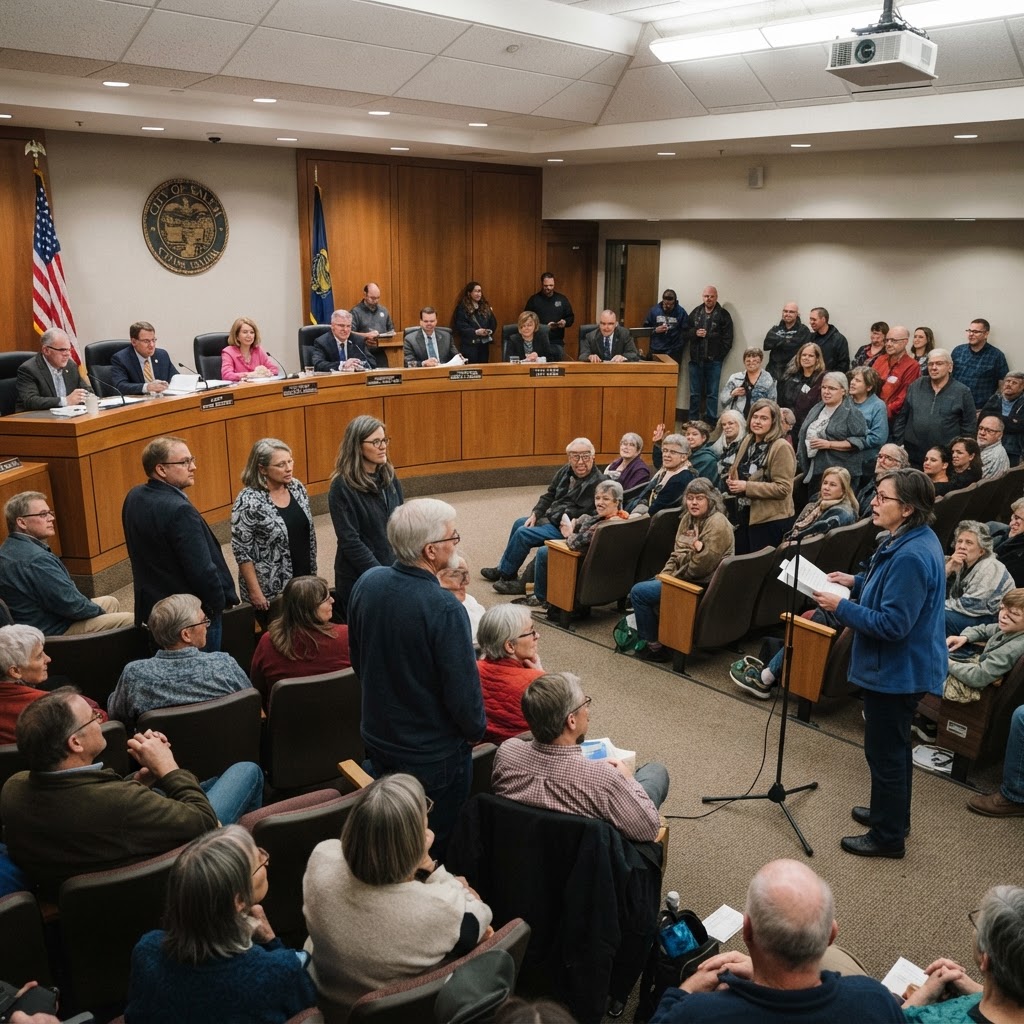
Salem City Council Imposes Moratorium on AI Data Centers
The Salem City Council has approved a temporary moratorium on new AI data centers to address concerns regarding water, electricity, and land-use impacts.
WorthFighting.org News · 6 min read

Crime
Seattle Police Budget Hike Sparks Staffing Concerns
Seattle City Council members are clashing over Mayor Katie Wilson's proposed 13.9% police budget increase, questioning if it will truly boost officer numbers.
WorthFighting.org News · 6 min read
Economy
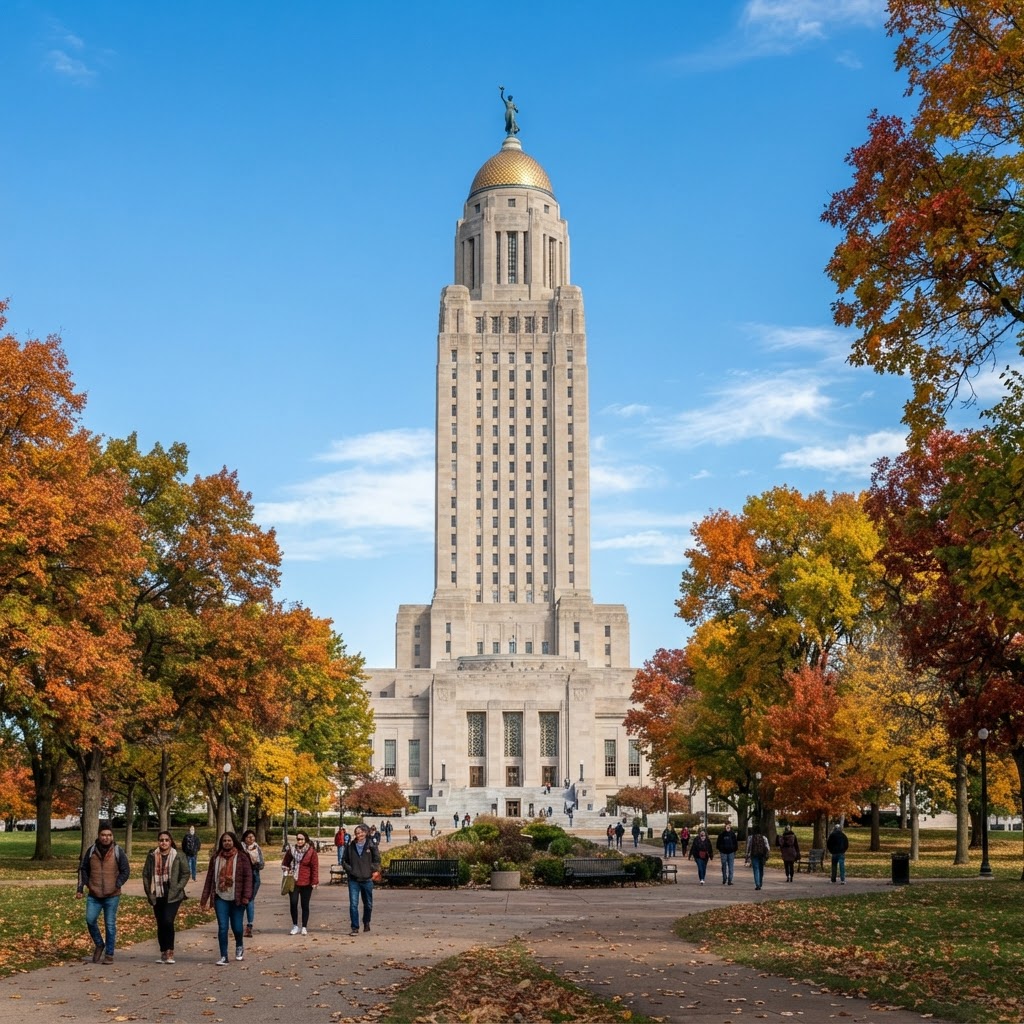
Nebraska Property Tax Reform Remains Top Priority for Voters
As Nebraska voters head toward the 2026 election, property tax relief remains a central issue. Legislative efforts continue to address the state's tax burden.
WorthFighting.org News · 6 min read
Economy
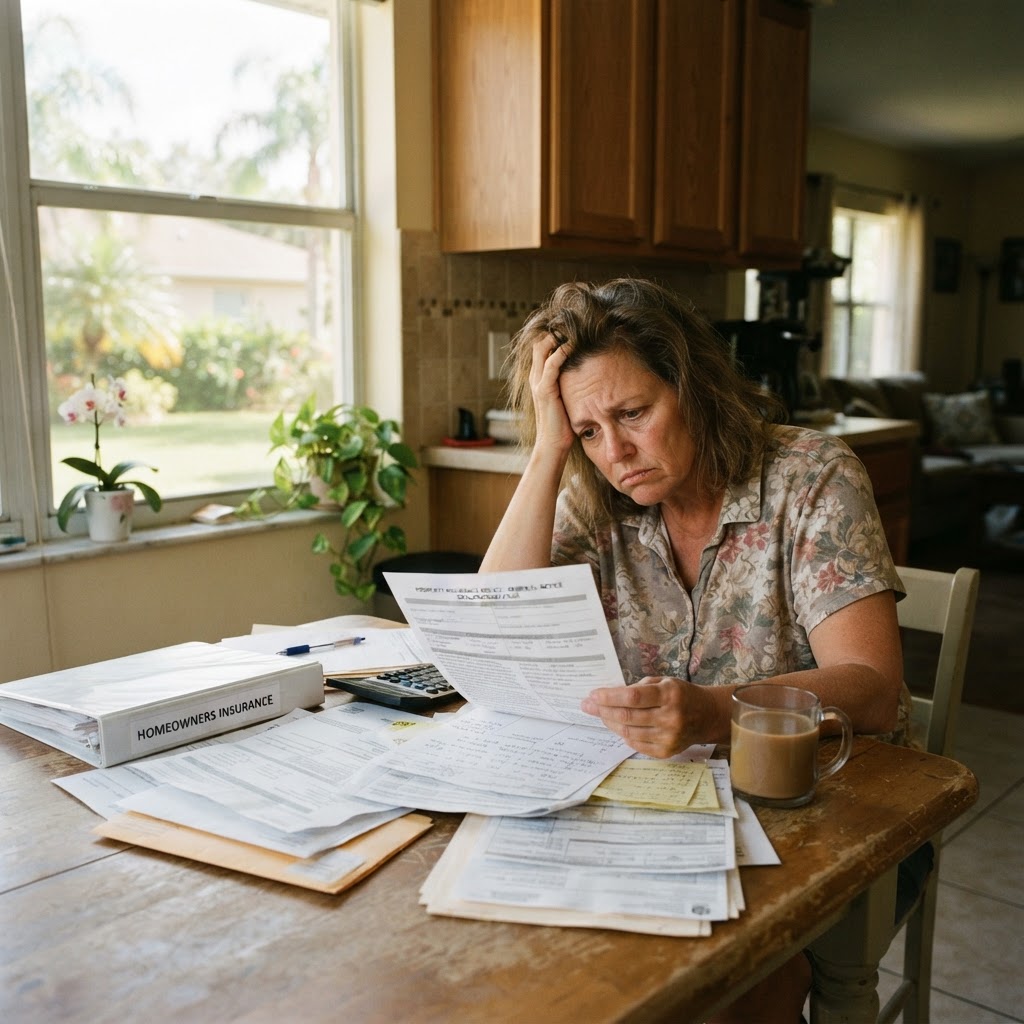
Florida Homeowners Remain Skeptical of Insurance Reforms
Despite state claims of a stabilizing insurance market, a new survey reveals that many Florida homeowners continue to struggle with high premiums and coverage
WorthFighting.org News · 6 min read
Crime
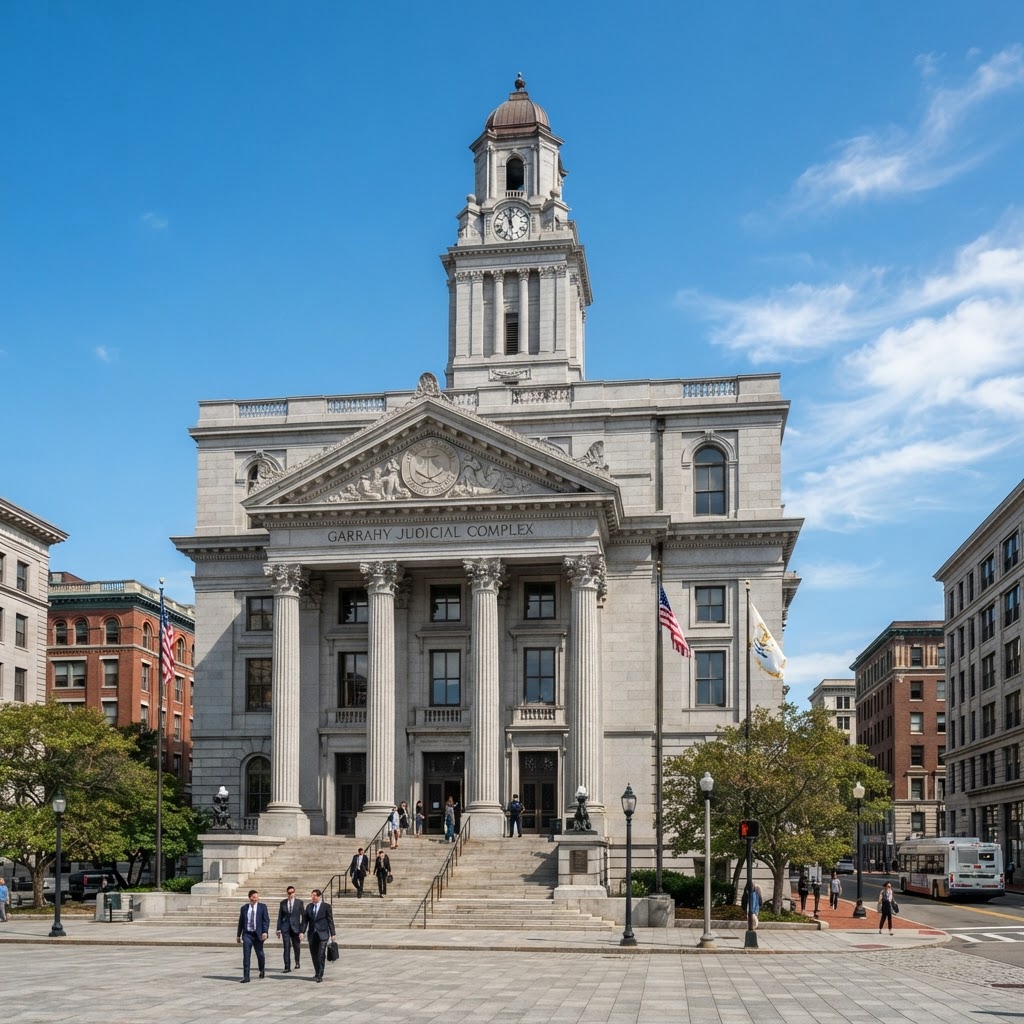
Rhode Island Sues Meta Over Rampant Scam Advertising
Attorney General Peter Neronha has filed a lawsuit against Meta, alleging the tech giant profits from billions of dollars in fraudulent ads on its platforms.
WorthFighting.org News · 6 min read
Economy
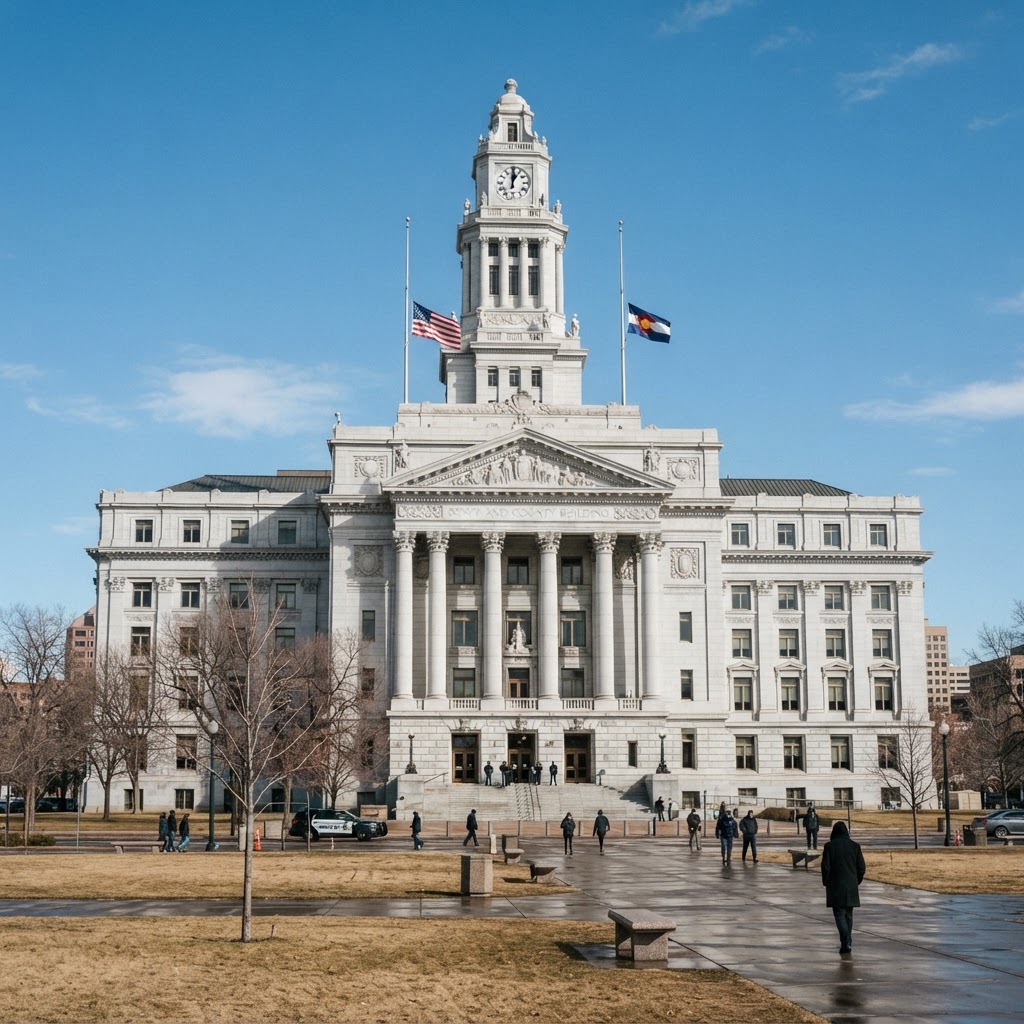
Denver Budget Standoff: Mayor Rejects Key Council Requests
Denver Mayor Mike Johnston has rejected major City Council budget requests, leaving critical public safety and infrastructure funding in a state of uncertainty.
WorthFighting.org News · 6 min read
Related Resources
Related Articles
9 itemsSame category: America First
Same issue hub: election-integrity
Same issue hub: election-integrity
Related Breaking News
1 itemShared keywords: ballots, election
Related Official Documents
5 itemsRelated Watchlist Issues
1 itemWhat People Are Reading

DHS Border Encounter Statistics: June 2026 Report
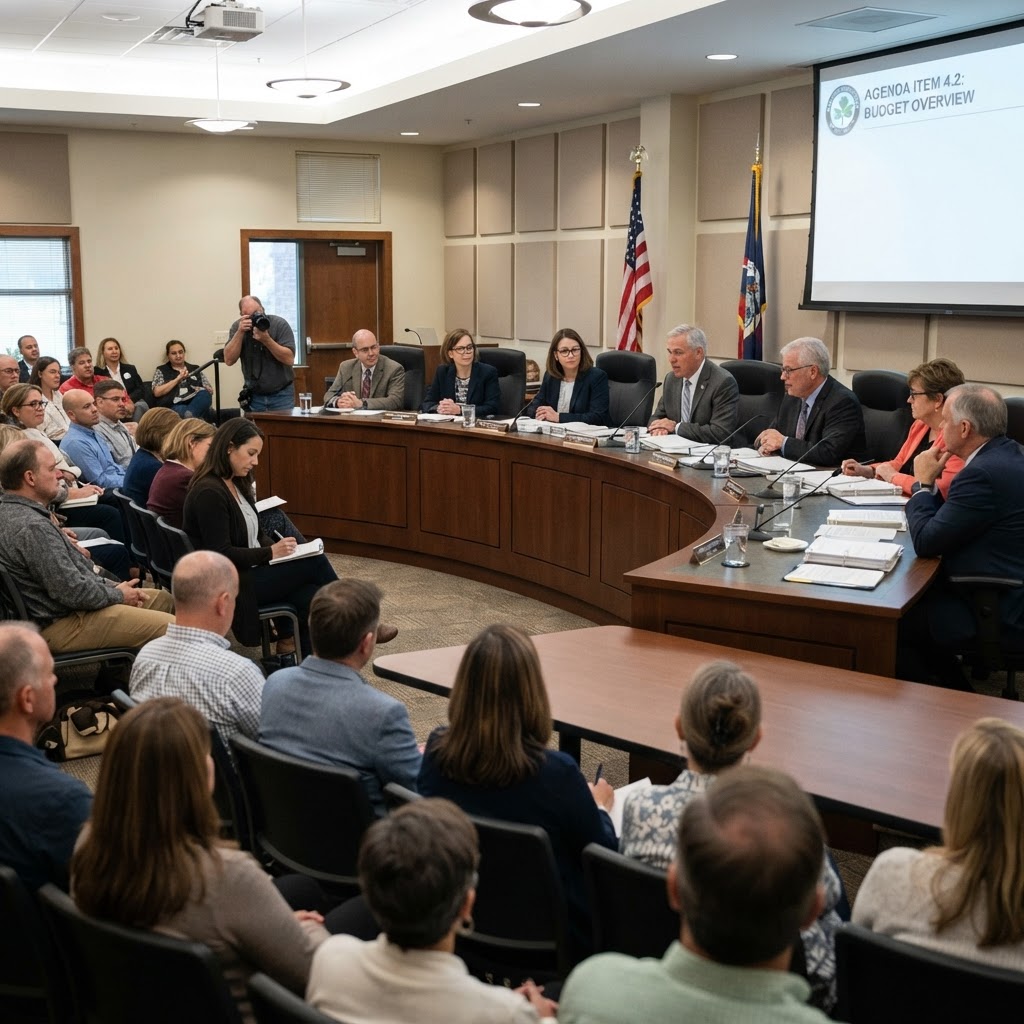
Iowa City School Board Approves $7.5M in Budget Cuts
What Cooking, The Beach Boys, And Shipbuilding Tell Us About Our ‘Late Republic’

North Carolina

California
Take Action
This country is worth fighting for. Get involved today.