Supreme Court Takes Up Arizona Citizenship Verification Case Ahead of 2026 Midterms
The Supreme Court has agreed to hear a major Arizona election-integrity case that could decide whether states may require documentary proof of citizenship for certain federal voter registration records. Conservatives say the case goes to the heart of self-government, constitutional federalism, and public trust in elections.
Derek J
Admin - Senior Correspondent
A High-Stakes Election Integrity Fight
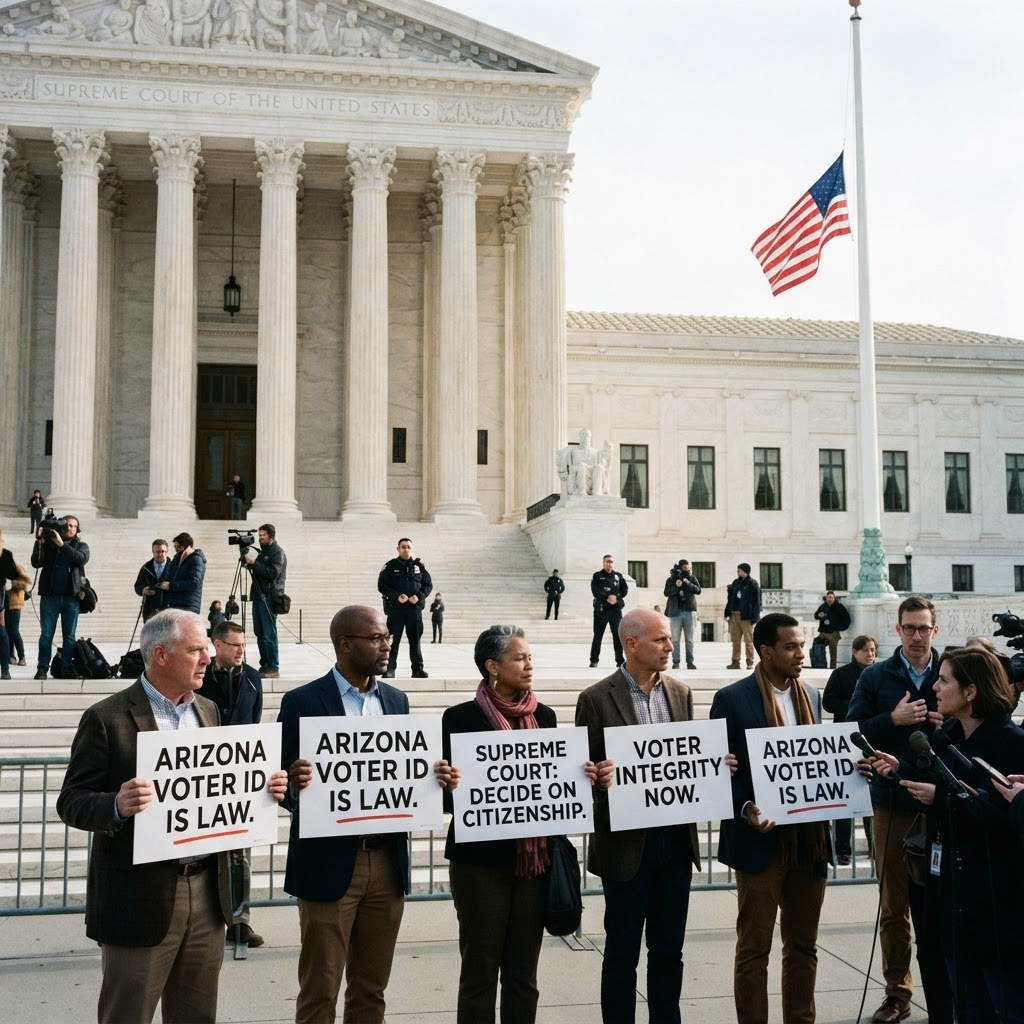
The Supreme Court has agreed to hear a closely watched Arizona case that could reshape how states verify citizenship for voter registration ahead of the 2026 midterm elections. At issue is whether a state may require documentary proof of citizenship for applicants flagged by state records as lacking sufficient verification, even when those voters seek to register for federal races.
The case, Arizona Election Commission v. Fuentes, comes after a split between federal appellate courts over how far states can go in protecting their voter rolls without running afoul of federal election law. Arizona officials argue they are not denying lawful citizens the ballot, but ensuring that only citizens participate in federal elections as the Constitution requires.
Why Conservatives See a Constitutional Test
For many on the Right, the case is about more than election administration. It is a direct test of whether states retain meaningful authority to secure the franchise against bureaucratic interference from Washington and activist litigation.
“A nation that cannot define citizenship at the ballot box cannot long remain self-governing,” said Daniel Mercer, a senior fellow at the conservative Republic Forum for Constitutional Government. “The Court now has an opportunity to reaffirm that election integrity is not voter suppression — it is the first duty of a constitutional republic.”
Arizona’s legal team contends that federal law sets a floor, not a ceiling, and that states retain broad constitutional power over the time, place, and manner of elections. Opponents claim the policy risks confusion and administrative burdens, especially for naturalized citizens and military families.
Still, conservatives note that public confidence in elections has been weakened by years of litigation, inconsistent standards, and resistance to basic safeguards.
What the Court Will Consider
The justices are expected to focus on several core questions:
- Whether states can require documentary proof of citizenship for federal voter registration in limited circumstances
- How federal election statutes interact with state authority under the Elections Clause
- Whether lower courts gave too much deference to federal regulators over state election officials
- What standard should apply when states cite anti-fraud and citizenship verification interests
According to a filing summary reviewed by WorthFighting.org, Arizona argues its system relies on existing records, notice procedures, and opportunities for applicants to cure documentation issues before any denial becomes final.
A Broader Message on Borders and Sovereignty
The case also lands amid ongoing national debate over border security, citizenship, and the duties of government. Conservative legal analysts say the Court cannot treat election law in isolation from the broader reality that citizenship has legal meaning — and that meaning must be defended.
“Americans are tired of being told that every commonsense safeguard is somehow extreme,” said Rachel Holloway, a former state solicitor general and election-law attorney. “Citizenship verification is not radical. It is the minimum standard of national sovereignty.”
If the Court sides with Arizona, the ruling could encourage other states to strengthen registration checks before November. If it rules the other way, Republican-led states are likely to press Congress for a uniform national standard requiring proof of citizenship for federal voter registration.
The Stakes for 2026 and Beyond
A decision is expected by late June 2027, but the political and legal shockwaves will begin much sooner. State legislatures, election boards, and grassroots organizers are already preparing for the impact.
For conservatives, the principle is simple: free elections require secure elections. And secure elections require a government willing to put American citizenship — not administrative convenience — first.
Comments (0)
Related Stories
Crime
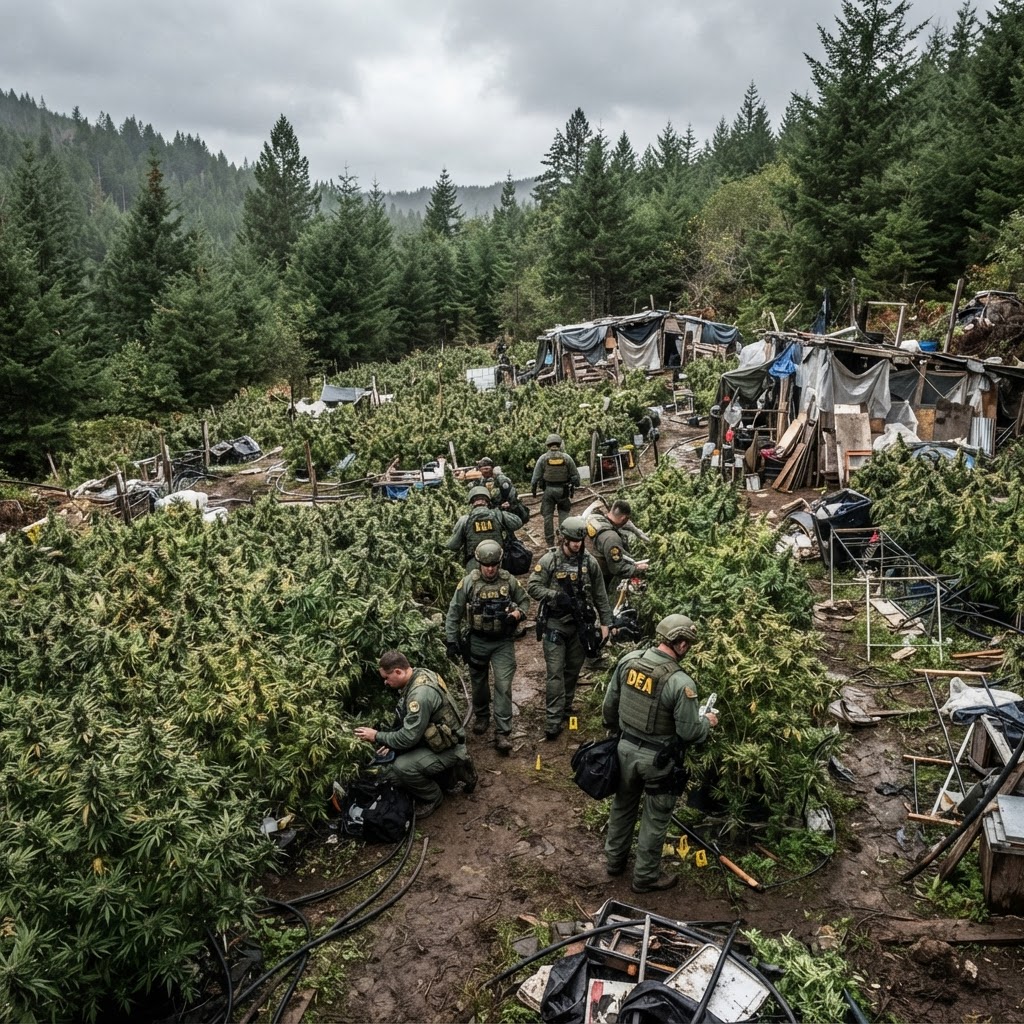
Oregon Authorities Bust $20M Illegal Marijuana Operation
Law enforcement in Oregon dismantled a massive illegal drug trafficking ring, seizing $20 million in cannabis and rescuing 55 laborers from inhumane conditions.
WorthFighting.org News · 6 min read

Education
Gillett Schools Slash Programs After Referendum Failure
The Gillett School District is moving forward with significant budget cuts following the recent failure of a local funding referendum by voters.
WorthFighting.org News · 5 min read
America First
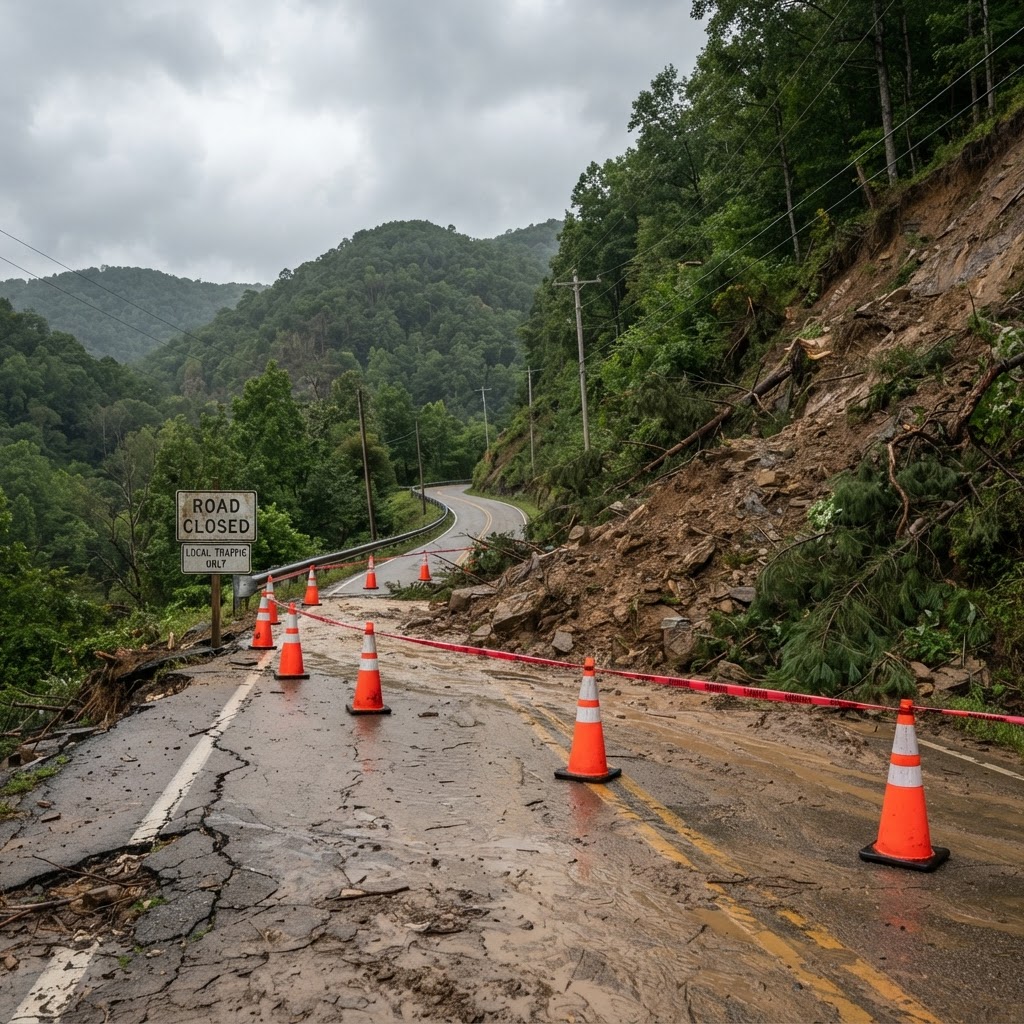
Leslie County Secures Emergency Funds for Road Repairs
The Kentucky Transportation Cabinet has awarded over $161,000 in emergency aid to Leslie County to address critical road slides and ensure community safety.
WorthFighting.org News · 5 min read
Education
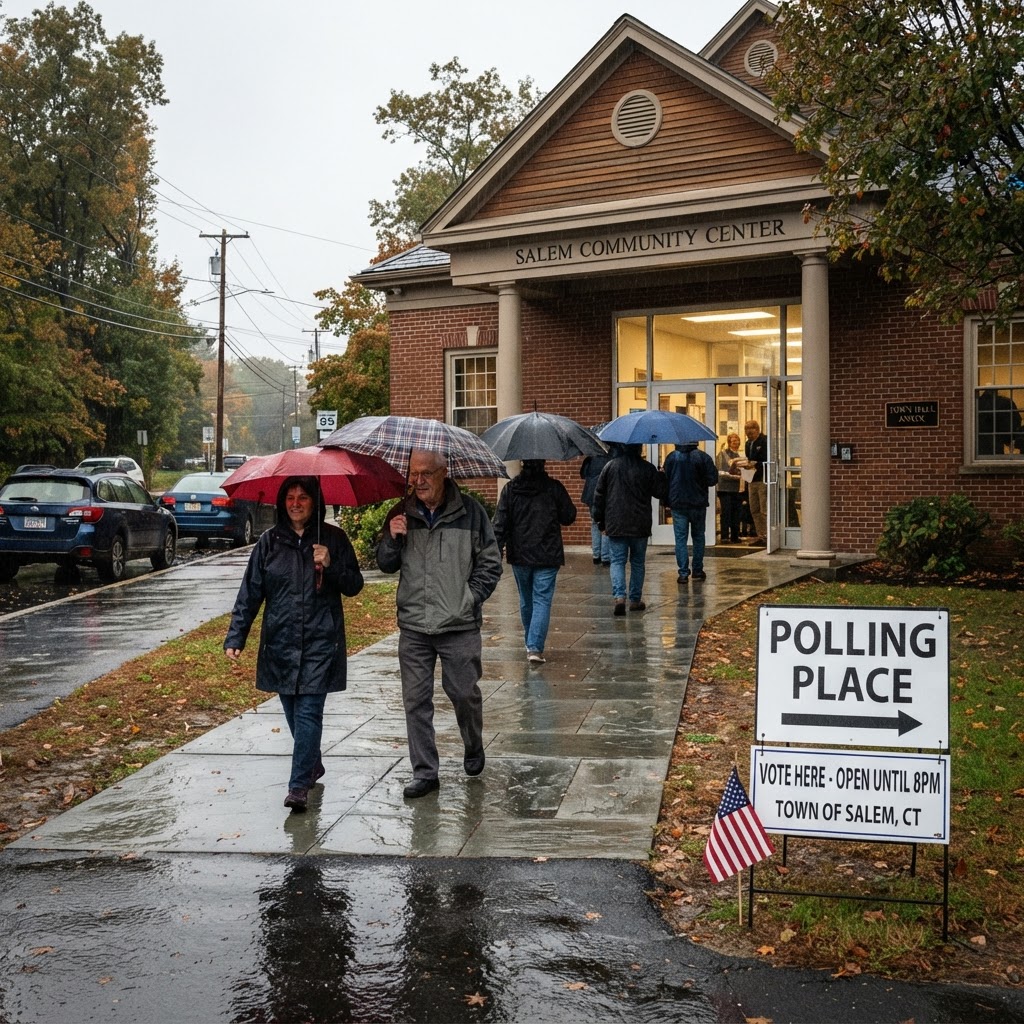
Plainfield Voters Secure School Funding in Second Ballot
Plainfield residents successfully passed a school budget in a second vote, effectively minimizing potential cuts to local education programs and staff.
WorthFighting.org News · 5 min read

Economy
Cheyenne Data Center Project Shifts to Google Ownership
A massive $17 billion data center project near Cheyenne has officially transitioned to Google, marking a significant shift in Wyoming's industrial landscape.
WorthFighting.org News · 6 min read
Economy
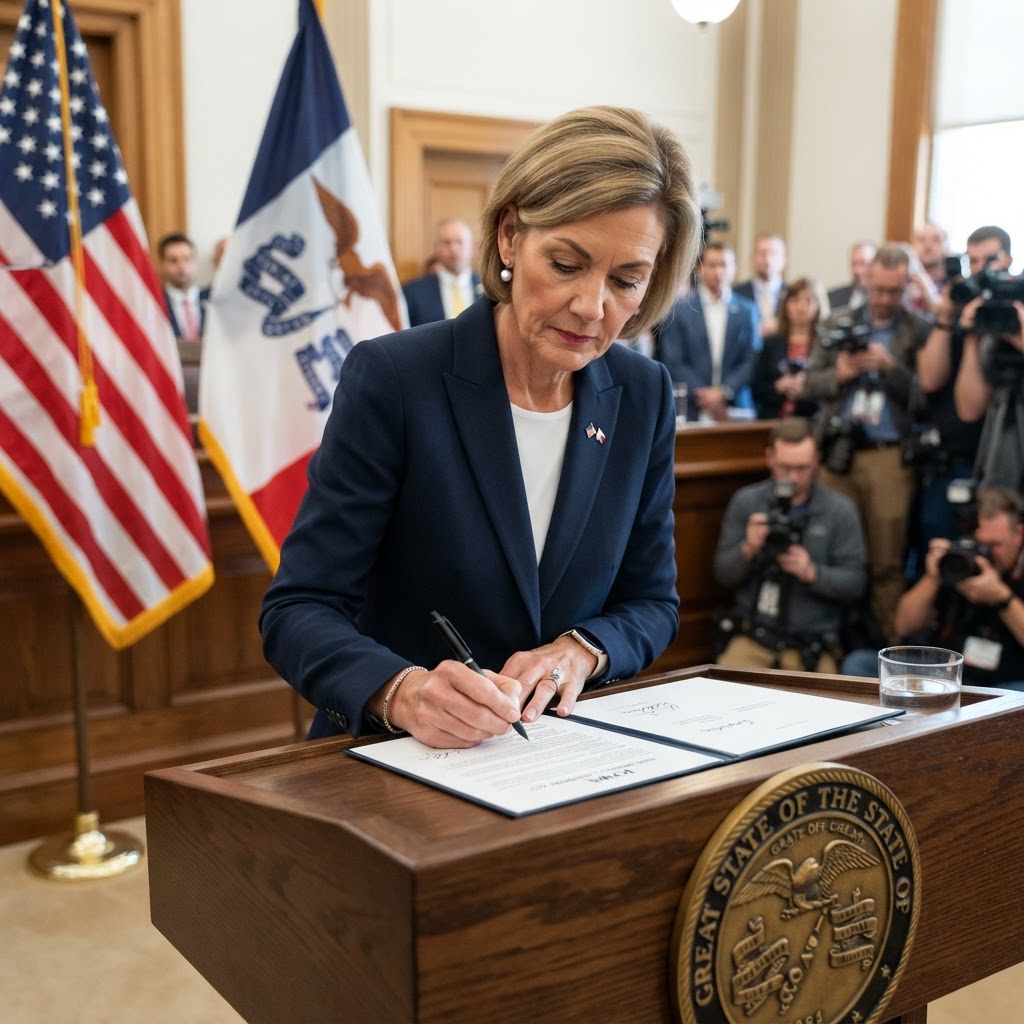
Iowa Leads Nation with Historic Property Tax Reform
Governor Kim Reynolds has signed landmark legislation providing $4.2 billion in property tax relief, marking the largest reduction of its kind in the nation.
WorthFighting.org News · 6 min read
Take Action
This country is worth fighting for. Get involved today.