
Supreme Court Defends Constitution, Blocks Leftist Overreach in South Carolina Redistricting Case
The Supreme Court's South Carolina redistricting ruling is a major victory for state sovereignty, upholding GOP maps and rejecting leftist judicial
Jameson Thorne
Senior Political Correspondent

Wikimedia Commons / Public domain
Key Takeaways
- 1.The Supreme Court ruled 6-3 to uphold South Carolina's 1st Congressional District, reversing a lower court's order to redraw the map.
- 2.Justice Samuel Alito's majority opinion emphasized that challengers failed to provide 'direct evidence' of racial gerrymandering.
- 3.The ruling establishes that partisan advantage is a permissible goal in redistricting and that courts must presume 'good faith' by state legislatures.
The High Court has finally slammed the door on the Left’s latest attempt to use the judicial system to redraw the political map in their favor. In a decisive win for state sovereignty and the rule of law, the Supreme Court of the United States delivered a major blow to the radical organizations seeking to bypass the democratic process through meritless litigation. This South Carolina redistricting ruling serves as a vital firewall against the weaponization of the courts by activists who would rather sue their way to power than win at the ballot box.
Justice Samuel Alito, writing for the 6-3 majority in Alexander v. South Carolina State Conference of the NAACP, made it clear: the federal judiciary is not a playground for partisan redistricting disputes disguised as civil rights claims. By upholding South Carolina's 1st Congressional District map, the Court has reaffirmed a core principle of our Republic—that the power to draw legislative boundaries resides with the elected representatives of the people, not unelected judges.
The High Court’s Reality Check for the Left
For years, left-wing advocacy groups have leaned on the federal courts to dismantle Republican-drawn districts, often citing 'racial gerrymandering' as a catch-all excuse whenever they lose an election. In this case, the South Carolina NAACP and its allies targeted the 1st Congressional District, claiming that the state legislature had unconstitutionally moved black voters out of the district to make it more reliably Republican. A lower court, seemingly eager to entertain these claims, ordered the state to redraw the map for the 2024 elections.
However, Justice Alito and the conservative majority saw through the smoke. The facts: The Supreme Court ruled that the challengers failed to provide any 'direct evidence' that race was the predominant factor in the map-making process. The conservative case is simple: political parties are allowed to pursue partisan advantage when drawing maps. That is politics. That is the democratic process. It is only when race becomes the sole, overwhelming driver that the courts should intervene, and in South Carolina, the evidence simply wasn't there.
As Alito noted, judges must begin with a presumption of 'good faith' on the part of state legislatures. This is a critical distinction. The Left views state governments with inherent suspicion, assuming that any GOP victory must be the result of some nefarious scheme. The Supreme Court’s ruling restores the proper order, placing the burden of proof on the accusers rather than the state.
Partisanship vs. Race: A Crucial Distinction
The distinction between partisan gerrymandering and racial gerrymandering is one the Left deliberately tries to blur. They know that the Supreme Court has previously ruled that partisan gerrymandering is a 'non-justiciable' political question—meaning federal courts have no business meddling in it. By framing every political loss as a racial grievance, they hope to drag the judiciary into the mud of partisan warfare.
The Court’s ruling noted that the configuration of the 1st District was driven by the desire for partisan gain, not racial bias. In a state where voting patterns are highly polarized along racial lines, a map drawn for political advantage will inevitably affect different demographics differently. That doesn't make it unconstitutional; it makes it a reflection of the political reality on the ground. This victory mirrors other recent wins for election sanity, such as when the Win for Integrity: Georgia Board Ends ‘Rubber-Stamp’ Election Certifications to ensure that only valid results are recorded.
Protecting the Legislative Process
This ruling is about more than just one district in South Carolina; it is about the very structure of our government. If every legislative map is subject to the whims of a single lower-court judge based on circumstantial evidence, then the legislative process becomes a meaningless exercise. The Supreme Court has sent a clear message: unless there is a 'smoking gun' of racial intent, the courts will stay out of the business of drawing lines.
This is a major GOP election win because it provides stability. Candidates and voters in South Carolina now have clarity heading into the next election cycle, without the threat of last-minute, court-ordered chaos. This stands in stark contrast to the executive overreach we see from the current administration in Washington, where states are constantly forced to defend their borders and their laws. We see this play out in cases like when Texas Strikes Back: Paxton Sues to Stop Biden’s ‘Fast Pass’ Asylum Rule, proving that the states are the last line of defense against a federal government gone rogue.
Conclusion: A Victory for State Sovereignty
The Supreme Court’s decision to reverse the lower court and uphold the South Carolina map is a testament to the importance of a constitutionalist judiciary. For too long, the Left has used the 'racial gerrymandering' label as a tool of lawfare to subvert the will of the voters. By requiring actual evidence and presuming the good faith of legislators, Justice Alito and the majority have protected the integrity of the democratic process.
America First supporters should celebrate this ruling as a restoration of balance. We do not need judges acting as 'super-legislators' to fix outcomes they don't like. We need a system where the states are free to govern themselves, where elections are decided by the people, and where the Constitution remains the ultimate authority. Today, in South Carolina, that system worked exactly as it was intended.
Comments (0)
Be the first to comment.
Sources
- 1.Supreme Court of the United StatesOfficial DocumentAccessed Jul 26, 2026
- 2.SCOTUSblogLegal AnalysisAccessed Jul 26, 2026
Related Stories
Crime
Seattle Police Budget Hike Sparks Staffing Concerns
Seattle City Council members are clashing over Mayor Katie Wilson's proposed 13.9% police budget increase, questioning if it will truly boost officer numbers.
WorthFighting.org News · 6 min read
Economy
Nebraska Property Tax Reform Remains Top Priority for Voters
As Nebraska voters head toward the 2026 election, property tax relief remains a central issue. Legislative efforts continue to address the state's tax burden.
WorthFighting.org News · 6 min read
Economy
Florida Homeowners Remain Skeptical of Insurance Reforms
Despite state claims of a stabilizing insurance market, a new survey reveals that many Florida homeowners continue to struggle with high premiums and coverage
WorthFighting.org News · 6 min read
Crime
Rhode Island Sues Meta Over Rampant Scam Advertising
Attorney General Peter Neronha has filed a lawsuit against Meta, alleging the tech giant profits from billions of dollars in fraudulent ads on its platforms.
WorthFighting.org News · 6 min read
Economy
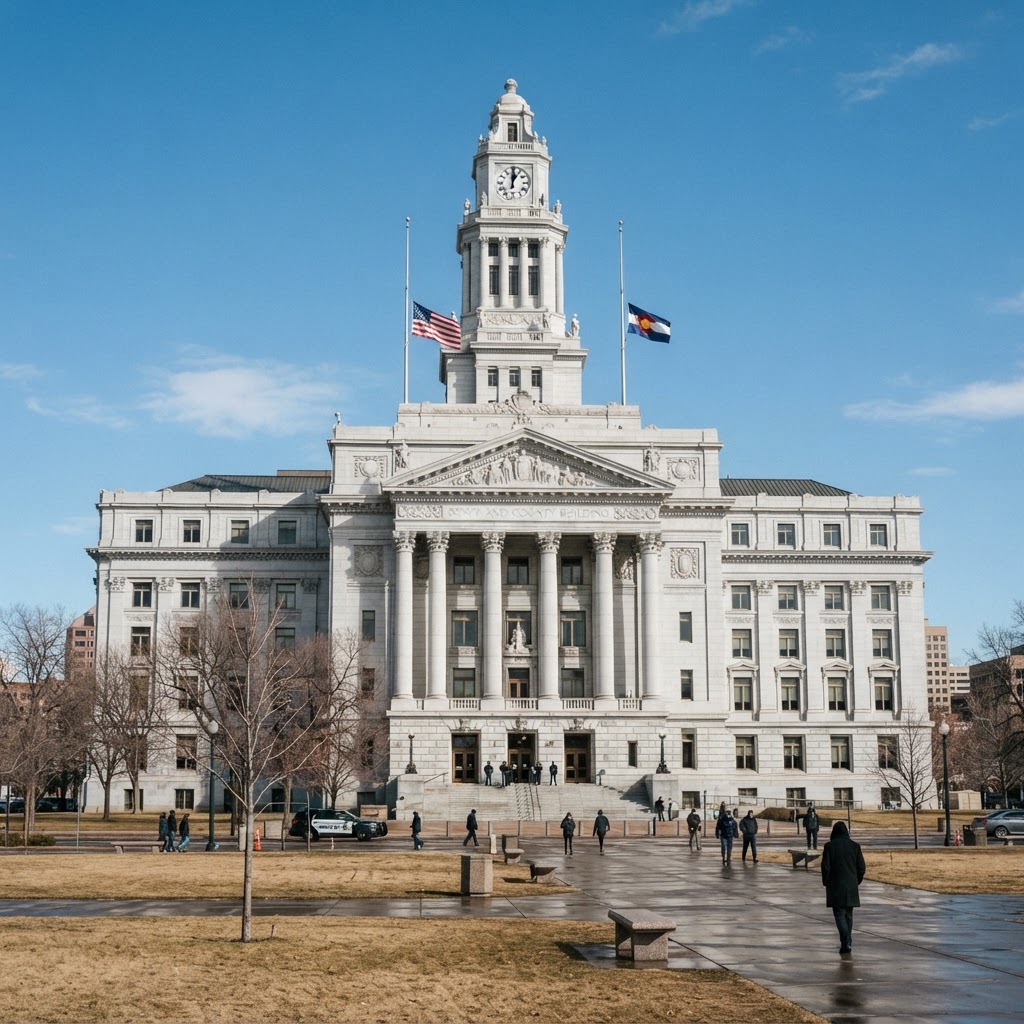
Denver Budget Standoff: Mayor Rejects Key Council Requests
Denver Mayor Mike Johnston has rejected major City Council budget requests, leaving critical public safety and infrastructure funding in a state of uncertainty.
WorthFighting.org News · 6 min read
Education
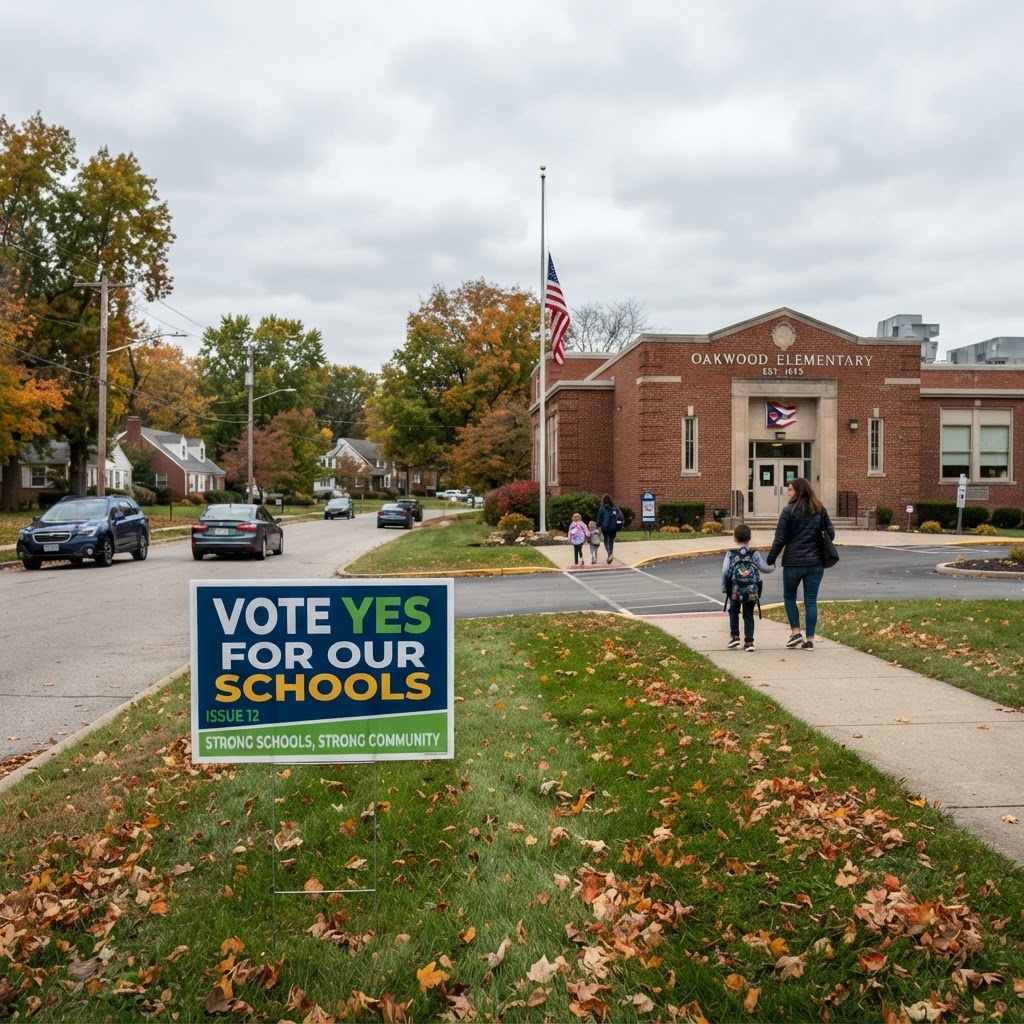
Ohio School Districts Face Financial Crisis at the Ballot
Across Ohio, multiple school districts are heading to the November ballot with critical tax levies, warning of severe budget cuts and potential consolidation.
WorthFighting.org News · 6 min read
Related Resources
Related Articles
9 itemsSame category: Supreme Court
Same category: Supreme Court
Same category: Supreme Court
Related Breaking News
2 itemsShared keywords: ruling, supreme, court
Shared keywords: victory, state
What People Are Reading

East Providence Taxpayers Hit With 3.5% Property Tax Hike
Florida Homeowners Remain Skeptical of Insurance Reforms
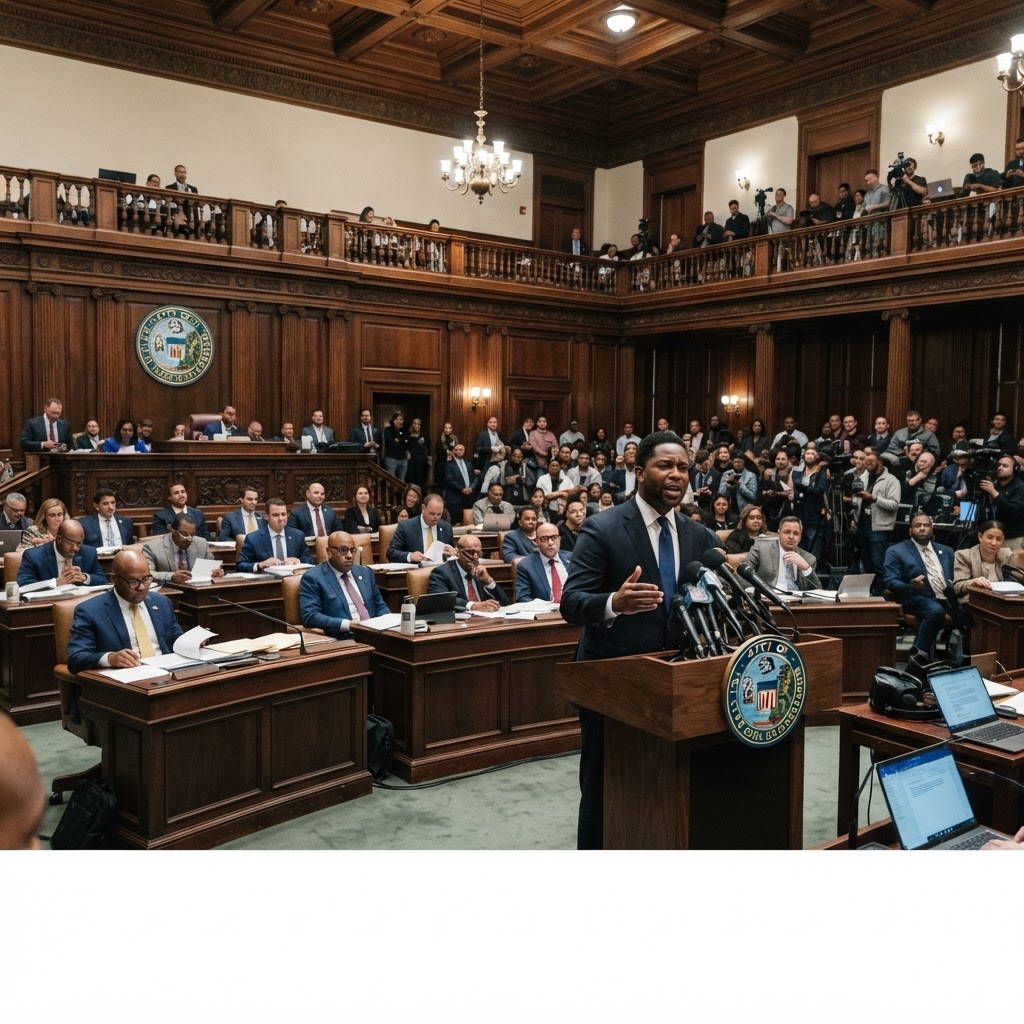
Chicago Aldermen Clash Over Mayor Johnson’s Budget Cuts
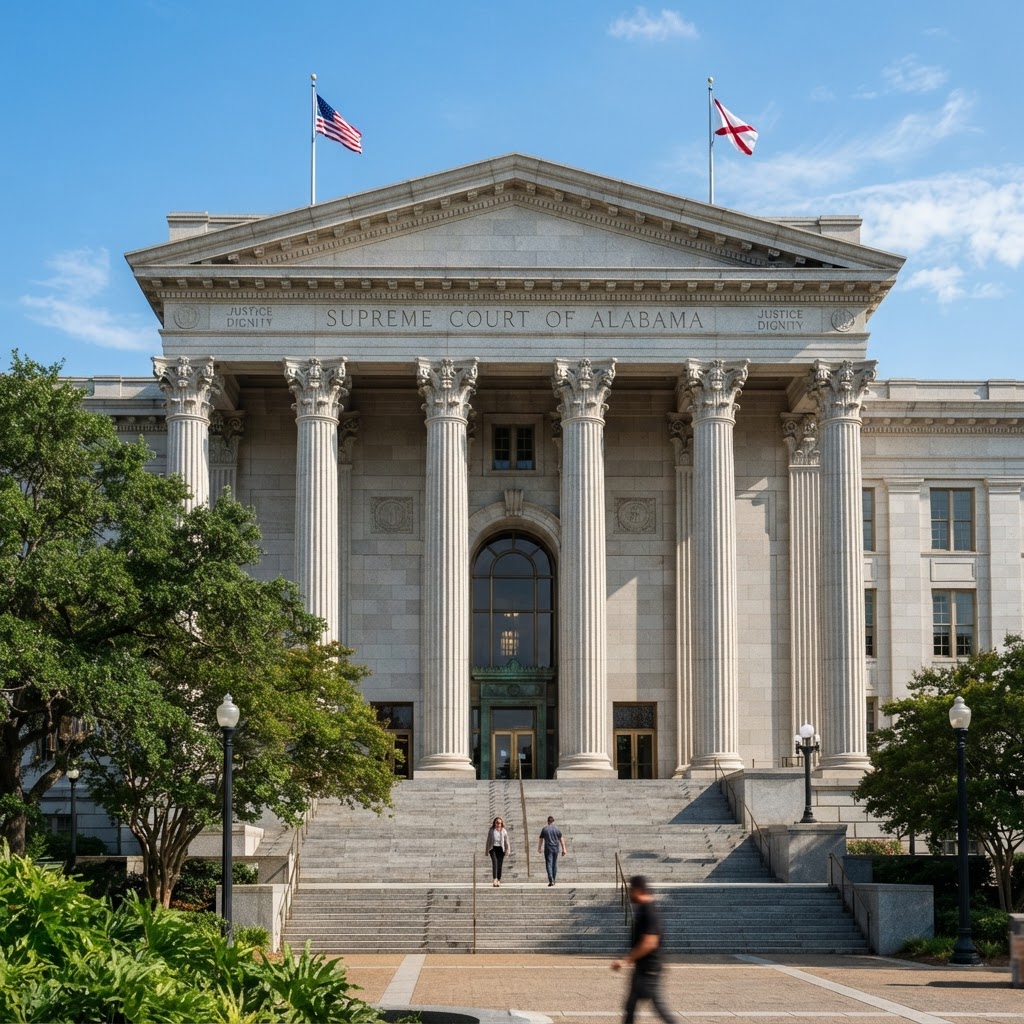
Alabama Supreme Court Weighs Absentee Ballot Law
Wyoming Energy Authority Launches Power Grid Study
Take Action
This country is worth fighting for. Get involved today.