
Supreme Court's Aggressive Election Interventions Reshape 2026 Landscape, Spark Conservative Fury
The Supreme Court's recent interventions in election procedures have drawn sharp conservative backlash as the justices move at unprecedented speed to reshape voting rules mid-cycle.
WorthFighting.org News
Staff Writer
The U.S. Supreme Court has launched an unprecedented series of interventions in election procedures across the country, moving at breakneck speed to reshape voting rules in ways that have alarmed legal scholars and infuriated conservatives who see the Court overstepping its constitutional role.
In a string of decisions and emergency orders issued over recent weeks, the justices have intervened in election administration with a frequency and urgency that legal experts say is without modern precedent. The Court has weighed in on ballot access, voter roll maintenance, district boundaries, and state election procedures — often issuing rulings that take effect immediately, in the middle of an active election cycle.
A Court in Overdrive
Legal analysts who track the Court's emergency docket — often called the "shadow docket" — note that the justices have been issuing election-related orders at an extraordinary pace. The interventions have come both in response to formal appeals and through emergency stays, with the Court frequently overturning lower court rulings and state court decisions without full briefing or oral argument.
"The Supreme Court is moving at a pace and in a manner that is genuinely without precedent in the modern era," one election law scholar observed. "The justices are not just deciding cases — they are actively managing election procedures in real time, often reversing decisions made by state courts and lower federal courts with summary orders."
Conservative critics, in particular, have pointed to several rulings where the Court appears to have overridden state legislative authority over election administration — a power the Constitution explicitly delegates to state legislatures under the Elections Clause. The tension between the Court's interventions and the constitutional framework for state-run elections has become a flashpoint in the broader debate over judicial power.
The Voting Rights Act Controversy
One of the most controversial moves came in a major Voting Rights Act case, where the Court effectively gutted remaining protections of the 1965 landmark civil rights law. The ruling drew immediate and fierce criticism from civil rights organizations and progressive lawmakers, but it also raised concerns among constitutional conservatives who questioned whether the Court had overstepped in dismantling provisions that Congress had explicitly reauthorized.
"The proper remedy for a flawed statute is congressional action, not judicial nullification," a conservative legal commentator argued. "When the Court takes it upon itself to dismantle a law that Congress has repeatedly reauthorized, it raises serious questions about the separation of powers — even if the underlying law is problematic."
Mid-Cycle Interventions Raise Fairness Concerns
Perhaps the most contentious aspect of the Court's recent election activity is its willingness to change rules in the middle of an election cycle. In several cases, the justices have issued orders that immediately altered voting procedures in jurisdictions where campaigns, voters, and election officials had already planned around the existing rules.
Legal experts across the ideological spectrum have expressed unease about the practice, noting that mid-cycle changes create confusion, impose costs on election administrators, and can disadvantage campaigns that built their strategies around the prior rules. The principle that election rules should be settled before voting begins — not changed in the middle of the process — has long been a bedrock of election law.
"When the Court changes election rules in the middle of a cycle, it creates chaos," an election law professor said. "Voters don't know what the rules are, election officials have to scramble to comply, and the integrity of the process is undermined. That's true regardless of whether you agree with the underlying policy."
Reshaping Elections for One Party's Benefit?
A analysis by a major newspaper suggested that the Court's recent election interventions have largely benefited one political party — a finding that has fueled accusations of partisanship against a Court that conservatives have spent decades building as a constitutional bulwark.
The observation that the Court's election rulings appear to systematically advantage Republicans has created an uncomfortable dynamic for conservative legal advocates who have long argued that the Court should be a neutral arbiter of constitutional questions, not a political instrument. The perception of partisanship, they warn, risks undermining the institutional legitimacy that the conservative legal movement has worked to build.
"If the Court becomes viewed as just another political actor, the entire conservative project of restoring constitutional government through the judiciary collapses," a Federalist Society member cautioned. "The legitimacy of the Court depends on the perception that it is interpreting the law, not engineering outcomes."
Why This Matters
The Supreme Court's aggressive election interventions represent a fundamental shift in the relationship between the judiciary and the democratic process. For conservatives who have championed judicial restraint and constitutional originalism, the Court's recent behavior raises uncomfortable questions about whether the institution they built has become something they did not intend — an active manager of elections rather than a neutral constitutional referee.
The 2026 election cycle will be the first real test of the new landscape the Court has created. Whether the interventions produce the outcomes their supporters intend — or whether they generate backlash that undermines the Court's standing — remains to be seen. But one thing is already clear: the Court has injected itself into the electoral process to a degree that would have been unthinkable just a few years ago, and there may be no going back.
Comments (0)
Be the first to comment.
Related Stories
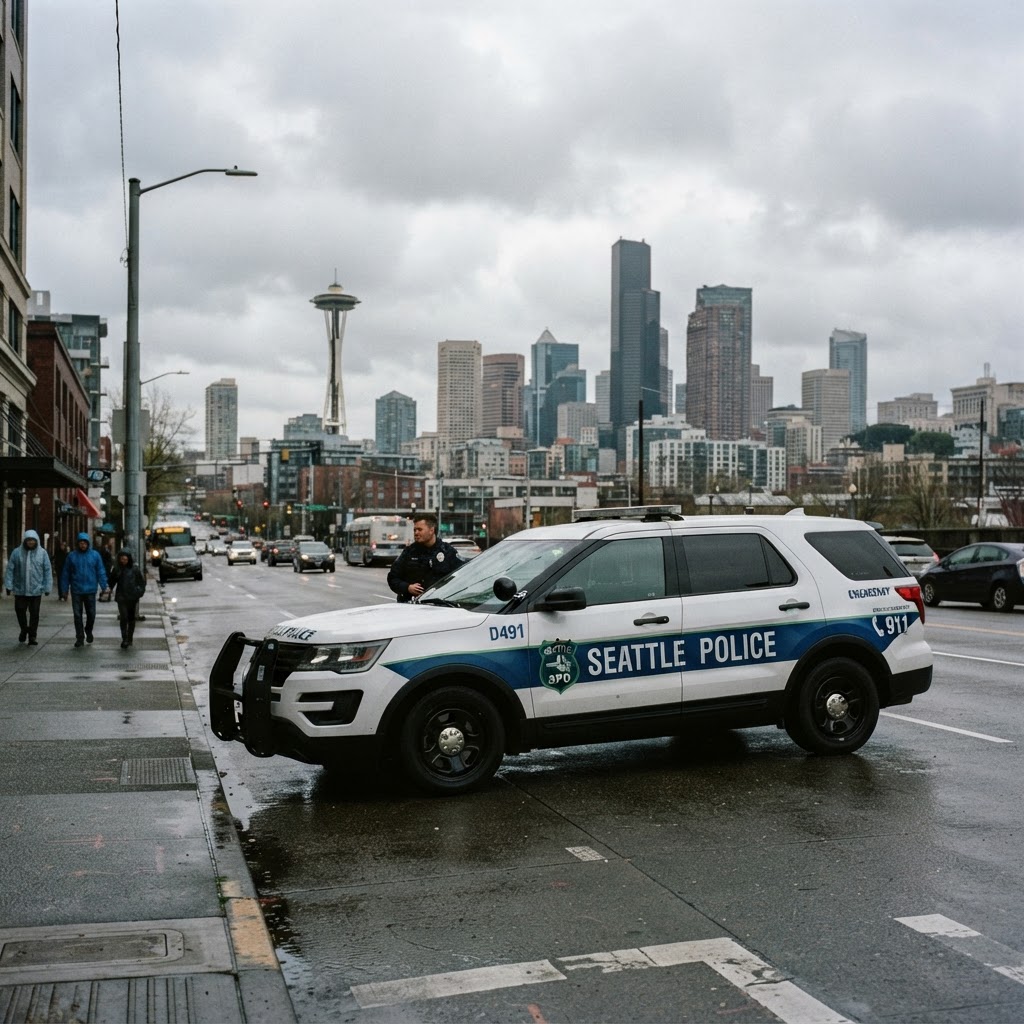
Crime
Seattle Police Budget Hike Sparks Staffing Concerns
Seattle City Council members are clashing over Mayor Katie Wilson's proposed 13.9% police budget increase, questioning if it will truly boost officer numbers.
WorthFighting.org News · 6 min read
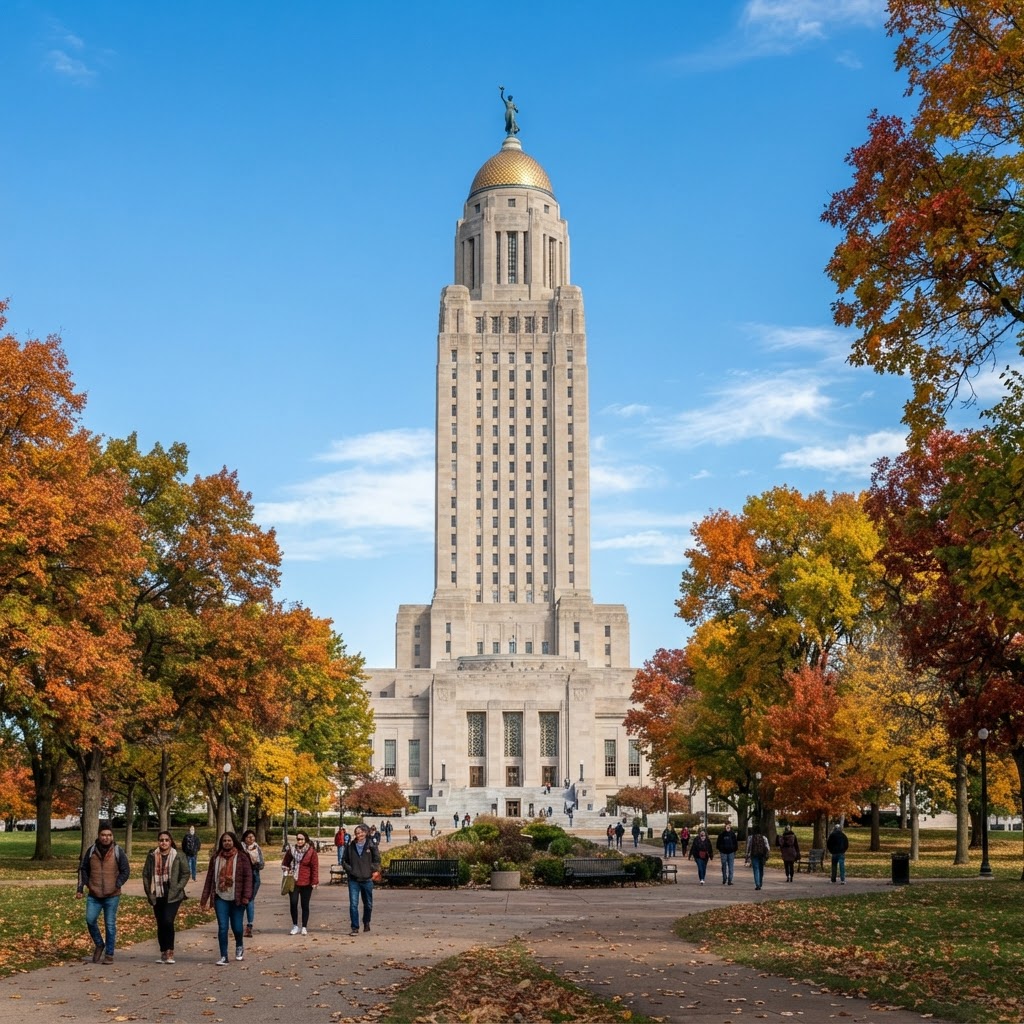
Economy
Nebraska Property Tax Reform Remains Top Priority for Voters
As Nebraska voters head toward the 2026 election, property tax relief remains a central issue. Legislative efforts continue to address the state's tax burden.
WorthFighting.org News · 6 min read
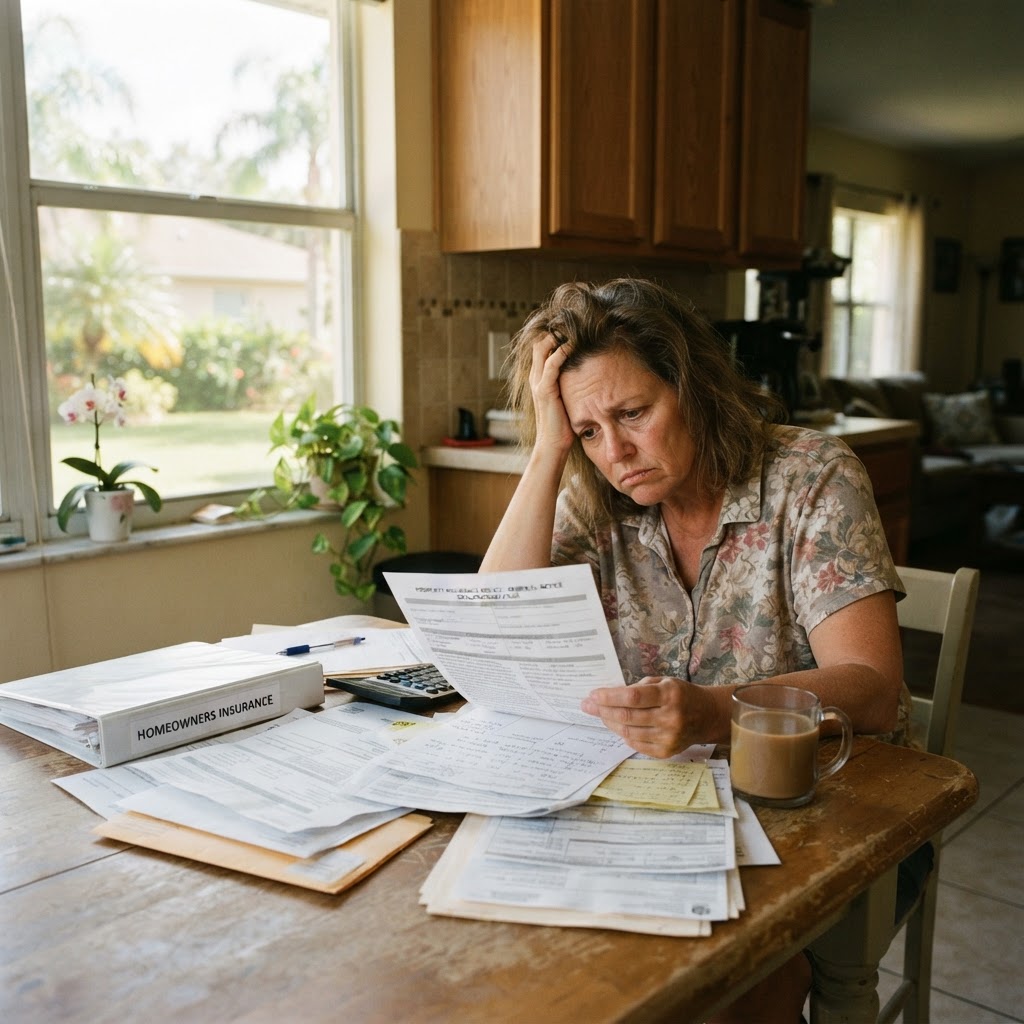
Economy
Florida Homeowners Remain Skeptical of Insurance Reforms
Despite state claims of a stabilizing insurance market, a new survey reveals that many Florida homeowners continue to struggle with high premiums and coverage
WorthFighting.org News · 6 min read
Crime
Rhode Island Sues Meta Over Rampant Scam Advertising
Attorney General Peter Neronha has filed a lawsuit against Meta, alleging the tech giant profits from billions of dollars in fraudulent ads on its platforms.
WorthFighting.org News · 6 min read
Economy
Denver Budget Standoff: Mayor Rejects Key Council Requests
Denver Mayor Mike Johnston has rejected major City Council budget requests, leaving critical public safety and infrastructure funding in a state of uncertainty.
WorthFighting.org News · 6 min read
Education
Ohio School Districts Face Financial Crisis at the Ballot
Across Ohio, multiple school districts are heading to the November ballot with critical tax levies, warning of severe budget cuts and potential consolidation.
WorthFighting.org News · 6 min read
Related Resources
Related Articles
9 itemsSame category: Supreme Court
Same category: Supreme Court
Same category: Supreme Court
Related Breaking News
2 itemsShared keywords: recent, supreme, court
Shared keywords: supreme, court, conservative
Related Official Documents
2 itemsWhat People Are Reading

East Providence Taxpayers Hit With 3.5% Property Tax Hike
Florida Homeowners Remain Skeptical of Insurance Reforms
Chicago Aldermen Clash Over Mayor Johnson’s Budget Cuts
Alabama Supreme Court Weighs Absentee Ballot Law
Wyoming Energy Authority Launches Power Grid Study
Take Action
This country is worth fighting for. Get involved today.