
High Court Takes Up State Border Defense Case, Setting Up Major Federalism Test
The Supreme Court has agreed to review a major border-security dispute that could redefine how far states may go when Washington fails to enforce immigration law. For conservatives, the case is shaping up as a crucial test of federalism, public safety, and constitutional order.
Derek J
Admin - Senior Correspondent
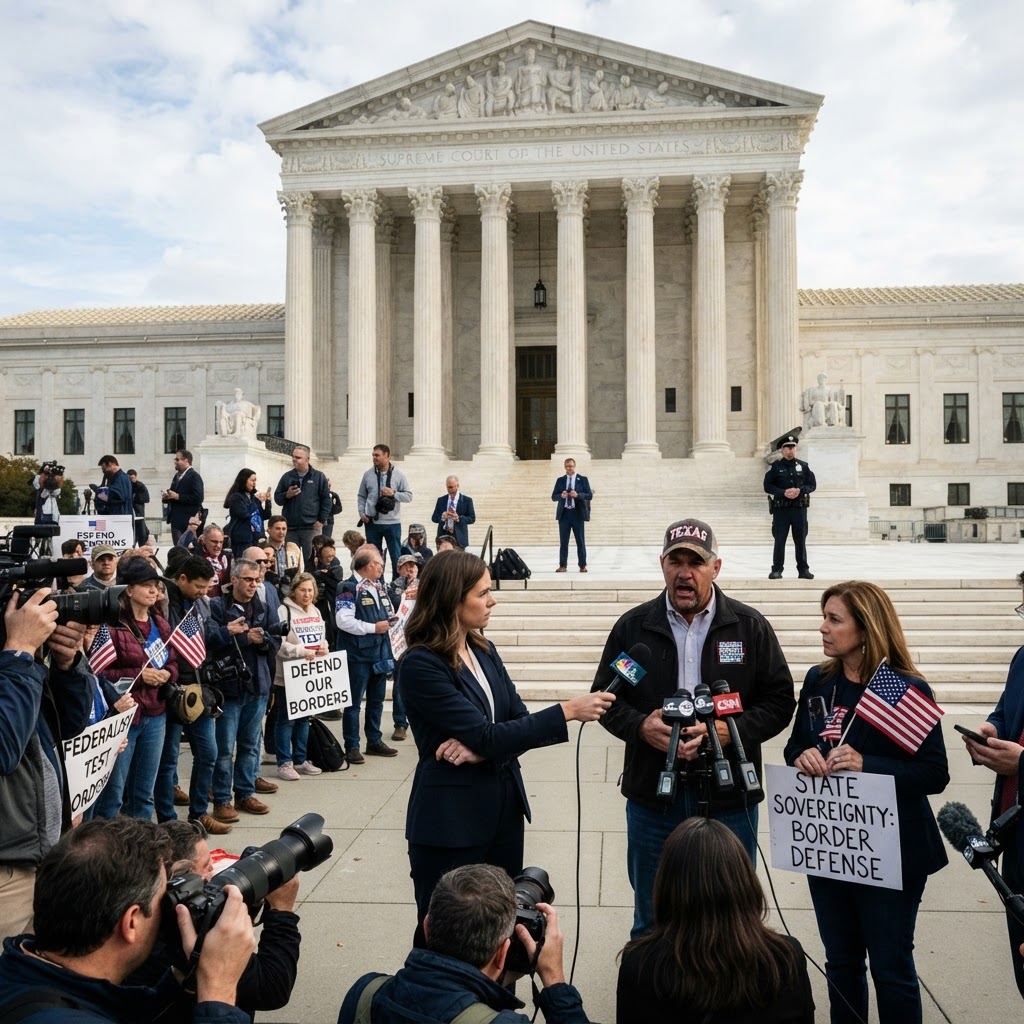
The Supreme Court on Friday agreed to hear a closely watched challenge to a state border-security law, opening what could become one of the most important federalism fights of the next term.
At issue is a Fifth Circuit ruling that allowed key parts of Texas’ Homeland Security Cooperation Act to remain in effect while litigation continues. The law does not create a separate state deportation system, but it does require stronger cooperation with federal authorities and imposes penalties on local officials who obstruct lawful immigration detainers.
The administration and allied activist groups argue the measure intrudes on federal power. Supporters counter that the state is doing what Washington has refused to do: protect citizens, secure communities, and uphold the rule of law.
Why the Case Matters
The Court’s decision to take the case comes after another year of heavy strain on border communities, rising concerns over cartel activity, and continued fentanyl trafficking into the interior. For voters across the country, this is not an abstract legal seminar. It is about whether states have any meaningful constitutional tools left when the federal government neglects core duties.
The Texas law includes several provisions designed to reinforce, not replace, federal enforcement:
- requiring county jails to comply with valid ICE detainer requests
- authorizing state officers to transfer removable criminal aliens to federal custody after arrest on separate state charges
- prohibiting state-funded contracts that facilitate unlawful migrant transport into the interior
- allowing state civil penalties against local jurisdictions that adopt formal sanctuary policies
“The question is simple: can a state defend its people when the national government refuses to execute the law?” said Margaret Holloway, a constitutional litigator with the Madison Center for Federalism. “The Constitution did not create a system where states must sit helplessly while criminal networks exploit federal paralysis.”
The Constitutional Fight
Opponents say immigration is a uniquely federal domain and warn that states could create a patchwork of conflicting rules. But conservative legal analysts say that argument overreaches.
Andrew Cole, a former state solicitor general and now a senior fellow at the Jefferson Institute, said the Court is likely to focus on whether the state’s actions are genuinely preempted by federal law or merely politically inconvenient to a reluctant administration.
“Preemption is not a magic word that erases state police powers,” Cole said. “When a state is dealing with crime, detention, public benefits, and cooperation with federal agencies, courts should be very cautious before shutting that down.”
The Supreme Court’s modern immigration precedents have often left states with narrow room to maneuver. Yet several justices in recent years have shown increasing skepticism toward broad executive claims and nationwide efforts to block state laws before full review.
What Comes Next
Briefing is expected to begin later this summer, with arguments likely in the fall. A final ruling could arrive by June 2027.
For conservatives, the stakes are larger than one statute. The case could determine whether border states remain sovereign partners in law enforcement or are reduced to spectators while Washington’s failures spill into their schools, hospitals, and neighborhoods.
Retired Border Patrol sector chief Daniel Reyes called the Court’s move “a badly needed reality check.” He added that “every sovereign government has a duty to defend its territory, and every state has a duty to defend its citizens when the consequences of federal neglect become impossible to ignore.”
If the justices side with the state, the ruling could strengthen constitutional federalism and give states a clearer path to support immigration enforcement. If they do not, the message will be just as clear: when Washington falters, the states may be forced to bear the cost with one hand tied behind their backs.
Comments (0)
Be the first to comment.
Related Stories

Border Security
Cochise County Deputies Arrest Protesters at Border Wall Site
Cochise County law enforcement arrested three individuals protesting the construction of the new federal border wall, citing safety and security concerns.
WorthFighting.org News · 6 min read

Crime
Seattle Police Budget Hike Sparks Staffing Concerns
Seattle City Council members are clashing over Mayor Katie Wilson's proposed 13.9% police budget increase, questioning if it will truly boost officer numbers.
WorthFighting.org News · 6 min read

Economy
Nebraska Property Tax Reform Remains Top Priority for Voters
As Nebraska voters head toward the 2026 election, property tax relief remains a central issue. Legislative efforts continue to address the state's tax burden.
WorthFighting.org News · 6 min read

Economy
Florida Homeowners Remain Skeptical of Insurance Reforms
Despite state claims of a stabilizing insurance market, a new survey reveals that many Florida homeowners continue to struggle with high premiums and coverage
WorthFighting.org News · 6 min read

Crime
Rhode Island Sues Meta Over Rampant Scam Advertising
Attorney General Peter Neronha has filed a lawsuit against Meta, alleging the tech giant profits from billions of dollars in fraudulent ads on its platforms.
WorthFighting.org News · 6 min read
Economy
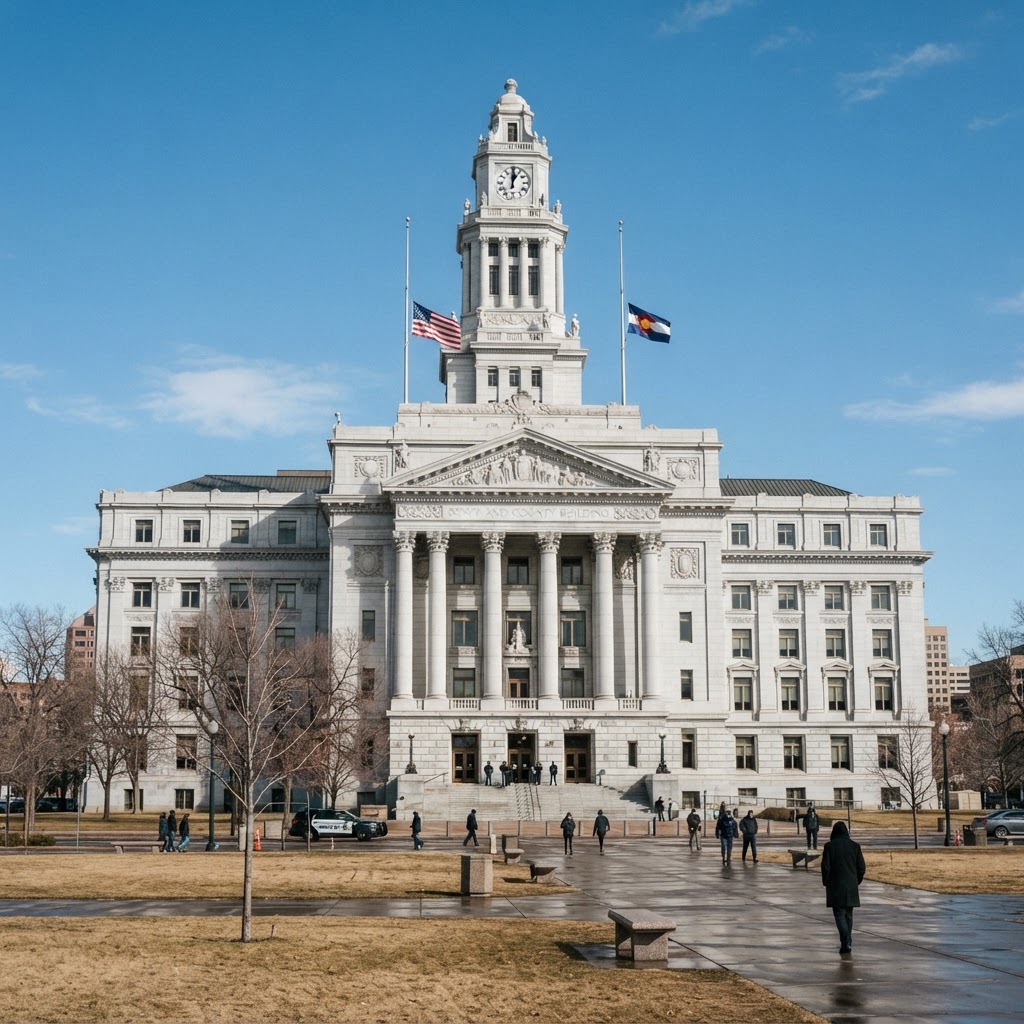
Denver Budget Standoff: Mayor Rejects Key Council Requests
Denver Mayor Mike Johnston has rejected major City Council budget requests, leaving critical public safety and infrastructure funding in a state of uncertainty.
WorthFighting.org News · 6 min read
Related Resources
Related Articles
14 itemsSame category: Supreme Court
Shared tags: Border Security, Immigration
Shared tags: Border Security, Immigration
Related Breaking News
2 itemsShared keywords: high, supreme, court
Related Official Documents
2 itemsRelated Issue Hubs
1 itemShared keywords: border, security
Related States
1 itemShared keywords: washington
What People Are Reading

DHS Border Encounter Statistics: June 2026 Report

Wyoming Energy Authority Launches Power Grid Study

Iowa City School Board Approves $7.5M in Budget Cuts
Trump administration proposes stripping tax-exempt status from schools using race-based programs

California
Take Action
This country is worth fighting for. Get involved today.