Local Government
Not in Our Backyard: How 19,000 Gwinnett Voters Stopped Lawrenceville's Annexation Land Grab
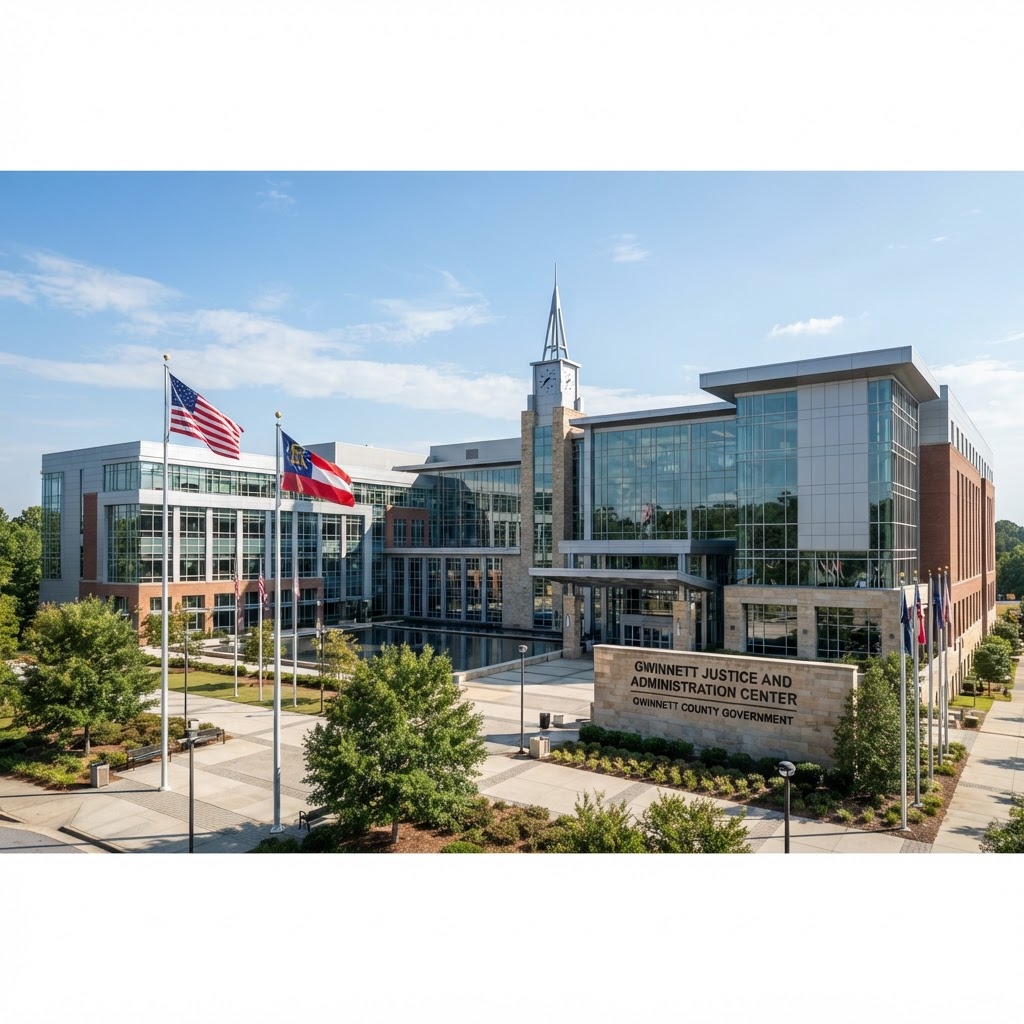
Lawrenceville, Gwinnett County County, Georgia
The City of Lawrenceville wanted to swallow 19,000 unincorporated residents and become the largest city in Gwinnett County. The residents had other ideas — and a vote.

Key Takeaways
- •On May 19, 2026, 54% of roughly 19,000 voters in unincorporated Gwinnett County rejected annexation into the City of Lawrenceville.
- •Had it passed, Lawrenceville would have become the largest city in Gwinnett County and the 12th most populous city in Georgia.
- •City leaders pitched better police, trash, and road services and claimed no tax increase — but conceded residents would lose a value-offset exemption on county millage rates.
- •Mayor David Still said the city's commitment to residents 'remains unchanged'; City Manager Chuck Warbington said the city may pursue a smaller-scale annexation later.
- •The vote highlights a broader Sun Belt pattern of cities trying to absorb unincorporated rings for revenue and prestige — and residents pushing back.
The City of Lawrenceville had a plan to get bigger — a lot bigger — almost overnight.
Put 19,000 unincorporated Gwinnett County residents inside the city limits, leapfrog every other municipality in the county, and become the 12th most populous city in Georgia. Better police. Better trash pickup. Better roads. Who could say no to that?
The residents, as it turned out. On May 19, 2026, 54% of the roughly 19,000 voters targeted for annexation into Lawrenceville checked the box for "no."
A city that spent more than a year selling its own expansion got told, politely and then not so politely, to keep its boundaries to itself.
The pitch
City leaders had pushed the annexation as a simple upgrade. Bring the unincorporated neighborhoods inside Lawrenceville, they argued, and residents would get municipal police, trash pickup and road repairs — the services the county provides, only, in the city's telling, better.
"We appreciate everyone who took time to participate in this process and stay informed throughout the public information effort," Mayor David Still said the morning after the vote. "Our commitment to serving residents and building Lawrenceville's future remains unchanged."
Unchanged, that is, except for the part where the city is now 19,000 people smaller than it had hoped to be by summer.
The tax math that didn't add up
The selling point was never really the trash pickup. It was the promise — repeated at community meetings and in mailers — that annexation wouldn't raise anyone's taxes.
City officials explained that Lawrenceville's millage rate was equivalent to two county millage rates, for code enforcement and police service, that would simply come off a resident's county tax bill once they were inside the city. Same money, better service.
What the pitch left out, until City Manager Chuck Warbington was pressed on it at a community meeting the week before the vote, was the catch: the affected residents would also lose the value-offset exemption they already claimed on those very county districts. For plenty of households, "no tax increase" was going to feel exactly like a tax increase — the kind of detail that tends to surface at the worst possible moment for the people selling it.
It is a familiar pattern in the taxes-and-spending debates that have swept through fast-growing exurbs: a government promises a service swap is revenue-neutral, and the small print quietly says otherwise.
'They're cutting down all the trees'
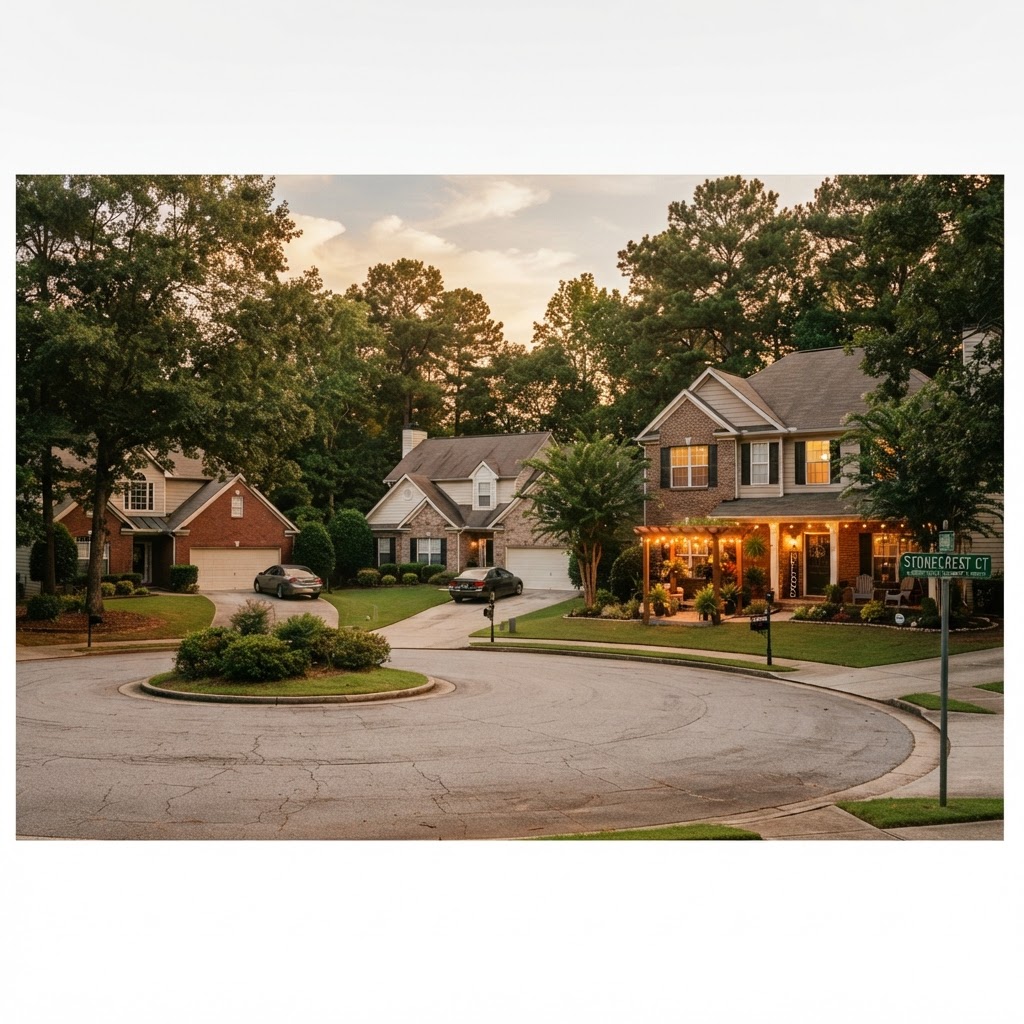
Not every "no" vote was about the millage rate. Plenty of residents had a simpler objection: they like where they live the way it is.
"They're cutting down all the trees. They're pushing out the wildlife, more traffic. I don't like it," Ginger James, an unincorporated resident, told WSB-TV outside her polling place. James said she had walked in undecided and walked out opposed — not over a tax exemption, but over what rapid growth is doing to a county that not long ago was open farmland and pine forest.
That sentiment is the one city planners consistently underestimate. People who moved to unincorporated Gwinnett for bigger lots, quieter roads and fewer ordinances did not move there to be reclassified as urban.
A vote the city didn't expect to lose
Lawrenceville had been chasing this expansion since 2025, when the City Council first weighed a resolution to widen its borders. The question landed on the May 19 primary ballot — the same election that reshaped Georgia's political map — and the result was closer than city hall wanted but clear enough: 54% opposed.
Warbington insisted the loss wasn't really a setback.
"We'll look at the areas that may have supported it," the city manager said, "but, at this point, this does not set us back on anything that we were doing. It was really folks that wanted us to look at that and clean up the city boundaries."
"We're obviously very disappointed," he added, "but it doesn't deter our resolve to continue to provide premium services to the city."
Read that carefully. A 19,000-resident annexation is not "cleaning up the boundaries." It is roughly doubling a city's footprint. And a manager who just lost a referendum but promises to "look at the areas that may have supported it" is telling unincorporated residents the question isn't closed — it's just being broken into smaller pieces.
That is the part worth watching. When a government's expansion plan loses a vote, the next move is rarely to accept the verdict. It is to redraw the map, find the precincts that said yes, and come back for them one neighborhood at a time.
Why it matters beyond Gwinnett
What happened in Lawrenceville is happening in county seats across the South and Sun Belt, where cities chasing prestige and property-tax revenue try to absorb the unincorporated rings around them — the same dynamic driving fights over political boundaries and representation and the broader backlash against green-tinged government overreach.
The premise is always the same: let us grow, and we'll give you "premium services." The residents who push back — and there are more of them every cycle, as election-integrity reforms make local referendums harder to rig — tend to be the people who moved out of the city on purpose the first time.
Who benefits? The 19,000 residents who keep their county tax structure, their larger lots and their distance from a municipal government that just told them it knows best. Who loses? A city manager's office that wanted to be the biggest in the county and instead got a referendum result that says, in the clearest possible terms: not interested.
What happens next
The vote is binding for this plan. The impulse behind it is not. Warbington has already said Lawrenceville may pursue a "smaller-scale" annexation in the future — the same expansion, sliced into pieces that are easier to win precinct by precinct.
The precinct map tells him where to start. The strongest support came from Martins 5, where better than 80% of voters wanted in; Martins 6, the next neighborhood over, voted two-to-one against. Expect the next map to be drawn around the yeses and away from the nos — and expect the residents who said no to find themselves back at a community meeting before long, hearing the same pitch about trash pickup and premium services.
The lesson of Lawrenceville is the lesson of every fast-growing county right now: a city that wants to grow itself will keep trying until the voters make the cost of trying higher than the cost of stopping. On May 19, 19,000 Gwinnett residents did exactly that.
Sources
Explore Georgia
Explore more news, elections, representatives, and information from Georgia.
Visit Georgia State ProfileMore Gwinnett County coverage
Explore the County Government hub, the Gwinnett County hub, and related topic hubs.