Local Government
Duluth Overhauls Its Zoning Code: Smaller Lots, Tighter Setbacks, and What Residents Missed
Duluth, Gwinnett County County, Georgia
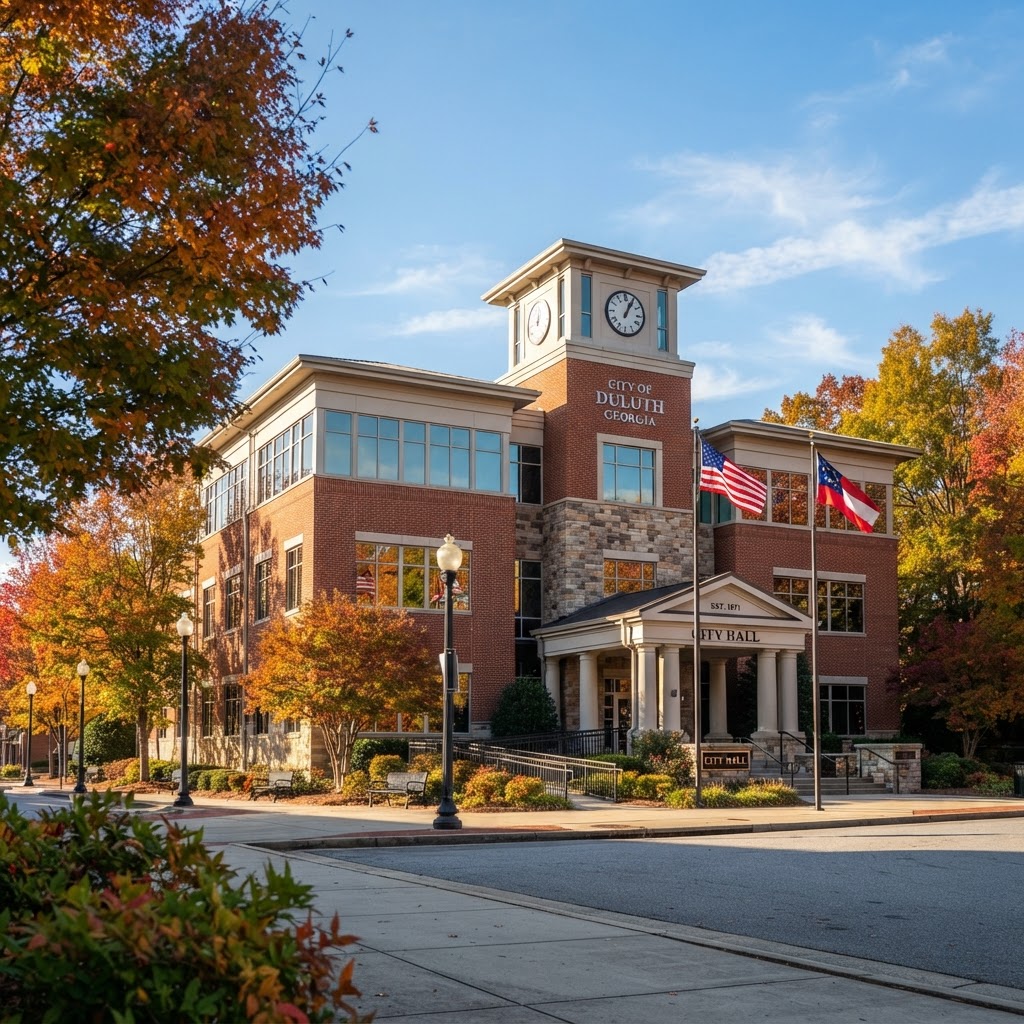
The Duluth City Council voted unanimously to rewrite the city's Unified Development Chapter, cutting setback requirements, shrinking minimum lot sizes, and making it easier for developers to build multifamily housing. Mayor Roger Harris says the changes will boost housing supply. Critics worry about density, traffic, and neighborhood character.
Key Takeaways
- •Duluth City Council voted unanimously September 14 to overhaul the city's Unified Development Chapter (UDC)
- •Side-yard setbacks reduced from 6 feet to 3 feet; minimum lot sizes and frontage requirements reduced
- •Multifamily development approved with reduction from 24 to 18 units on rezoned property
- •Mayor Roger Harris publicly explained the changes on September 24 — weeks after they took effect
- •No dedicated public hearing appears to have been held on the full UDC overhaul
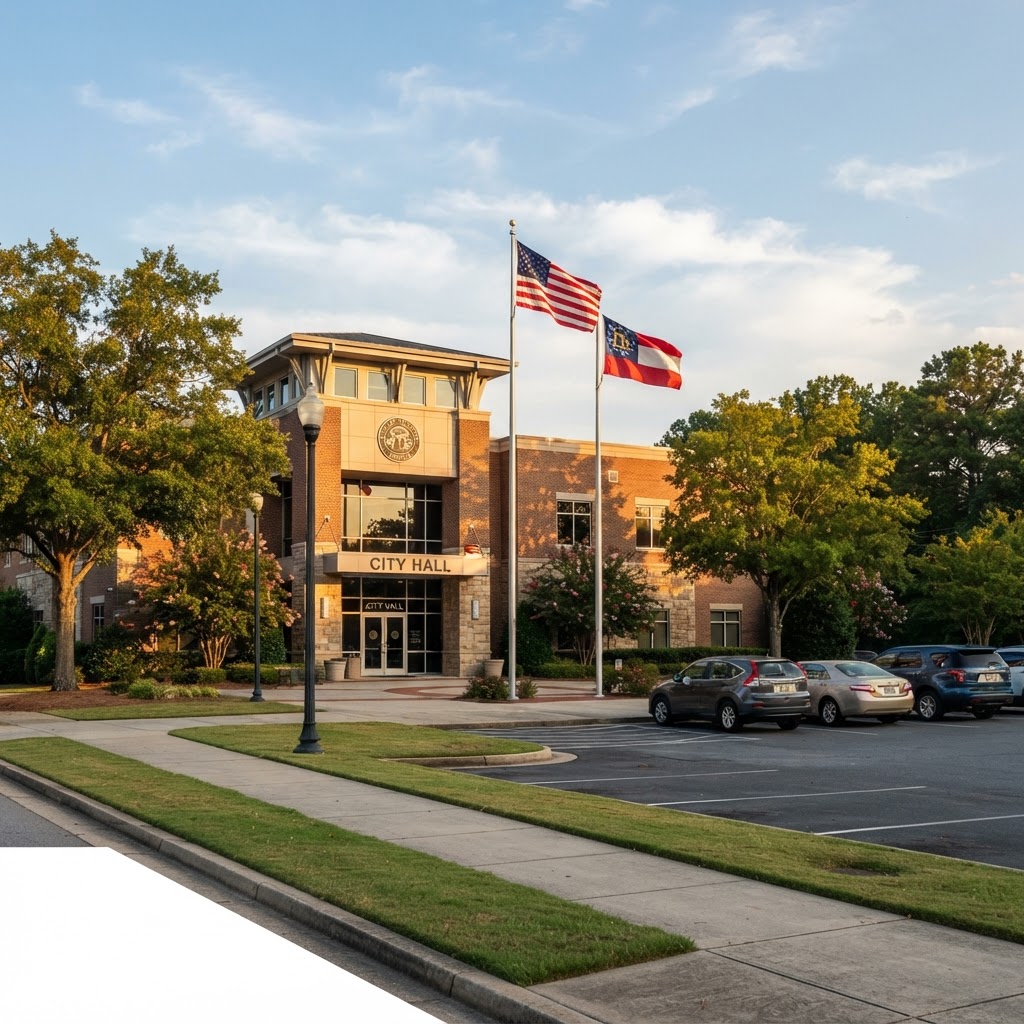
The Duluth City Council voted unanimously on September 14 to overhaul the city's Unified Development Chapter (UDC), the regulatory framework that governs zoning, development, and land use across the city. Mayor Roger Harris publicly explained the changes in a video posted to social media on September 24, outlining specific amendments that make it easier for builders and developers to construct homes and commercial projects.
The changes, which took effect at the end of August, represent the most significant rewrite of Duluth's zoning code in years. They touch nearly every aspect of how property can be used in the city — from how close a house can sit to the property line to how small a lot can be.
What Changed
Among the most consequential amendments:
- Side-yard setbacks reduced from 6 feet to 3 feet, making it easier for homeowners to add onto their houses or for developers to squeeze more structure onto individual lots.
- New, smaller minimum lot sizes and frontage requirements, opening the door to denser subdivisions and infill development that would not have been possible under the old code.
- Indoor sports simulators are now allowed by right in Highway Commercial-Residential (HC-R) and Highway Commercial-Auto (HC-A) zoning districts, part of broader Article 2 changes to the UDC.
- A multifamily development on property rezoned from R-4 to R-5A was approved with a reduction from 24 units to 18 units — a concession to density concerns, but still a net increase in apartments on the site.
The council also approved a Planned Unit Development (PUD) change to allow a hair salon at The District of Duluth, a mixed-use development off Buford Highway.
Who Benefits
The changes are designed to benefit builders, developers, and property owners who want to maximize the use of their land. Mayor Harris framed the overhaul as a response to Georgia's housing supply crisis, noting that the city council passed a resolution in 2025 supporting comprehensive zoning modernization to increase housing availability.
"Growing Duluth's housing supply at all income levels is one of our five strategic priorities," Harris said in a separate post.
Real estate interests and development advocates have long pushed for reduced setbacks and smaller lot minimums, arguing that outdated zoning codes artificially restrict housing construction and drive up prices.
Who Pays
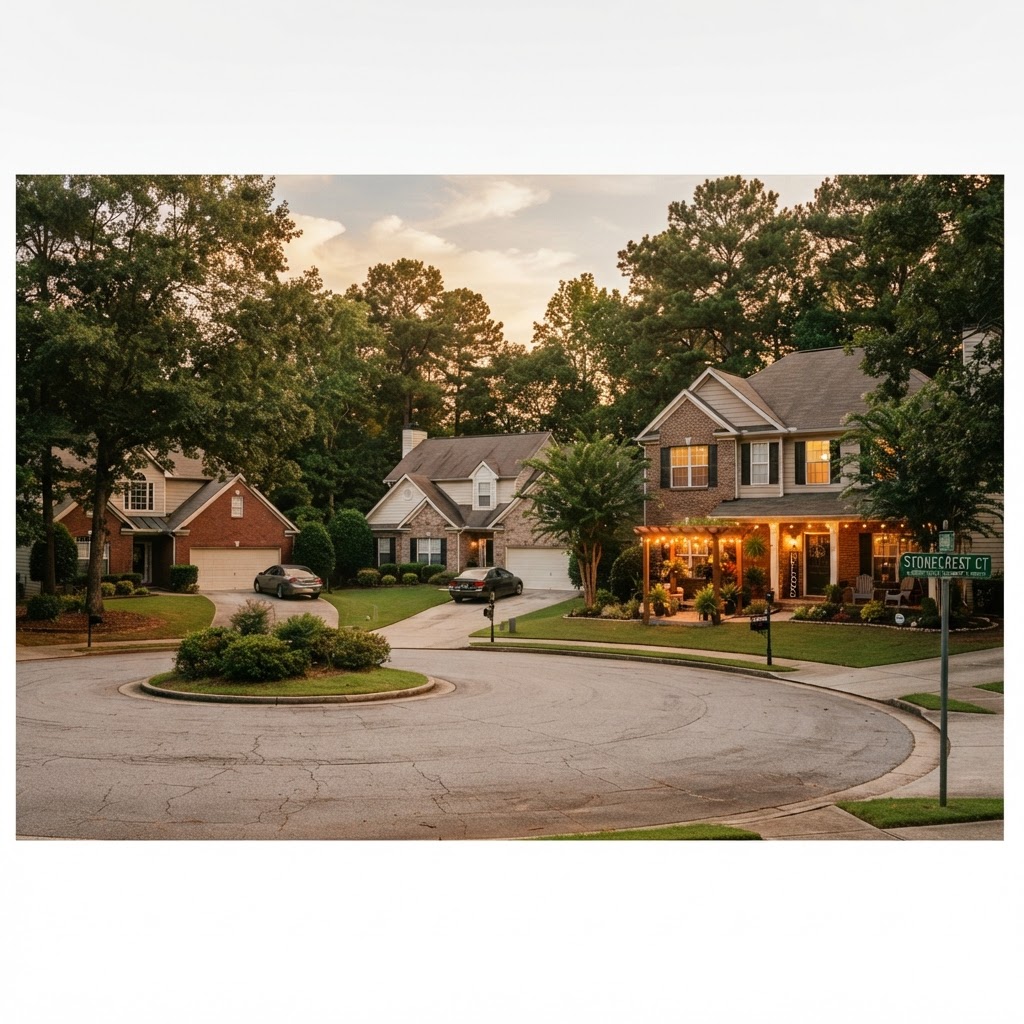
The trade-off is borne by existing residents who bought homes in Duluth expecting a certain level of density and neighborhood character. Reduced setbacks mean structures can be built closer to property lines, potentially affecting privacy, drainage, and sunlight for neighboring properties. Smaller lot sizes open the door to denser subdivisions that could increase traffic on already-congested roads.
Duluth residents have raised concerns about traffic congestion on Pleasant Hill Road and the strain that new development places on infrastructure. The city's own overnight parking ban — which sparked resident outrage over $50 tickets for parking at their own homes — is itself a symptom of a community grappling with the pressures of rapid growth.
The question of who pays for Duluth's growth — developers or taxpayers — remains unresolved. These zoning changes tilt the balance further toward developers.
What Residents Were Told
The UDC overhaul was months in the making. The city council passed a resolution in June 2025 supporting comprehensive zoning and code modernization. But the specific changes — reduced setbacks, smaller lots, new allowed uses — were finalized in a series of votes this summer, culminating in the September 14 council meeting.
It is unclear how many Duluth residents were aware of the specific changes before they took effect. The mayor's September 24 video, posted to Facebook, appears to be the first time the changes were broadly explained to the public — weeks after they went into effect.
The Duluth Planning Commission, which considers zoning ordinance amendments and land use changes, met on September 7. The Zoning Board of Appeals met on September 23. But the city does not appear to have held a dedicated public hearing on the full UDC overhaul.
Why This Matters in Duluth
Duluth is one of Gwinnett County's fastest-changing cities. The Duluth local news coverage has documented the tension between growth and quality of life. These zoning changes will accelerate that transformation.
For homeowners, the changes mean your neighbor can build closer to your property line. For renters, the changes could mean more apartment options — but also more competition for parking and public services. For anyone who chose Duluth for its suburban character, the changes represent a shift toward denser, more urban development patterns.
The changes also intersect with broader Gwinnett County development pressures. A proposal for 1,400 homes near Duluth already raised questions about whether the roads can handle the growth. The UDC overhaul makes it easier for similar projects to move forward.
At the state level, Georgia has encouraged cities to modernize zoning codes to address housing supply. But the pace and transparency of those changes matter. Duluth residents deserve a say in how their city evolves — not just an explanation after the fact.
What Happens Next
The UDC changes are now in effect. The Duluth City Council's next regular meeting is scheduled for October 13. Residents who want to understand how the changes affect their property can contact the Planning and Development Division at 770-476-1790.
The broader question is whether Duluth's zoning modernization will produce the housing supply benefits its proponents promise — or whether it will simply accelerate density and traffic without adequate infrastructure investment. The answer will shape Duluth for decades.
Sources & Documents
- City of Duluth, Mayor Roger Harris Facebook post, September 24, 2026
- City of Duluth City Council meeting, September 14, 2026
- City of Duluth Planning Commission meeting, September 7, 2026
- Citizenportal.ai, "City amends UDC to allow indoor sports simulators in highway commercial zones," September 20, 2026
- Citizenportal.ai, "Council approves PUD change to allow hair salon at The District of Duluth," September 20, 2026
- City of Duluth, Resolution 25-0520R, June 16, 2025
More Gwinnett County Coverage
For more reporting from across Gwinnett County — Lawrenceville, Duluth, Norcross, Snellville, Suwanee, and every community in the county — visit our Gwinnett County news hub, or browse all local news from WorthFighting.org.
Sources
Explore Georgia
Explore more news, elections, representatives, and information from Georgia.
Visit Georgia State ProfileMore Gwinnett County coverage
Explore the County Government hub, the Gwinnett County hub, and related topic hubs.