
Wyoming Leads Multi-State Charge Against EPA’s War on Coal
Wyoming leads an 18-state EPA power plant rule lawsuit to block federal mandates threatening energy independence and the Wyoming coal industry.
Jameson Vance
Senior Political Correspondent

Wikimedia Commons / CC BY-SA 3.0
Key Takeaways
- 1.Wyoming and 18 other states filed a lawsuit on July 21, 2026, against the EPA's 'Clean Power Plan 2.0'.
- 2.The rule requires coal plants to capture 90% of carbon emissions by 2032, a mandate critics say is technologically unfeasible.
- 3.The legal challenge argues the EPA has exceeded its congressional authority and threatens the stability of the U.S. electric grid.
On July 21, 2026, Wyoming Governor Mark Gordon sent a clear message to the federal bureaucracy: the American West will not be regulated into poverty. Leading a coalition of 18 other states, Wyoming filed a comprehensive EPA power plant rule lawsuit to strike down the Biden administration's 'Clean Power Plan 2.0.' This latest regulatory assault isn't just a policy disagreement; it is a calculated attempt to dismantle the most reliable portion of the American energy grid while forcing an unproven, expensive technological mandate on the heartland.
For years, the EPA has operated as a de facto legislative body, bypassing Congress to impose environmental standards that effectively outlaw coal-fired power. Under the new rule, existing coal plants are required to capture 90% of their carbon emissions by 2032. If they cannot—or if the technology doesn't exist at a price consumers can afford—they face forced closure. This is a death sentence for the Wyoming coal industry and a direct threat to the stability of the national electric grid.
A Direct Assault on American Energy
Governor Mark Gordon’s announcement on Tuesday highlighted the legal overreach inherent in the EPA’s mandate. The coalition argues that the rule exceeds federal authority, violating the 'Major Questions Doctrine' which prevents agencies from making decisions of vast economic and political significance without clear congressional authorization. This isn't just about the environment; it's about who governs America—elected representatives or unelected bureaucrats in D.C. office buildings.
The timing of this mandate could not be worse. As families across the country struggle with the fallout of 'Bidenomics,' the cost of heating and cooling a home is skyrocketing. We have already seen how radical energy shifts affect the bottom line for everyday Americans. For instance, Utah families face a 30% power bill spike proposal largely driven by the regulatory pressure to move away from stable baseload power. By forcing the premature retirement of coal plants, the EPA is ensuring that every American's utility bill becomes a second mortgage.
The Technical Impossibility of the CCS Mandate
At the heart of the lawsuit is the carbon capture mandate. The EPA claims that Carbon Capture and Storage (CCS) technology is the 'best system of emission reduction' available. Wyoming officials, who have spent more on carbon research than almost any other state, disagree.
The facts: While CCS technology exists in pilot phases and specialized industrial applications, it is not yet commercially viable at the massive scale demanded by federal bureaucrats for the entire national power fleet. Forcing plants to adopt a 90% capture rate by 2032 requires a technological and infrastructural build-out that is physically impossible in the current economic environment. There are no pipelines to move the captured CO2, no established regulatory framework for long-term storage in many states, and the cost of the equipment alone would bankrupt municipal utilities.
The Fact Check: Bureaucracy vs. Reality
- EPA Claim: CCS is 'adequately demonstrated' and ready for nationwide implementation.
- Reality: Only a handful of coal plants globally have attempted this at scale, often with staggering cost overruns and technical failures.
- EPA Claim: The rule will have minimal impact on grid reliability.
- Reality: Grid operators have repeatedly warned that the rapid loss of baseload coal power—which provides steady electricity regardless of weather—increases the risk of rolling blackouts during peak demand.
Defending the Grid and the Taxpayer
This legal battle is the frontline of the fight for energy independence. When we shutter coal plants, we don't just lose jobs in Wyoming or West Virginia; we lose the ability to power our own country without relying on foreign supply chains for solar panels and wind turbine components, most of which are controlled by China.
Governor Gordon and the 18-state coalition are standing up for the principle that energy policy should be based on physics and economics, not ideological crusades. The EPA's rule is a transparent attempt to achieve through regulation what the administration cannot achieve through the democratic process. It is a 'War on Coal' that has evolved into a war on the American consumer.
We see the results of this disconnect every month when new economic data is released. Despite claims of a 'soft landing' for the economy, July data show why families still don’t trust Washington. When the cost of the very electricity that runs your home is subject to the whims of a radical environmental agenda, 'cooling inflation' is a myth to the person paying the bill.
The Conservative Case: Federalism and Freedom
The conservative case against the EPA is rooted in federalism. The Constitution does not grant the federal government the power to micro-manage the energy mix of individual states. Wyoming knows how to manage its resources better than a staffer in Washington. By leading this lawsuit, Governor Gordon is defending the sovereign right of states to utilize their natural resources for the benefit of their citizens.
If this rule is allowed to stand, the American power grid will become more expensive, less reliable, and more dependent on our adversaries. Wyoming is holding the line. The rest of the country should be grateful that at least 19 governors still believe that affordable, reliable energy is worth fighting for.
Comments (0)
Be the first to comment.
Sources
- 1.Office of Governor Mark GordonofficialAccessed Jul 22, 2026
- 2.Environmental Protection AgencygovernmentAccessed Jul 22, 2026
Related Stories
Economy
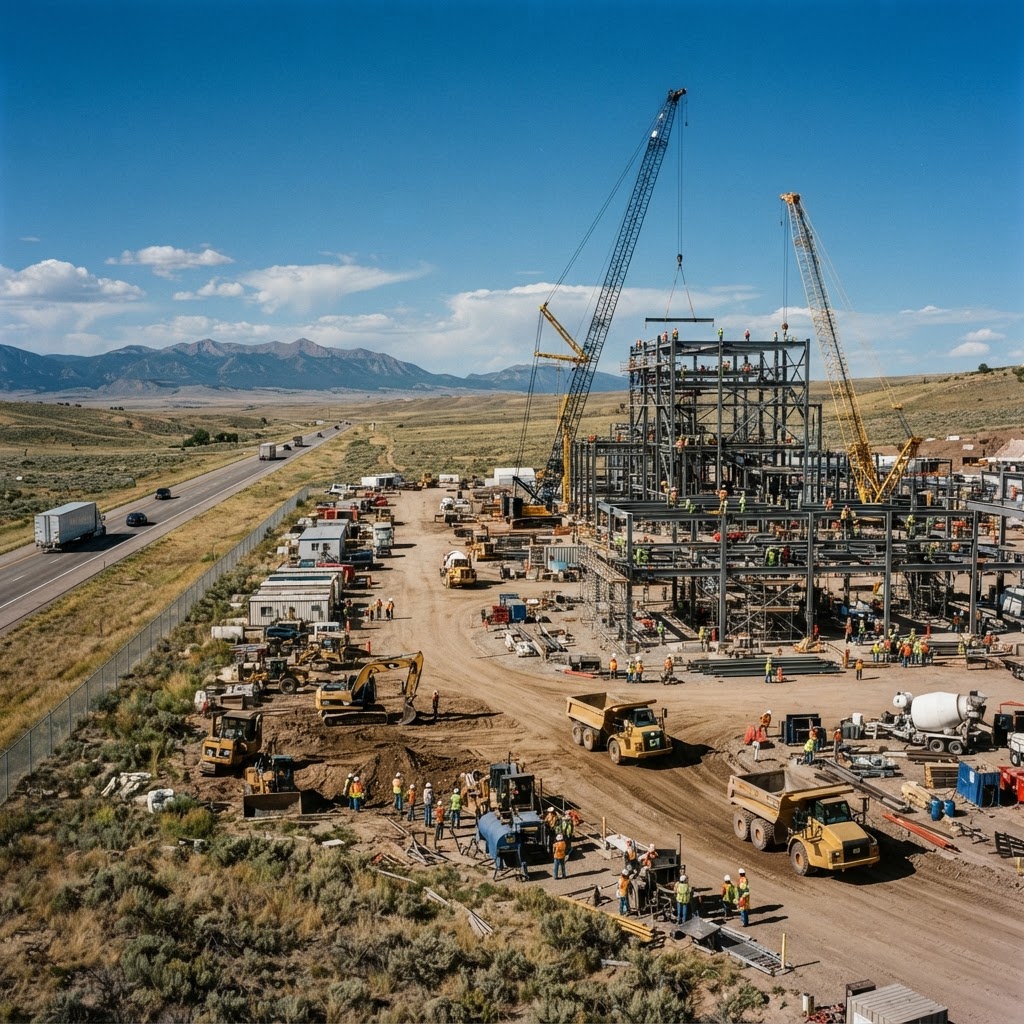
Cheyenne Data Center Project Shifts to Google Ownership
A massive $17 billion data center project near Cheyenne has officially transitioned to Google, marking a significant shift in Wyoming's industrial landscape.
WorthFighting.org News · 6 min read
Economy
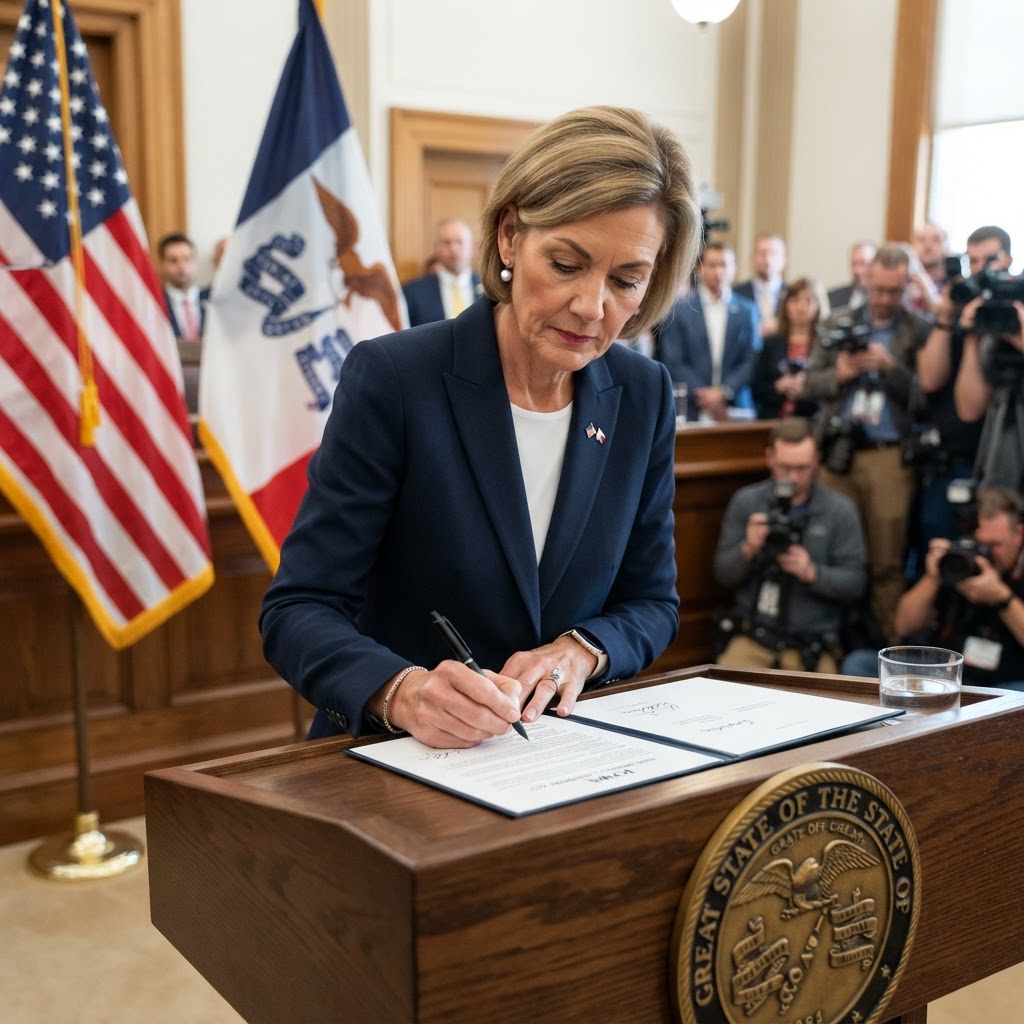
Iowa Leads Nation with Historic Property Tax Reform
Governor Kim Reynolds has signed landmark legislation providing $4.2 billion in property tax relief, marking the largest reduction of its kind in the nation.
WorthFighting.org News · 6 min read

Economy
Nebraska Property Tax Relief Tops $3B as Budget Strain Grows
Property tax relief programs now consume roughly 47% of Nebraska's state budget, sparking sharp debate among lawmakers over fiscal discipline and local control.
WorthFighting.org News · 5 min read

Economy
Huntsville Proposes $230M Tax District to Fuel Growth
Huntsville municipal leaders proposed a 9,000-acre tax increment financing district to fund up to $230 million in vital infrastructure projects.
WorthFighting.org News · 5 min read

Economy
RI Senate Committee Advances $15.2B Budget Plan
The Rhode Island Senate Finance Committee passed a $15.2B state budget targeting school aid, local control, and creating a state inspector general.
WorthFighting.org News · 5 min read
Economy
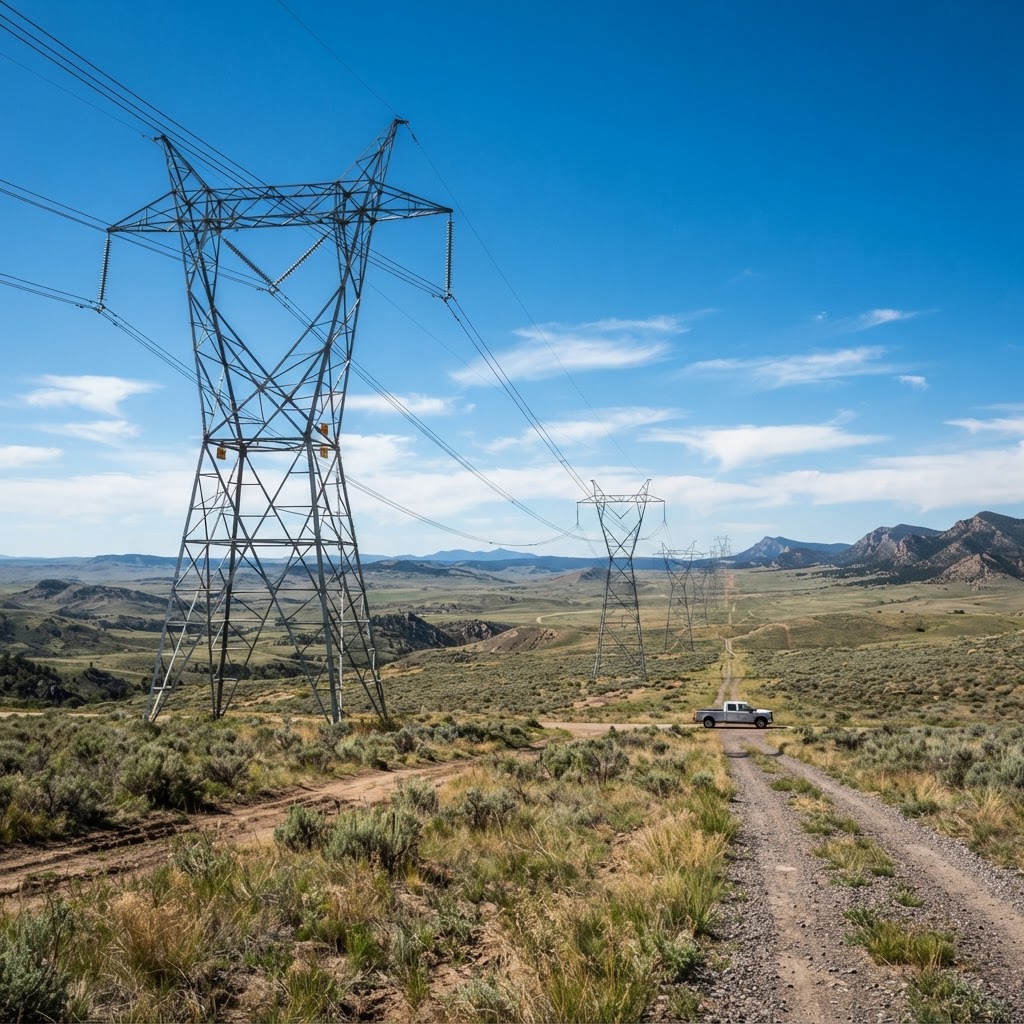
Wyoming Energy Authority Launches Power Grid Study
Wyoming selects Energy Strategies to run a major statewide transmission study to secure grid reliability, map power infrastructure, and spur economic growth.
WorthFighting.org News · 5 min read
Related Resources
Related Articles
9 itemsSame category: Economy
Same category: Economy
Same category: Economy
Related Breaking News
1 itemSame category: Economy
More from Economy
Economy
Denver Budget Crisis Deepens as City Faces $200M Gap
Denver faces a massive $200 million budget shortfall for 2026, forcing the city to consider layoffs and furloughs after years of rapid government expansion.
WorthFighting.org News · 6 min read

Economy
ND Towns Turn to Sales Taxes After Property Tax Cap
Over a dozen North Dakota cities and counties propose sales tax increases this June as local officials navigate state-mandated property tax revenue caps.
WorthFighting.org News · 5 min read

Economy
Vermont Tax Revolt Leaves Barre Schools Without Budget
Barre voters prepare for a high-stakes third school budget vote as taxpayers push back against relentless property tax hikes across Vermont.
WorthFighting.org News · 6 min read
What People Are Reading

Newton Faces Deep Fiscal Pressures Over School Costs

MA Imposes 5-Day Limit on Migrant Shelter Stays
Platner campaign putting 'thumb on scale' to influence possible replacement, Maine Dem alleges
Firestorm erupts online after Minnesota paper praises Tim Walz's clemency for child sex offender

Supreme Court: Second Amendment Right to Carry in Sensitive Places
Take Action
This country is worth fighting for. Get involved today.