Cooling Inflation, Hot Bills: July Data Show Why Families Still Don’t Trust Washington
Fresh July data show inflation cooling on paper, but families still face high food, housing, and energy costs as Washington resists real spending cuts.
Caleb Mercer
Senior Economics Correspondent
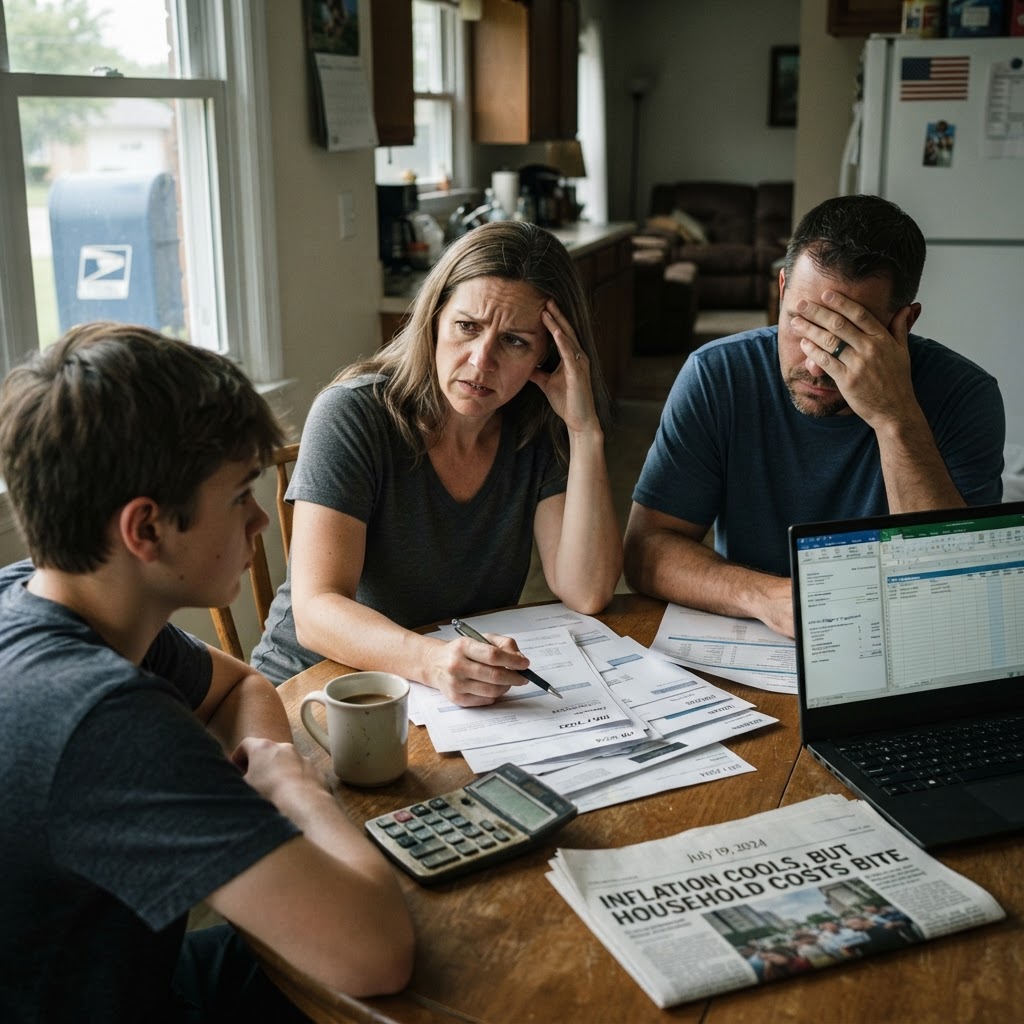
Fresh July economic data gave Washington a talking point, but not much relief at the kitchen table. The latest consumer price report, released this week, showed annual inflation easing to a more manageable pace after months of stubborn pressure. Yet for millions of families, the reality is simple: a slower rate of price increases is not the same thing as affordable living.
A Better Headline Than Household Reality
According to the June inflation report, overall prices rose modestly from a year earlier, with core inflation still running above the level many economists consider healthy. Housing, food away from home, auto insurance, and electricity remained among the biggest pain points.
That matters because Americans are not comparing prices to last month. They are comparing them to what they paid before years of reckless federal spending, supply chain fragility, and anti-energy policies pushed costs higher.
"The political class keeps celebrating deceleration while families are still stuck at an elevated price level," said Rachel Mercer, senior economist at the Center for American Prosperity, a market-oriented policy group. "People do not feel victory when the grocery bill is still 20 to 30 percent above where it was a few years ago."
Where the Squeeze Is Still Hitting
Even with inflation cooling on paper, household budgets remain under strain in several key areas:
- Housing: Mortgage rates and rents continue to punish first-time buyers and young families.
- Food: Grocery inflation has slowed, but staples remain far above pre-spike levels.
- Energy: Utility bills are still volatile in many regions, especially during summer demand.
- Borrowing costs: Small businesses and working families are paying more for credit, cars, and equipment.
For manufacturers and contractors, the picture is equally mixed. Orders have stabilized in parts of the Midwest and South, helped by reshoring and defense-related demand. But elevated financing costs and regulatory uncertainty are still blocking expansion.
The America First Fix
Conservative analysts argue the path forward is not another round of federal stimulus, green subsidies, or bureaucratic micromanagement. It is a return to the fundamentals: domestic energy production, spending restraint, tax certainty, and policies that put American workers first.
"If Washington wants prices to truly come down, it has to stop flooding the economy with debt and stop treating American energy like a political enemy," said Daniel Haskins, budget policy director at the Jefferson Fiscal Institute.
Haskins added that securing supply chains through U.S. production is now an economic necessity, not just a campaign slogan. "You cannot build price stability on foreign dependence," he said.
Voters Want Discipline, Not Spin
The deeper political problem for Washington is credibility. Families have heard too many official assurances while watching insurance, childcare, and utility costs climb anyway. Economic trust will not be restored through rosy press releases.
What would help? Conservative policy shops are increasingly aligning around a short list:
- cut discretionary spending growth,
- make pro-family tax relief permanent,
- expand domestic oil and natural gas output,
- reduce regulations on small business expansion, and
- reward Made-in-America investment over offshoring.
The July numbers may calm markets for a news cycle. But until American families can breathe again, inflation will remain more than a statistic. It will remain a daily reminder that limited government and economic common sense are not ideological luxuries. They are necessities.
Comments (0)
Related Stories
Economy
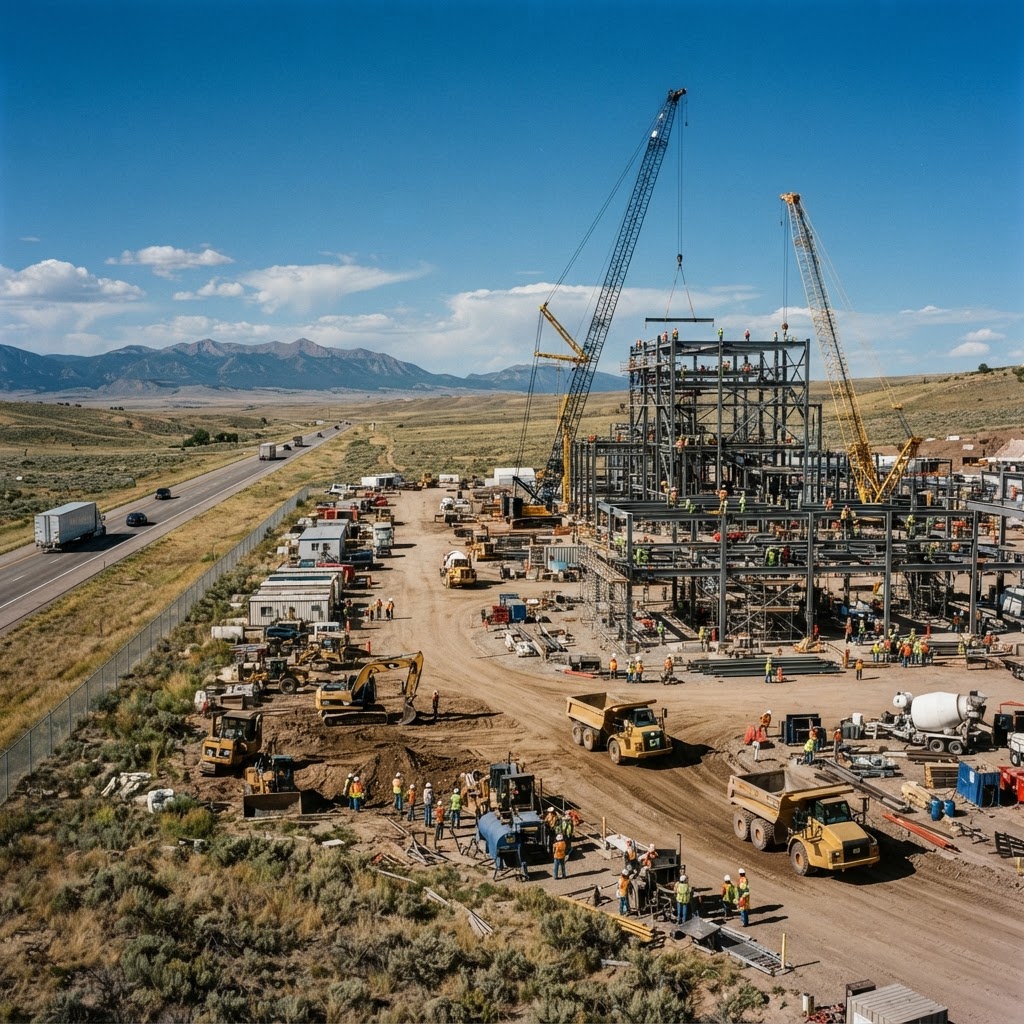
Cheyenne Data Center Project Shifts to Google Ownership
A massive $17 billion data center project near Cheyenne has officially transitioned to Google, marking a significant shift in Wyoming's industrial landscape.
WorthFighting.org News · 6 min read
Economy
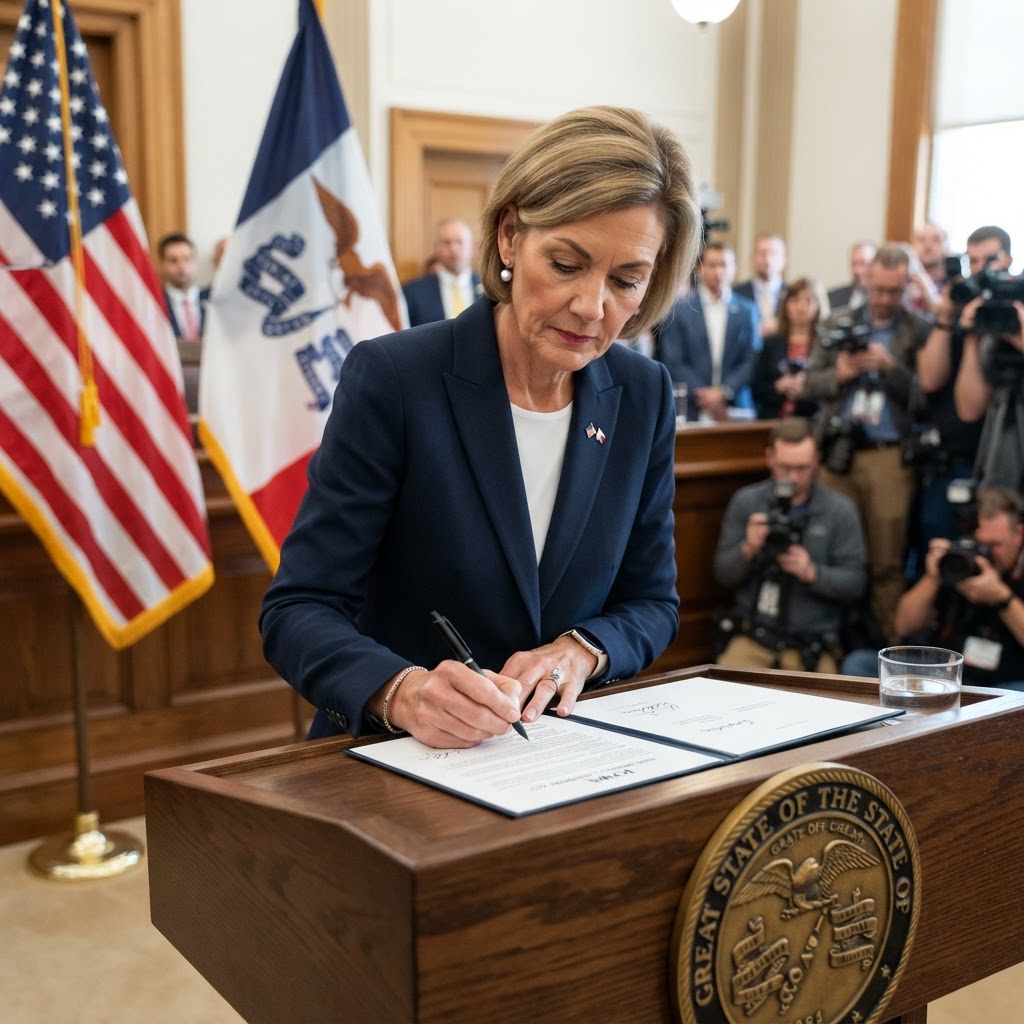
Iowa Leads Nation with Historic Property Tax Reform
Governor Kim Reynolds has signed landmark legislation providing $4.2 billion in property tax relief, marking the largest reduction of its kind in the nation.
WorthFighting.org News · 6 min read

Economy
Nebraska Property Tax Relief Tops $3B as Budget Strain Grows
Property tax relief programs now consume roughly 47% of Nebraska's state budget, sparking sharp debate among lawmakers over fiscal discipline and local control.
WorthFighting.org News · 5 min read
Economy
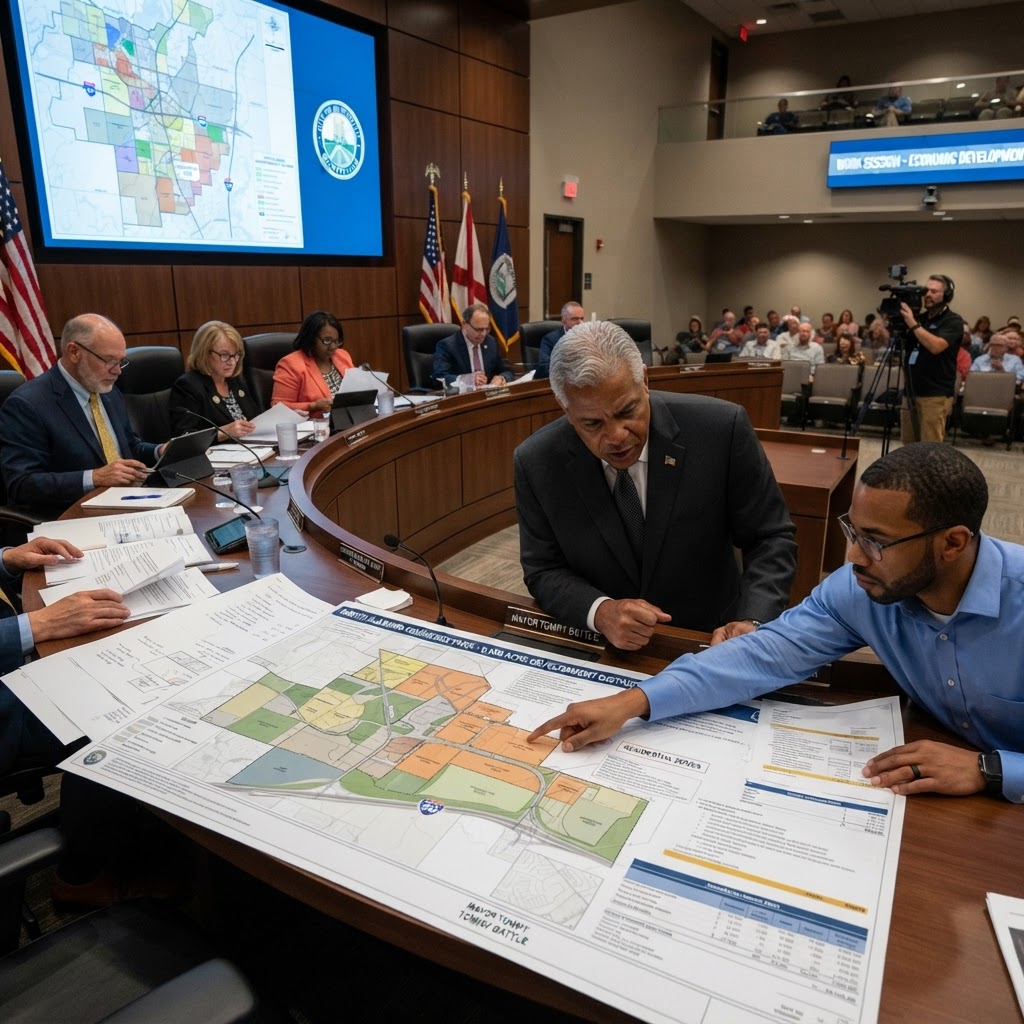
Huntsville Proposes $230M Tax District to Fuel Growth
Huntsville municipal leaders proposed a 9,000-acre tax increment financing district to fund up to $230 million in vital infrastructure projects.
WorthFighting.org News · 5 min read
Economy
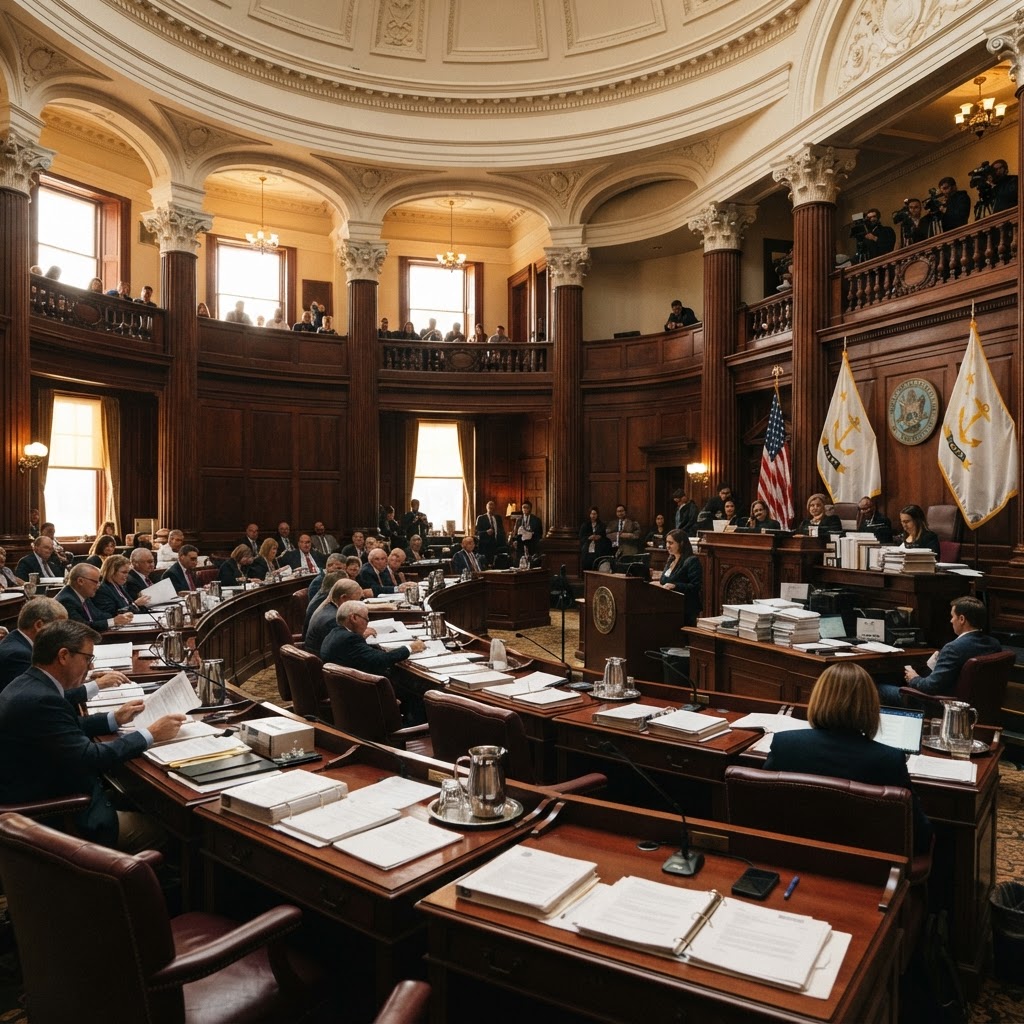
RI Senate Committee Advances $15.2B Budget Plan
The Rhode Island Senate Finance Committee passed a $15.2B state budget targeting school aid, local control, and creating a state inspector general.
WorthFighting.org News · 5 min read
Economy
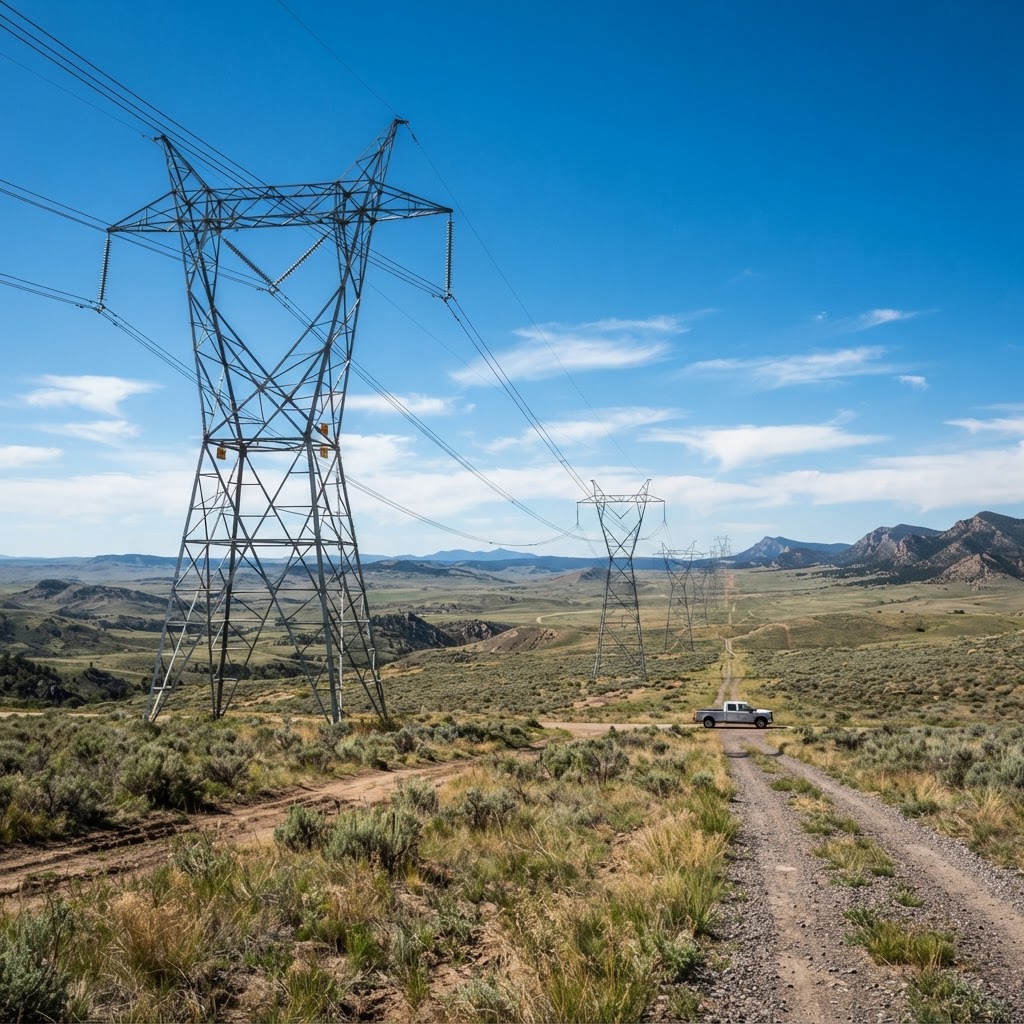
Wyoming Energy Authority Launches Power Grid Study
Wyoming selects Energy Strategies to run a major statewide transmission study to secure grid reliability, map power infrastructure, and spur economic growth.
WorthFighting.org News · 5 min read
More from Economy

Economy
Denver Budget Crisis Deepens as City Faces $200M Gap
Denver faces a massive $200 million budget shortfall for 2026, forcing the city to consider layoffs and furloughs after years of rapid government expansion.
WorthFighting.org News · 6 min read

Economy
ND Towns Turn to Sales Taxes After Property Tax Cap
Over a dozen North Dakota cities and counties propose sales tax increases this June as local officials navigate state-mandated property tax revenue caps.
WorthFighting.org News · 5 min read

Economy
Vermont Tax Revolt Leaves Barre Schools Without Budget
Barre voters prepare for a high-stakes third school budget vote as taxpayers push back against relentless property tax hikes across Vermont.
WorthFighting.org News · 6 min read
Take Action
This country is worth fighting for. Get involved today.