
MA Imposes 5-Day Limit on Migrant Shelter Stays
Governor Maura Healey implements a new five-day limit at migrant respite centers as Massachusetts struggles with a massive surge and budgetary strain.
WorthFighting.org News
Staff Writer
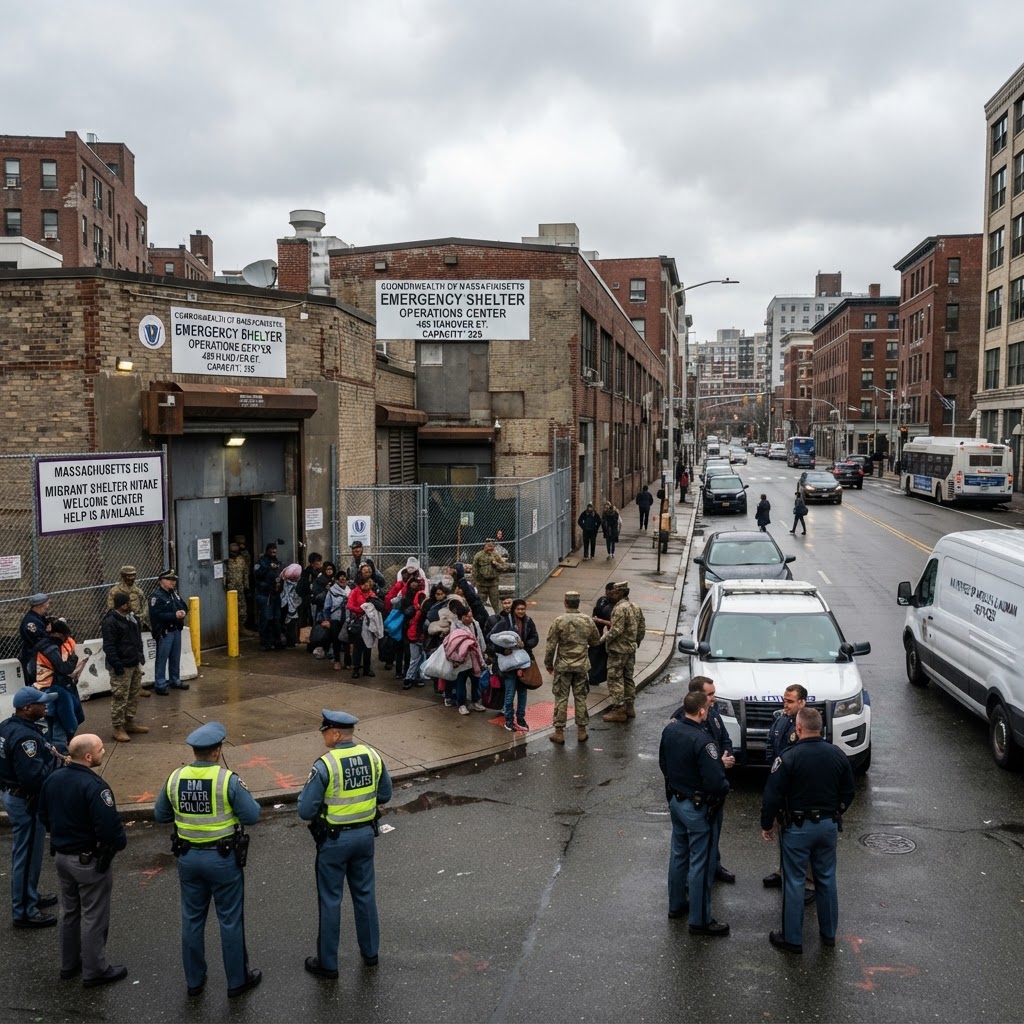
A System at the Breaking Point\n\nAs the sun rose over Boston on August 1, 2024, a new and harsh reality set in for the hundreds of migrants occupying state-funded respite centers across Massachusetts. The administration of Governor Maura Healey has officially implemented a strict five-day limit on stays at these temporary facilities, a move that signals the complete exhaustion of state resources in the face of a never-ending influx of foreign nationals. For a state that has long prided itself on being a beacon of progressive sanctuary policies, the new mandate is a stunning admission that the current path is unsustainable.\n\nThe policy change targets the state’s 'overflow' sites—temporary respite centers designed to house families when the primary Emergency Assistance (EA) system is full. With the main system capped at 7,500 families, these overflow sites in cities like Boston, Quincy, and Worcester have become semi-permanent encampments. Under the new rules, families arriving at these sites in Suffolk County and beyond are given a stark choice: accept state-funded transportation to another location or find their own housing within 120 hours. Those who refuse to leave after the five-day window will be barred from entering the broader state shelter system for at least six months.\n\n## Taxpayer Burden and Fiscal Mismanagement\n\nThis policy shift is not merely a matter of logistics; it is a response to a looming fiscal disaster. The Emergency Assistance program, managed by the Massachusetts Department of Housing and Livable Communities (DHLC), has seen its costs explode. What was once a manageable social safety net has ballooned into a nearly $1 billion annual line item. The sheer scale of this spending has drawn sharp criticism from those who believe state funds should be prioritized for America First initiatives and the support of our own struggling citizens.\n\nIn Suffolk County, the impact on local municipal budgets is becoming increasingly clear. Schools are struggling to accommodate new students who do not speak English, and local emergency services are being stretched thin. The fiscal year 2025 budget includes hundreds of millions specifically for migrant housing, money that critics argue could have been used to repair crumbling infrastructure or provide tax relief to the working-class families of the Commonwealth. The implementation of the five-day limit is an attempt to stem this financial bleeding, but many wonder if it is too little, too late.\n\n## The Consequences of Open Borders\n\nThe crisis in Massachusetts is a direct symptom of the broader failure to maintain border security at the national level. As the federal government fails to stem the flow of illegal crossings at the southern border, the burden has shifted to states and municipalities thousands of miles away. Governor Healey, despite her past support for liberal immigration policies, has found herself in the unenviable position of having to tell the world that 'Massachusetts is full.'\n\nEarlier this summer, Healey even dispatched state officials to the southern border to hand out flyers and meet with NGOs, warning potential migrants that Massachusetts could no longer guarantee housing or support. This move, combined with the new five-day limit, represents a pivot toward a more pragmatic—and some would say conservative—approach to the crisis. However, for many residents in communities like Chelsea and Revere, the damage to the local social fabric is already done. The pressure on the housing market has driven rents to record highs, making it nearly impossible for local military veterans and low-income residents to find affordable places to live.\n\n## Public Safety and Community Concerns\n\nBeyond the financial costs, there are mounting concerns regarding public safety and community stability. The rapid conversion of hotels and recreational facilities into shelters has occurred with little to no input from local residents. In some instances, public parks and community centers have been closed to the taxpayers who fund them so they can be repurposed for migrant housing. This has created a sense of resentment among locals who feel that their needs are being placed second to those who have just arrived.\n\nLaw enforcement agencies in the Northeast are also monitoring the situation closely. While the majority of families in the system are seeking a better life, the sheer volume of undocumented individuals entering the state presents a vetting challenge for local authorities. As the five-day limit forces more individuals out of the respite centers, there are concerns that unauthorized encampments may begin to pop up in public spaces, further straining police resources in Boston and surrounding towns.\n\n## Why This Matters\n\nThe implementation of a five-day stay limit in Massachusetts is a watershed moment in the national debate over immigration and local sovereignty. It proves that even the most well-intentioned 'sanctuary' policies eventually buckle under the weight of reality. When a state is forced to choose between its own citizens and an unlimited number of new arrivals, the primary duty of the government must be to its own people. This policy shift is a necessary, albeit late, step toward restoring some semblance of order and fiscal sanity to the Bay State. For the rest of the Northeast, the Massachusetts experience serves as a cautionary tale of what happens when border security is ignored and taxpayer generosity is taken for granted.
Comments (0)
Related Stories

America First
Leslie County Secures Emergency Funds for Road Repairs
The Kentucky Transportation Cabinet has awarded over $161,000 in emergency aid to Leslie County to address critical road slides and ensure community safety.
WorthFighting.org News · 5 min read
Crime
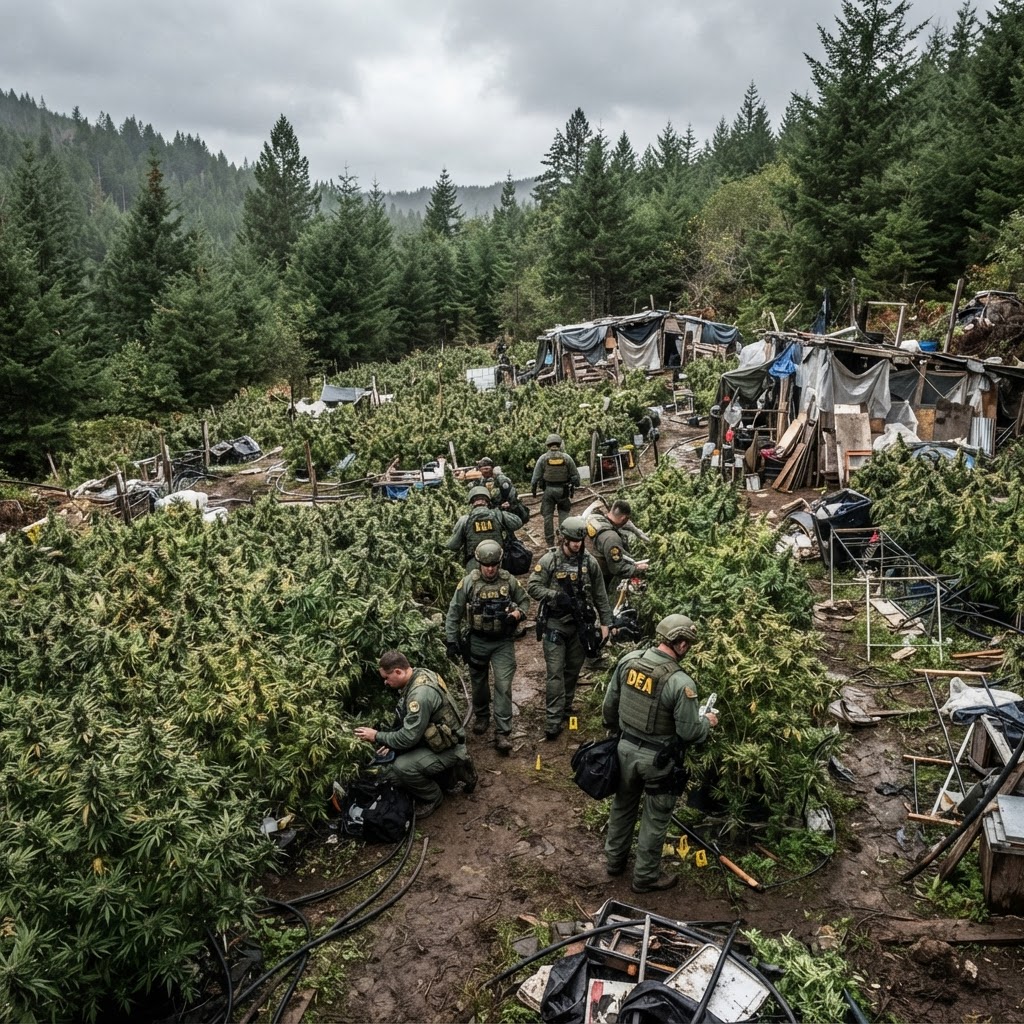
Oregon Authorities Bust $20M Illegal Marijuana Operation
Law enforcement in Oregon dismantled a massive illegal drug trafficking ring, seizing $20 million in cannabis and rescuing 55 laborers from inhumane conditions.
WorthFighting.org News · 6 min read
Education
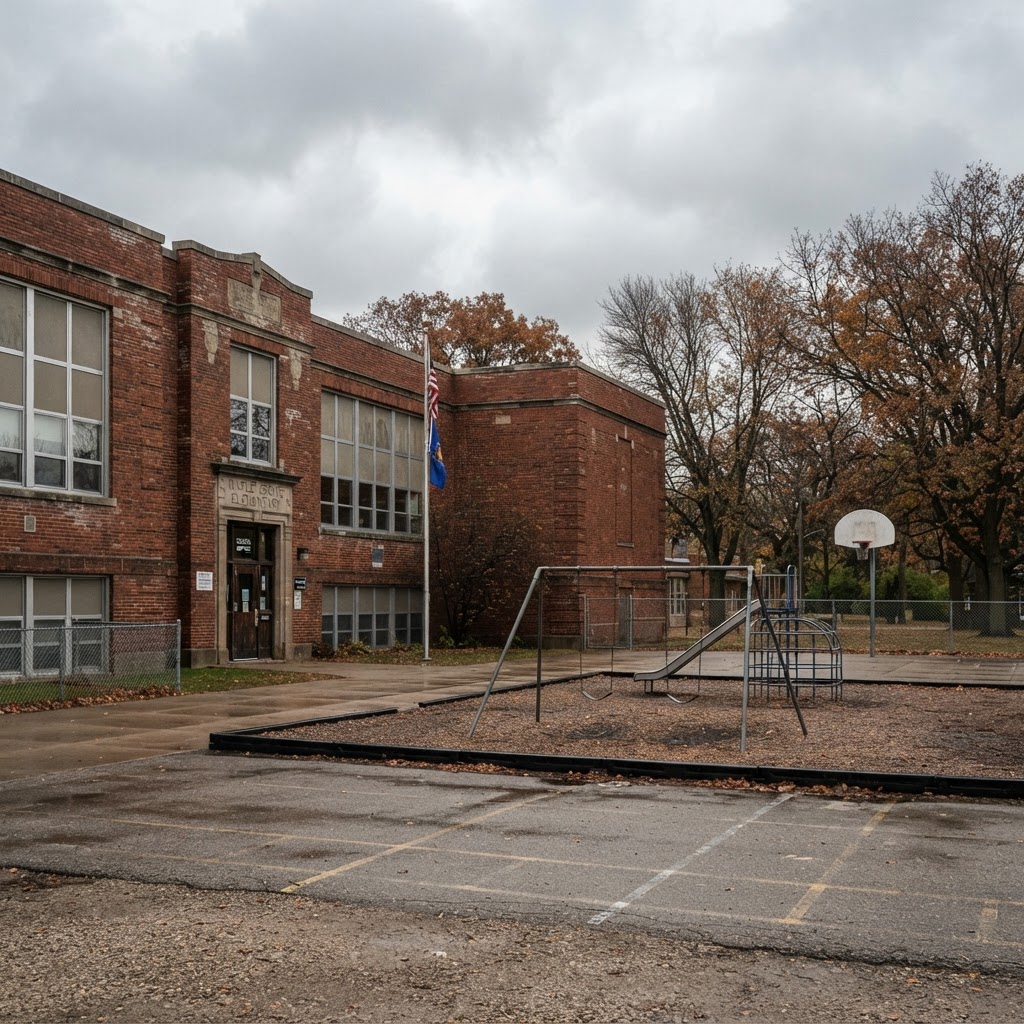
Gillett Schools Slash Programs After Referendum Failure
The Gillett School District is moving forward with significant budget cuts following the recent failure of a local funding referendum by voters.
WorthFighting.org News · 5 min read
Education
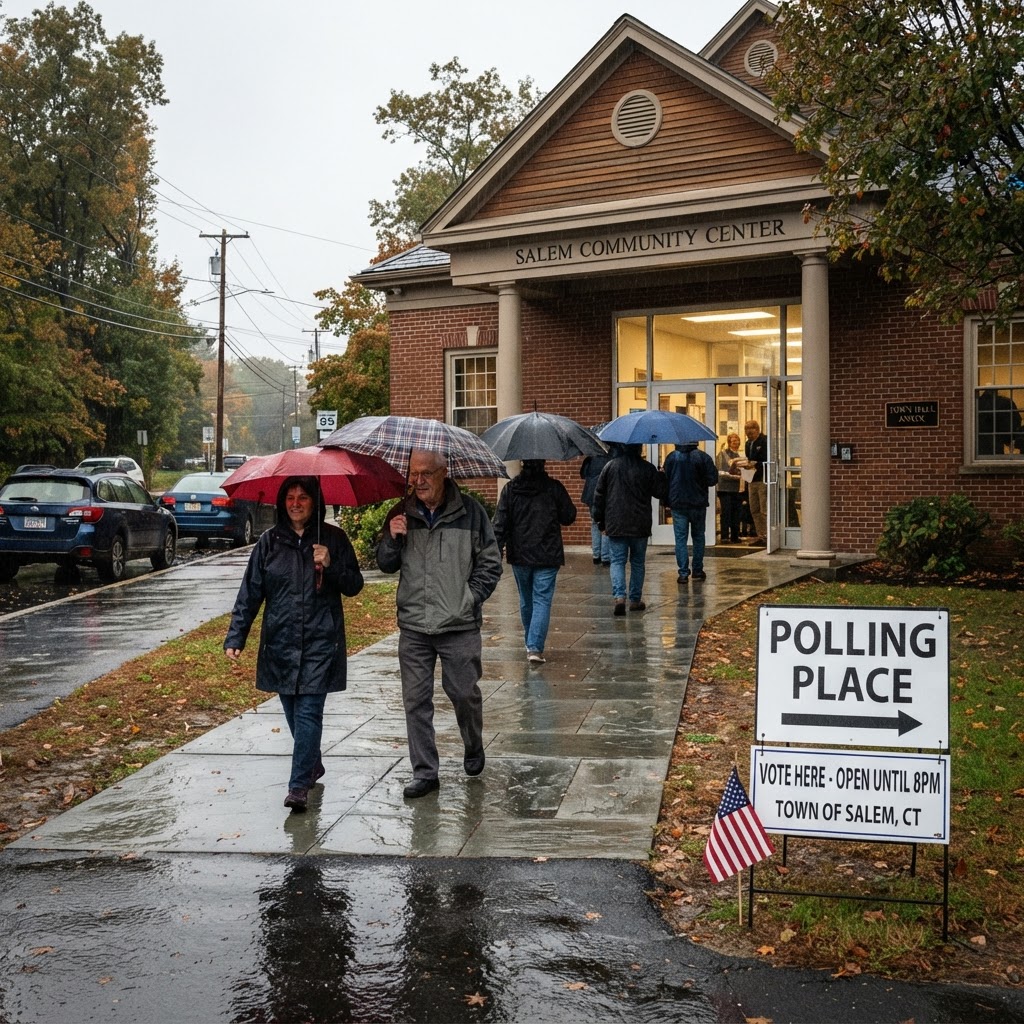
Plainfield Voters Secure School Funding in Second Ballot
Plainfield residents successfully passed a school budget in a second vote, effectively minimizing potential cuts to local education programs and staff.
WorthFighting.org News · 5 min read

Economy
Cheyenne Data Center Project Shifts to Google Ownership
A massive $17 billion data center project near Cheyenne has officially transitioned to Google, marking a significant shift in Wyoming's industrial landscape.
WorthFighting.org News · 6 min read
Economy
Iowa Leads Nation with Historic Property Tax Reform
Governor Kim Reynolds has signed landmark legislation providing $4.2 billion in property tax relief, marking the largest reduction of its kind in the nation.
WorthFighting.org News · 6 min read
Take Action
This country is worth fighting for. Get involved today.