
Mass. Limits Migrant Shelter Stays Amid Norfolk Controversy
The Healey administration has announced a 30-day limit for migrant families in state overflow shelters as the crisis continues to strain local resources in
WorthFighting.org News
Staff Writer
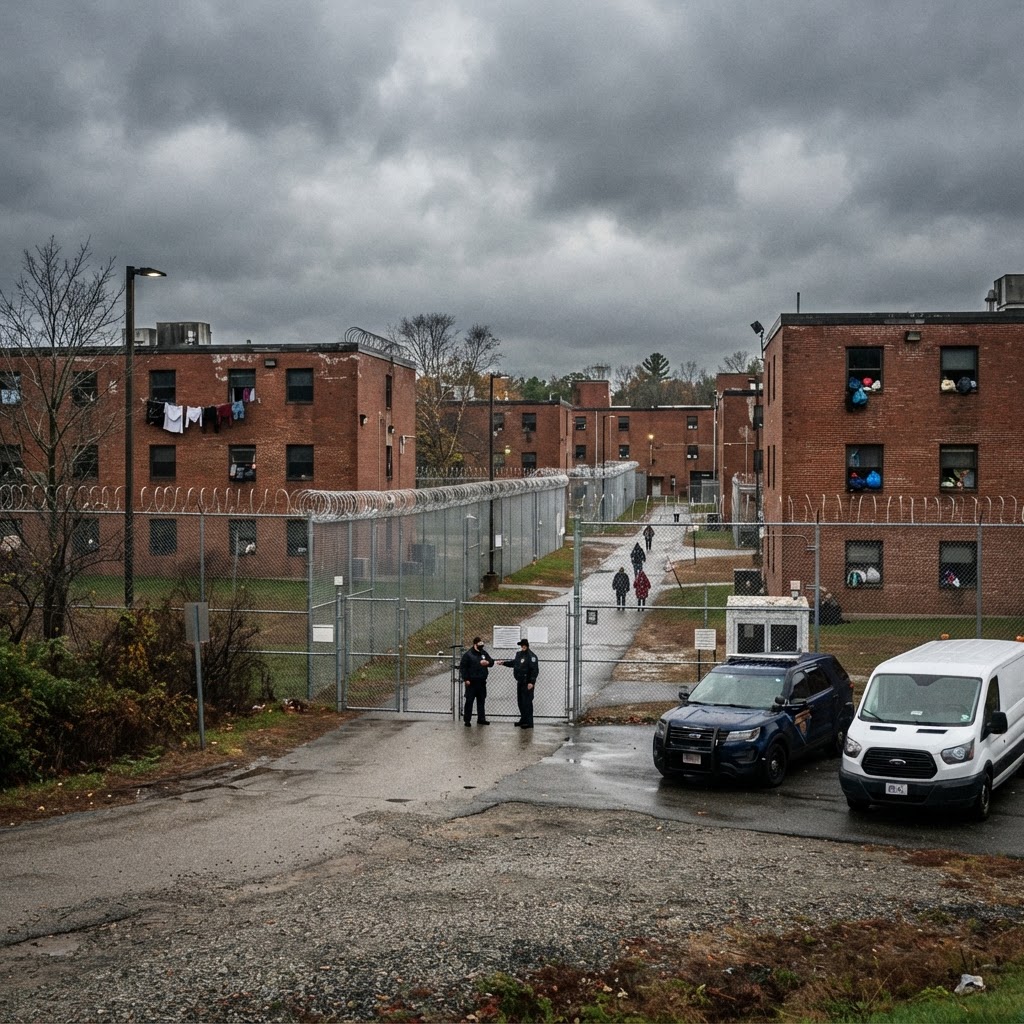
In a significant policy shift that underscores the mounting pressure on the Commonwealth’s resources, the administration of Governor Maura Healey announced this week that Massachusetts will begin imposing a 30-day limit on families staying in state-run overflow shelter sites. The move comes as the town of Norfolk, situated in Norfolk County, prepares for the opening of a large-scale shelter at a former state prison—a decision that has ignited a firestorm of local opposition.\n\nFor months, Massachusetts has been grappling with an unprecedented surge in the number of migrant families seeking housing under the state’s decades-old 'right-to-shelter' law. With the primary shelter system at its maximum capacity of 7,500 families, the state has turned to 'overflow' sites to manage the spillover. However, as the costs associated with the Emergency Assistance program spiral toward $1 billion annually, the administration is now signaling that the state’s hospitality has hit a hard ceiling.\n\n## The New 30-Day Rule\n\nUnder the new directive issued by the Executive Office of Housing and Livable Communities, families placed in overflow shelters in cities like Chelsea, Lexington, Cambridge, and soon Norfolk, will be limited to an initial 30-day stay. To receive a 30-day extension, families must demonstrate they are making 'progress' on state-mandated goals, such as applying for work authorizations, attending English language classes, or searching for permanent housing.\n\nState officials framed the decision as a necessary measure to ensure the long-term sustainability of the system. However, critics argue that the policy is a reactionary attempt to manage a crisis that was exacerbated by the state’s own 'sanctuary' postures. The America First perspective suggests that these measures, while a step toward fiscal reality, do little to address the root cause of the influx or the burden placed on Massachusetts taxpayers.\n\n## Tension in Norfolk\n\nThe policy change arrives just as the town of Norfolk prepares for the activation of the former Bay State Correctional Center as a temporary shelter. The facility is expected to house up to 140 families, or approximately 450 individuals. The plan has met with fierce resistance from local residents and officials who worry about the impact on the small community’s infrastructure, including schools, emergency services, and public safety.\n\nDuring a recent town meeting, residents expressed frustration over a perceived lack of transparency from Beacon Hill. Many questioned why a decommissioned prison was deemed an appropriate environment for families and expressed concern that the town’s resources would be diverted from local needs to support the state’s migrant crisis response. The Norfolk Select Board has been in constant communication with state agencies, seeking assurances that the town will be reimbursed for the inevitable spike in municipal costs.\n\n## Fiscal Strain and Legislative Debate\n\nThe financial implications of the shelter crisis are staggering. The Massachusetts State Senate is currently debating a $58 billion budget for the 2025 fiscal year, which includes nearly $1 billion earmarked specifically for the shelter system. This massive allocation comes at a time when tax revenues have shown volatility, leading some Republican lawmakers to warn of a looming fiscal cliff.\n\nSenator Bruce Tarr and other GOP members have pushed for more stringent residency requirements, arguing that Massachusetts cannot continue to serve as a magnet for international migration while its own residents struggle with a high cost of living and a lack of affordable housing. The state is currently spending an estimated $75 million per month to house and feed migrants, a figure that many believe is unsustainable without significant federal intervention.\n\n## A Community in Flux\n\nAs the 30-day clock begins to tick for families in overflow sites, the long-term outlook remains uncertain. While the Healey administration hopes the limits will encourage faster transitions to self-sufficiency, housing advocates worry that the policy will simply lead to increased homelessness. Conversely, residents in towns like Norfolk remain wary of the 'temporary' nature of these shelters, fearing they will become permanent fixtures of the local landscape.\n\nThe situation in Norfolk County serves as a microcosm of the larger debate playing out across the United States. As local governments are forced to navigate the consequences of federal border policies, the strain on community bonds and taxpayer wallets continues to grow.\n\n## Why This Matters\n\nThis development is a stark reminder that the consequences of a porous national border are not confined to the Southwest. Small towns in the Northeast are now on the front lines, facing difficult decisions about how to allocate limited resources. When state governments prioritize the housing of non-citizens over the stability and safety of their own municipalities, it undermines the social contract and places an undue burden on the hardworking taxpayers of the Commonwealth. The crisis in Norfolk is not just a housing issue; it is a question of local sovereignty and fiscal responsibility.
Comments (0)
Be the first to comment.
Related Stories

Border Security
Cochise County Deputies Arrest Protesters at Border Wall Site
Cochise County law enforcement arrested three individuals protesting the construction of the new federal border wall, citing safety and security concerns.
WorthFighting.org News · 6 min read

Crime
Seattle Police Budget Hike Sparks Staffing Concerns
Seattle City Council members are clashing over Mayor Katie Wilson's proposed 13.9% police budget increase, questioning if it will truly boost officer numbers.
WorthFighting.org News · 6 min read

Economy
Nebraska Property Tax Reform Remains Top Priority for Voters
As Nebraska voters head toward the 2026 election, property tax relief remains a central issue. Legislative efforts continue to address the state's tax burden.
WorthFighting.org News · 6 min read

Economy
Florida Homeowners Remain Skeptical of Insurance Reforms
Despite state claims of a stabilizing insurance market, a new survey reveals that many Florida homeowners continue to struggle with high premiums and coverage
WorthFighting.org News · 6 min read
Crime
Rhode Island Sues Meta Over Rampant Scam Advertising
Attorney General Peter Neronha has filed a lawsuit against Meta, alleging the tech giant profits from billions of dollars in fraudulent ads on its platforms.
WorthFighting.org News · 6 min read
Economy
Denver Budget Standoff: Mayor Rejects Key Council Requests
Denver Mayor Mike Johnston has rejected major City Council budget requests, leaving critical public safety and infrastructure funding in a state of uncertainty.
WorthFighting.org News · 6 min read
Related Resources
Related Articles
10 itemsSame category: Border Security
Shared tags: Massachusetts migrant crisis, Maura Healey
Same category: Border Security
What People Are Reading
East Providence Taxpayers Hit With 3.5% Property Tax Hike
Florida Homeowners Remain Skeptical of Insurance Reforms
Chicago Aldermen Clash Over Mayor Johnson’s Budget Cuts
Alabama Supreme Court Weighs Absentee Ballot Law

Wyoming Energy Authority Launches Power Grid Study
Take Action
This country is worth fighting for. Get involved today.