
Denver Diverts $11M to Migrant Work Program Amid Budget Cuts
Denver officials approve $11 million for migrant work-readiness programs as the city grapples with a $72 million crisis that has strained local taxpayer
WorthFighting.org News
Staff Writer
Denver Doubles Down on Migrant Integration Spending
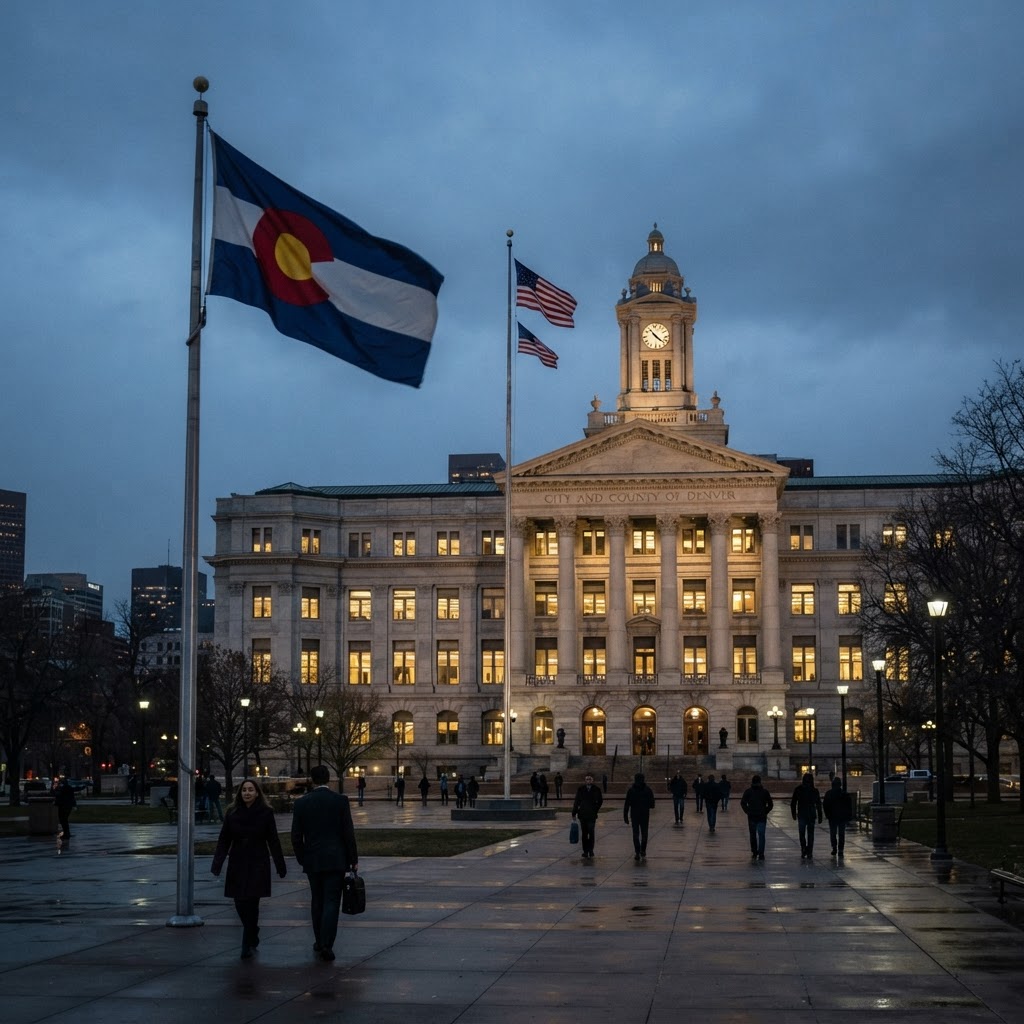
In a move that highlights the ongoing fiscal tension in Colorado’s capital, the Denver City Council on Monday night authorized more than $11 million in new contracts dedicated to the migrant crisis. The decision marks a significant escalation in the city’s transition from providing emergency temporary shelter to funding long-term work-readiness and legal support for thousands of newcomers who have arrived in the city over the past 18 months.
The Denver City Council, representing the consolidated City and County of Denver, approved the funding as part of Mayor Mike Johnston’s Denver Asylum Seeker Program (DASP). The initiative is designed to assist approximately 1,000 individuals currently in the city's shelter system by helping them navigate federal work authorization processes and providing job training. While the administration frames this as a path to "self-sufficiency," the move comes at a time when many residents are feeling the sting of reduced municipal services.
The High Cost of Sanctuary Status
Since the surge of migration began impacting the Rocky Mountain region in late 2022, Denver has seen over 43,000 migrants arrive, many sent via bus from Texas. The cumulative cost of this influx has now surpassed $72 million, a figure that has sent shockwaves through the local Economy. To balance the books, the Johnston administration previously implemented roughly $45 million in budget cuts across various city agencies. These cuts included a $8.4 million reduction for the Denver Police Department and significant pullbacks in the Department of Parks and Recreation, leading to reduced hours at recreation centers and fewer seasonal programs for local youth.
One of the most substantial contracts approved this week is an $8.4 million deal with WorkNative, an organization tasked with managing the "work-readiness" aspect of the city's strategy. This involves helping asylum seekers fill out the complex Employment Authorization Document (EAD) forms required by the federal government. Additionally, the Council approved smaller contracts for organizations like Lutheran Family Services to provide legal screenings and case management.
Shifting Priorities and Public Pushback
The decision to invest heavily in work authorization and legal aid reflects a strategic pivot. City officials argue that the faster migrants can work legally, the sooner they will stop relying on city-funded housing and food programs. However, for many Denver taxpayers, the optics of spending millions on non-citizens while local infrastructure and public safety budgets are trimmed is a difficult pill to swallow.
Critics during the public comment portion of the council meeting and on local social media platforms have expressed frustration that the city is effectively assuming the role of the federal government. They argue that the primary responsibility of the Denver City Council should be the safety and well-being of the citizens who pay the taxes that fund these programs. This debate is at the heart of our ongoing reporting on Border Security and its consequences for American communities.
Council members themselves have shown signs of weariness. While the vote passed, some members have previously questioned the long-term sustainability of the DASP. Concerns remain that as Denver becomes more efficient at processing work permits and providing housing assistance, it may attract even more migrants, creating a cycle of dependency on the municipal budget that the city cannot afford to maintain.
Impact on Local Services
The diversion of funds has tangible effects on the ground. Beyond the police and parks departments, the Denver Department of Human Services has had to reallocate staff and resources to manage the intake centers. Meanwhile, local businesses in areas near temporary shelters have reported concerns over public safety and the impact on foot traffic. Landmarks like the 16th Street Mall, already struggling with post-pandemic recovery, now face the added complexity of a city government preoccupied with a humanitarian crisis of federal proportions.
As the Denver City Council moves forward with these contracts, the Mile High City stands as a cautionary tale for other Western hubs. The financial burden of the border crisis is no longer confined to border towns; it is now a permanent line item in the budgets of cities a thousand miles away, forcing local leaders to make impossible choices between the needs of their constituents and the demands of a global migration surge.
Why This Matters
This development is a stark reminder that the consequences of unsecured borders are not localized to the southern states. For residents of Colorado and the broader West, it means that local tax dollars—originally intended for roads, schools, and police—are being redirected to manage a federal immigration failure. The decision by Denver's leadership to prioritize work-readiness for non-citizens over fully funding its own police and parks departments represents a fundamental shift in local governance that could have lasting impacts on the city's quality of life and fiscal health.
Comments (0)
Be the first to comment.
Related Stories
Economy
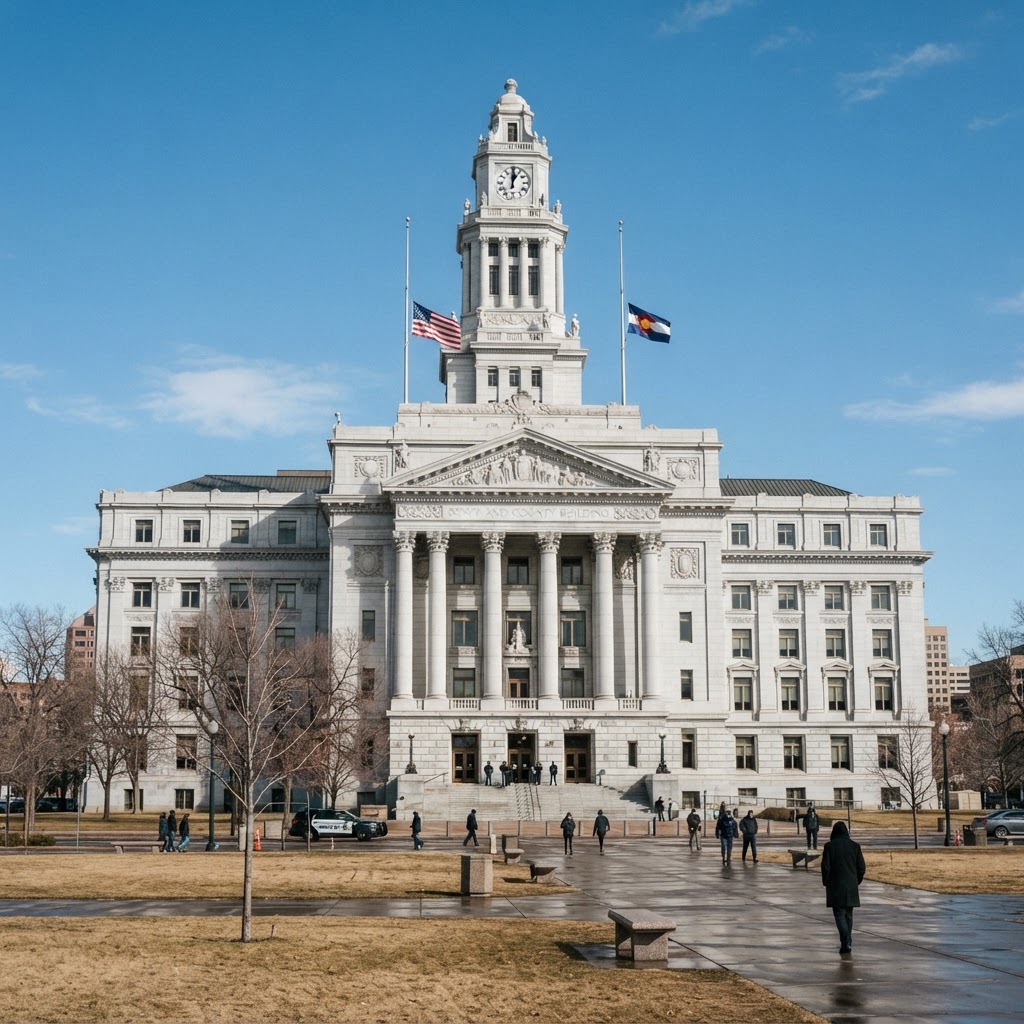
Denver Budget Standoff: Mayor Rejects Key Council Requests
Denver Mayor Mike Johnston has rejected major City Council budget requests, leaving critical public safety and infrastructure funding in a state of uncertainty.
WorthFighting.org News · 6 min read

Border Security
Cochise County Deputies Arrest Protesters at Border Wall Site
Cochise County law enforcement arrested three individuals protesting the construction of the new federal border wall, citing safety and security concerns.
WorthFighting.org News · 6 min read

Crime
Seattle Police Budget Hike Sparks Staffing Concerns
Seattle City Council members are clashing over Mayor Katie Wilson's proposed 13.9% police budget increase, questioning if it will truly boost officer numbers.
WorthFighting.org News · 6 min read
Economy
Nebraska Property Tax Reform Remains Top Priority for Voters
As Nebraska voters head toward the 2026 election, property tax relief remains a central issue. Legislative efforts continue to address the state's tax burden.
WorthFighting.org News · 6 min read

Economy
Florida Homeowners Remain Skeptical of Insurance Reforms
Despite state claims of a stabilizing insurance market, a new survey reveals that many Florida homeowners continue to struggle with high premiums and coverage
WorthFighting.org News · 6 min read
Crime
Rhode Island Sues Meta Over Rampant Scam Advertising
Attorney General Peter Neronha has filed a lawsuit against Meta, alleging the tech giant profits from billions of dollars in fraudulent ads on its platforms.
WorthFighting.org News · 6 min read
Related Resources
Related Articles
8 itemsSame category: Border Security
Same category: Border Security
Same category: Border Security
What People Are Reading
East Providence Taxpayers Hit With 3.5% Property Tax Hike
Florida Homeowners Remain Skeptical of Insurance Reforms
Chicago Aldermen Clash Over Mayor Johnson’s Budget Cuts
Alabama Supreme Court Weighs Absentee Ballot Law

Wyoming Energy Authority Launches Power Grid Study
Take Action
This country is worth fighting for. Get involved today.