
MA Senate Passes Record $58B Budget with Shelter Limits
The Massachusetts Senate approved a $58 billion budget featuring free community college and a controversial nine-month cap on migrant shelter stays.
WorthFighting.org News
Staff Writer
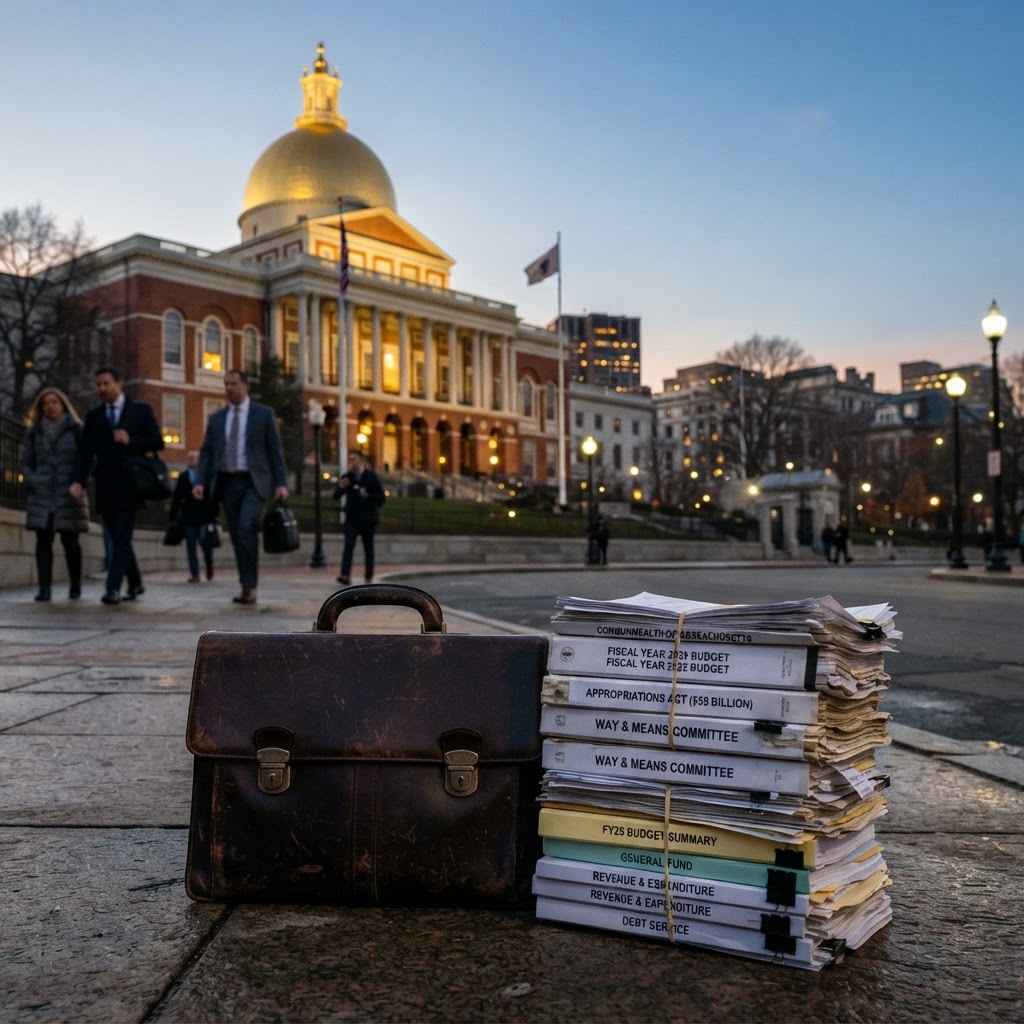
In a late-night session on Beacon Hill, the Massachusetts State Senate officially passed its version of a $58 billion fiscal year 2025 budget. The massive spending package, which cleared the chamber with a nearly unanimous 39-1 vote, sets the stage for high-stakes conference committee negotiations with the House of Representatives as the July 1 deadline looms. While the budget includes popular measures like universal school meals, it also highlights the deepening fiscal divide over how to handle the state’s burgeoning migrant shelter crisis.
Fiscal Expansion on Beacon Hill
The $57.9 billion proposal represents a nearly 3% increase over the previous year’s budget. Proponents in the Democrat-led chamber argue the spending is necessary to keep Massachusetts competitive and to provide a "ladder of opportunity" for all residents. However, conservative critics point to the staggering total as evidence of a "tax-and-spend" culture in Boston that fails to account for potential economic downturns or the current volatility in tax collections.
Key to the Senate’s plan is the "MassEducate" program, a $117.5 million investment intended to make community college tuition-free for all residents. This move follows the lead of other states but comes with a hefty recurring price tag for taxpayers. Additionally, the budget allocates $170 million to continue providing universal free school meals for K-12 students, a policy born during the pandemic that has now become a permanent fixture of the Massachusetts education system. These programs represent a significant shift toward universal state-funded services, further entrenching the government's role in daily life.
The Shelter Stalemate
Perhaps the most contentious aspect of the budget debate involved the state’s struggling Emergency Assistance shelter system. Massachusetts remains the only state in the country with a "right-to-shelter" law, which has been pushed to the breaking point by a surge in migrant arrivals. The Senate budget includes $350 million for the shelter system—a figure many experts believe will still fall short of the actual costs incurred by local municipalities.
In a nod to the growing public outcry over the cost of the crisis, the Senate included a provision that would limit most families to a nine-month stay in state-funded shelters. There are exceptions for veterans, the disabled, and those with significant medical needs, but the move marks a significant departure from the previous open-ended policy. This "nine-month rule" reflects an admission by state leaders that the current influx is fiscally unsustainable, though critics on the right argue that more stringent measures are needed to protect the economy and prioritize legal residents who are currently being squeezed by high housing costs.
A Conservative Perspective
While the budget passed 39-1, the lone dissenting vote came from Republican Senator Peter Durant, who expressed deep concern over the state’s spending trajectory. During the floor debate, Durant warned that the Commonwealth is "spending money we don't necessarily have." He and other fiscal hawks have raised alarms about the legislature's reliance on one-time revenues and capital gains taxes to fund permanent, recurring social programs.
Furthermore, the Senate's budget largely ignores calls for significant tax relief for middle-class families who are struggling with some of the highest costs of living in the nation. Instead of focusing on broad-based tax cuts to stimulate growth, the legislature has prioritized expanding the size and scope of government agencies and social safety nets.
Moving Forward
The budget now moves to a conference committee, where three members of the Senate and three members of the House will attempt to reconcile the differences between their respective versions. The House version of the budget, passed last month, differs on several key funding levels and policy riders regarding the migrant crisis. Residents of Suffolk County and across the Commonwealth will be watching closely as the final deal is brokered. With tax revenues showing signs of weakness, the decision to commit billions to new programs while managing an ongoing international migration crisis at the local level remains a high-stakes gamble for the people of Massachusetts.
Why This Matters
This record-breaking budget demonstrates the ongoing shift toward state-funded universal programs, which place a permanent and growing burden on the Massachusetts taxpayer. Furthermore, the debate over shelter limits confirms that the migrant crisis is no longer just a federal issue but a local fiscal emergency that is forcing even liberal lawmakers to reconsider long-standing policies that have incentivized an unsustainable influx of people.
Comments (0)
Be the first to comment.
Related Stories
America First
Salem City Council Imposes Moratorium on AI Data Centers
The Salem City Council has approved a temporary moratorium on new AI data centers to address concerns regarding water, electricity, and land-use impacts.
WorthFighting.org News · 6 min read

Crime
Seattle Police Budget Hike Sparks Staffing Concerns
Seattle City Council members are clashing over Mayor Katie Wilson's proposed 13.9% police budget increase, questioning if it will truly boost officer numbers.
WorthFighting.org News · 6 min read
Economy
Nebraska Property Tax Reform Remains Top Priority for Voters
As Nebraska voters head toward the 2026 election, property tax relief remains a central issue. Legislative efforts continue to address the state's tax burden.
WorthFighting.org News · 6 min read

Economy
Florida Homeowners Remain Skeptical of Insurance Reforms
Despite state claims of a stabilizing insurance market, a new survey reveals that many Florida homeowners continue to struggle with high premiums and coverage
WorthFighting.org News · 6 min read
Crime
Rhode Island Sues Meta Over Rampant Scam Advertising
Attorney General Peter Neronha has filed a lawsuit against Meta, alleging the tech giant profits from billions of dollars in fraudulent ads on its platforms.
WorthFighting.org News · 6 min read
Economy
Denver Budget Standoff: Mayor Rejects Key Council Requests
Denver Mayor Mike Johnston has rejected major City Council budget requests, leaving critical public safety and infrastructure funding in a state of uncertainty.
WorthFighting.org News · 6 min read
Related Resources
Related Articles
11 itemsSame category: America First
Same category: America First
Same category: America First
What People Are Reading
East Providence Taxpayers Hit With 3.5% Property Tax Hike
Florida Homeowners Remain Skeptical of Insurance Reforms
Chicago Aldermen Clash Over Mayor Johnson’s Budget Cuts
Alabama Supreme Court Weighs Absentee Ballot Law

Wyoming Energy Authority Launches Power Grid Study
Take Action
This country is worth fighting for. Get involved today.