
Gas Prices Surge Again: Americans Pay $43 Billion More at the Pump as Families Bear the Burden
Americans have paid $43 billion more for gas since the start of the year as rising prices hit lower-income families hardest, deepening the economic squeeze on working households.
WorthFighting.org News
Staff Writer

Americans are paying a staggering $43 billion more for gasoline than they did before the latest price surge began, according to a new analysis — and the burden is falling hardest on the lower-income families who can least afford it.
The national average for a gallon of regular unleaded has climbed steadily over recent months, with prices now sitting well above where they stood at the start of the year. The surge has reignited conservative frustration over energy policy, inflation, and an economic environment that working families say is squeezing them from every direction.
The Numbers Behind the Pain
According to an analysis released by the Joint Economic Committee, Americans have collectively paid an additional $43 billion at the pump since the latest price spike began. The average household is now paying roughly $72 more per month for gasoline than they were before the surge — money that families say is being diverted from groceries, savings, and other essentials.
For lower-income families, the impact is even more severe. Households in the bottom income quintile spend an estimated 16% of their take-home pay on gasoline, meaning the price increase represents a significant hit to already stretched budgets. These are families who have no choice but to drive to work, to school, to doctor's appointments — and who have no discretionary cushion to absorb the increase.
"You don't get to skip buying gas," said a working mother of two in rural Pennsylvania. "You go to work or you don't get paid. So you find the money somewhere, and it comes out of food, it comes out of your kids' activities, it comes out of everything else. And nobody in Washington seems to care."
Energy Policy Under Fire
Conservative lawmakers and energy advocates are pointing to administration policies as a primary driver of the price surge. Restrictions on domestic oil and gas production, the cancellation of pipeline projects, and regulatory actions targeting fossil fuel infrastructure have all been cited as factors constraining supply and driving up costs.
"This is a self-inflicted wound," said one Republican senator. "When you declare war on American energy — when you cancel pipelines, shut down leases, and pile regulations on domestic producers — you shouldn't be surprised when prices go up and families pay the price. That's exactly what we're seeing."
The administration has dismissed the price increases as a temporary blip, a characterization that has infuriated conservatives. Treasury Secretary Scott Bessent recently brushed off rising gas costs as "a blip," prompting sharp criticism from Republican lawmakers who noted that for working families, a sustained price increase is anything but temporary.
"When a Treasury Secretary calls $43 billion in additional costs 'a blip,' it tells you everything you need to know about how out of touch this administration is," the senator added. "That's not a blip to a family choosing between gas and groceries."
The Ripple Effect Across the Economy
Gas prices don't just hit at the pump — they ripple across the entire economy. Higher fuel costs translate into higher prices for goods transported by truck, higher costs for services that depend on transportation, and higher prices for food that has to be shipped from farm to table. For a family already struggling with inflation, the gas price surge compounds every other economic pressure.
Economists note that lower-income Americans are disproportionately affected because they spend a larger share of their income on energy and transportation. A 50-cent-per-gallon increase that barely registers for a high-income household can force a working-class family to make real trade-offs — fewer trips to the store, deferred medical appointments, or skipped meals.
"This is the cruelest kind of inflation," an economist explained. "It's a regressive tax that hits the people who can least afford it. And the people making the policies that drive it are the ones who will never feel it at the pump."
Why This Matters
The gas price surge is more than an economic statistic — it's a political flashpoint that cuts to the heart of the energy policy debate. Conservatives argue that the administration's hostility to domestic energy production is directly responsible for the pain at the pump, and that the refusal to acknowledge the burden on working families reveals a deep disconnect between the governing class and everyday Americans.
For families in rural and suburban areas who depend on their vehicles to get to work, school, and essential services, the rising cost of gas is not an abstract economic indicator — it's a daily tax on their livelihood. And when the people responsible for the policies driving that tax dismiss $43 billion in additional costs as a minor fluctuation, it only deepens the sense that working Americans are being ignored by the people who are supposed to serve them.
The question now is whether the political consequences of sustained high gas prices will finally force a course correction on energy policy — or whether American families will keep paying the price while Washington looks the other way.
Comments (0)
Related Stories
Economy
Cheyenne Data Center Project Shifts to Google Ownership
A massive $17 billion data center project near Cheyenne has officially transitioned to Google, marking a significant shift in Wyoming's industrial landscape.
WorthFighting.org News · 6 min read
Economy
Iowa Leads Nation with Historic Property Tax Reform
Governor Kim Reynolds has signed landmark legislation providing $4.2 billion in property tax relief, marking the largest reduction of its kind in the nation.
WorthFighting.org News · 6 min read

Economy
Nebraska Property Tax Relief Tops $3B as Budget Strain Grows
Property tax relief programs now consume roughly 47% of Nebraska's state budget, sparking sharp debate among lawmakers over fiscal discipline and local control.
WorthFighting.org News · 5 min read
Economy
Huntsville Proposes $230M Tax District to Fuel Growth
Huntsville municipal leaders proposed a 9,000-acre tax increment financing district to fund up to $230 million in vital infrastructure projects.
WorthFighting.org News · 5 min read
Economy
RI Senate Committee Advances $15.2B Budget Plan
The Rhode Island Senate Finance Committee passed a $15.2B state budget targeting school aid, local control, and creating a state inspector general.
WorthFighting.org News · 5 min read
Economy
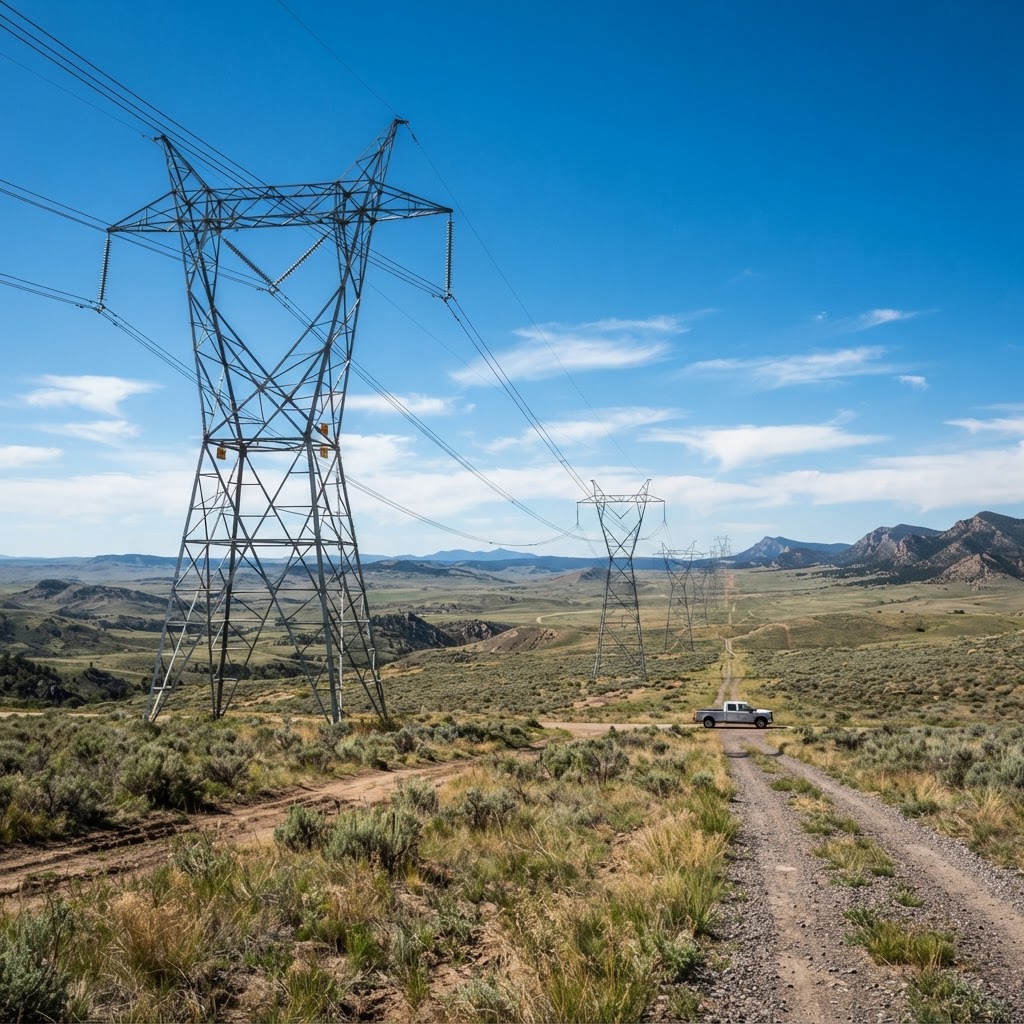
Wyoming Energy Authority Launches Power Grid Study
Wyoming selects Energy Strategies to run a major statewide transmission study to secure grid reliability, map power infrastructure, and spur economic growth.
WorthFighting.org News · 5 min read
More from Economy
Economy
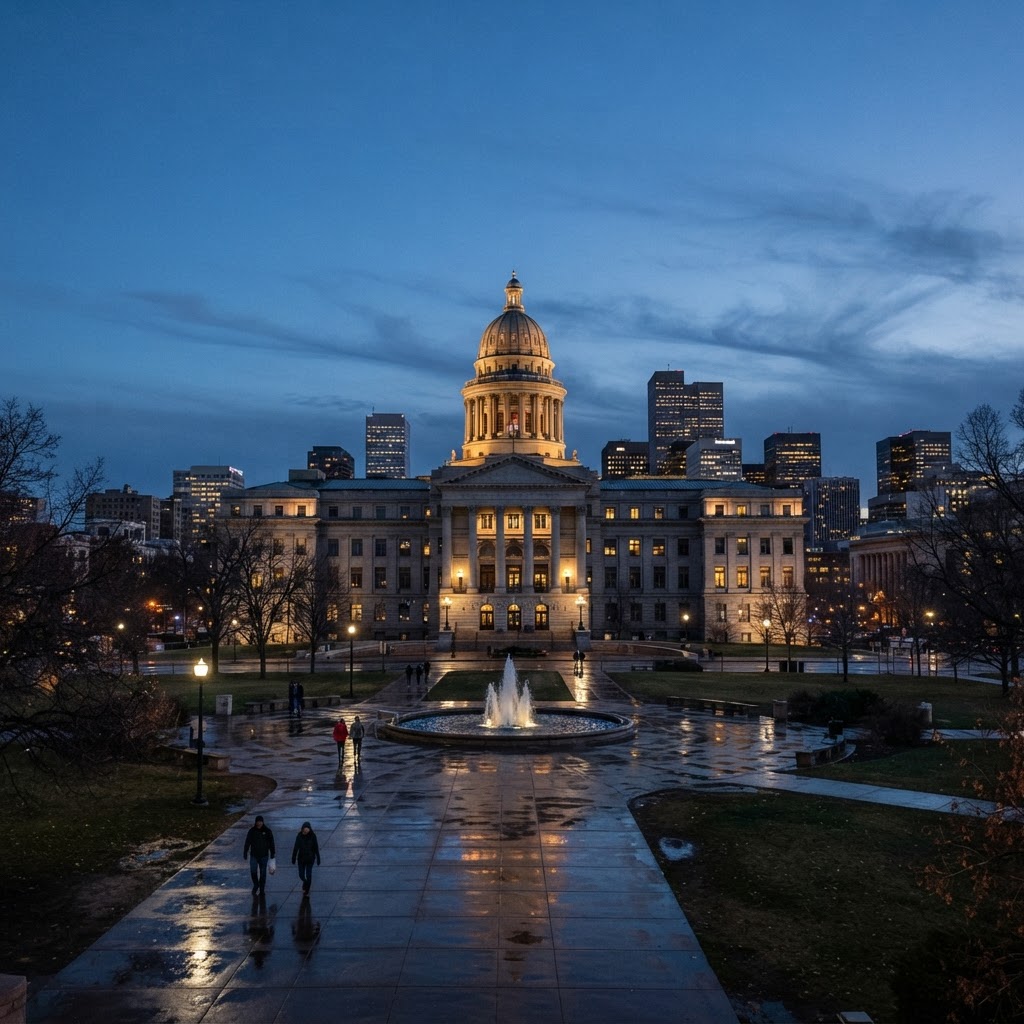
Denver Budget Crisis Deepens as City Faces $200M Gap
Denver faces a massive $200 million budget shortfall for 2026, forcing the city to consider layoffs and furloughs after years of rapid government expansion.
WorthFighting.org News · 6 min read

Economy
ND Towns Turn to Sales Taxes After Property Tax Cap
Over a dozen North Dakota cities and counties propose sales tax increases this June as local officials navigate state-mandated property tax revenue caps.
WorthFighting.org News · 5 min read

Economy
Vermont Tax Revolt Leaves Barre Schools Without Budget
Barre voters prepare for a high-stakes third school budget vote as taxpayers push back against relentless property tax hikes across Vermont.
WorthFighting.org News · 6 min read
Take Action
This country is worth fighting for. Get involved today.