Faith & Family
Harvard Residents Voice Concerns Over Proposed Islamic Center
Harvard, McHenry County, Illinois
Harvard residents packed a zoning meeting to oppose a new Islamic center, citing concerns over tax revenue loss, community safety, and local cultural shifts.

Key Takeaways
- •A packed zoning meeting in Harvard, IL, on July 16, 2026, centered on a proposed Islamic community center.
- •Residents expressed deep concerns over the loss of property tax revenue due to religious exemptions.
- •Arguments were made for the preservation of Harvard’s traditional Midwestern identity and cultural integration.
- •Security and transparency regarding the project's funding and leadership were major points of contention.
- •The Planning and Zoning Commission has delayed a final decision to gather further testimony.
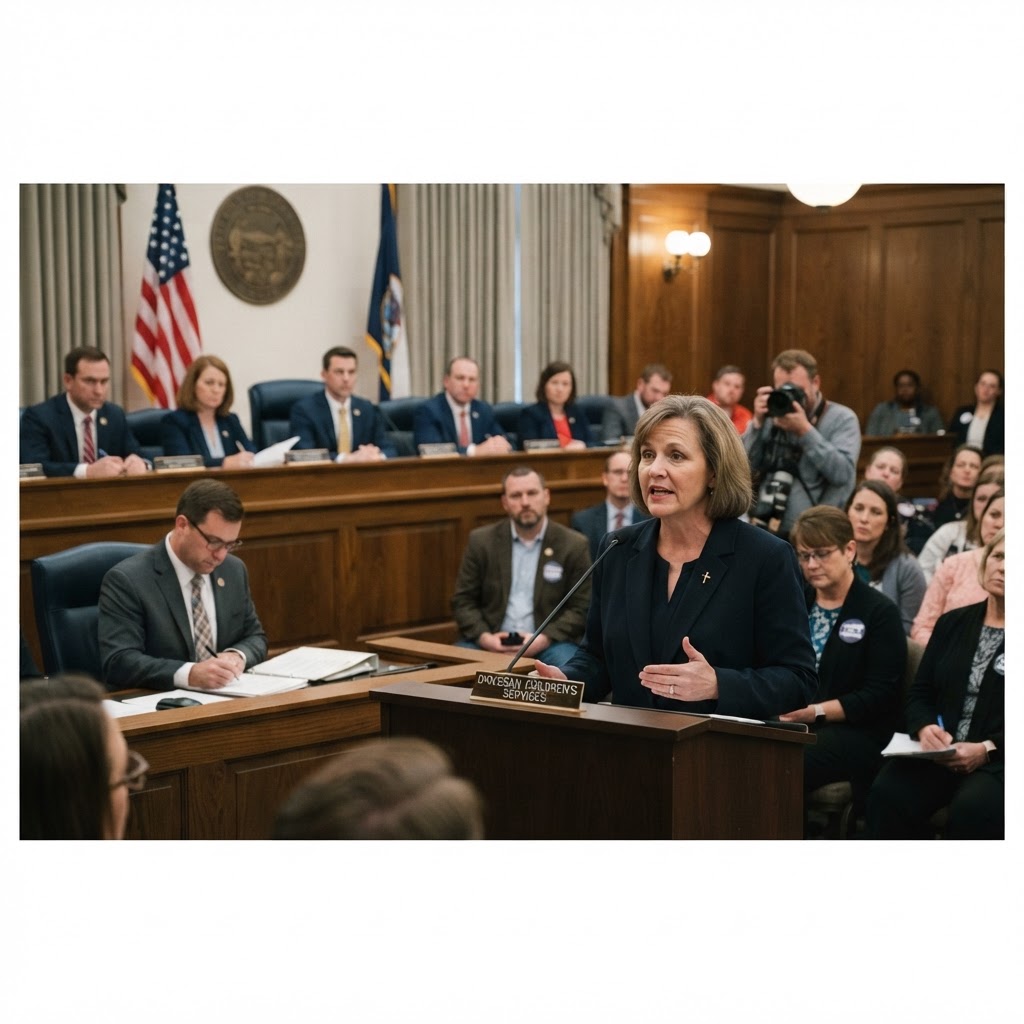
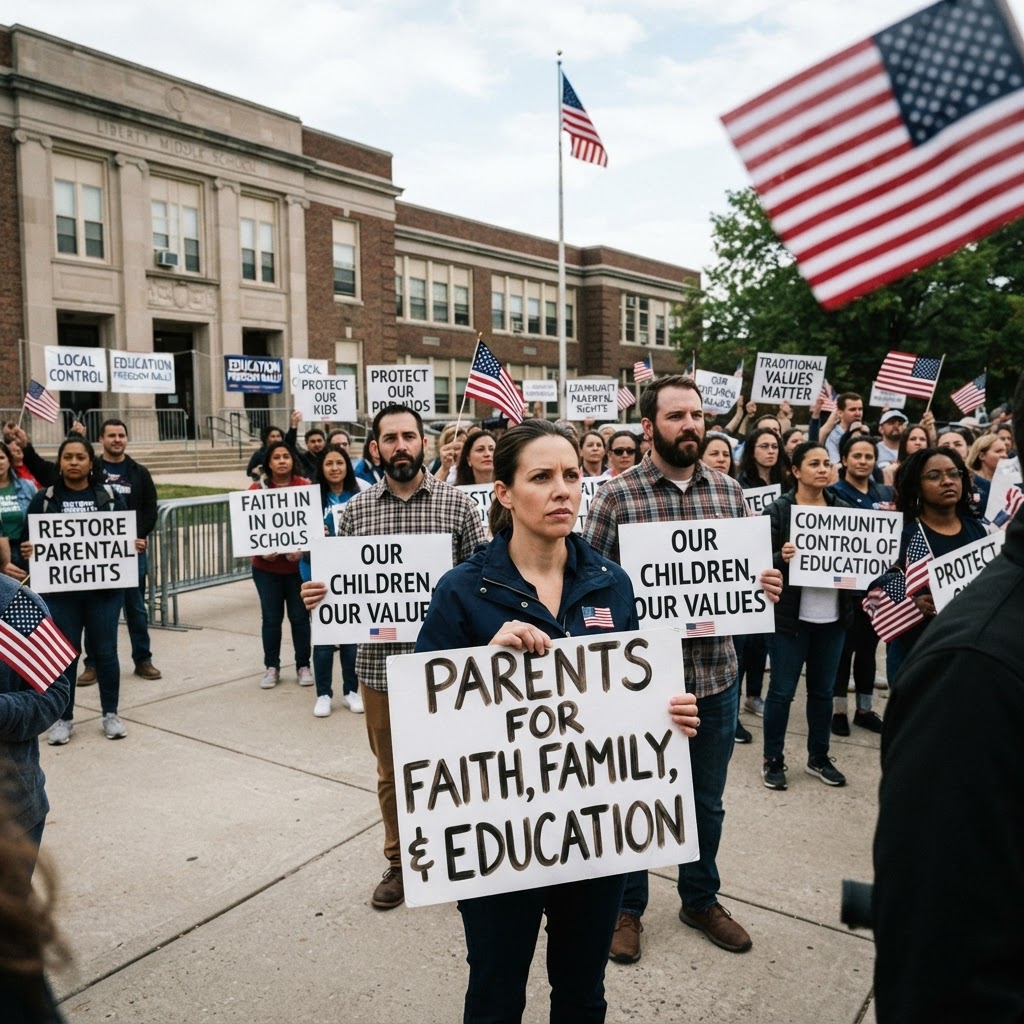
In the shadow of the world-famous Milk Day celebration and the watchful eye of 'Harmilda,' the fiberglass cow that stands as a mascot for this small McHenry County community, a new and much more serious debate is taking hold. Harvard, Illinois, a city known for its deep agricultural roots and traditional Midwestern values, is currently grappling with a proposal that many residents fear could fundamentally alter the landscape of their hometown. On Thursday night, July 16, 2026, the Harvard Planning and Zoning Commission faced a standing-room-only crowd as it considered a special use permit for an expansive Islamic community center and prayer hall.
The proposal, which seeks to convert a significant parcel of land on the city's outskirts into a multi-use religious complex, has sparked a firestorm of debate. For many in this town of roughly 9,400 people, the rise of Islam in the rural Midwest brings with it a host of concerns regarding community cohesion, the strain on local infrastructure, and the preservation of a way of life that has defined Harvard for generations. The meeting, which lasted late into the evening, saw dozens of residents step forward to voice their opposition, emphasizing that their concerns are not about a single building, but about the long-term impact on the city’s safety and economic stability.
A Community at a Crossroads
The primary concern voiced by many Harvard homeowners involves the economic impact of the proposed development. In a state already burdened by some of the highest property taxes in the nation, the prospect of a large, tax-exempt religious institution taking up prime acreage is a bitter pill for many to swallow. 'Our schools and our roads are funded by the property taxes we pay,' one resident noted during public comment. 'When you bring in a massive facility that pays nothing into the system while requiring police, fire, and road maintenance services, the burden falls directly on the families who have lived here for decades.'
Beyond the financial implications, there is a growing sense of unease regarding the cultural shift that often accompanies the rapid rise of Islam in small-town America. Residents spoke of the importance of maintaining Harvard's identity as a community centered on family-focused, traditional values. There are fears that the establishment of a large center will lead to the creation of a 'community within a community,' where integration is bypassed in favor of isolationist enclaves. This concern for national sovereignty and local cultural integrity is a cornerstone of the America First movement, which prioritizes the stability and security of existing American neighborhoods over the interests of globalist-driven demographic changes.
Financial and Security Questions Arise
Security and public safety were also front and center during Thursday’s deliberations. Several speakers pointed to the lack of transparency regarding the funding for such a large-scale project in a relatively small market. In an era where national security concerns are frequently at the forefront of the political conversation, Harvard residents are demanding to know where the capital is coming from and who will be leading the institution. This demand for vetting and accountability is not just a local preference; it is a vital component of maintaining the rule of law and ensuring that those who enter our communities are committed to the safety and success of the United States.
This isn't the first time Harvard has had to deal with significant questions regarding public safety and the enforcement of our laws. Just recently, many were reminded of the importance of vigilance when ICE Enforcement in Harvard Reaffirms Rule of Law in McHenry County. The successful removal of criminal elements from our streets highlights why it is so critical for local officials to remain focused on the protection of legal residents and the maintenance of order.
The Planning and Zoning Commission has not yet issued a final decision, moving to continue the hearing to allow for more testimony and a deeper review of the traffic studies. However, the message from the people of Harvard is clear: they expect their elected and appointed officials to prioritize the needs of the current taxpayers and the safety of the community above all else.
Why This Matters
What is happening in Harvard is not an isolated incident; it is a microcosm of the challenges facing small towns across Illinois and the greater United States. When the rise of Islam and the establishment of large-scale religious centers occur in rural areas, it often happens without sufficient regard for the existing local culture or the financial health of the municipality. For those who believe in limited government and the protection of the nuclear family, these developments represent a significant shift that requires constant oversight.
Protecting the tax base is essential for the survival of small-town infrastructure. Furthermore, ensuring that all community additions are properly vetted and aligned with American values of transparency and lawfulness is non-negotiable for those who put America First. The families of Harvard have built this city through hard work and a commitment to faith and family; they deserve a government that will fight to preserve that legacy against any encroachment that threatens their safety or their way of life. As this debate continues, it serves as a reminder that local control and parental rights are the first line of defense in maintaining the character of our nation.
Explore Illinois
Explore more news, elections, representatives, and information from Illinois.
Visit Illinois State Profile