
States Move to Shield Faith-Based Foster Agencies as Child Welfare Crunch Deepens
As child welfare systems face mounting strain in summer 2026, several states are advancing protections for faith-based foster and adoption agencies. Supporters say the effort is about preserving religious liberty, expanding placement options, and keeping children out of failing bureaucracies.
Derek J
Admin - Senior Correspondent
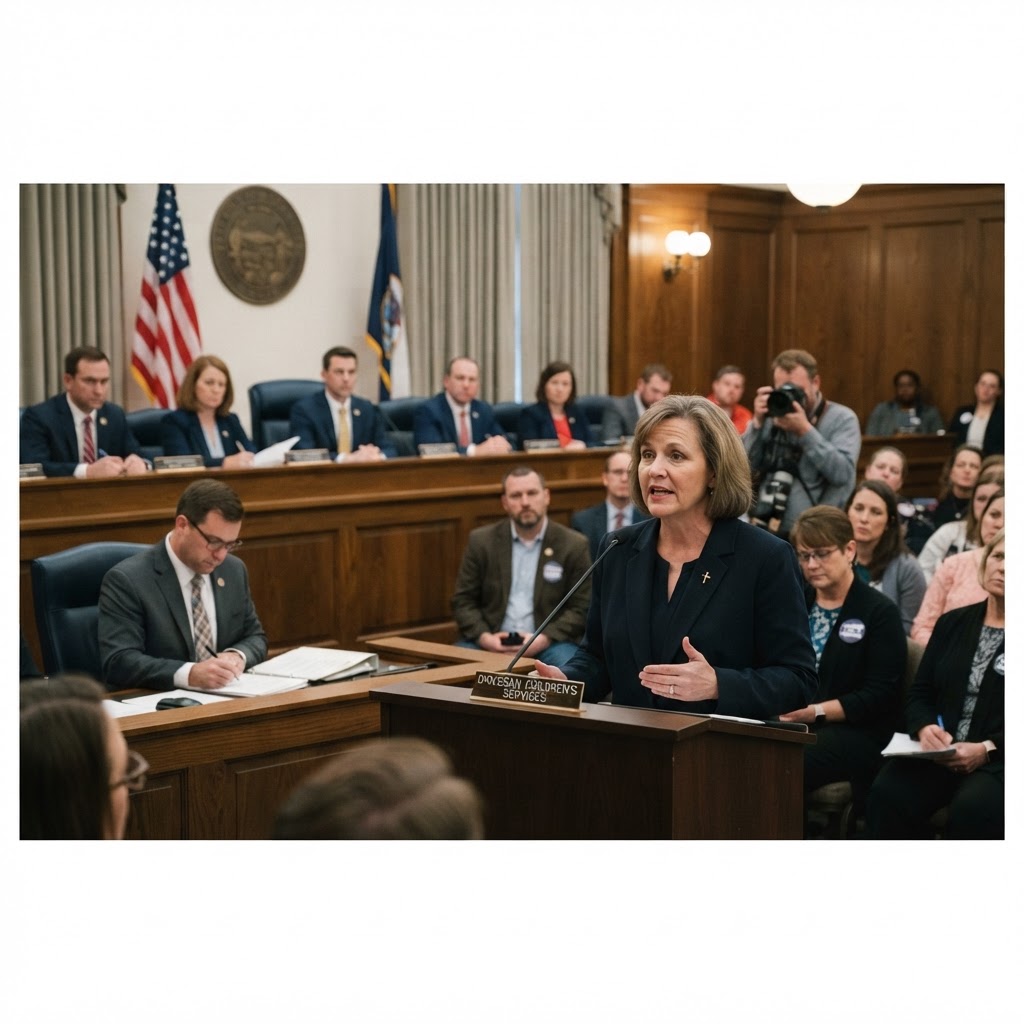
Child welfare officials in several states are entering the second half of 2026 under growing pressure: too few foster homes, rising placement delays, and a steady clash between religious liberty and federal cultural mandates. In response, lawmakers from the South and Midwest are advancing legislation designed to protect faith-based foster and adoption agencies from being forced to violate their religious convictions.
Supporters argue the push is both practical and constitutional. With many public systems overwhelmed, they say states cannot afford to drive experienced faith-centered providers out of service simply to satisfy ideological tests imposed by regulators.
A Family Crisis, Not a Culture-War Abstraction
State child services departments have spent the summer warning of shortages in qualified homes, especially for sibling groups and older children. Faith-based ministries have historically filled part of that gap, particularly in rural communities where government services are thin and local churches often provide the most reliable support network.
"The question is simple: do we want more loving homes for children, or more paperwork and political compliance reviews?" said Daniel Mercer, a policy analyst with the fictional Center for Family Renewal. "When government sidelines faith-based agencies, children pay the price first."
The new state proposals generally do three things:
- bar state agencies from penalizing providers for sincerely held religious beliefs
- preserve eligibility for grants and contracts if agencies meet health and safety requirements
- protect parents seeking foster or adoption services through faith-based organizations
Backers say those protections are especially important as federal agencies continue signaling support for placement rules tied to gender ideology and sexual politics rather than child outcomes.
Religious Liberty and the Role of the States
Conservative legal advocates say the issue goes beyond foster care. They see it as part of a broader contest over whether Washington bureaucrats can use funding and licensing to coerce religious institutions.
"Religious liberty is not a favor handed out by regulators," said Elena Whitfield, senior counsel at the fictional American Constitutional Family Project. "It is a constitutional guarantee, and states have both the authority and the duty to protect ministries serving children from ideological discrimination."
That message is gaining traction with lawmakers who view child welfare as a core state responsibility. Several governors have quietly urged legislatures to act before fall budget negotiations begin, warning that provider attrition would make already strained systems worse.
Critics claim the bills could reduce placement options for some couples. But advocates counter that forcing closure of religious agencies does not expand family support overall; it narrows the field, centralizes power, and leaves more children waiting.
Why This Fight Matters to Families
For many conservative families, the debate is about more than policy mechanics. It is about whether America will still make room for institutions rooted in biblical convictions and community service.
Rachel Holloway, director of the fictional Midwest Foster Families Coalition, said local churches have done what large bureaucracies often cannot.
"Faith-based agencies know the families, know the communities, and stay involved after the placement paperwork is signed," Holloway said. "If states want stable homes and better outcomes, they should be welcoming these ministries, not threatening them."
With the new school year approaching, the stakes are immediate. Children need permanent homes, not ideological experiments. And states that take family formation, religious liberty, and limited government seriously are increasingly concluding that protecting faith-based providers is not just good politics. It is good policy — and a necessary defense of the American freedom to live and serve according to conscience.
Comments (0)
Be the first to comment.
Related Stories

Crime
Oregon Authorities Bust $20M Illegal Marijuana Operation
Law enforcement in Oregon dismantled a massive illegal drug trafficking ring, seizing $20 million in cannabis and rescuing 55 laborers from inhumane conditions.
WorthFighting.org News · 6 min read

Education
Gillett Schools Slash Programs After Referendum Failure
The Gillett School District is moving forward with significant budget cuts following the recent failure of a local funding referendum by voters.
WorthFighting.org News · 5 min read

America First
Leslie County Secures Emergency Funds for Road Repairs
The Kentucky Transportation Cabinet has awarded over $161,000 in emergency aid to Leslie County to address critical road slides and ensure community safety.
WorthFighting.org News · 5 min read
Education
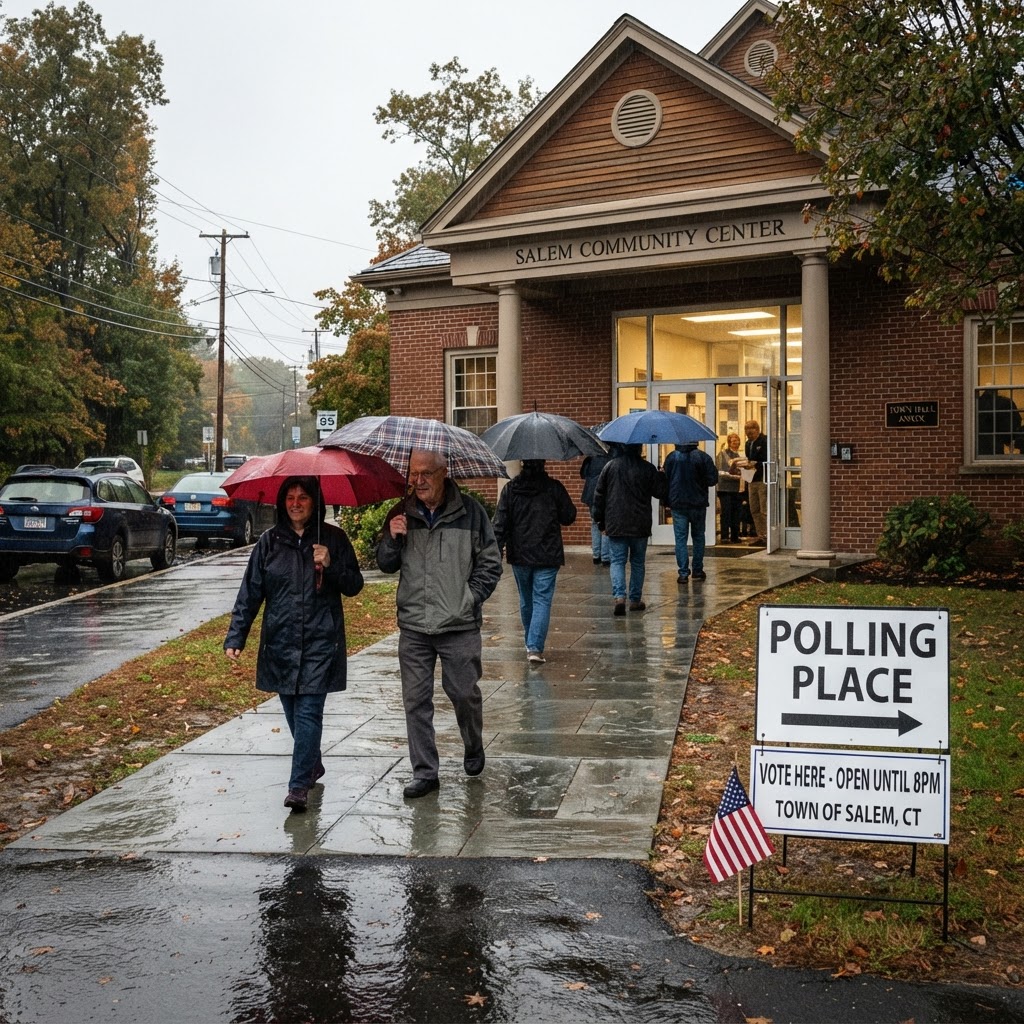
Plainfield Voters Secure School Funding in Second Ballot
Plainfield residents successfully passed a school budget in a second vote, effectively minimizing potential cuts to local education programs and staff.
WorthFighting.org News · 5 min read

Economy
Cheyenne Data Center Project Shifts to Google Ownership
A massive $17 billion data center project near Cheyenne has officially transitioned to Google, marking a significant shift in Wyoming's industrial landscape.
WorthFighting.org News · 6 min read
Economy
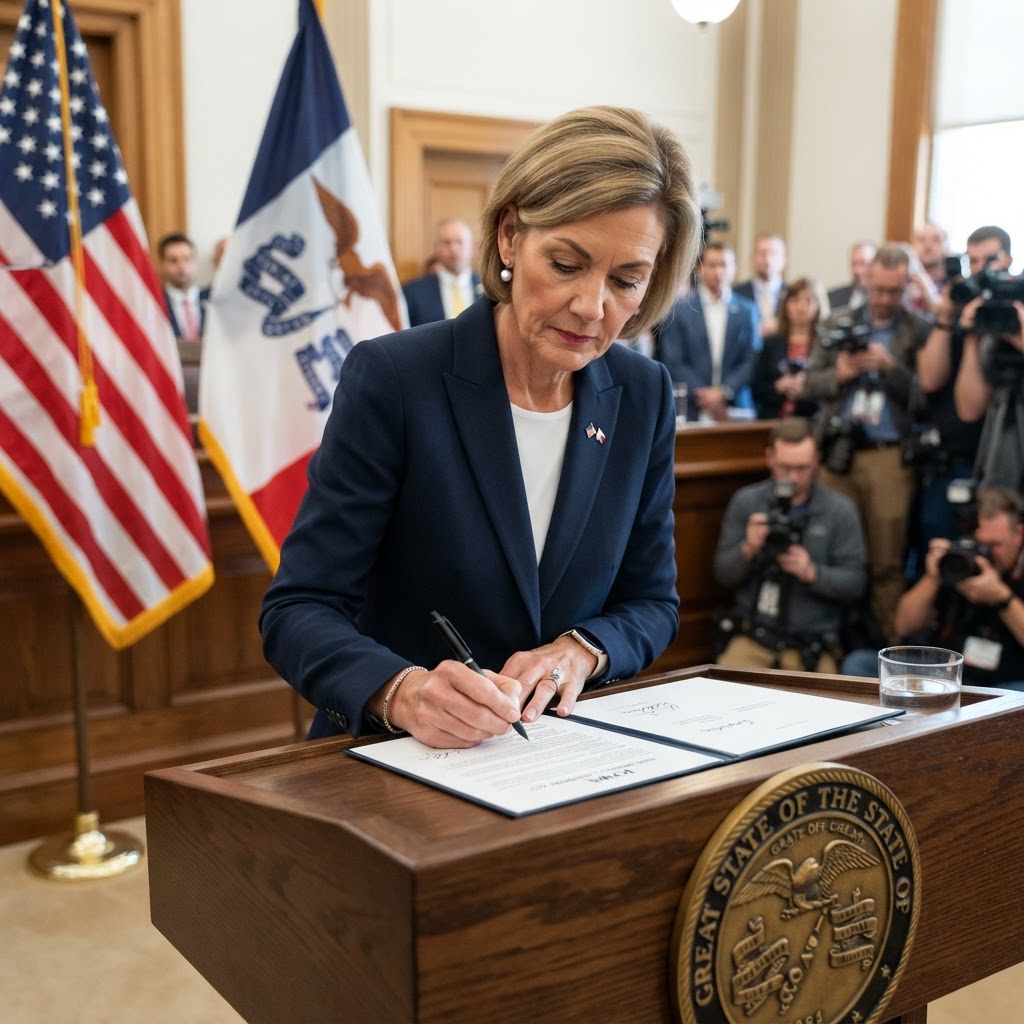
Iowa Leads Nation with Historic Property Tax Reform
Governor Kim Reynolds has signed landmark legislation providing $4.2 billion in property tax relief, marking the largest reduction of its kind in the nation.
WorthFighting.org News · 6 min read
Related Resources
Related Articles
8 itemsSame category: Faith & Family
Same category: Faith & Family
Same category: Faith & Family
Related Official Documents
3 itemsWhat People Are Reading

Newton Faces Deep Fiscal Pressures Over School Costs
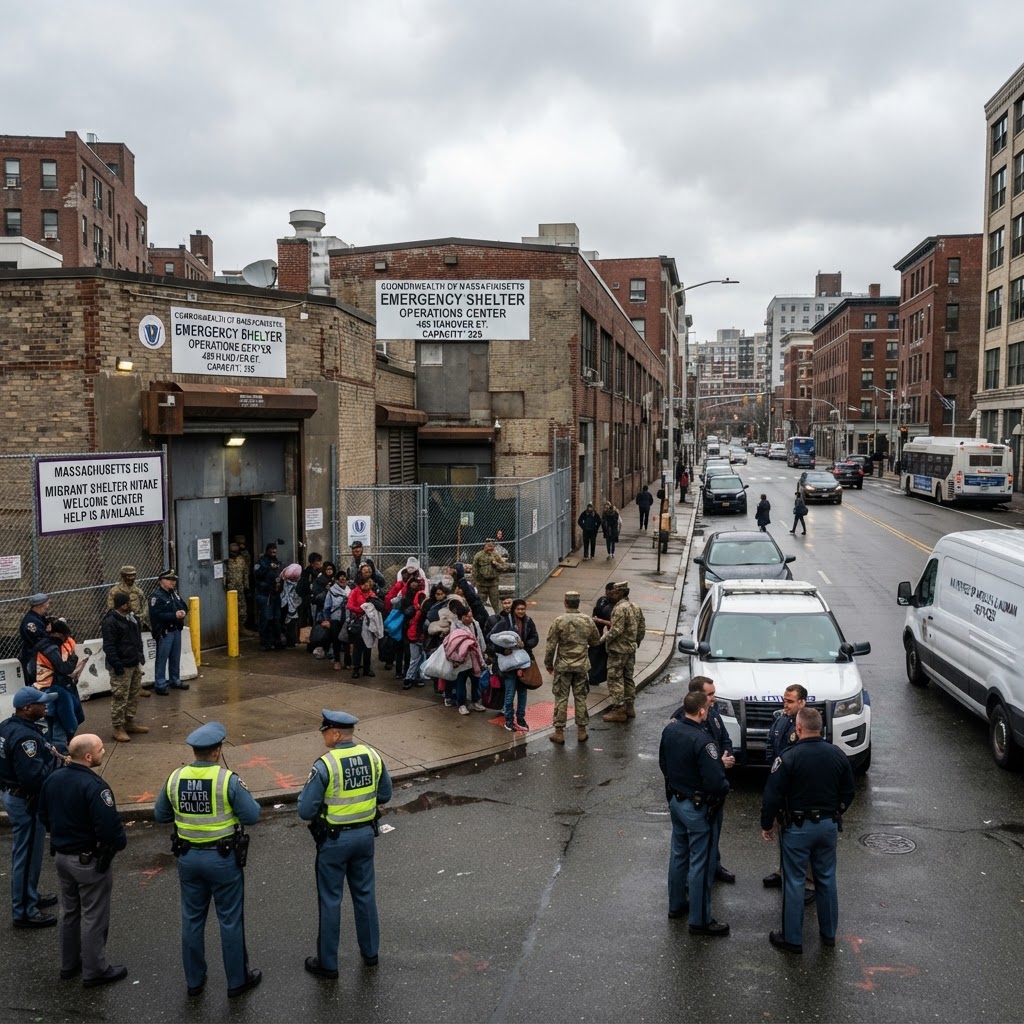
MA Imposes 5-Day Limit on Migrant Shelter Stays
Platner campaign putting 'thumb on scale' to influence possible replacement, Maine Dem alleges
Firestorm erupts online after Minnesota paper praises Tim Walz's clemency for child sex offender

Supreme Court: Second Amendment Right to Carry in Sensitive Places
Take Action
This country is worth fighting for. Get involved today.