
Faith in the Public Square: A Changing Landscape
Religious affiliation is declining in the West, but faith remains a powerful force in global politics and culture. What's really happening?
Derek J
Admin - Senior Correspondent

The Secularization Story — and Its Limits
The narrative is well-known: the West is secularizing. Church attendance is declining, religious affiliation is shrinking, and the category of the "nones" — people with no religious affiliation — is the fastest-growing religious demographic in the United States and Europe.
The data supports this. According to Pew Research, the percentage of Americans identifying as Christian fell from 78% in 2007 to 63% in 2021, while the religiously unaffiliated grew from 16% to 29%. Similar trends are visible across Western Europe.
But this is only part of the story.
The Global Picture
Globally, religion is not declining — it's growing. According to the Pew Research Center's global religious projections, by 2050:
- Muslims will nearly equal Christians as the world's largest religious group
- Christianity will continue to grow rapidly in sub-Saharan Africa
- The unaffiliated will decline as a share of the global population (because they are concentrated in aging, low-fertility countries)
The secularization thesis, it turns out, is a Western — and perhaps temporary — phenomenon, not a universal law.
Faith and Politics
Even in secularizing Western societies, faith remains a potent political force. In the United States, white evangelical Christians remain one of the most politically engaged demographic groups. Catholic social teaching influences debates on poverty, immigration, and the death penalty. The religious left, though smaller, has been energized around climate and racial justice.
Globally, faith-based movements have been at the forefront of both democratic reform and authoritarian resistance — from liberation theology in Latin America to the role of Buddhist monks in Myanmar's politics.
"The idea that modernity and secularism go hand in hand was always more of an assumption than a finding. The data tells a more complex story."
The Rise of the Spiritual but Not Religious
One of the most interesting trends within Western secularization is the growth of people who identify as "spiritual but not religious" — people who have abandoned institutional religion but maintain some form of belief in the transcendent.
This group is difficult to measure precisely because it's defined more by what it isn't than what it is. But their existence suggests that the decline of institutional religion doesn't necessarily mean the decline of spiritual seeking.
What's Changing — and What Isn't
What seems to be declining in the West is not belief itself, but institutional religious belonging — the commitment to a specific religious organization, its hierarchy, and its rules. The hunger for meaning, purpose, community, and moral frameworks remains as strong as ever; it's just being channeled through different vessels.
This has implications for everything from politics (where secular parties may need to find new ways to speak to moral concerns) to mental health (where the decline of religious communities removes a source of social support) to culture (where new forms of shared meaning-making are emerging).
The Future
The relationship between faith and public life is not heading toward a simple conclusion — neither complete secularization nor religious revival. What's emerging is something more complex: a landscape where traditional institutions coexist with new spiritual movements, where secular and religious worldviews interact in ways that are sometimes antagonistic and sometimes complementary.
Understanding this complexity matters. Religious literacy — the ability to understand how faith shapes individuals, communities, and nations — is not optional in a world where over 80% of the population identifies with a religious tradition. It's essential for informed citizenship.
This is sample content created for demonstration purposes.
Comments (0)
Be the first to comment.
Related Stories
Crime
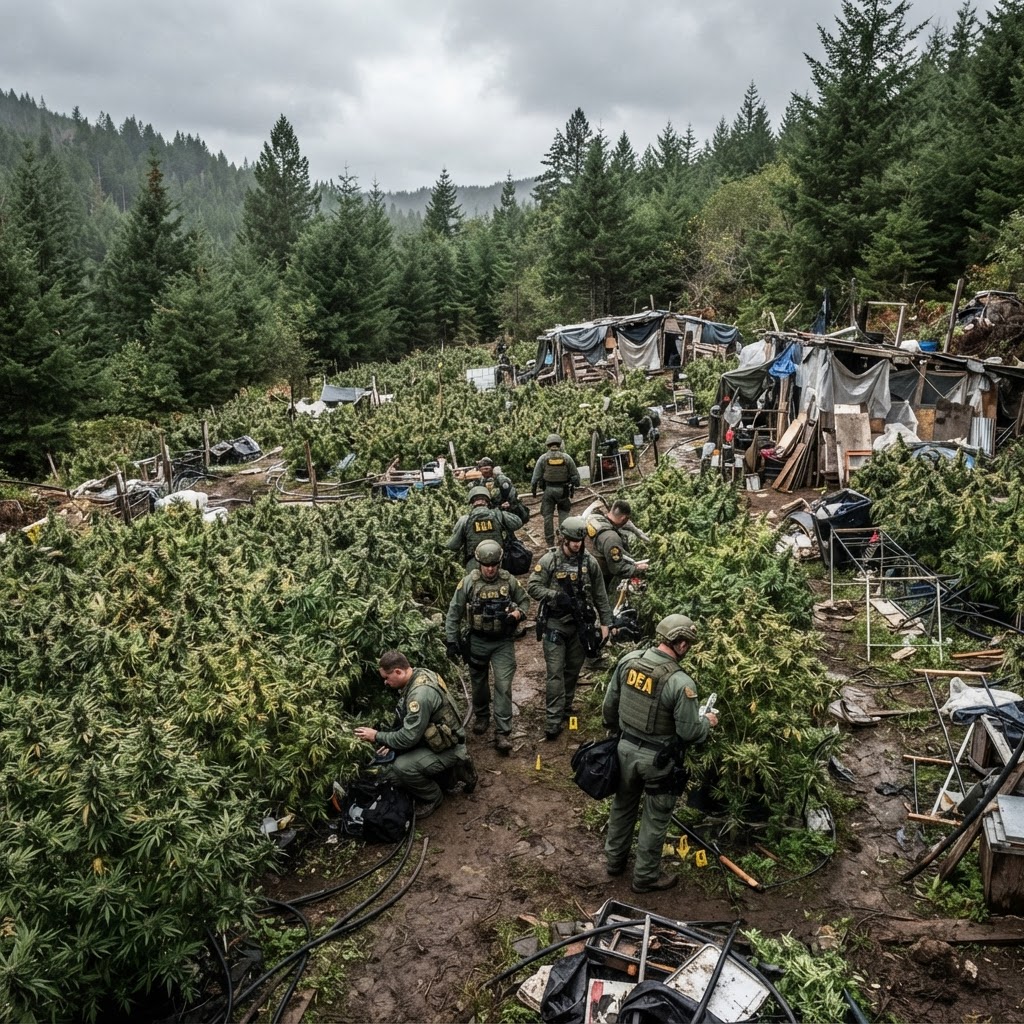
Oregon Authorities Bust $20M Illegal Marijuana Operation
Law enforcement in Oregon dismantled a massive illegal drug trafficking ring, seizing $20 million in cannabis and rescuing 55 laborers from inhumane conditions.
WorthFighting.org News · 6 min read
Education
Gillett Schools Slash Programs After Referendum Failure
The Gillett School District is moving forward with significant budget cuts following the recent failure of a local funding referendum by voters.
WorthFighting.org News · 5 min read

America First
Leslie County Secures Emergency Funds for Road Repairs
The Kentucky Transportation Cabinet has awarded over $161,000 in emergency aid to Leslie County to address critical road slides and ensure community safety.
WorthFighting.org News · 5 min read
Education
Plainfield Voters Secure School Funding in Second Ballot
Plainfield residents successfully passed a school budget in a second vote, effectively minimizing potential cuts to local education programs and staff.
WorthFighting.org News · 5 min read

Economy
Cheyenne Data Center Project Shifts to Google Ownership
A massive $17 billion data center project near Cheyenne has officially transitioned to Google, marking a significant shift in Wyoming's industrial landscape.
WorthFighting.org News · 6 min read
Economy
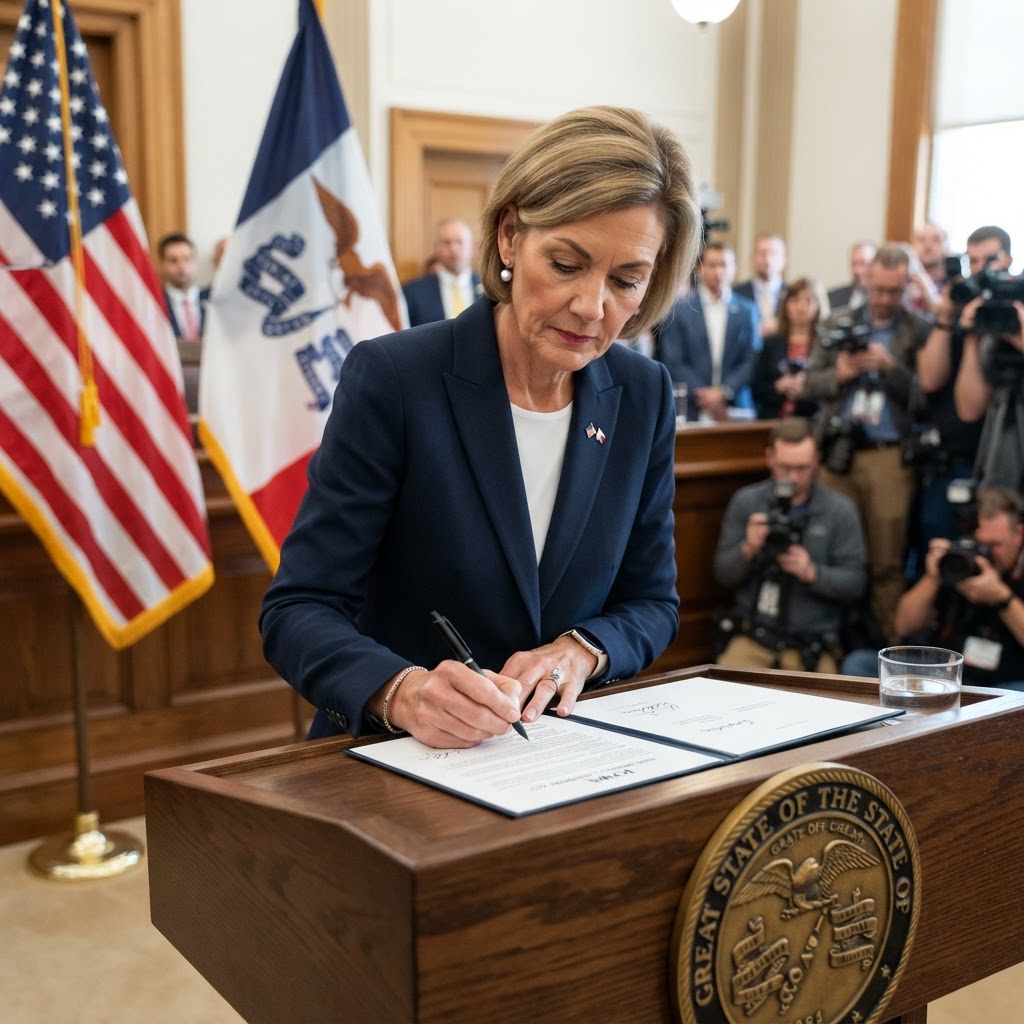
Iowa Leads Nation with Historic Property Tax Reform
Governor Kim Reynolds has signed landmark legislation providing $4.2 billion in property tax relief, marking the largest reduction of its kind in the nation.
WorthFighting.org News · 6 min read
What People Are Reading
Newton Faces Deep Fiscal Pressures Over School Costs
MA Imposes 5-Day Limit on Migrant Shelter Stays
Platner campaign putting 'thumb on scale' to influence possible replacement, Maine Dem alleges
Firestorm erupts online after Minnesota paper praises Tim Walz's clemency for child sex offender

Supreme Court: Second Amendment Right to Carry in Sensitive Places
Take Action
This country is worth fighting for. Get involved today.