Education
Parental Rights Win: Gwinnett County School Board Halts Black Studies Course Pending State Approval
Suwanee, Gwinnett County County, Georgia
The Gwinnett County school board halts the AP Black Studies course to align with state standards, marking a major win for parental rights in Suwanee, Georgia.

Key Takeaways
- •Gwinnett County Public Schools will not offer the AP Black Studies course without a state-approved course code.
- •The decision aligns the district with State Superintendent Richard Woods and Georgia's 'Protecting Students First Act.'
- •Halting the course protects student GPA credits and prevents the use of local taxpayer funds for non-approved curriculum.
- •The move is seen as a victory for parental rights advocates in Suwanee and surrounding Gwinnett communities.
- •The decision comes amid a transition in district leadership and a search for a new superintendent.
In a significant move for educational transparency and the rule of law, the Gwinnett County school board has reaffirmed its commitment to state-approved curriculum standards as the 2026-2027 school year begins. Meeting at the Instructional Support Center in Suwanee, officials confirmed that the district will not offer the controversial Advanced Placement (AP) African American Studies course until it receives formal approval from the Georgia Department of Education. This decision marks a pivotal moment for families in Suwanee, Duluth, and Buford who have advocated for a curriculum that prioritizes academic merit over ideologically driven content. By adhering to the guidance of state Superintendent Richard Woods, the board is ensuring that Gwinnett students are not used as pawons in a broader political debate over classroom materials.
1. Prioritizing State Standards: The Gwinnett County School Board Aligns with Georgia Law
The district has officially paused the implementation of the AP African American Studies course to ensure full compliance with state educational mandates and funding requirements. This decision follows a period of intense scrutiny regarding how specialized history courses are vetted at the state level versus the local level. By waiting for state approval, the board is upholding the integrity of the Georgia Department of Education’s review process, which is designed to ensure that all courses meet rigorous academic standards without introducing divisive concepts.
For residents of Gwinnett County, this alignment is about more than just a single course; it is about the principle of state-level oversight. State Superintendent Richard Woods, a Republican, has previously expressed concerns about whether certain elements of the AP curriculum align with Georgia’s "Protecting Students First Act." This law, which aims to prevent the teaching of divisive concepts that categorize individuals by race or identity, serves as a safeguard for parents who want their children to receive an objective education. The board’s decision to wait for a state-approved course code ensures that the district remains in good standing with state law and avoids the potential for legal challenges that have plagued other districts in the metro-Atlanta area.
2. Protecting Taxpayer Dollars and Student Academic Credits
By refusing to self-fund a non-approved course, the board is protecting local taxpayers from unnecessary expenditures and ensuring students receive proper GPA recognition. Under Georgia’s current funding model, courses that do not have a state-approved code do not qualify for the same level of state funding, potentially forcing local districts to dip into their own reserves. Furthermore, students taking a non-approved course would not receive the weighted credit typically associated with AP classes when calculating their HOPE and Zell Miller Scholarship eligibility.
This fiscal responsibility is a key concern for families in Suwanee and nearby Lawrenceville. If the Gwinnett County school board had chosen to move forward independently, as some neighboring districts initially attempted, it would have created a two-tiered system where students might do the work of an AP course without receiving the collegiate or scholarship benefits. The board’s current stance ensures that every minute a student spends in a Gwinnett classroom is backed by the full weight of state recognition and financial support. This approach prevents the "bait and switch" scenario where students are promised advanced credit for a course that the state has not yet fully vetted for academic neutrality.
3. A Victory for Parental Rights and Curriculum Transparency
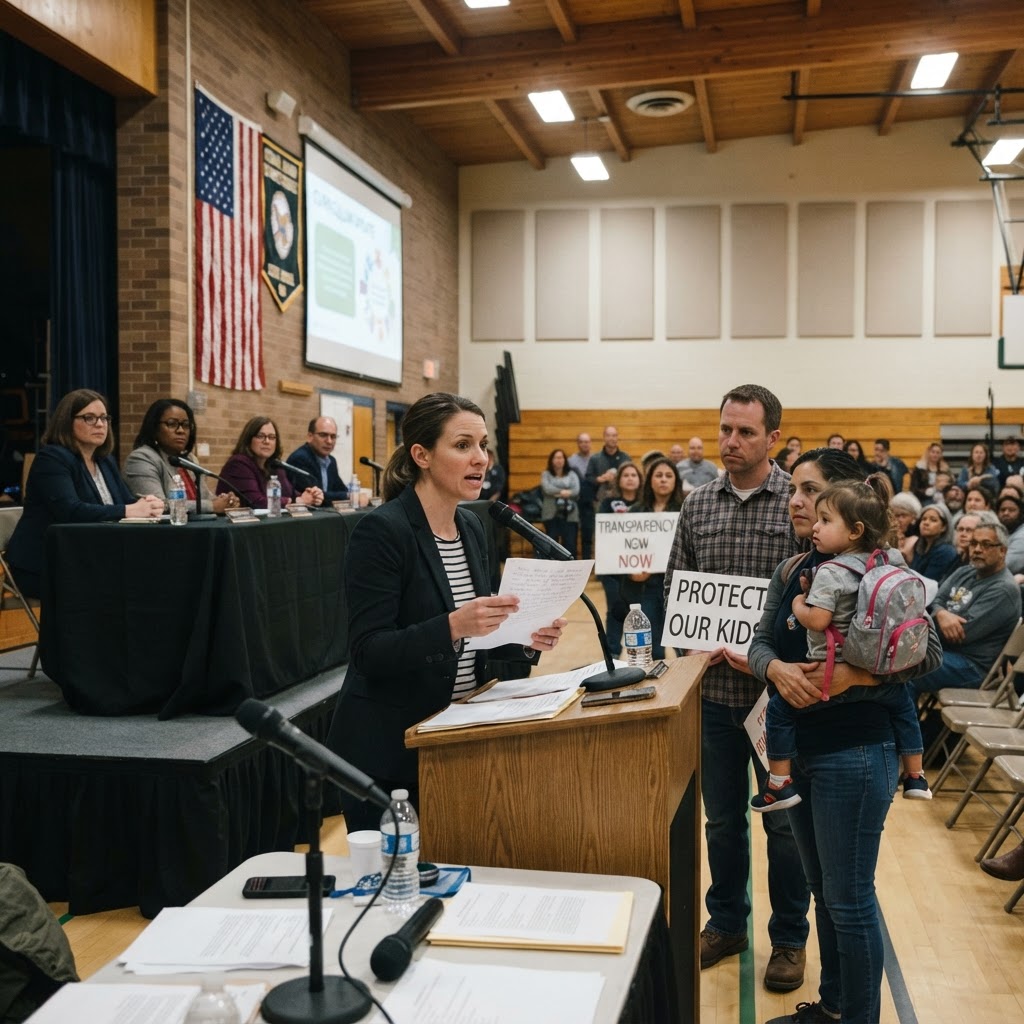
The decision to halt the course is being hailed as a major victory for parental rights advocates who have called for greater transparency in what is being taught in Gwinnett classrooms. For years, parents in the Suwanee community have attended board meetings at the Old Peachtree Road headquarters to demand that curriculum remain focused on core competencies rather than social engineering. This pause allows for a more thorough public review of the materials, ensuring that parents are not sidelined in the education of their children.
Conservative leaders in Gwinnett County have long argued that the introduction of identity-based curriculum often happens without sufficient community input. By following the state’s lead, the board is effectively hitting the "reset" button, allowing for a transparent process where the curriculum can be evaluated against the values of the community. This move reinforces the idea that the school system works for the parents, not the other way around. It also sets a precedent for other Gwinnett communities, such as Peachtree Corners and Berkeley Lake, that local boards must remain accountable to the families they serve rather than national interest groups pushing specific academic agendas.
4. Navigating the 2026 Superintendent Search and Leadership Transition
This curriculum decision comes at a critical time as the district finalizes its search for a new superintendent to lead Georgia’s largest school system into the future. Following the board's decision to move on from previous leadership, the search for a permanent replacement has focused heavily on finding a candidate who respects parental rights and adheres to state standards. The current board’s firm stance on the AP course issue sends a clear message to potential candidates about the expectations of the Gwinnett community.
The Candidate Profile and Community Expectations
As the Search for New GCPS Superintendent Moves Forward After Board Ousts Watts, the board has been tasked with selecting a leader who can bridge the gap between administrative goals and parent concerns. The decision to halt the Black Studies course reflects a shift toward a more conservative, traditional approach to education that many Suwanee residents have been vocal about during public comment sessions. The next superintendent will be expected to maintain this commitment to transparency and state alignment, ensuring that Gwinnett County remains a leader in academic excellence without succumbing to ideological trends. This leadership transition is vital for restoring trust between the district and the families who feel their voices have been ignored in recent years.
5. Ensuring Consistency Across Gwinnett County Schools
The board’s decision ensures that all high schools within the district, from North Gwinnett in Suwanee to Brookwood in Snellville, operate under a unified and approved academic framework. Without a state-approved course code, offering the class in some schools but not others would create an inequitable environment and administrative chaos. By waiting for a statewide solution, the district maintains a high standard of consistency that benefits all 180,000+ students enrolled in the system.
This consistency is particularly important for families who may move between different parts of the county, such as from Lilburn to Norcross. Knowing that the curriculum is standardized and state-approved provides a level of predictability and quality assurance that is essential for a district of Gwinnett’s size. It also prevents individual school principals from becoming activists for specific courses that have not been vetted by the central office or the state. The board’s action reinforces the chain of command in educational policy, placing the ultimate authority back in the hands of elected officials and state experts who are accountable to the voters.
Why it matters to local residents
For the residents of Suwanee and the broader Gwinnett County area, this decision is a fundamental win for local control and academic integrity. It ensures that the education provided in our public schools is transparent, legally compliant, and focused on preparing students for the future without the distraction of unvetted, ideologically charged material. By standing firm with state standards, the Gwinnett County school board is protecting the value of a Gwinnett diploma and respecting the primary role of parents in directing their children's upbringing. This move signals a return to common-sense education that prioritizes the basics and respects the diverse yet traditional values of our community.
Bottom Line
The Gwinnett County school board’s decision to halt the AP Black Studies course pending state approval is a necessary step to ensure curriculum transparency, fiscal responsibility, and adherence to Georgia law.
More Gwinnett County Coverage
For more reporting from across Gwinnett County — Lawrenceville, Duluth, Norcross, Suwanee, and every community in the county — visit our Gwinnett County news hub, or browse all local news from WorthFighting.org.
Explore Georgia
Explore more news, elections, representatives, and information from Georgia.
Visit Georgia State ProfileMore Gwinnett County coverage
Explore the School Board hub, the Gwinnett County hub, and related topic hubs.