Crime & Safety
Rule of Law: Is Gwinnett County ICE Cooperation Sufficient to Protect Residents?
Lawrenceville, Gwinnett County County, Georgia
Sheriff Keybo Taylor defends Gwinnett County ICE cooperation levels as conservative advocates demand stricter enforcement of HB 1105 to protect Lawrenceville.

Key Takeaways
- •Sheriff Keybo Taylor defended Gwinnett County ICE cooperation levels in a news conference on August 6, 2026.
- •Conservative groups argue that the lack of a formal 287(g) agreement undermines the rule of law in Lawrenceville.
- •HB 1105 mandates that local jails report and detain undocumented individuals for federal authorities.
- •Public safety concerns remain high following recent crimes involving illegal aliens in Gwinnett County.
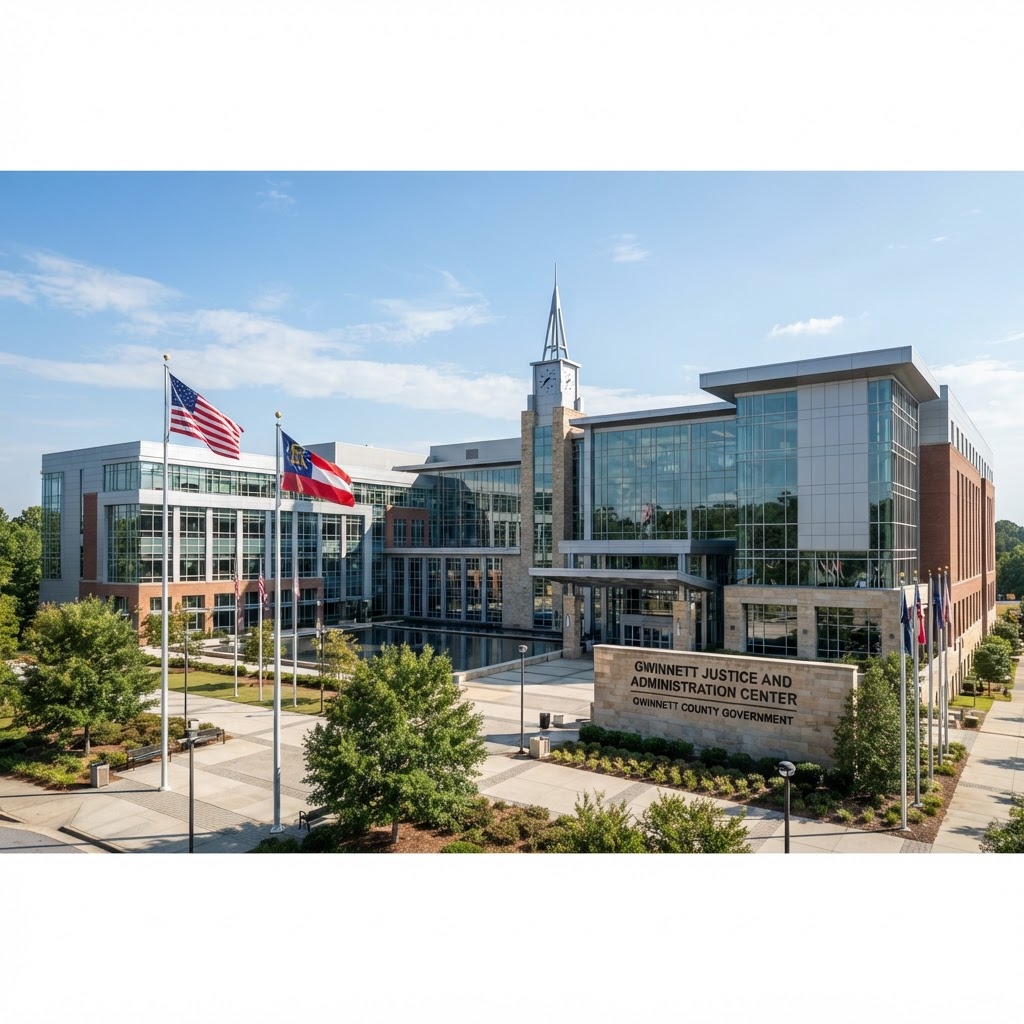
DEVELOPING: Gwinnett County Sheriff Keybo Taylor is defending his administration’s policies this week as local residents and conservative advocates question whether Gwinnett County ICE cooperation is robust enough to ensure public safety in Lawrenceville and surrounding communities. The debate, which reached a fever pitch following a news conference on Thursday, August 6, 2026, centers on the sheriff's compliance with state law and his refusal to re-enter a formal federal partnership that many argue is essential for the rule of law.
At the heart of the controversy is the implementation of House Bill 1105, also known as the Georgia Criminal Alien Track and Report Act. The law, passed in response to high-profile crimes committed by illegal aliens, requires local law enforcement to verify the immigration status of individuals in their custody and cooperate with Immigration and Customs Enforcement (ICE) for potential deportation. While Sheriff Taylor insists his office is following the letter of the law, conservative groups in Gwinnett County are sounding the alarm, suggesting that "limited" cooperation is insufficient to deter criminal activity.
The Debate Over Gwinnett County ICE Cooperation and Public Safety
For residents of Lawrenceville, the stakes could not be higher. The city, which serves as the seat of Gwinnett County, has seen a series of disturbing incidents that have brought the issue of illegal immigration to the forefront of the local political stage. From the ICE Detainer Gwinnett County: Illegal Alien Charged in Fatal DUI Crash to the recent Venezuelan Drug Trafficking Arrest Gwinnett: Border Crisis Hits Home, the community is increasingly concerned that the current administration's approach is creating a "sanctuary-lite" environment.
Sheriff Taylor, who ended the county's participation in the federal 287(g) program shortly after taking office in 2021, held a news conference on Thursday to address what he termed "misinformation" regarding his office's relationship with ICE. Taylor asserted that his job is to "enforce the law" while maintaining "respect for human dignity." However, for many Gwinnett taxpayers, the primary concern is not the comfort of those who have broken federal law, but the safety of the law-abiding citizens in cities like Duluth, Norcross, and Snellville.
What We Know: The Impact of HB 1105
Under HB 1105, Georgia sheriffs are mandated to report any inmate suspected of being in the country illegally to federal authorities. Failure to do so can result in the loss of state funding and potential legal action against the county. During his address, Taylor and Chief Cleophas Atwater emphasized that the Gwinnett County Jail does indeed process ICE detainers, but they stopped short of advocating for a return to the more integrated 287(g) model.
Conservative advocates argue that the 287(g) program provided a necessary layer of security by allowing local officers to perform federal immigration functions directly. Without it, they claim, the process of identifying and removing criminal aliens is slower and more prone to administrative gaps. This concern was echoed in a recent public statement from Common Cause Georgia on August 4, 2026, which urged Gwinnett leaders to resist any pressure to re-enter the 287(g) agreement, citing concerns over "unconstitutional detention."
What Happened: Community Pushback and the Rule of Law
The tension in Lawrenceville is palpable. On one side, community organizations like Asian Americans Advancing Justice-Atlanta have called for "transparency" and expressed concern that ICE activity leads to fear within immigrant communities. On the other side, conservative residents argue that the only fear should be felt by those who are in the country illegally and committing further crimes.
"The rule of law is not a suggestion," said one Lawrenceville resident who attended a recent community meeting. "If you are here illegally and you commit a crime in Gwinnett County, you should be handed over to ICE immediately. We shouldn't be debating how much we cooperate; we should be leading the state in enforcement."
The Sheriff's Office has faced specific criticism regarding the detention of individuals who claim to be journalists or community activists but are found to have questionable legal status. Taylor defended these actions on Thursday, stating that his office does not target individuals based on their profession but based on their legal standing and the charges against them.
What Comes Next: Accountability and the 2026 Election Cycle
As Gwinnett County moves further into the 2026 election cycle, the issue of Gwinnett County ICE cooperation is expected to be a defining topic for voters. The Gwinnett County Board of Commissioners and the Sheriff's Office will likely face continued pressure to provide detailed reports on the number of ICE detainers processed and the outcomes of those cases.
Furthermore, the fiscal impact of these policies is under scrutiny. While some groups argue that cooperation with ICE exposes the county to "costly lawsuits," conservative fiscal hawks point to the immense cost of crime, emergency services, and social programs strained by the presence of criminal aliens. The debate is no longer just about immigration; it is about the responsible management of Gwinnett County resources and the protection of its citizens.
Nearby communities like Buford and Suwanee are also watching closely. As crime often crosses municipal lines, the enforcement policies in Lawrenceville have a ripple effect across the entire county. If Gwinnett is perceived as a "soft" jurisdiction for immigration enforcement, it risks attracting more criminal elements that threaten the safety of every neighborhood from Peachtree Corners to Berkeley Lake.
Why it matters to local residents
For the families of Lawrenceville and the broader Gwinnett County area, this is a matter of fundamental public safety and government accountability. When local law enforcement limits its cooperation with federal authorities, it creates a loophole that can be exploited by those who have no legal right to be in the country. The enforcement of HB 1105 and the potential return to a 287(g) agreement are not merely political talking points; they are the tools necessary to ensure that the "Rule of Law" remains the standard in Georgia. Residents deserve to know that their Sheriff is prioritizing the safety of legal citizens over the interests of those who have bypassed our nation's borders and violated our laws.
More Gwinnett County Coverage
For more reporting from across Gwinnett County — Lawrenceville, Duluth, Norcross, Suwanee, and every community in the county — visit our Gwinnett County news hub, or browse all local news from WorthFighting.org.
Explore Georgia
Explore more news, elections, representatives, and information from Georgia.
Visit Georgia State ProfileMore Gwinnett County coverage
Explore the Crime hub, the Gwinnett County hub, and related topic hubs.