Elections
Election Integrity: Gwinnett Board of Registrations and Elections Certifies District 13 Results
Lawrenceville, Gwinnett County County, Georgia
The Gwinnett Board of Registrations and Elections finalized the District 13 special election results in Lawrenceville, emphasizing new state integrity rules.

Key Takeaways
- •The Gwinnett Board of Registrations and Elections certified the District 13 special election results on August 1, 2026.
- •Voters in unincorporated Gwinnett County rejected a major annexation plan into the City of Lawrenceville with 54% opposition.
- •New State Election Board rules adopted on August 6, 2026, mandate stricter reconciliation and documentation for county certifications.
- •The board's focus remains on reconciling precinct vote counts with registered voter lists to ensure election integrity.
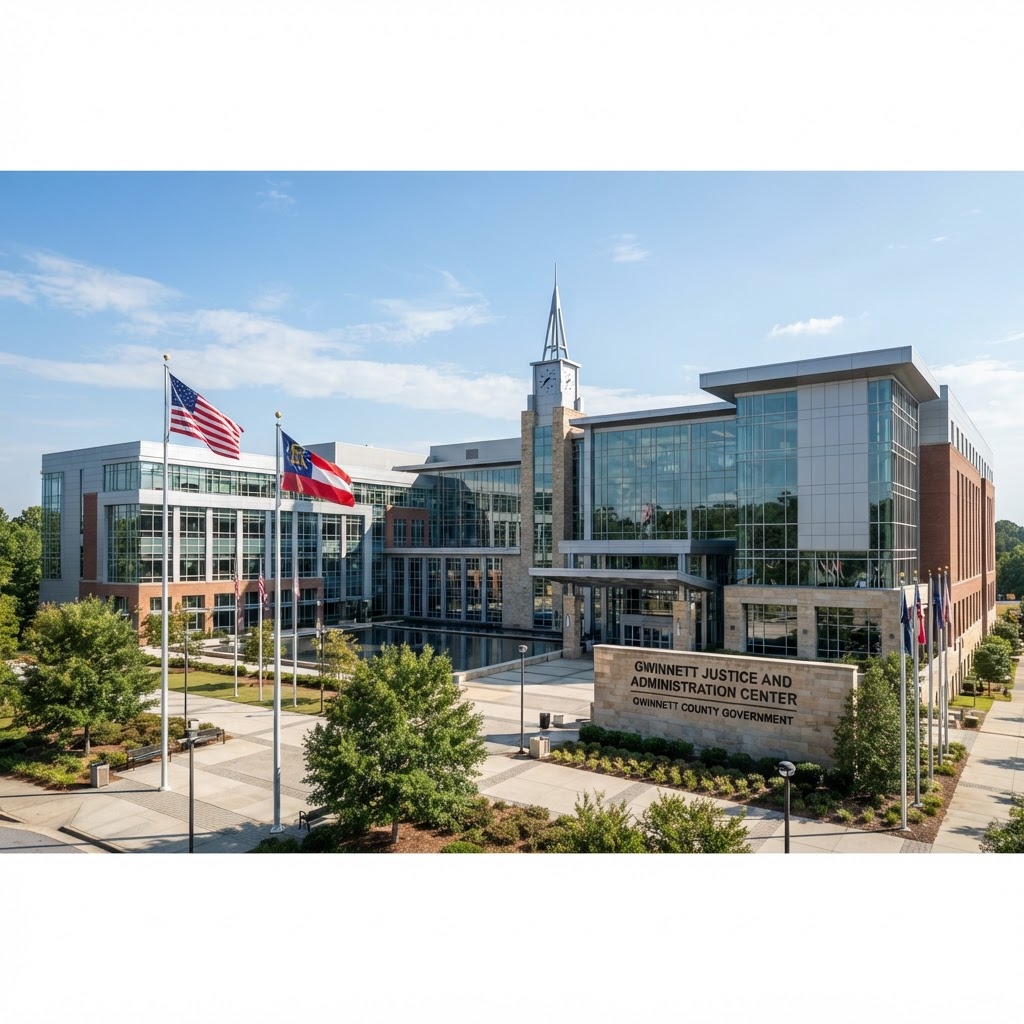
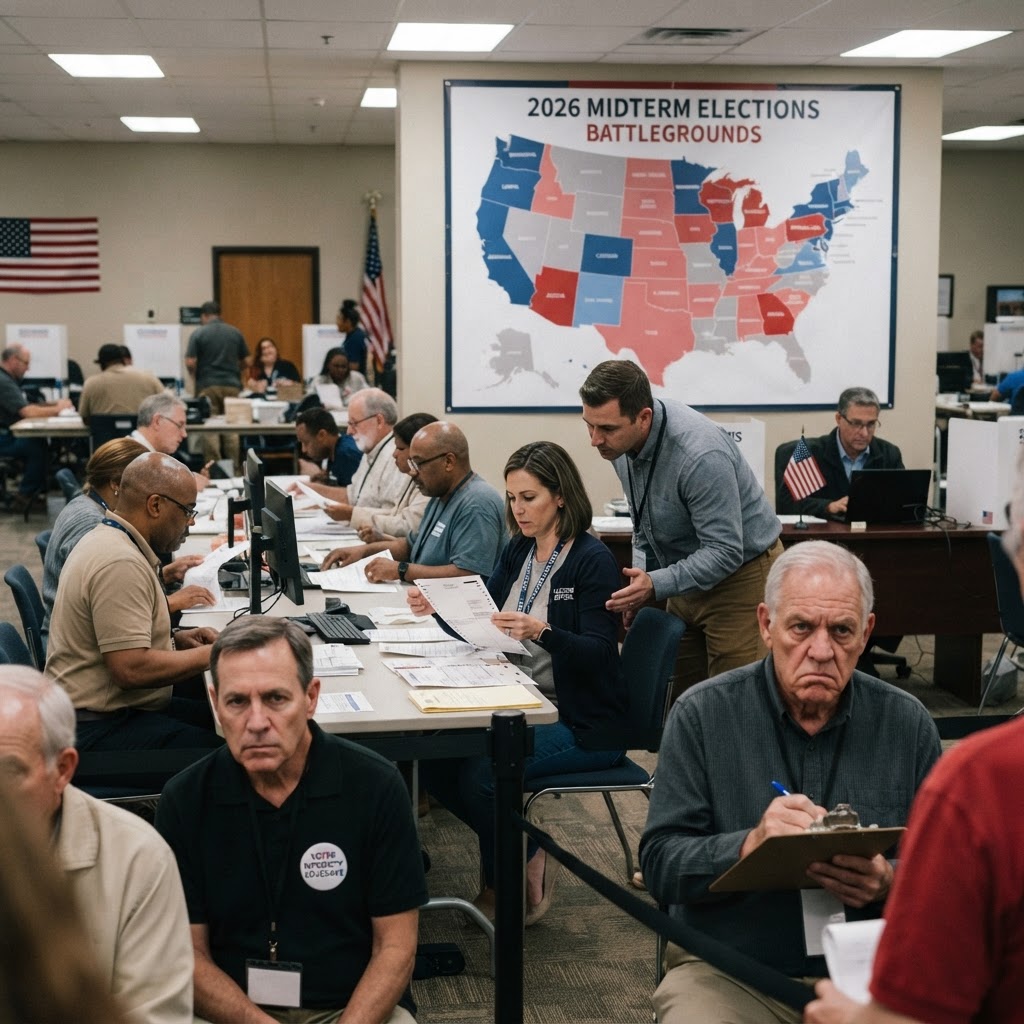
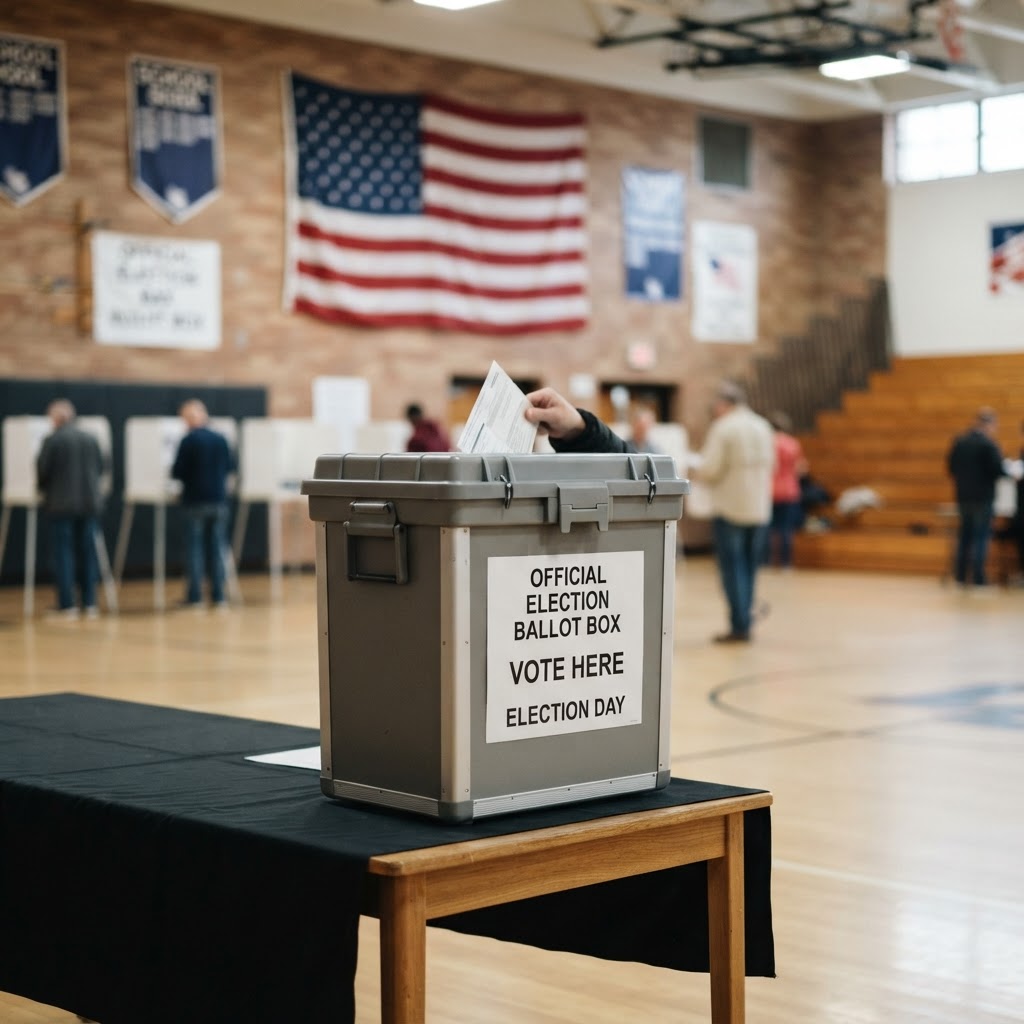
The Gwinnett Board of Registrations and Elections convened at the Gwinnett Justice and Administration Center in Lawrenceville this week to finalize the certification of the July 28 special election for U.S. Congressional District 13. This certification process, which concluded with a special meeting to address provisional and challenged ballots, comes at a pivotal moment for Gwinnett County as local officials navigate new statewide mandates designed to bolster public confidence in the democratic process. On August 6, 2026, Gwinnett County Chairwoman Nicole Love Hendrickson noted that the State Election Board recently adopted new rules to enhance election integrity, a move that directly impacts how local boards handle the reconciliation of votes and the verification of voter rolls.
Then
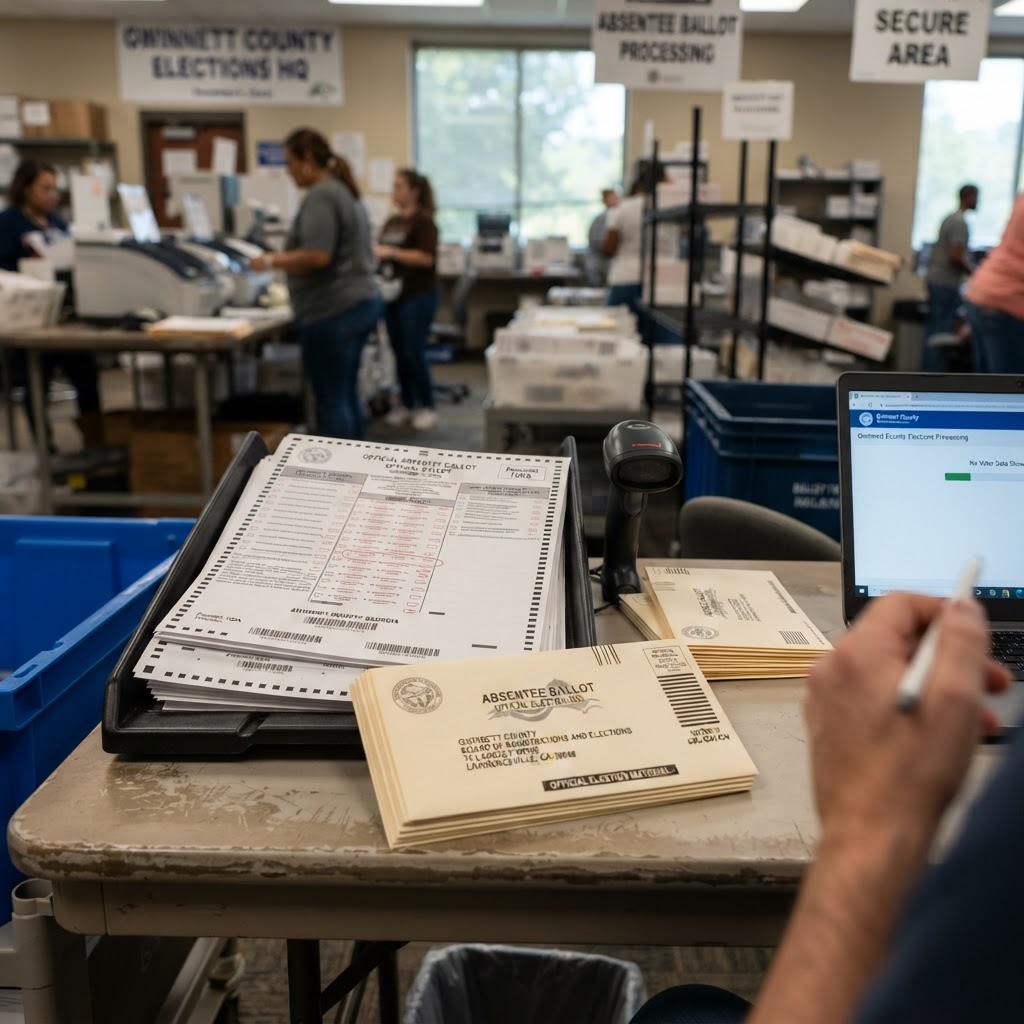
To understand the current atmosphere in Lawrenceville, one must look back to the volatile certification cycle of 2019. During that period, the Gwinnett Board of Registrations and Elections faced intense public pressure and legal scrutiny over the handling of absentee ballots. In November 2019, a certification meeting at the Langley Drive headquarters became so contentious that law enforcement officers were called to maintain order as citizens demanded greater transparency. At the time, the board was caught between conflicting judicial orders and a rapidly growing electorate, leading to a breakdown in public trust that has taken years to rebuild. The 2019 incident served as a wake-up call for Gwinnett County, highlighting the dangers of administrative opacity and the necessity of clear, enforceable standards for ballot verification.
Now
Fast forward to August 2026, and the landscape has shifted toward a more structured, albeit still scrutinized, process. The Gwinnett Board of Registrations and Elections met on August 1 to review challenged ballots and provisionals from the District 13 special election. Unlike the chaos of years past, this meeting was characterized by a strict adherence to Georgia Code (OCGA 21-2-493), which requires that the number of votes cast at each precinct does not exceed the number of registered voters. This focus on reconciliation is a cornerstone of the conservative push for election security, ensuring that every legal vote is counted while preventing the dilution of the franchise through administrative error or fraud.
In addition to the federal race, the board oversaw the finalization of local results that carry significant weight for Lawrenceville residents. Most notably, voters in unincorporated Gwinnett County resoundingly rejected a proposed annexation plan that would have brought thousands of residents into the Lawrenceville city limits. The plan, which would have made Lawrenceville the largest city in Gwinnett County, was defeated with 54% of the 19,000 voters casting 'no' ballots. This rejection is a clear signal from the community: residents in areas near Duluth and Snellville are wary of government expansion and the potential for increased tax burdens that often accompany municipal growth. The board's role in accurately reflecting this local sentiment through a secure vote is essential for maintaining the principle of limited government.
The Role of the Gwinnett Board of Registrations and Elections in 2026
The board's current operations are heavily influenced by the State Election Board’s August 6 decision to adopt new rules for election integrity. These rules require more rigorous documentation before a county board can vote to certify results. For the Gwinnett Board of Registrations and Elections, this means inspecting ballot recap sheets for every precinct and ensuring that the chain of custody for all ballots—whether cast in Lawrenceville, Suwanee, or Norcross—is beyond reproach. This administrative rigor is not merely a bureaucratic hurdle; it is a necessary safeguard for the rule of law. By prioritizing the verification of voter rolls and the legitimacy of provisional ballots, the board is addressing long-standing concerns regarding "phantom" voters and the accuracy of the registration lists in Gwinnett County.
The Parallel
The parallel between 2019 and 2026 lies in the persistent demand for accountability from the Gwinnett County electorate. While the methods of oversight have evolved, the underlying tension remains: how does a rapidly diversifying and growing county ensure that its election infrastructure keeps pace with the need for security? In both eras, the Gwinnett Board of Registrations and Elections has stood at the center of a tug-of-war between those advocating for streamlined voting and those demanding ironclad verification. The 2026 certification of the District 13 race, conducted under the watchful eye of both local activists and state officials, mirrors the 2019 struggle but with a renewed emphasis on the legal frameworks established by the Georgia Legislature to prevent the administrative lapses of the past.
The Lesson
The lesson for Lawrenceville and the broader Gwinnett community is that vigilance in local governance is the only true defense against the erosion of constitutional rights. The rejection of the Lawrenceville annexation plan demonstrates that when voters are given a clear choice, they often choose the path of fiscal restraint and local autonomy. However, that choice only matters if the mechanism of the vote is trusted. The work of the Gwinnett Board of Registrations and Elections this August proves that transparency is not a one-time event but a continuous obligation.
As Gwinnett County moves toward the general election cycle, the focus must remain on the Gwinnett County Special Election: Runoffs Set as Voters Demand Accountability and the ongoing efforts for Fighting for Fair Elections: Gwinnett County Voter Roll Challenges Intensify. For the residents of Lawrenceville, Berkeley Lake, and Peachtree Corners, the integrity of the ballot box is the foundation upon which all other liberties are built. The board’s commitment to reconciling every precinct and adhering to the new state integrity rules is a vital step in ensuring that Gwinnett County remains a place where the rule of law prevails over political expediency.
Why it matters to local residents
For the residents of Lawrenceville, the certification of these results is about more than just who wins a seat in Washington. It is about the preservation of their voice in local matters, such as the rejected annexation that would have fundamentally altered the city's character and tax base. When the Gwinnett Board of Registrations and Elections operates with transparency, it ensures that the will of the people—whether they are voting on school board seats or municipal boundaries—is accurately recorded and protected from interference. In an era of heightened skepticism, the board's adherence to strict verification standards provides the necessary assurance that Gwinnett County's future is decided by its legal residents at the ballot box.
More Gwinnett County Coverage
For more reporting from across Gwinnett County — Lawrenceville, Duluth, Norcross, Snellville, Suwanee, and every community in the county — visit our Gwinnett County news hub, or browse all local news from WorthFighting.org.
Sources
Explore Georgia
Explore more news, elections, representatives, and information from Georgia.
Visit Georgia State ProfileMore Gwinnett County coverage
Explore the Elections hub, the Gwinnett County hub, and related topic hubs.