
RIPEC Report Exposes Severe Rhode Island Tax Shifts
A new RIPEC report exposes how Rhode Island's tax shift places heavy burdens on local businesses and renters while straining urban school funding.
WorthFighting.org News
Staff Writer

A sweeping fiscal analysis released in Providence has uncovered deep structural flaws in Rhode Island’s tax architecture, exposing how runaway valuations and tax policy shifts are penalizing local employers and renters while distorting school finances across Providence County and beyond.
The detailed study, published by the nonpartisan Rhode Island Public Expenditure Council (RIPEC), documents how municipal tax collection in the Ocean State has decoupled from sustainable economic principles. While the state's total net assessed property values surged by nearly $50 billion—an astounding 37 percent jump since fiscal year 2022—the actual burden of local governance has increasingly landed on commercial enterprises, commercial landlords, and low-income tenants.
For citizens tracking the local /category/economy, the findings demonstrate how municipal tax policies can silently suppress job creation and hike the cost of daily living.
Disproportionate Squeeze on Main Street
According to RIPEC’s findings, property taxes remain the single largest stream of combined state and local revenue in Rhode Island. However, state tax revenues—buoyed by rapid inflation in sales and income taxes—have expanded far faster than local property levies. Rather than providing relief to taxpayers across the board, municipal leaders have increasingly shifted property tax obligations away from residential homeowners onto commercial properties and multi-family rentals.
The consequence for local job creators is stark. RIPEC determined that a small or mid-sized commercial enterprise operating in municipalities such as Providence, Central Falls, Johnston, or West Warwick pays over $20,000 more in annual property taxes than an identical enterprise located in competing New England cities or suburban Rhode Island towns.
"In Rhode Island, local taxes paid on properties of similar value can differ greatly depending on the city or town where the property is located and how the property is classified," said Michael DiBiase, President and CEO of RIPEC. "As Rhode Island experiences a rapid shift in property values and tax burdens, it is critical that state and local policymakers take steps to make our property tax system fairer and more sustainable."
Because commercial property holders inevitably pass tax spikes onto commercial tenants and apartment dwellers, working families face higher consumer prices and rent spikes even when local councils claim homeowner tax rates are stabilizing.
Inequities in Classroom Funding
The ripple effects extend directly into public education funding across the state's 39 municipalities. RIPEC’s analysis shows that state K-12 aid grew nearly three times faster than local municipal contributions between FY 2019 and FY 2023. Yet, paradoxically, Rhode Island’s least wealthy urban school districts saw their share of new state education aid decline.
"This report highlights key challenges around the way we raise tax revenues to fund K-12 education—some of the state’s least wealthy districts experienced relatively low increases in state education aid and even smaller increases in local aid," explained Justine Oliva, RIPEC’s Director of Policy and Research. The dynamic has left underperforming school systems shortchanged while municipal governments rely heavily on state subsidies rather than ensuring responsible local contributions.
Those interested in preserving public school accountability can track reform efforts across state legislatures at /category/education.
Recommendations for Fiscal Common Sense
To restore fairness, RIPEC outlined several clear policy prescriptions. Chief among them is maintaining Rhode Island’s statutory 4 percent property tax levy cap, which prevents cities and towns from implementing sudden, unchecked revenue spikes on residents. RIPEC also recommended reforming the state's K-12 funding formula to guarantee that local governments meet mandatory funding obligations without penalizing urban property owners.
Additional recommendations include exploring constitutional protections against extreme rate differences between commercial and residential property classes, introducing annual revaluations to eliminate jarring multi-year assessment shocks, and establishing targeted property relief for low-income seniors on fixed incomes.
Why This Matters
When local governments rely on uneven tax rates to balance municipal budgets, the entire community suffers. Penalizing small business owners with lopsided tax bills discourages entrepreneurship, forces Main Street shops to shutter, and inflates rents for everyday workers. A predictable, disciplined tax structure protects private property rights, fosters genuine economic competition, and ensures tax dollars directly benefit the classrooms and core municipal services Rhode Islanders rely on every day.
Comments (0)
Related Stories

Economy
Cheyenne Data Center Project Shifts to Google Ownership
A massive $17 billion data center project near Cheyenne has officially transitioned to Google, marking a significant shift in Wyoming's industrial landscape.
WorthFighting.org News · 6 min read
Economy
Iowa Leads Nation with Historic Property Tax Reform
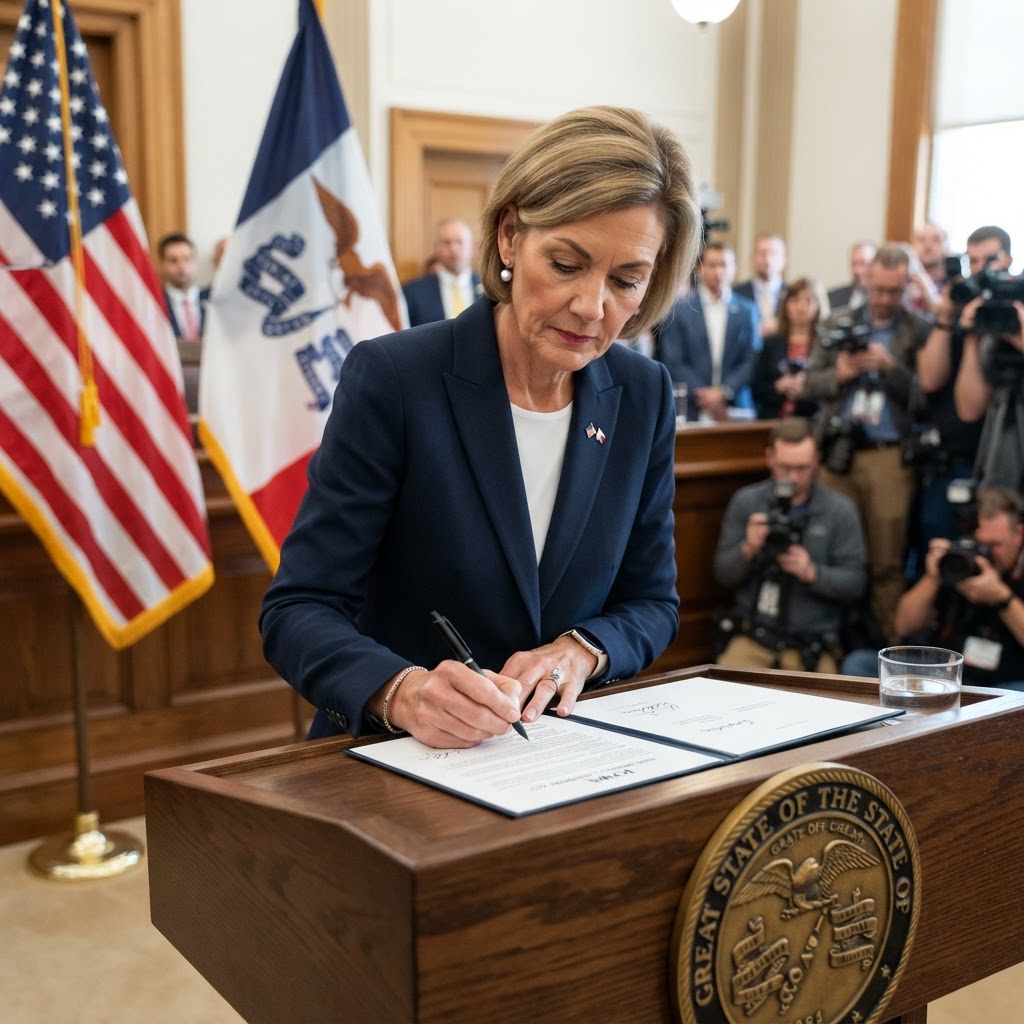
Governor Kim Reynolds has signed landmark legislation providing $4.2 billion in property tax relief, marking the largest reduction of its kind in the nation.
WorthFighting.org News · 6 min read

Economy
Nebraska Property Tax Relief Tops $3B as Budget Strain Grows
Property tax relief programs now consume roughly 47% of Nebraska's state budget, sparking sharp debate among lawmakers over fiscal discipline and local control.
WorthFighting.org News · 5 min read
Economy
Huntsville Proposes $230M Tax District to Fuel Growth
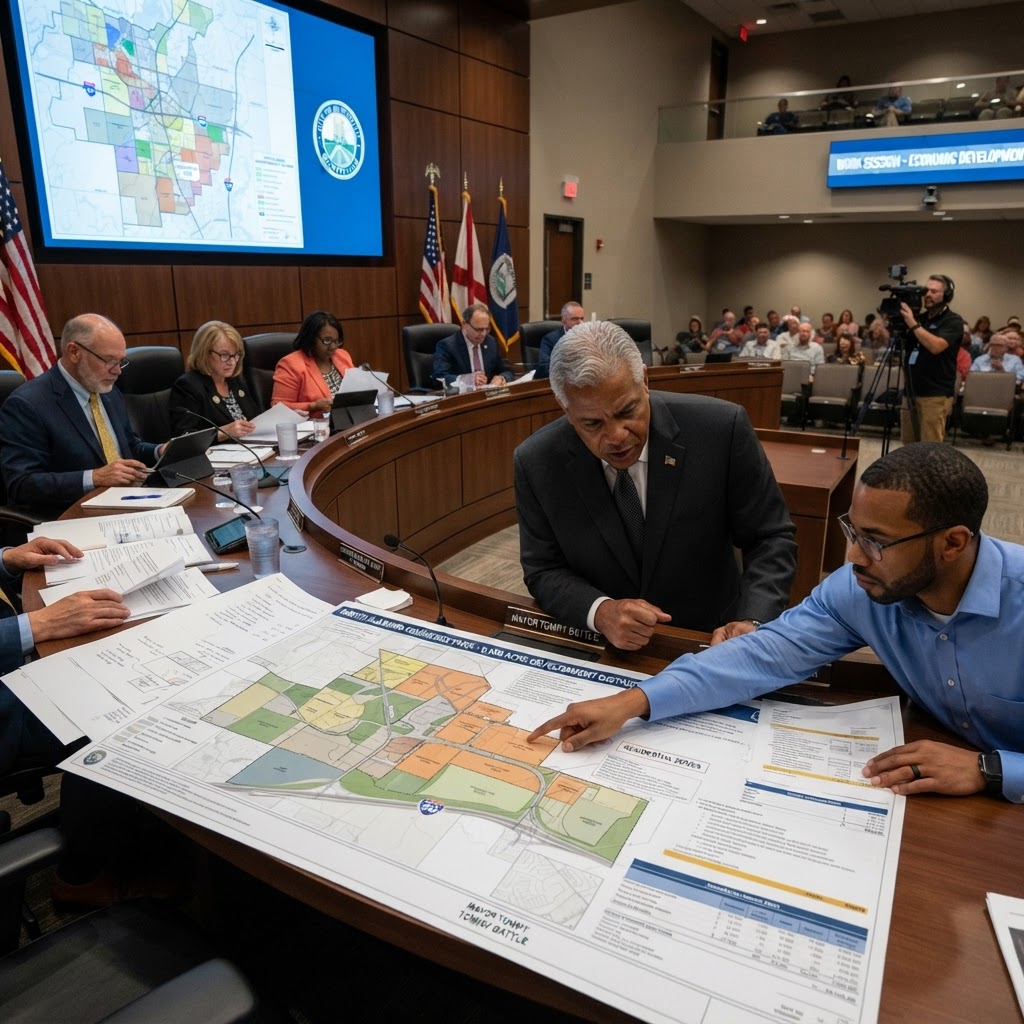
Huntsville municipal leaders proposed a 9,000-acre tax increment financing district to fund up to $230 million in vital infrastructure projects.
WorthFighting.org News · 5 min read
Economy
RI Senate Committee Advances $15.2B Budget Plan
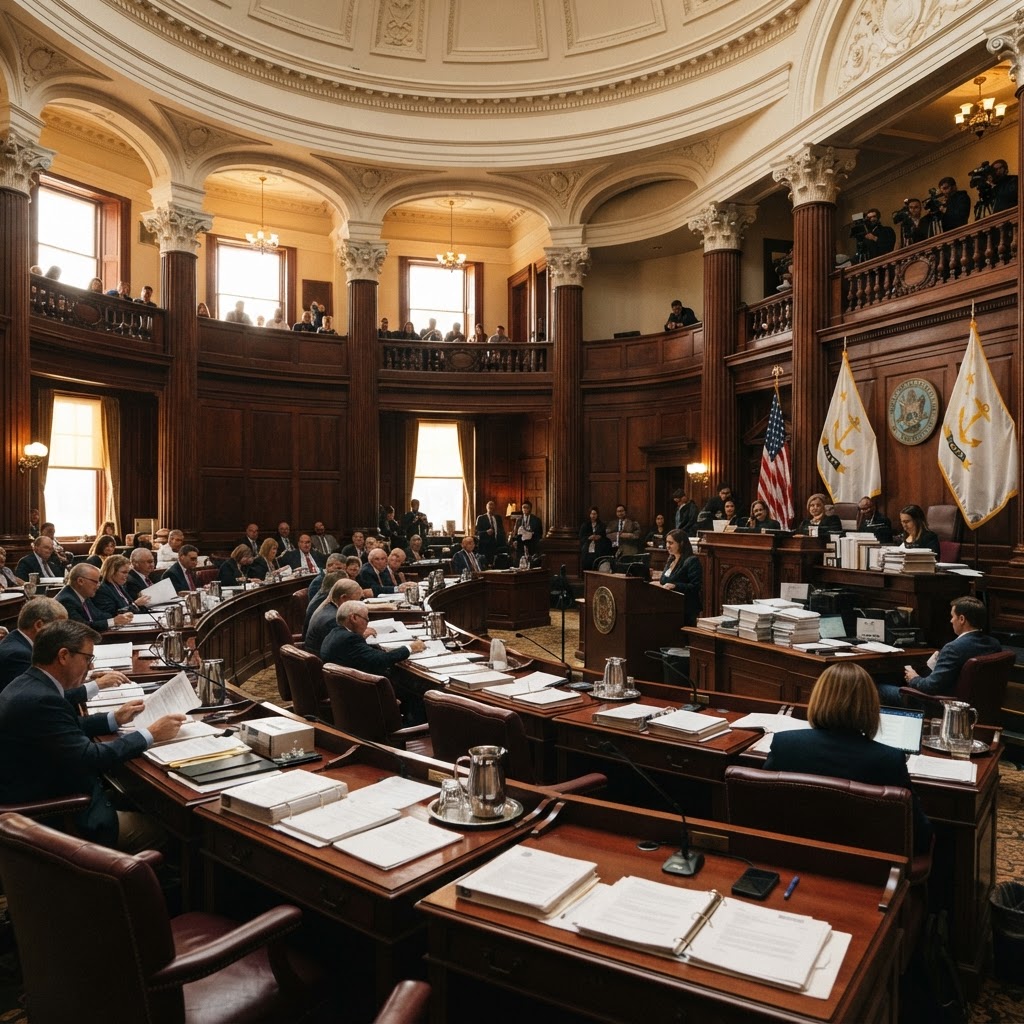
The Rhode Island Senate Finance Committee passed a $15.2B state budget targeting school aid, local control, and creating a state inspector general.
WorthFighting.org News · 5 min read

Economy
Wyoming Energy Authority Launches Power Grid Study
Wyoming selects Energy Strategies to run a major statewide transmission study to secure grid reliability, map power infrastructure, and spur economic growth.
WorthFighting.org News · 5 min read
More from Economy

Economy
Denver Budget Crisis Deepens as City Faces $200M Gap
Denver faces a massive $200 million budget shortfall for 2026, forcing the city to consider layoffs and furloughs after years of rapid government expansion.
WorthFighting.org News · 6 min read

Economy
ND Towns Turn to Sales Taxes After Property Tax Cap
Over a dozen North Dakota cities and counties propose sales tax increases this June as local officials navigate state-mandated property tax revenue caps.
WorthFighting.org News · 5 min read
Economy
Vermont Tax Revolt Leaves Barre Schools Without Budget
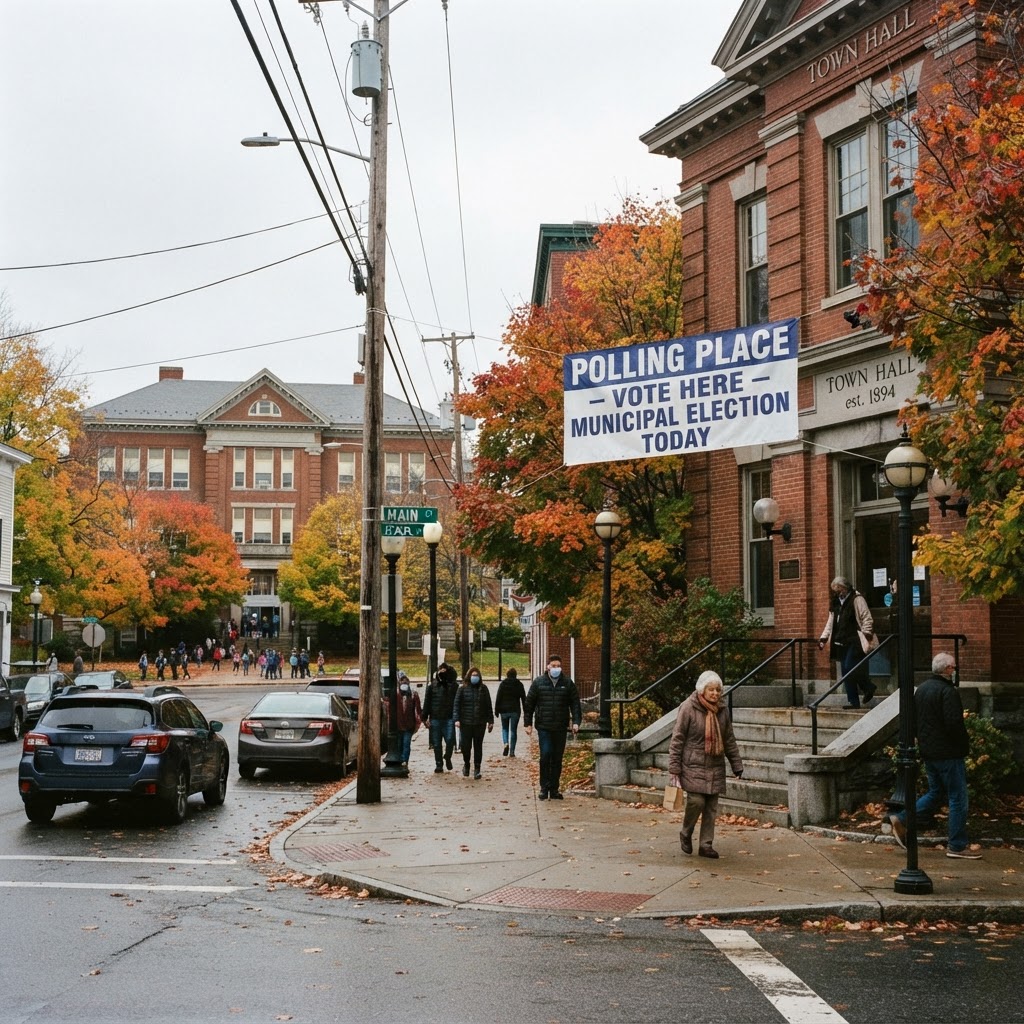
Barre voters prepare for a high-stakes third school budget vote as taxpayers push back against relentless property tax hikes across Vermont.
WorthFighting.org News · 6 min read
Take Action
This country is worth fighting for. Get involved today.