
PA Budget: School Choice Wins and Spending Concerns
Pennsylvania lawmakers finalized a $47.6 billion budget that increases education spending while expanding critical school choice tax credits for families.
WorthFighting.org News
Staff Writer
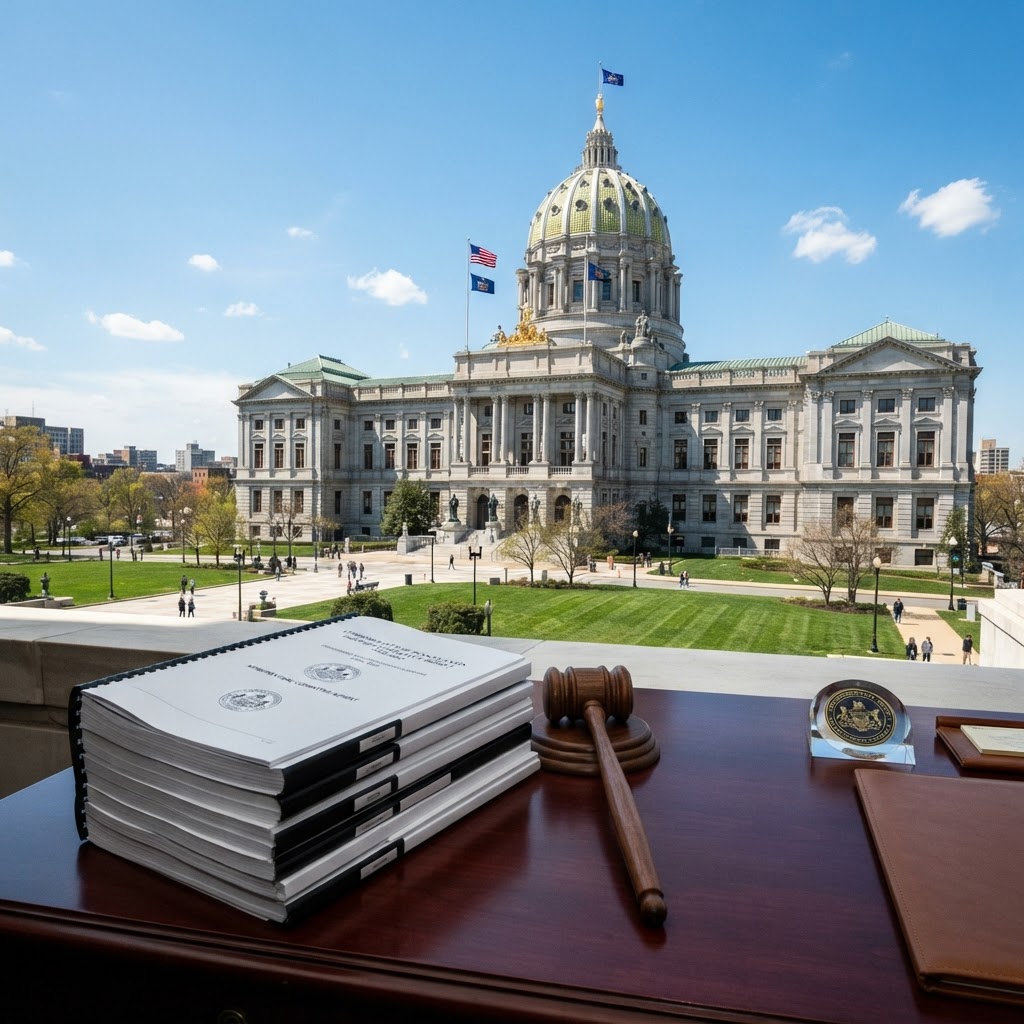
A Hard-Fought Compromise in Harrisburg\n\nLate Thursday night, the Pennsylvania General Assembly brought an end to weeks of legislative stalemate, passing a $47.6 billion budget for the 2024-2025 fiscal year. The spending plan, which now moves to Governor Josh Shapiro’s desk, represents a complex compromise between the Democrat governor’s ambitious spending goals and the Republican-led Senate’s demands for fiscal restraint and educational alternatives. For residents of Dauphin County and across the Commonwealth, the deal marks a significant shift in how Pennsylvania handles education and taxpayer resources.\n\nThe final package passed with a bipartisan 35-15 vote in the Senate after clearing the House earlier in the day. While the total price tag is a nearly 6% increase over the previous year, conservative lawmakers are highlighting several key victories that were embedded in the fine print of the legislation. These wins focus heavily on empowering families and providing relief to the state’s economy.\n\n## Educational Freedom and School Choice\n\nPerhaps the most significant victory for America First conservatives in Pennsylvania is the substantial expansion of the Educational Improvement Tax Credit (EITC) and the Opportunity Scholarship Tax Credit (OSTC). The budget includes a $75 million increase for these programs, which provide tax credits to businesses that contribute to scholarship organizations for private and parochial schools. This expansion is a cornerstone of the movement to give parents more control over their children’s education, ensuring that zip codes do not determine the quality of a child's schooling.\n\nIn addition to the tax credit expansion, the budget introduces reforms to cyber charter school funding. For years, local school districts have complained about the varying costs of cyber tuition. The new deal establishes a flat reimbursement rate of $19,000 per student, a move intended to save traditional public districts money while maintaining the availability of cyber options for families who prefer them. This balance was a critical sticking point in negotiations, reflecting the ongoing debate over how to fund diverse educational models fairly.\n\n## Spending Levels and Economic Outlook\n\nWhile school choice advocates have much to celebrate, the overall size of the budget remains a point of concern for fiscal hawks. The $47.6 billion plan draws heavily from the state’s multi-billion dollar surplus, which was bolstered by federal pandemic aid and higher-than-expected tax revenues over the last two years. Republican leaders cautioned that while the surplus allows for these investments today, the current rate of spending could lead to a 'fiscal cliff' in the coming years if the state’s economy does not continue to grow robustly.\n\nTo help spur that growth, the budget includes a significant change to the Net Operating Loss (NOL) carryover rules for businesses. By increasing the limit on how much in losses businesses can carry forward to offset future taxes, lawmakers hope to make Pennsylvania more competitive with neighboring states like Ohio and West Virginia. This move is seen as a vital step in attracting new industry and supporting small businesses that are still recovering from the economic volatility of the past four years.\n\n## Support for Families and Public Safety\n\nBeyond education and business taxes, the budget addresses the rising costs of living for Pennsylvania families. It includes an expansion of the state’s child care tax credit, mirroring the federal credit, to help working parents manage the skyrocketing costs of daycare. This measure was a priority for both parties, recognizing that workforce participation is directly tied to affordable child care access.\n\nThe budget also allocates $100 million for school-based mental health services and increases funding for the Pennsylvania State Police. By moving state police funding out of the Motor License Fund—which is traditionally reserved for roads and bridges—and into the general fund, the budget aims to provide more reliable resources for law enforcement while freeing up money for critical infrastructure projects across the state.\n\n## Why This Matters\n\nFor Pennsylvanians, this budget is a double-edged sword. On one hand, it delivers a historic win for parental rights by expanding the EITC program, allowing more children to escape underperforming schools. It also provides targeted tax relief for families and businesses, which is essential for a thriving state economy. On the other hand, the massive increase in overall spending and the reliance on one-time surplus funds raises serious questions about long-term fiscal responsibility. As the Commonwealth navigates an uncertain national economy, the decisions made in Harrisburg this week will have lasting impacts on the financial health and educational future of every Pennsylvania family.
Comments (0)
Be the first to comment.
Related Stories
Economy
Nebraska Property Tax Reform Remains Top Priority for Voters
As Nebraska voters head toward the 2026 election, property tax relief remains a central issue. Legislative efforts continue to address the state's tax burden.
WorthFighting.org News · 6 min read
Economy
Florida Homeowners Remain Skeptical of Insurance Reforms
Despite state claims of a stabilizing insurance market, a new survey reveals that many Florida homeowners continue to struggle with high premiums and coverage
WorthFighting.org News · 6 min read
Economy
Denver Budget Standoff: Mayor Rejects Key Council Requests
Denver Mayor Mike Johnston has rejected major City Council budget requests, leaving critical public safety and infrastructure funding in a state of uncertainty.
WorthFighting.org News · 6 min read

Economy
Portland Budget Proposal Sparks Outrage Over Tax Hikes
Portland officials have unveiled a $363.9 million budget for 2027 that includes property tax increases and job cuts, leaving residents struggling with costs.
WorthFighting.org News · 6 min read
Economy
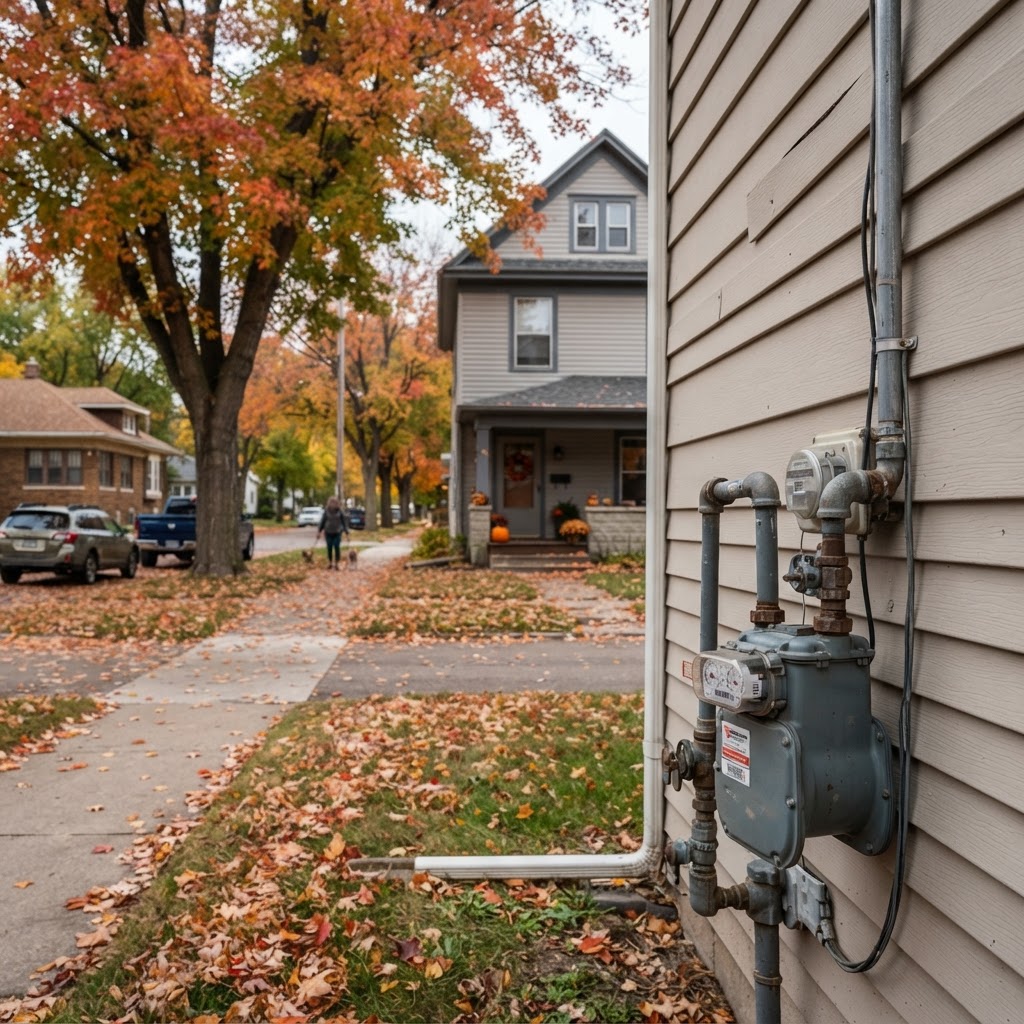
South Dakota Residents Push Back Against Energy Rate Hikes
South Dakota customers are organizing against a proposed 8.2% rate increase from MidAmerican Energy, citing concerns over rising costs for families and
WorthFighting.org News · 5 min read
Economy
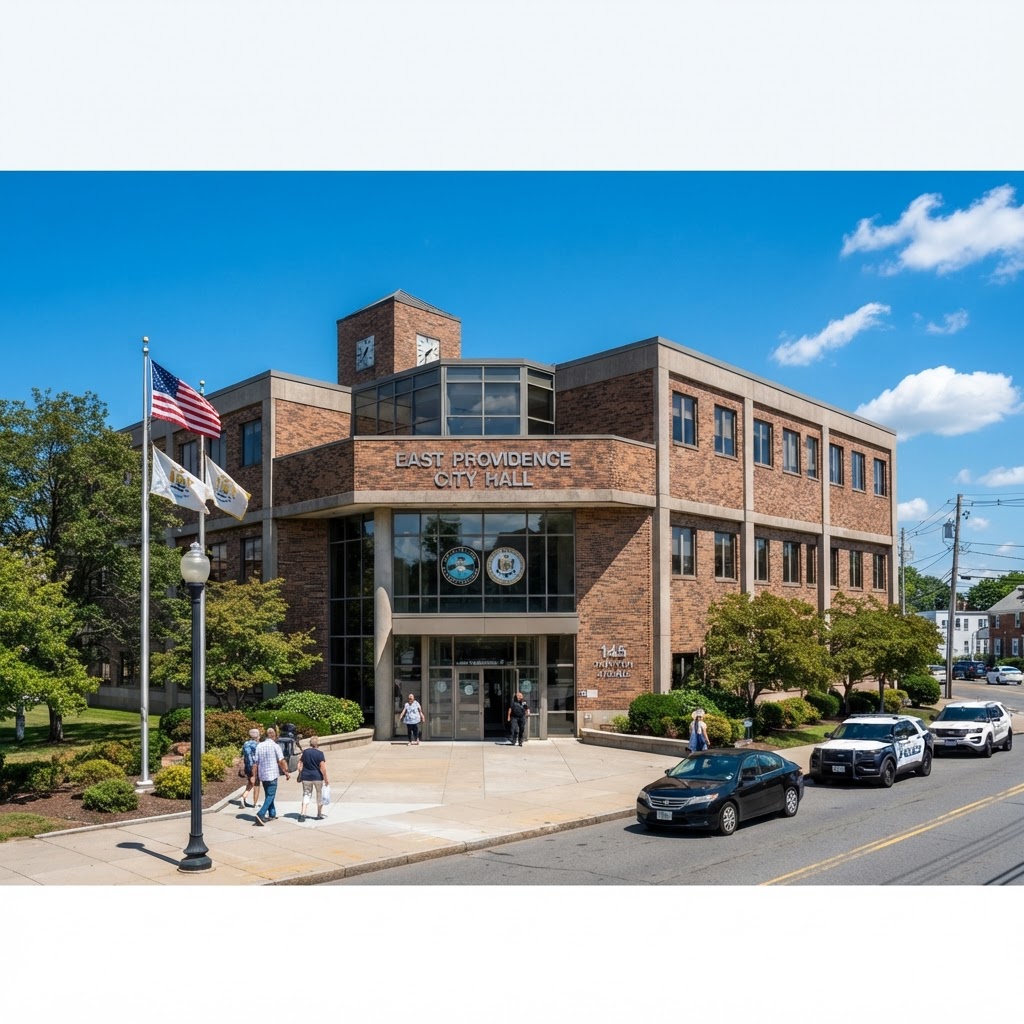
East Providence Taxpayers Hit With 3.5% Property Tax Hike
East Providence residents face a 3.5% property tax increase following the approval of a $209.9 million budget by the City Council and Mayor Bob DaSilva.
WorthFighting.org News · 5 min read
Related Resources
Related Articles
11 itemsSame category: Economy
Same category: Economy
Same category: Economy
Related Breaking News
2 itemsShared keywords: education, school
Related Official Documents
6 itemsRelated Watchlist Issues
3 itemsRelated Issue Hubs
3 itemsRelated States
1 itemShared keywords: pennsylvania
What People Are Reading
East Providence Taxpayers Hit With 3.5% Property Tax Hike
Florida Homeowners Remain Skeptical of Insurance Reforms
Chicago Aldermen Clash Over Mayor Johnson’s Budget Cuts
Alabama Supreme Court Weighs Absentee Ballot Law
Wyoming Energy Authority Launches Power Grid Study
Take Action
This country is worth fighting for. Get involved today.