
Scott Vetoes Massive Vermont Property Tax Hike
Governor Phil Scott has vetoed a bill that would have seen Vermont property taxes rise by an average of 13.8 percent, citing the burden on families.
WorthFighting.org News
Staff Writer
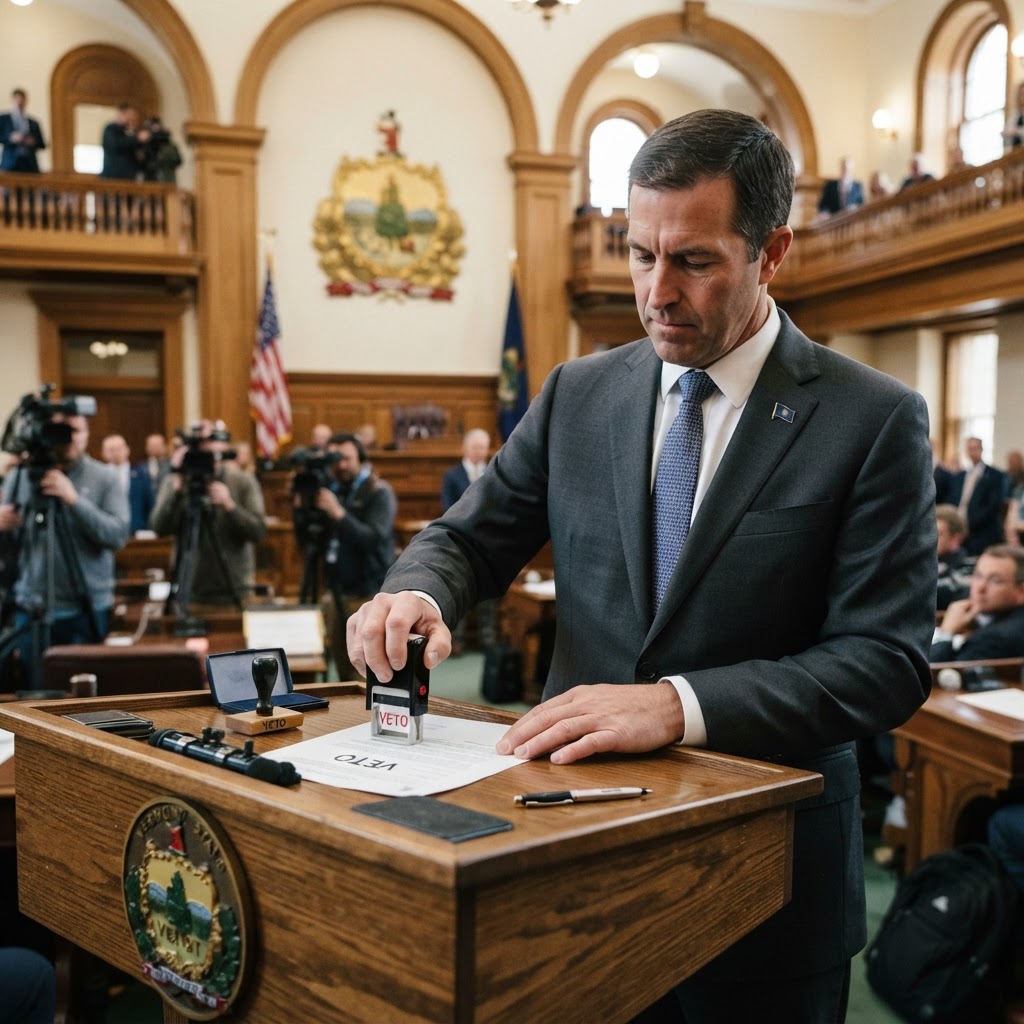
The battle over Vermont's property taxes has reached a fever pitch as Governor Phil Scott exercised his veto power to block a massive tax hike that threatened to cripple the state's economy. The legislation, H.887, was designed to address a looming deficit in the state's education fund, but its solution—a nearly 14 percent average increase in property taxes—met a sharp rebuke from the executive branch. Governor Scott’s veto comes at a time when residents in Washington County and across the state are feeling the squeeze of a tightening economy. By rejecting the bill, Scott is forcing the legislature to reconsider its approach to school funding and fiscal responsibility.
The Economic Impact of H.887
The root of the issue lies in Vermont’s unique education funding formula, which has seen costs skyrocket even as student enrollment remains stagnant or declines in many districts. This year, school budgets approved by local voters, combined with rising healthcare costs for teachers and the end of federal pandemic relief funds, created a 'perfect storm' of financial liability. The legislature’s response was to shift that burden directly onto property owners, a move that Scott argues ignores the reality of family budgets. From an /category/america-first perspective, this struggle is indicative of a broader national trend where local and state bureaucracies prioritize administrative expansion over the financial well-being of the citizens they serve.
In Montpelier, the debate has shifted from how to provide quality education to how much the government can extract from its people before they can no longer afford to live in their homes. Local small businesses in the capital and surrounding towns have expressed deep concern. For a small shop owner, a property tax hike of this magnitude doesn't just affect their personal home; it increases the overhead for their storefront, often leading to higher prices for consumers or, in the worst cases, layoffs and closures. This cycle of tax-and-inflation is exactly what many seek to break by prioritizing local economic health over bureaucratic growth.
A Legislative Showdown
The Democratic and Progressive supermajorities in the Vermont General Assembly have already signaled their intent to override the veto. To do so, they will need a two-thirds majority in both the House and the Senate. If they succeed, the 13.8 percent tax hike will become law despite the Governor's objections. This sets the stage for a high-stakes special session where every vote will count toward the future of Vermont’s /category/economy. Republican leaders in the state have rallied behind Scott, urging their colleagues to listen to the outcry from constituents. They argue that the state needs structural reform in education spending rather than temporary tax fixes.
While proponents of the bill argue that the funds are necessary to maintain Vermont's infrastructure and education standards, critics point out that the state's per-pupil spending is already among the highest in the nation. The disconnect between spending and outcomes has become a focal point for those calling for a more efficient and transparent government. The Governor has called for a 'reset' in how school districts approach their budgets, suggesting that the current path is unsustainable for a state with a modest population and limited industrial base.
Looking Ahead to the Elections
As the state prepares for the override attempt, many are looking toward the upcoming /category/elections as a potential turning point. If the legislature overrides the veto, it could become a central issue for voters who are tired of being treated as an endless source of revenue for a government that refuses to trim its own sails. For now, the veto stands as a symbolic and literal barrier against the rising tide of taxation in the Northeast. The outcome of this battle will likely influence similar fiscal debates in neighboring states like New Hampshire and Maine, where the cost of living remains a top concern. As the special session approaches, the eyes of the region remain fixed on the Vermont State House.
Why This Matters
The veto of H.887 is more than just a legislative disagreement; it is a fundamental clash over the role of government and the rights of taxpayers. A 13.8 percent property tax increase would force many Vermonters—particularly seniors and those on fixed incomes—to make impossible choices between keeping their homes and paying for basic necessities. By standing against this hike, Governor Scott is championing the principle that government must live within its means, just as its citizens do. This battle highlights the urgent need for structural reform in how public services are funded, ensuring that the burden does not fall disproportionately on the backs of hard-working families.
Comments (0)
Be the first to comment.
Related Stories

Economy
Nebraska Property Tax Reform Remains Top Priority for Voters
As Nebraska voters head toward the 2026 election, property tax relief remains a central issue. Legislative efforts continue to address the state's tax burden.
WorthFighting.org News · 6 min read
Economy
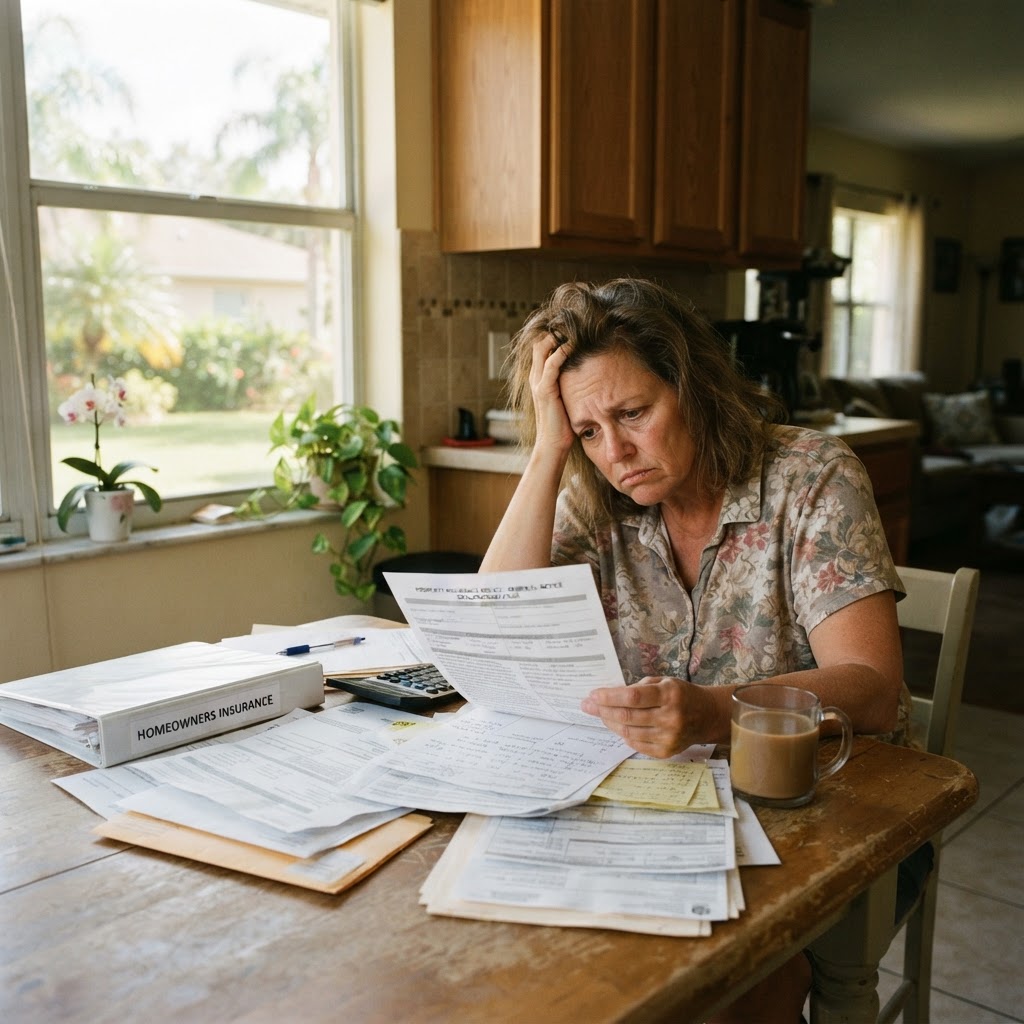
Florida Homeowners Remain Skeptical of Insurance Reforms
Despite state claims of a stabilizing insurance market, a new survey reveals that many Florida homeowners continue to struggle with high premiums and coverage
WorthFighting.org News · 6 min read
Economy
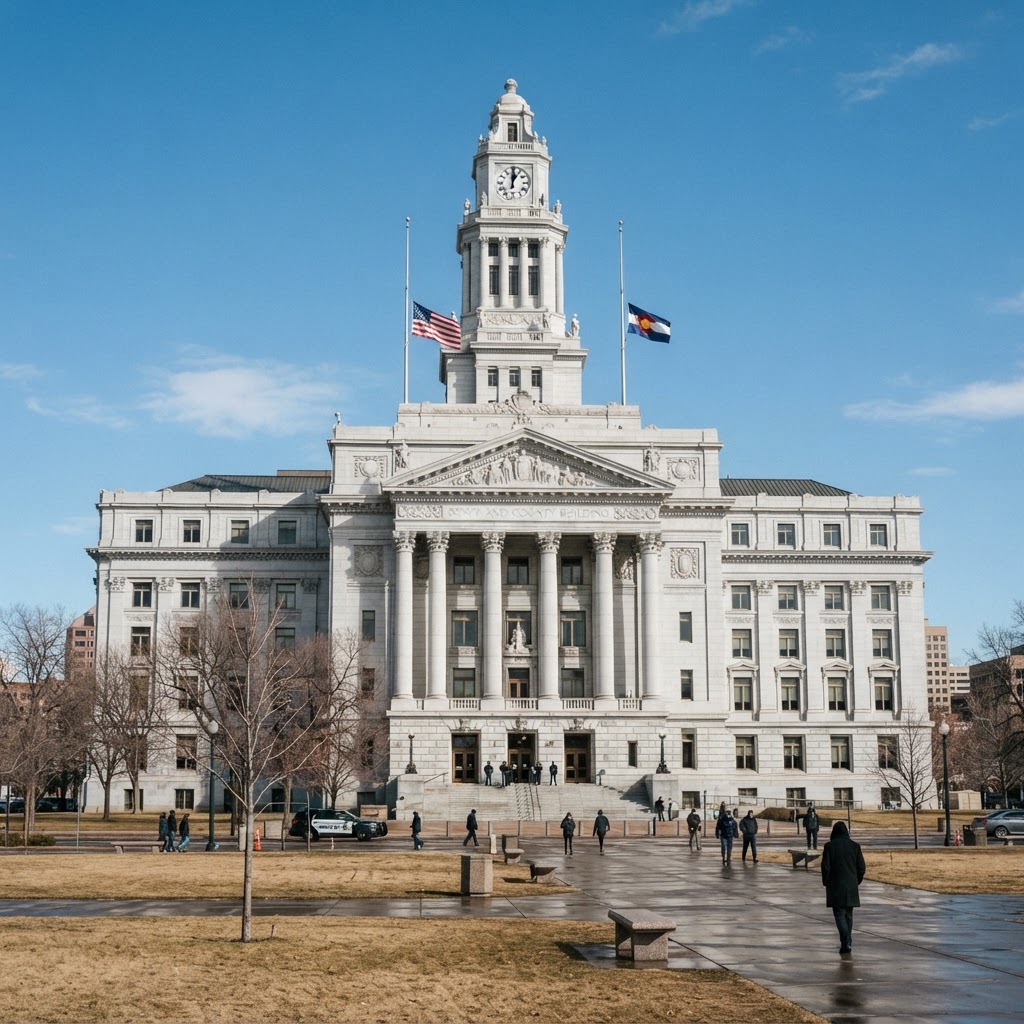
Denver Budget Standoff: Mayor Rejects Key Council Requests
Denver Mayor Mike Johnston has rejected major City Council budget requests, leaving critical public safety and infrastructure funding in a state of uncertainty.
WorthFighting.org News · 6 min read

Economy
Portland Budget Proposal Sparks Outrage Over Tax Hikes
Portland officials have unveiled a $363.9 million budget for 2027 that includes property tax increases and job cuts, leaving residents struggling with costs.
WorthFighting.org News · 6 min read
Economy
South Dakota Residents Push Back Against Energy Rate Hikes
South Dakota customers are organizing against a proposed 8.2% rate increase from MidAmerican Energy, citing concerns over rising costs for families and
WorthFighting.org News · 5 min read

Economy
East Providence Taxpayers Hit With 3.5% Property Tax Hike
East Providence residents face a 3.5% property tax increase following the approval of a $209.9 million budget by the City Council and Mayor Bob DaSilva.
WorthFighting.org News · 5 min read
Related Resources
Related Articles
14 itemsSame category: Economy
Same category: Economy
Same category: Economy
Related Breaking News
2 itemsSame category: Economy
Published within 7 days
What People Are Reading
East Providence Taxpayers Hit With 3.5% Property Tax Hike
Florida Homeowners Remain Skeptical of Insurance Reforms
Chicago Aldermen Clash Over Mayor Johnson’s Budget Cuts
Alabama Supreme Court Weighs Absentee Ballot Law
Wyoming Energy Authority Launches Power Grid Study
Take Action
This country is worth fighting for. Get involved today.