
Gov. Phil Scott Vetoes Vermont Property Tax Hike
Governor Phil Scott has vetoed a bill that would have seen property taxes rise by an average of 14 percent, calling for fiscal restraint in Montpelier.
WorthFighting.org News
Staff Writer
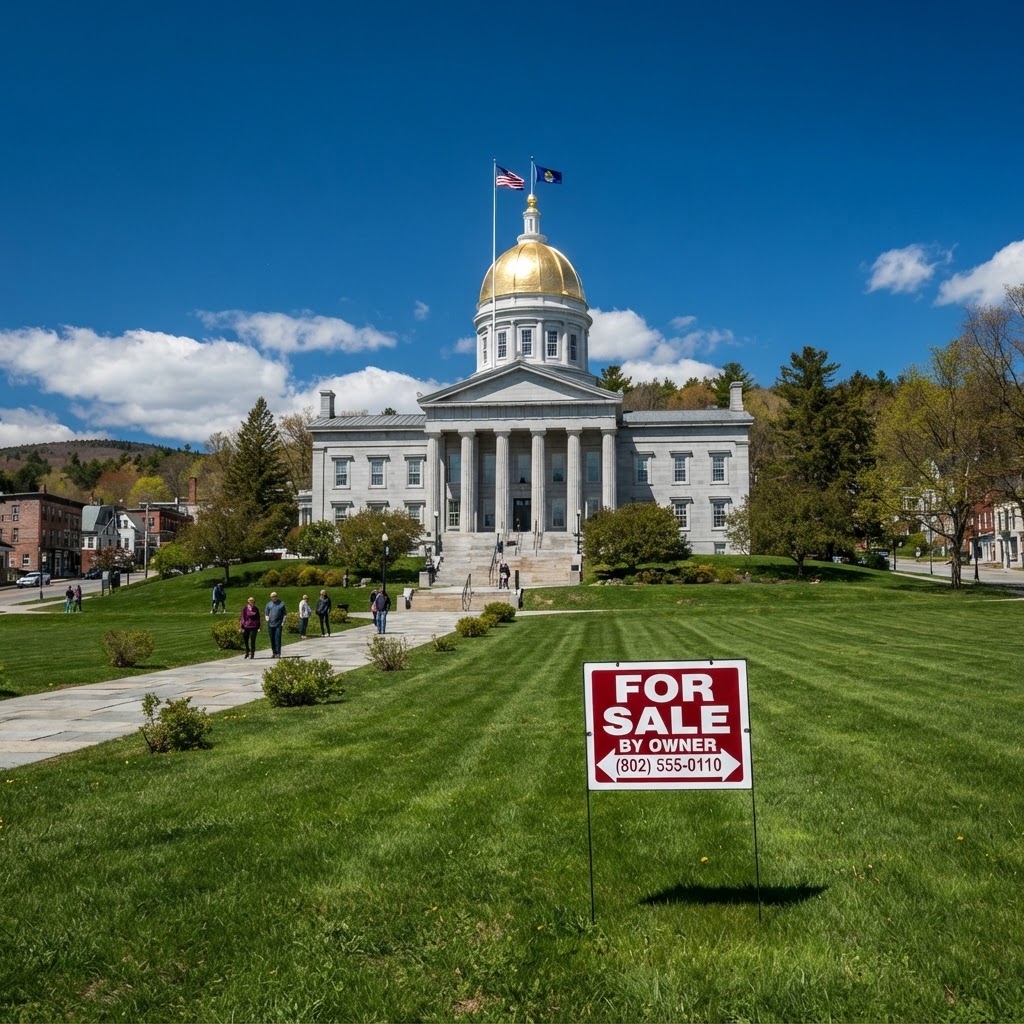
A Stand Against Unsustainable Spending
In a decisive move aimed at protecting the wallets of working-class families, Vermont Governor Phil Scott officially vetoed H.887, commonly known as the Yield Bill, late Monday evening. The legislation, which was advanced by the Democrat-dominated General Assembly in Montpelier, sought to address a massive deficit in the state's education fund through a substantial increase in property taxes. If enacted, the bill would have resulted in an average property tax hike of approximately 13.8% for homeowners across the Green Mountain State.
Governor Scott, a Republican who has long championed fiscal responsibility, criticized the bill as a "short-term fix" that ignores the underlying structural issues plaguing Vermont’s education system. Despite declining student enrollment over the past two decades, school spending has continued to climb at an unsustainable rate. The Governor’s office released a statement emphasizing that the state cannot continue to bail out a system that does not provide a corresponding increase in educational quality.
A Growing Burden on Families
The veto sets the stage for a high-stakes showdown in the Washington County capital. Legislative leaders have already signaled their intent to call a special veto session in mid-June to attempt an override. This move requires a two-thirds majority in both the House and the Senate. While Democrats currently hold a supermajority, some moderate members are facing immense pressure from constituents in more rural areas who are terrified of being taxed out of their homes.
"We are at a breaking point," Scott noted during a press conference in Montpelier. "Vermont is already one of the most expensive states to live in. Adding a double-digit tax increase on top of the current inflation and housing crisis is simply not an option for my administration." The Governor had previously proposed using roughly $70 million in one-time surplus funds and other cost-containment measures to bring the tax increase down to a more manageable level, but those suggestions were largely ignored by legislative committees.
The debate over H.887 is not just about numbers; it is about the future of the Vermont economy. Small businesses and farmers, who are the backbone of the state’s economy, are particularly vulnerable to property tax spikes. For many, the added cost could be the difference between staying afloat and closing their doors forever.
The Need for Structural Reform
The Vermont Department of Taxes had previously warned that without intervention, some towns could see rates jump even higher than the 14% average. For residents in towns like Rutland or St. Johnsbury, where the local economy is already fragile, such an increase could be catastrophic. Senior citizens living on fixed incomes are particularly at risk, as many do not qualify for the full property tax credit programs that offset these costs for the lowest earners.
School districts across the state, from Burlington to Brattleboro, are watching the proceedings closely. Many districts have already passed budgets based on the revenue projections from the Yield Bill. If the veto stands and no compromise is reached, these districts may be forced to make mid-year cuts or find alternative funding sources. However, proponents of the Governor's veto argue that these difficult conversations are necessary to force the legislature to look at the America First principles of efficiency and accountability in government spending.
Conservative advocacy groups in the state have rallied behind the Governor’s decision. They argue that the current funding formula is broken and that the legislature’s reliance on property taxes is a lazy approach to a complex problem. They are calling for a fundamental shift in how education is funded, focusing on student outcomes rather than administrative overhead and ballooning benefit costs.
Why This Matters
The property tax crisis in Vermont represents a broader struggle seen across the country: the battle between ballooning government spending and the financial reality of everyday citizens. When taxes rise faster than wages, the "Vermont dream" becomes inaccessible to the next generation. Ensuring that fiscal restraint and local accountability are upheld is essential for the long-term health of our communities. As the veto session approaches, all eyes remain on Montpelier to see if the legislature will listen to the concerns of the taxpayers or continue down a path of record-breaking tax increases.
Comments (0)
Be the first to comment.
Related Stories
Economy
Iowa Leads Nation with Historic Property Tax Reform
Governor Kim Reynolds has signed landmark legislation providing $4.2 billion in property tax relief, marking the largest reduction of its kind in the nation.
WorthFighting.org News · 6 min read
Economy
Cheyenne Data Center Project Shifts to Google Ownership
A massive $17 billion data center project near Cheyenne has officially transitioned to Google, marking a significant shift in Wyoming's industrial landscape.
WorthFighting.org News · 6 min read
Economy
Nebraska Property Tax Relief Tops $3B as Budget Strain Grows
Property tax relief programs now consume roughly 47% of Nebraska's state budget, sparking sharp debate among lawmakers over fiscal discipline and local control.
WorthFighting.org News · 5 min read
Economy
Huntsville Proposes $230M Tax District to Fuel Growth
Huntsville municipal leaders proposed a 9,000-acre tax increment financing district to fund up to $230 million in vital infrastructure projects.
WorthFighting.org News · 5 min read
Economy
RI Senate Committee Advances $15.2B Budget Plan
The Rhode Island Senate Finance Committee passed a $15.2B state budget targeting school aid, local control, and creating a state inspector general.
WorthFighting.org News · 5 min read
Economy
Wyoming Energy Authority Launches Power Grid Study
Wyoming selects Energy Strategies to run a major statewide transmission study to secure grid reliability, map power infrastructure, and spur economic growth.
WorthFighting.org News · 5 min read
Related Resources
Related Articles
16 itemsSame category: Economy
Same category: Economy
Same category: Economy
Related Breaking News
1 itemSame category: Economy
More from Economy
Economy
Denver Budget Crisis Deepens as City Faces $200M Gap
Denver faces a massive $200 million budget shortfall for 2026, forcing the city to consider layoffs and furloughs after years of rapid government expansion.
WorthFighting.org News · 6 min read

Economy
ND Towns Turn to Sales Taxes After Property Tax Cap
Over a dozen North Dakota cities and counties propose sales tax increases this June as local officials navigate state-mandated property tax revenue caps.
WorthFighting.org News · 5 min read

Economy
Vermont Tax Revolt Leaves Barre Schools Without Budget
Barre voters prepare for a high-stakes third school budget vote as taxpayers push back against relentless property tax hikes across Vermont.
WorthFighting.org News · 6 min read
What People Are Reading

Newton Faces Deep Fiscal Pressures Over School Costs

MA Imposes 5-Day Limit on Migrant Shelter Stays
Platner campaign putting 'thumb on scale' to influence possible replacement, Maine Dem alleges
Firestorm erupts online after Minnesota paper praises Tim Walz's clemency for child sex offender

Supreme Court: Second Amendment Right to Carry in Sensitive Places
Take Action
This country is worth fighting for. Get involved today.