
RI Lawmakers Advance Massive $14B State Budget
The Rhode Island House Finance Committee has approved a $13.96 billion budget, prioritizing bridge repairs and education while critics eye the growing price
WorthFighting.org News
Staff Writer
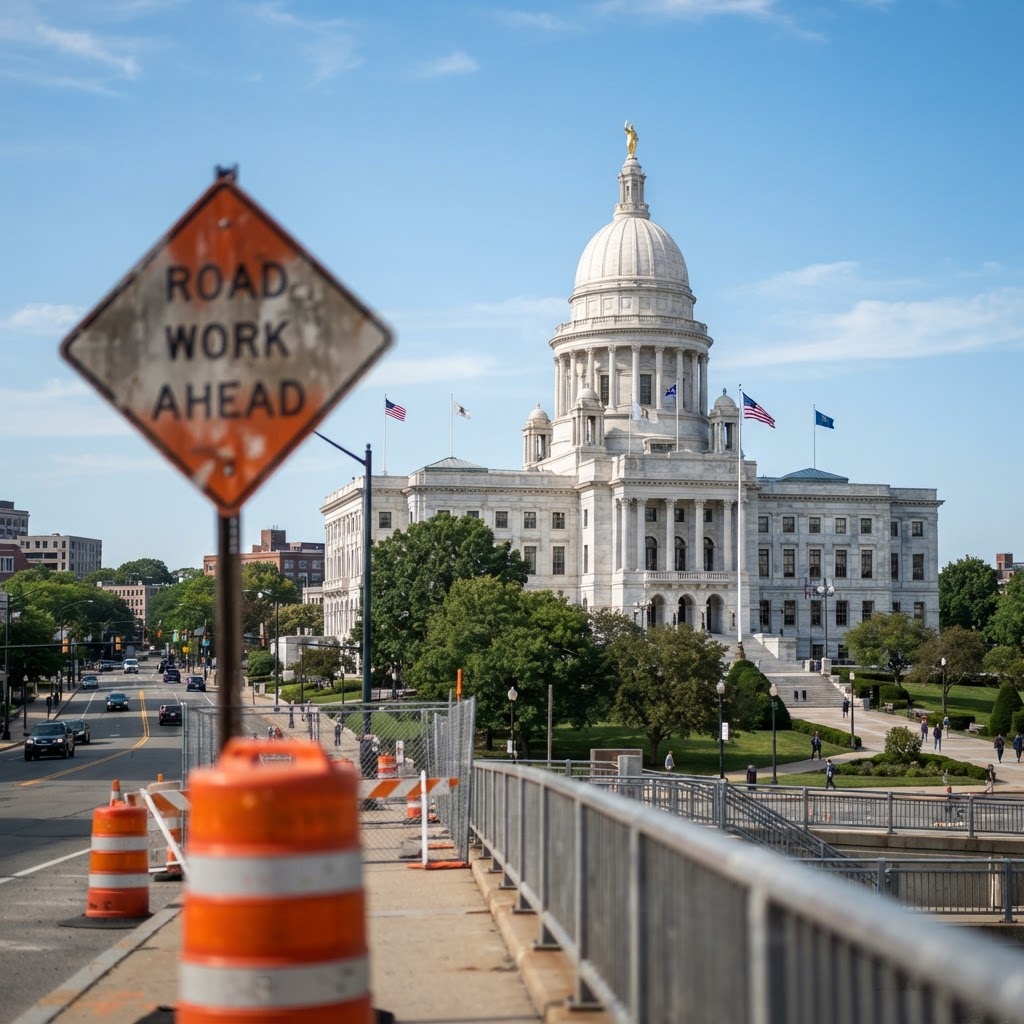
Late Wednesday night, the Rhode Island House Finance Committee took a definitive step in shaping the state's fiscal future, voting to advance a $13.96 billion budget for the upcoming fiscal year. The spending plan, which now heads to the full House for consideration, attempts to balance the state's urgent infrastructure needs with rising costs in education and social services. While leadership praised the document as a responsible path forward, the sheer size of the budget remains a point of contention for those concerned about long-term fiscal sustainability in the Ocean State.
The Infrastructure Crisis: Addressing the Washington Bridge
At the heart of this year’s budget negotiations is the ongoing disaster surrounding the Washington Bridge. The sudden discovery of critical structural failures in December led to the closure of the westbound span, paralyzing traffic on I-195 and dealing a heavy blow to small businesses in the city of East Providence and surrounding areas.
In response, the House Finance Committee, led by Chairman Marvin Abney, allocated $20 million toward the state's share of the bridge project. While this is a significant sum, it represents only a fraction of what will likely be a multi-hundred-million-dollar reconstruction effort. Lawmakers are banking on federal assistance to cover the majority of the costs, but the state's initial commitment is a necessary step to keep the project moving. For many residents, the bridge is more than just a commute—it is a symbol of government oversight failure that has direct consequences for the local economy.
Education and Local Funding
Another pillar of the proposed budget is a commitment to the state's K-12 education system. The committee's plan fully funds the state’s education formula, ensuring that local school districts in Rhode Island receive their expected share of state aid. This is a critical issue for property taxpayers, as any shortfall in state funding often leads to higher local property tax assessments to fill the gap.
However, conservative observers note that simply throwing more money at the Department of Education does not always equate to better results. Despite high per-pupil spending, Rhode Island continues to struggle with proficiency gaps and aging school infrastructure. The budget also includes funding for higher education, including the Rhode Island Promise program, which provides two years of tuition-free attendance at the Community College of Rhode Island (CCRI).
Fiscal Responsibility vs. Government Growth
The total price tag of $13.96 billion is a slight increase over Governor Dan McKee’s original proposal. While the committee avoided implementing broad-based tax hikes—a move that will provide some relief to families struggling with inflation—the budget does rely on high revenue projections and federal carryover funds.
Critics of the plan argue that the state is missing an opportunity to truly lean out government operations. With the cessation of pandemic-era federal subsidies, many states are facing a 'fiscal cliff.' Rhode Island’s decision to continue expanding programs, such as the child care tax credit and increased social service outlays, could create a precarious situation if the regional economy slows down in 2025. The budget also includes various fee adjustments and targeted spending that some argue avoids the hard work of prioritizing essential services over political projects.
Next Steps in the Legislative Process
The budget now moves to the floor of the House of Representatives, where it is expected to undergo further debate. Given the Democratic supermajority in the General Assembly, the core components of the House Finance Committee’s plan are likely to remain intact. Once passed by the House, the bill will move to the state Senate.
For the taxpayers of Providence, Kent, and Washington counties, the stakes are high. As the state navigates the fallout of the Washington Bridge crisis and the pressures of a shifting national economy, the decisions made in the coming weeks at the State House will reverberate through every household and small business in the state.
Why This Matters
This budget is the primary mechanism through which the state government exerts its influence over daily life. The allocation of $20 million for the Washington Bridge is a reactive measure to an infrastructure failure that should have been prevented through better maintenance and oversight. Furthermore, as the state budget nears the $14 billion mark, the burden on the productive sector of the economy continues to grow. Ensuring that these funds are used efficiently, rather than just to expand the reach of the bureaucracy, is vital for the future of Rhode Island and its commitment to an 'America First' approach to local governance that prioritizes citizens over administrative expansion.
Comments (0)
Be the first to comment.
Related Stories

Economy
Nebraska Property Tax Reform Remains Top Priority for Voters
As Nebraska voters head toward the 2026 election, property tax relief remains a central issue. Legislative efforts continue to address the state's tax burden.
WorthFighting.org News · 6 min read
Economy
Florida Homeowners Remain Skeptical of Insurance Reforms
Despite state claims of a stabilizing insurance market, a new survey reveals that many Florida homeowners continue to struggle with high premiums and coverage
WorthFighting.org News · 6 min read
Economy
Denver Budget Standoff: Mayor Rejects Key Council Requests
Denver Mayor Mike Johnston has rejected major City Council budget requests, leaving critical public safety and infrastructure funding in a state of uncertainty.
WorthFighting.org News · 6 min read

Economy
Portland Budget Proposal Sparks Outrage Over Tax Hikes
Portland officials have unveiled a $363.9 million budget for 2027 that includes property tax increases and job cuts, leaving residents struggling with costs.
WorthFighting.org News · 6 min read
Economy
South Dakota Residents Push Back Against Energy Rate Hikes
South Dakota customers are organizing against a proposed 8.2% rate increase from MidAmerican Energy, citing concerns over rising costs for families and
WorthFighting.org News · 5 min read
Economy
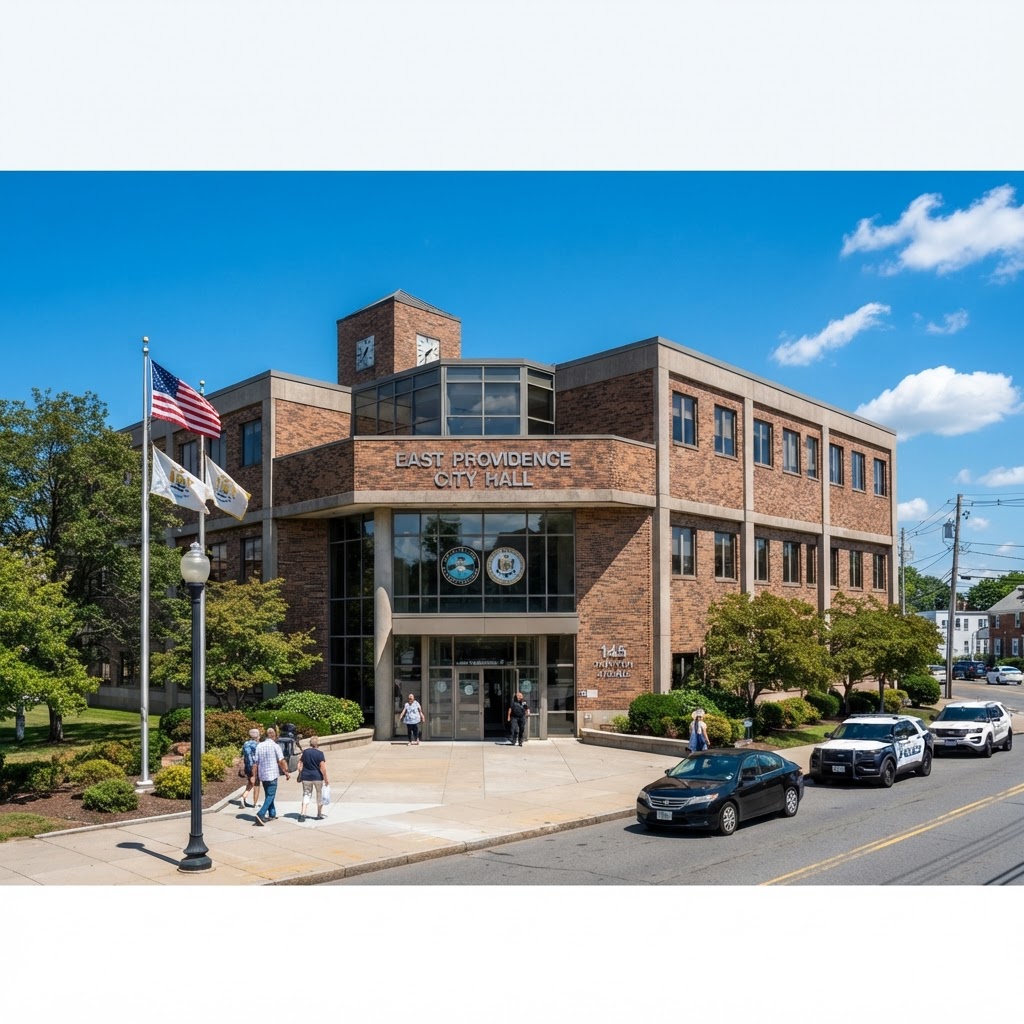
East Providence Taxpayers Hit With 3.5% Property Tax Hike
East Providence residents face a 3.5% property tax increase following the approval of a $209.9 million budget by the City Council and Mayor Bob DaSilva.
WorthFighting.org News · 5 min read
Related Resources
Related Articles
13 itemsSame category: Economy
Same category: Economy
Same category: Economy
Related Breaking News
4 itemsSame category: Economy
Shared keywords: lawmakers
Shared keywords: price
What People Are Reading
East Providence Taxpayers Hit With 3.5% Property Tax Hike
Florida Homeowners Remain Skeptical of Insurance Reforms
Chicago Aldermen Clash Over Mayor Johnson’s Budget Cuts
Alabama Supreme Court Weighs Absentee Ballot Law

Wyoming Energy Authority Launches Power Grid Study
Take Action
This country is worth fighting for. Get involved today.