
Maine House Advances Contested $500M Spending Deal
Maine House Democrats advanced a $500M budget proposal tapping rainy day funds and imposing new taxes, drawing sharp pushback from fiscal conservatives.
WorthFighting.org News
Staff Writer
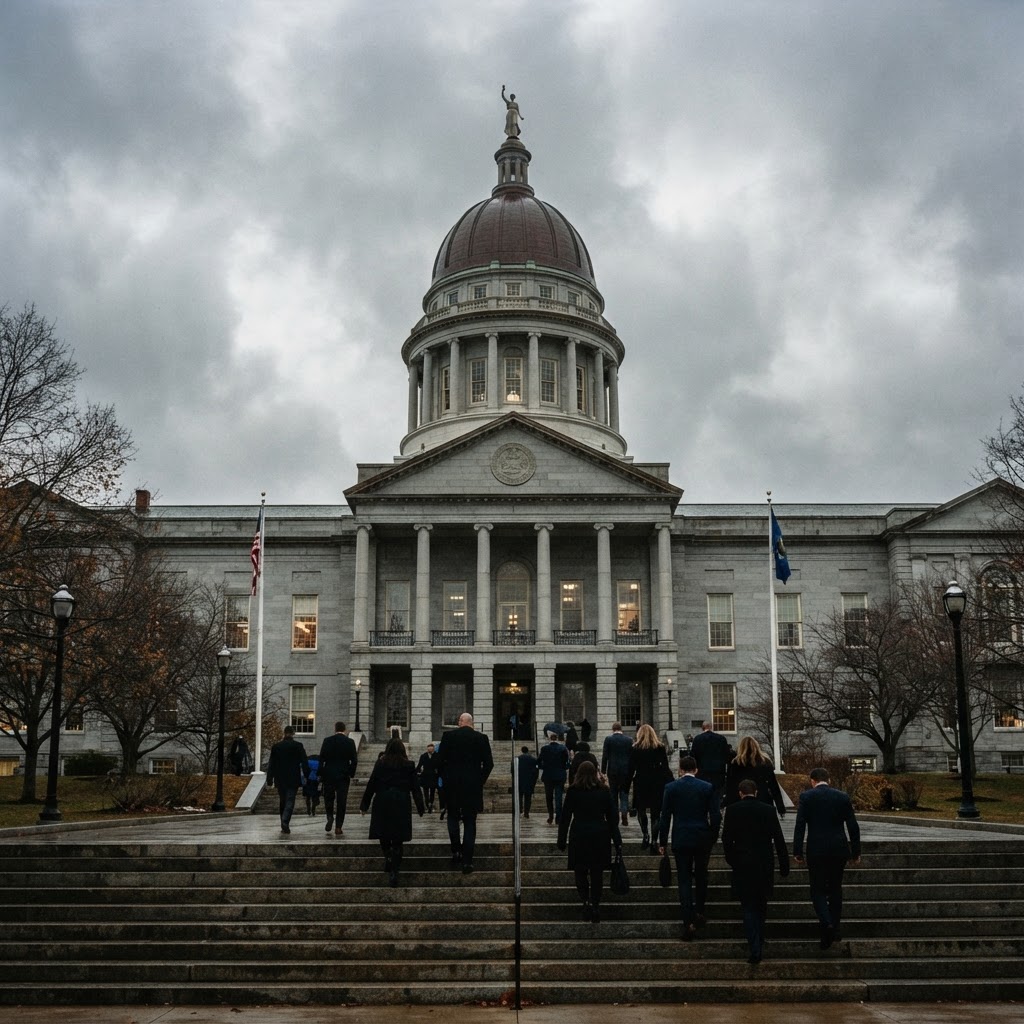
Late-Night Showdown in Augusta
Tensions flared inside the Maine State House late Wednesday evening as the Maine House of Representatives narrowly advanced a contentious supplemental budget proposal exceeding $500 million. The high-stakes legislative maneuver, spearheaded by legislative Democrats holding a slim majority in the chamber, pushed forward a partisan fiscal blueprint amid sharp objections from fiscal conservatives and local business associations.
The sweeping measure pairs major new spending mandates with an aggressive plan to draw down approximately $292 million from the state's budget stabilization reserve—commonly known as the "rainy day" fund. Opponents warn that raiding fiscal safety nets during an election year undermines sound financial stewardship and sets up Maine taxpayers for long-term budget deficits.
Learn more about how state fiscal policies shape working communities at Worth Fighting Economy.
Depleting Reserves and New Taxes
At the core of the debate are controversial tax revisions and heavy withdrawals from reserve accounts. The approved package institutes a targeted levy on top earners while distributing $300 relief checks to hundreds of thousands of Maine households. Critics have characterized the timing of the one-time checks as an election-year olive branch designed to mask runaway state expenditure growth.
Business organizations, led by the Maine State Chamber of Commerce, registered firm opposition against the plan, warning that escalating tax burdens discourage private investment and penalize job creators. House Republican leadership, including House Minority Leader Billy Bob Faulkingham of Winter Harbor, sharply criticized both the structural deficits created by tapping the reserve fund and the compressed timeline used to force floor debate.
Lawmakers on the conservative side of the aisle had urged structural accountability instead, proposing federal tax conformity measures for tip income and overtime, alongside comprehensive oversight of the state's MaineCare expenditures. However, majority leadership moved forward with the current supplemental framework, relying on a narrow legislative margin to ensure initial passage.
Stay engaged with developments surrounding representative governance across the nation at Worth Fighting America First.
Property Tax Pressures and Municipal Realities
The supplemental measure attempts to address Mainers' compounding cost-of-living struggles by allocating $11.4 million in additional funds to broaden existing property tax relief programs. Across Maine—from rural Piscataquis and Penobscot counties down to the coastal hubs of Cumberland and York counties—escalating local property assessments have prompted public pushback and voter rejections of municipal school budgets.
While proponents insist that expanding tax relief mechanisms and funding housing programs delivers essential help to fixed-income seniors and struggling families, critics argue that state subsidies fail to tackle the underlying drivers of surging municipal spending. Simply backfilling local burdens with drained emergency reserves does little to lower baseline government overhead.
The proposal also includes permanent authorization for state tuition initiatives and targets funding toward minimum educator salaries, ensuring that ongoing operational expenses are permanently baked into state commitments even as one-time revenues dwindle.
Next Steps in the Legislature
Following its narrow survival in the House, the spending measure moves directly to the Maine Senate, where lawmakers are expected to spar over competing fiscal priorities before any compromise is sent to the Blaine House for executive signature.
With municipal budgets straining household finances across the state and economic uncertainty looming nationally, the debate over Augusta's fiscal roadmap is far from settled. Fiscal watchdogs emphasize that sustainable prosperity requires cutting unnecessary bureaucracy and lowering statutory tax rates, rather than continually leaning on emergency reserve accounts.
Why This Matters
Raiding state reserve accounts to finance expanding government obligations creates severe fiscal vulnerabilities for hardworking families. When economic downturns hit, states with depleted rainy day funds routinely resort to broad tax hikes or severe service rollbacks, hurting everyday citizens first. Responsible government demands disciplined, sustainable spending that preserves reserves and offers permanent, genuine relief to Maine's taxpayers.
Comments (0)
Be the first to comment.
Related Stories
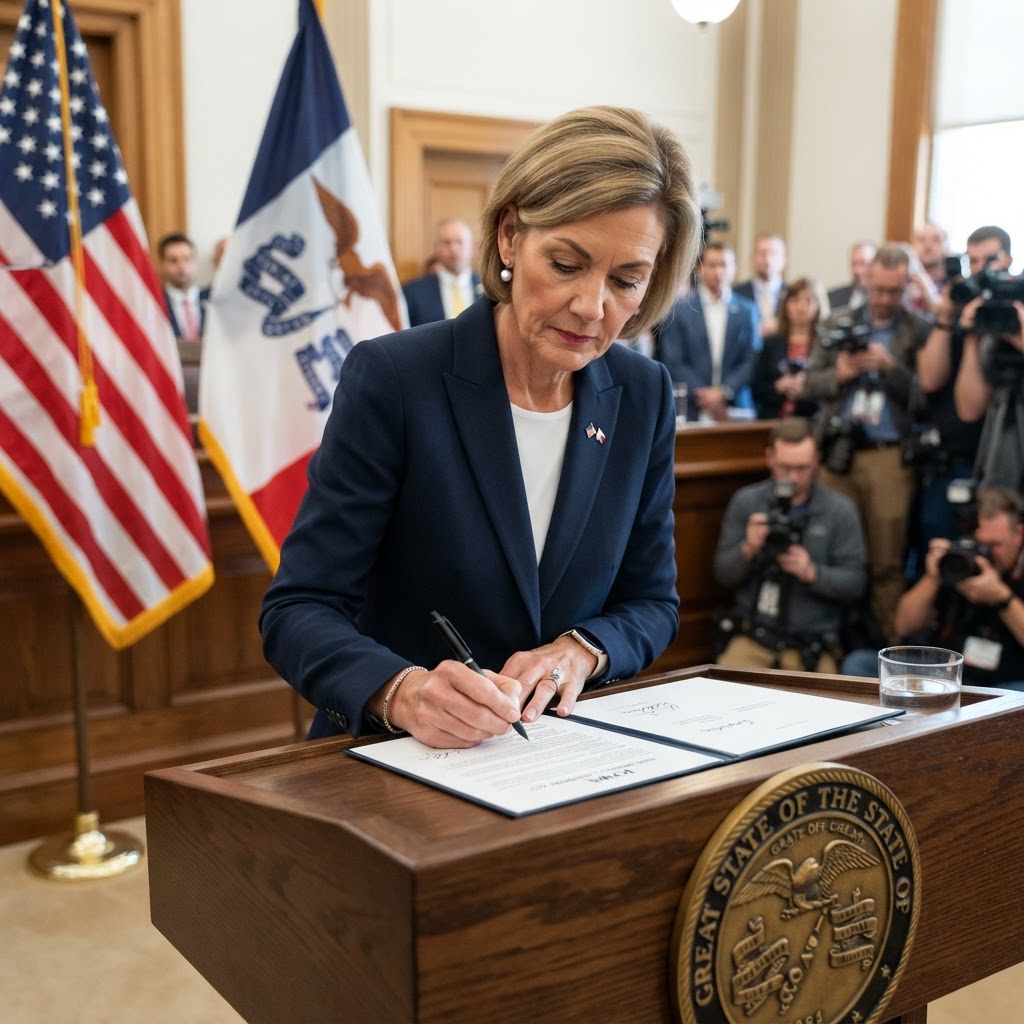
Economy
Iowa Leads Nation with Historic Property Tax Reform
Governor Kim Reynolds has signed landmark legislation providing $4.2 billion in property tax relief, marking the largest reduction of its kind in the nation.
WorthFighting.org News · 6 min read
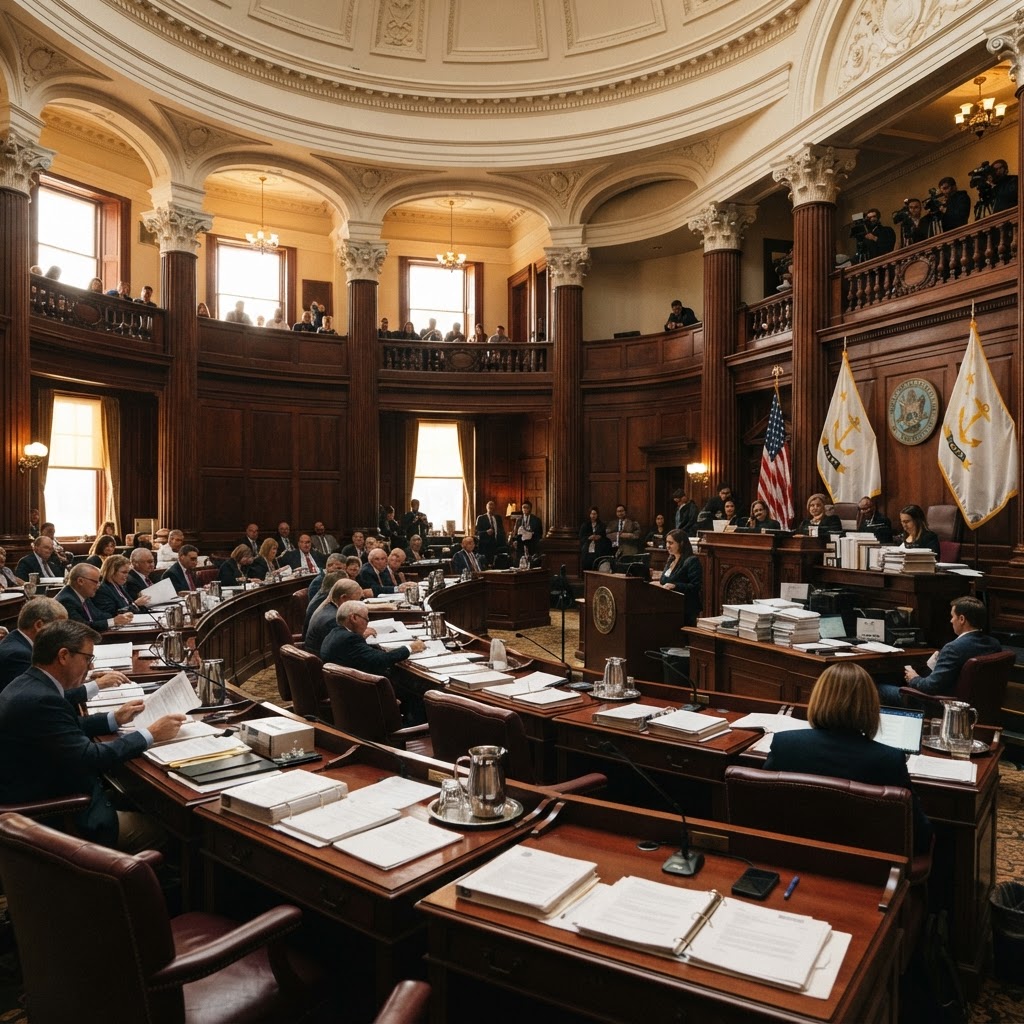
Economy
RI Senate Committee Advances $15.2B Budget Plan
The Rhode Island Senate Finance Committee passed a $15.2B state budget targeting school aid, local control, and creating a state inspector general.
WorthFighting.org News · 5 min read

Economy
Cheyenne Data Center Project Shifts to Google Ownership
A massive $17 billion data center project near Cheyenne has officially transitioned to Google, marking a significant shift in Wyoming's industrial landscape.
WorthFighting.org News · 6 min read

Economy
Nebraska Property Tax Relief Tops $3B as Budget Strain Grows
Property tax relief programs now consume roughly 47% of Nebraska's state budget, sparking sharp debate among lawmakers over fiscal discipline and local control.
WorthFighting.org News · 5 min read
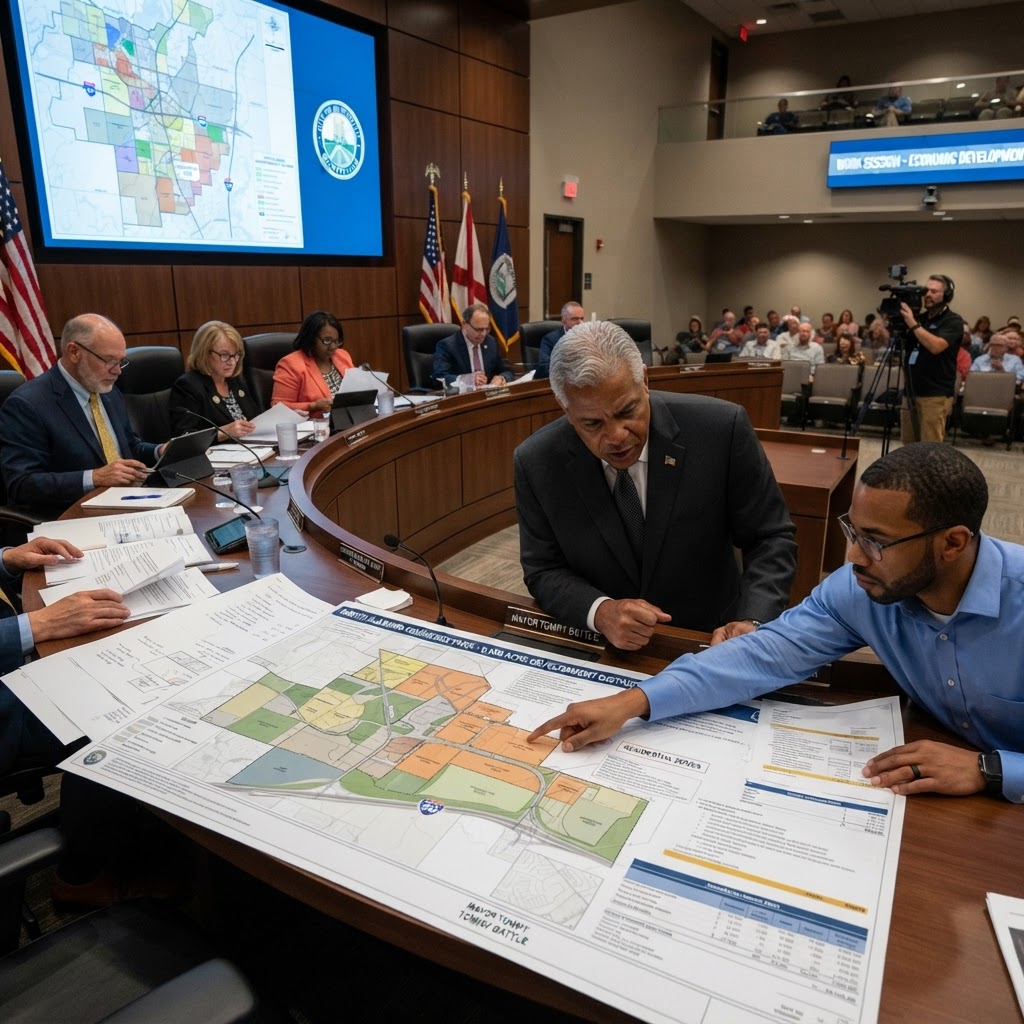
Economy
Huntsville Proposes $230M Tax District to Fuel Growth
Huntsville municipal leaders proposed a 9,000-acre tax increment financing district to fund up to $230 million in vital infrastructure projects.
WorthFighting.org News · 5 min read
Economy
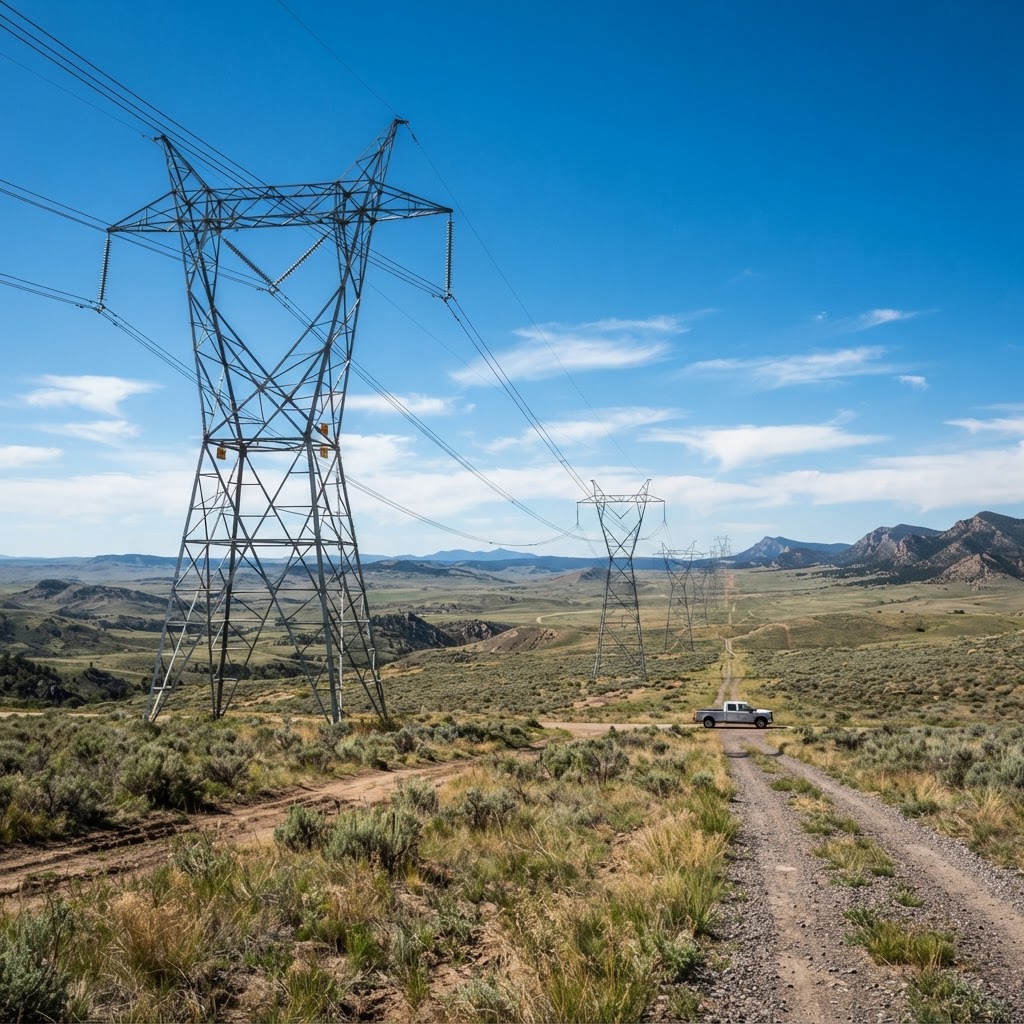
Wyoming Energy Authority Launches Power Grid Study
Wyoming selects Energy Strategies to run a major statewide transmission study to secure grid reliability, map power infrastructure, and spur economic growth.
WorthFighting.org News · 5 min read
More from Economy

Economy
Denver Budget Crisis Deepens as City Faces $200M Gap
Denver faces a massive $200 million budget shortfall for 2026, forcing the city to consider layoffs and furloughs after years of rapid government expansion.
WorthFighting.org News · 6 min read

Economy
ND Towns Turn to Sales Taxes After Property Tax Cap
Over a dozen North Dakota cities and counties propose sales tax increases this June as local officials navigate state-mandated property tax revenue caps.
WorthFighting.org News · 5 min read

Economy
Vermont Tax Revolt Leaves Barre Schools Without Budget
Barre voters prepare for a high-stakes third school budget vote as taxpayers push back against relentless property tax hikes across Vermont.
WorthFighting.org News · 6 min read
Take Action
This country is worth fighting for. Get involved today.