
Maine Electric Bills Spike Under Green Energy Mandates
Maine residents face higher electric bills this month as state-mandated subsidies for solar projects drive up costs for Central Maine Power customers.
WorthFighting.org News
Staff Writer

The Rising Cost of Power in the Pine Tree State\n\nAs the calendar turned to August, families across Maine were met with a chilling reminder of the costs associated with government-mandated energy shifts. Starting August 1, 2024, customers of Central Maine Power (CMP) and Versant Power saw their monthly statements climb yet again. For the average household, this isn't just a minor fluctuation; it is a significant hit to the monthly budget at a time when inflation is already squeezing the life out of the middle class.\n\nThe Maine Public Utilities Commission (PUC) recently gave the green light to these rate adjustments, which primarily affect the 'stranded costs' portion of the bill. While the 'supply' and 'delivery' portions often garner the most attention, these stranded costs are where the true impact of legislative policy is hidden. For CMP residential customers using about 500 kilowatt-hours a month, the increase translates to roughly $10 per month, or $120 per year. While that might seem small to bureaucrats in Augusta, it represents a tank of gas or a week's worth of groceries for many Maine seniors on fixed incomes.\n\n## The Solar Subsidy Trap\n\nThe primary culprit behind this latest spike is a policy known as Net Energy Billing (NEB). Under this program, established and expanded by the Maine Legislature, utility companies are forced to purchase electricity from community solar developers at rates that are frequently much higher than the actual market price of wholesale electricity. The difference between the market price and the mandated price is passed directly to the consumer.\n\nAdvocates for the program argue that these subsidies are necessary to jumpstart the renewable energy industry in the Northeast. However, the rapid proliferation of these projects has created a financial burden that is becoming unsustainable. Critics within the state have long warned that the NEB program functions as a regressive tax, forcing those who cannot afford solar panels or community solar subscriptions to subsidize the profits of out-of-state developers and the energy credits of wealthier participants.\n\nThis policy misalignment is a direct threat to economic stability in the region. When the government picks winners and losers in the energy market, the 'losers' are almost always the taxpayers and ratepayers who are left to clean up the fiscal mess.\n\n## Impact on Local Businesses and Communities\n\nThe reach of these rate hikes extends far beyond the residential kitchen table. Small businesses in cities like Portland, Lewiston, and Bangor are also bracing for the impact. For energy-intensive sectors like manufacturing, hospitality, and Maine’s iconic seafood processing industry, higher utility costs lead to thinner margins and, inevitably, higher prices for consumers. \n\nIn Kennebec County, local business owners have expressed concern that the rising cost of doing business in Maine is making the state less competitive compared to neighbors with more pragmatic energy policies. The 'America First' approach to energy emphasizes the utilization of all available resources to ensure the lowest possible cost for the consumer, yet Maine's current trajectory seems to prioritize ideological goals over practical affordability.\n\n## A Call for Energy Sanity\n\nThe Maine Public Utilities Commission has pointed out that they are largely bound by the laws passed by the Legislature. This means the solution to rising energy costs isn't found in the regulatory offices of the PUC, but in the halls of the State House in Augusta. There is a growing movement among Maine residents to demand a sunset or significant reform of the Net Energy Billing program to prevent further 'stranded cost' spikes in the future.\n\nAs the state continues to grapple with these costs, the conversation must shift toward protecting the most vulnerable citizens from the unintended consequences of radical environmentalism. Maine's beauty is worth protecting, but not at the expense of the people who call it home. Ensuring a reliable, affordable power grid is a fundamental duty of government—a duty that current policies are failing to meet.\n\n## Why This Matters\n\nThis increase in electricity rates is a clear example of how state-level environmental mandates have immediate, negative consequences for the economy. When policy focuses on subsidies for specific industries rather than market efficiency, the working class bears the burden. For Mainers, this isn't an abstract debate about climate change; it is a concrete struggle to pay for the basic necessity of electricity. Addressing these costs is essential for maintaining the state's economic health and ensuring that Maine remains a place where families and small businesses can afford to thrive.
Comments (0)
Be the first to comment.
Related Stories

Economy
Cheyenne Data Center Project Shifts to Google Ownership
A massive $17 billion data center project near Cheyenne has officially transitioned to Google, marking a significant shift in Wyoming's industrial landscape.
WorthFighting.org News · 6 min read
Economy
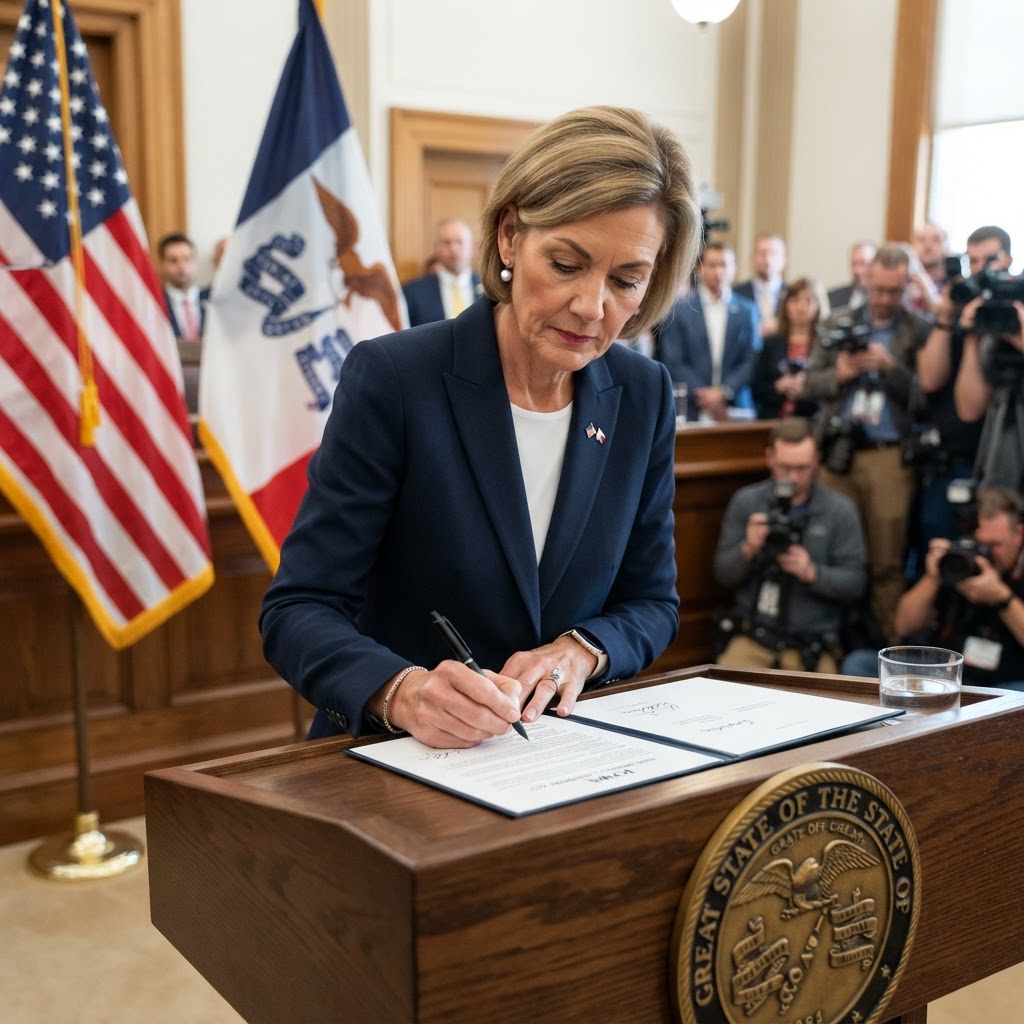
Iowa Leads Nation with Historic Property Tax Reform
Governor Kim Reynolds has signed landmark legislation providing $4.2 billion in property tax relief, marking the largest reduction of its kind in the nation.
WorthFighting.org News · 6 min read

Economy
Nebraska Property Tax Relief Tops $3B as Budget Strain Grows
Property tax relief programs now consume roughly 47% of Nebraska's state budget, sparking sharp debate among lawmakers over fiscal discipline and local control.
WorthFighting.org News · 5 min read

Economy
Huntsville Proposes $230M Tax District to Fuel Growth
Huntsville municipal leaders proposed a 9,000-acre tax increment financing district to fund up to $230 million in vital infrastructure projects.
WorthFighting.org News · 5 min read

Economy
RI Senate Committee Advances $15.2B Budget Plan
The Rhode Island Senate Finance Committee passed a $15.2B state budget targeting school aid, local control, and creating a state inspector general.
WorthFighting.org News · 5 min read
Economy
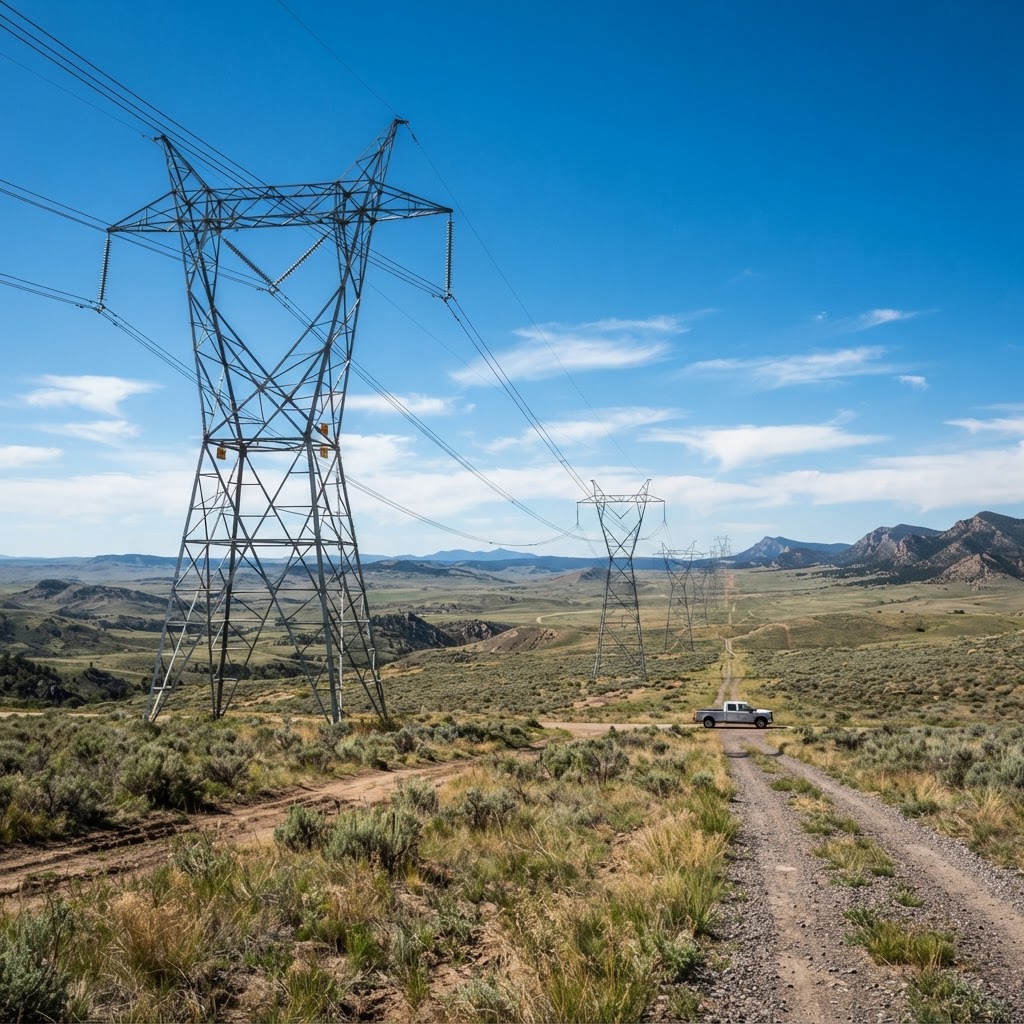
Wyoming Energy Authority Launches Power Grid Study
Wyoming selects Energy Strategies to run a major statewide transmission study to secure grid reliability, map power infrastructure, and spur economic growth.
WorthFighting.org News · 5 min read
Related Resources
Related Articles
9 itemsSame category: Economy
Same category: Economy
Same category: Economy
More from Economy

Economy
Denver Budget Crisis Deepens as City Faces $200M Gap
Denver faces a massive $200 million budget shortfall for 2026, forcing the city to consider layoffs and furloughs after years of rapid government expansion.
WorthFighting.org News · 6 min read

Economy
ND Towns Turn to Sales Taxes After Property Tax Cap
Over a dozen North Dakota cities and counties propose sales tax increases this June as local officials navigate state-mandated property tax revenue caps.
WorthFighting.org News · 5 min read

Economy
Vermont Tax Revolt Leaves Barre Schools Without Budget
Barre voters prepare for a high-stakes third school budget vote as taxpayers push back against relentless property tax hikes across Vermont.
WorthFighting.org News · 6 min read
What People Are Reading

Newton Faces Deep Fiscal Pressures Over School Costs

MA Imposes 5-Day Limit on Migrant Shelter Stays
Platner campaign putting 'thumb on scale' to influence possible replacement, Maine Dem alleges
Firestorm erupts online after Minnesota paper praises Tim Walz's clemency for child sex offender

Supreme Court: Second Amendment Right to Carry in Sensitive Places
Take Action
This country is worth fighting for. Get involved today.