Education
Barrow County Schools Opt Out of Homestead Exemption: Tax Impact
Winder, Barrow County County, Georgia
Barrow County Schools' decision to opt out of the HB 581 tax cap leaves Winder homeowners facing uncapped assessment growth as the board prioritizes revenue.

Key Takeaways
- •Barrow County Schools officially opted out of the HB 581 statewide property tax assessment cap.
- •The decision allows the district to collect taxes on the full market value of homes rather than capping increases at the inflation rate.
- •School officials claim the opt-out is necessary to maintain budget flexibility and offset costs from new senior exemptions.
- •Winder homeowners not qualifying for senior exemptions may see higher tax bills as property values rise.
- •A second round of public hearings will be required by March 2027 to maintain the opt-out status under HB 92.
DEVELOPING: The Barrow County Board of Education is moving forward with its controversial decision to opt out of a statewide property tax cap, a move that critics argue leaves Winder homeowners vulnerable to soaring assessments while school officials claim the move is necessary to preserve "fiscal flexibility."
As property values across Winder and the surrounding Barrow County area continue to climb, the decision to bypass the protections of Georgia House Bill 581—also known as the "Save Our Homes Act"—means that local residents will not see the 3% or inflation-indexed cap on assessment increases that many other Georgians will enjoy starting this year. For a community of roughly 18,338 residents, the financial implications of this bureaucratic maneuver are becoming a central point of contention for those advocating for limited government and taxpayer protection.
What We Know
House Bill 581, which was designed to provide statewide relief from the "hidden" tax increases caused by rising property assessments, took effect on January 1, 2025. The law established a statewide floating homestead exemption that limits the annual increase in property tax assessments to the rate of inflation. However, the legislation included a one-time "opt-out" provision for local governments and school boards, provided they held a series of public hearings and officially voted to decline the cap.
In Winder, the Barrow County School System (BCSS) took that exit ramp. According to official notices from the Barrow County School System, the Board of Education (BOE) signaled its intent to opt out to avoid what they described as a permanent restriction on their ability to fund local education. Under the leadership of Chief Financial Officer Jennifer Houston, the district argued that being "permanently bound" by the exemption would limit the ability of future boards to manage the budget effectively.
This decision comes at a time when the district is already managing a Barrow County School Board Proposes 15.55 Millage Rate: Taxpayer Guide and navigating the implementation of separate, age-based exemptions. While the board recently adjusted the millage rate to 15.193 mills, the lack of an assessment cap means that even with a lower rate, homeowners could still see their total tax bills rise if their property valuations continue to outpace inflation.
What Happened
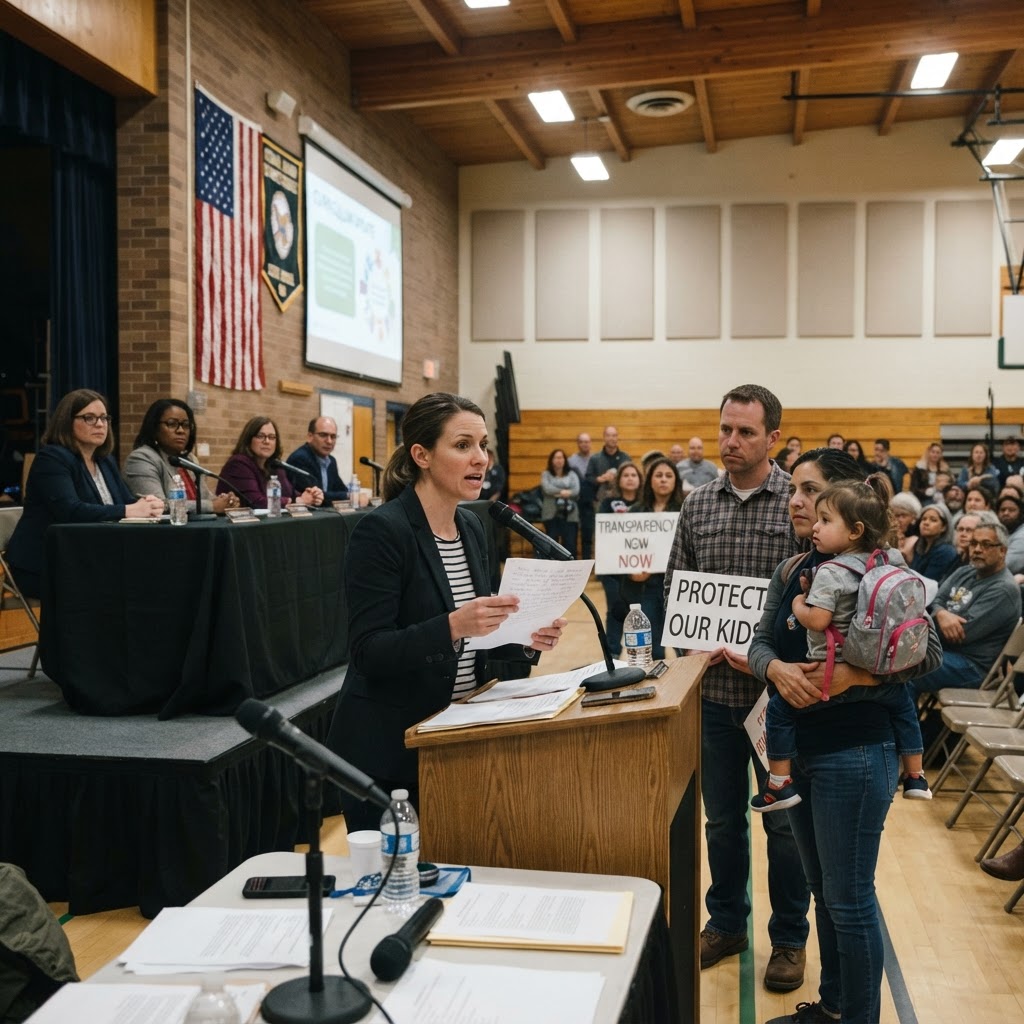
The push to opt out was framed by school officials as a choice between "student success" and "fiscal handcuffs." During the series of public hearings held at the Professional Development Center on West Athens Street, the administration argued that HB 581 would shift the tax burden unfairly and potentially trigger a need for even higher millage rates in the future to maintain current service levels.
Specifically, the BOE pointed to two new age-based homestead exemptions—authorized by HB 1086 and HB 1087—which provide significant relief to seniors but also reduce the district's total tax digest. HB 1087, for instance, grants residents over 65 an exemption on the entire assessed value of their homestead for educational purposes, provided their household income stays below $112,999.99. The district argues that these targeted exemptions are a more surgical approach to tax relief than the broad assessment cap offered by the state.
However, for the average working family in Winder who does not yet qualify for senior exemptions, the board's decision feels like a missed opportunity for meaningful relief. By opting out, the school board ensures that as Winder grows and property values rise, the district can continue to capture the "windfall" of increased assessments without having to vote for a formal tax rate increase. This practice, often criticized by conservative fiscal hawks, allows local governments to grow their budgets behind the scenes while claiming they haven't raised the millage rate.
Critics of the opt-out, including local taxpayer advocacy groups, argue that the board is prioritizing the expansion of the school bureaucracy over the financial stability of Winder families. They point to the fact that the board is not required to opt out; rather, they chose to do so to maintain maximum control over the local tax digest. This tension highlights a broader debate within Inside Jackson County School Board Work Sessions: How Decisions Are Made and other neighboring districts regarding the balance between local control and state-mandated taxpayer protections.
What Comes Next
As we move further into the 2026 tax cycle, the reality of this decision will begin to hit mailboxes. With the opt-out finalized, the Barrow County Board of Tax Assessors will continue to value properties at their full market rate, and the school board will apply its millage rate to those uncapped values.
Under the requirements of HB 92, any local government that opted out of the original HB 581 protections must complete a secondary set of procedures and hearings by March 2027 to remain opted out. This means Winder residents will have another window to voice their concerns and demand accountability from their elected officials. The upcoming budget cycles will be a litmus test for the board's claim that they can manage the district's finances responsibly without the state-imposed "Save Our Homes" guardrails.
For now, the message from the Barrow County Board of Education is clear: they believe they are better positioned than the state legislature to determine how much Winder homeowners should pay. Whether that gamble pays off in the form of better educational outcomes or simply results in a heavier burden for the forgotten taxpayer remains the defining question for the community. WorthFighting.org will continue to monitor the district's spending and the impact of these tax policies on the families of Barrow County.
More Barrow County Coverage
For more reporting from across Barrow County — Winder, Auburn, Statham, Bethlehem, Braselton, and every community in the county — visit our Barrow County news hub, or browse all local news from WorthFighting.org.
Sources
Explore Georgia
Explore more news, elections, representatives, and information from Georgia.
Visit Georgia State ProfileMore Barrow County coverage
Explore the Schools hub, the Barrow County hub, and related topic hubs.