Local Government
Dawson County Property Tax Hike 2026: Commissioners Propose 4.5% Increase
Dawsonville, Dawson County County, Georgia
Dawson County commissioners are proposing a 4.5% property tax increase over the rollback rate, sparking concerns over homeowner affordability and government

Key Takeaways
- •The Dawson County Board of Commissioners proposed a 4.5% tax increase over the rollback rate for 2026.
- •Georgia law requires a 'rollback' calculation to keep revenue neutral after property reassessments.
- •Public hearings are scheduled for August 20, 2026, at 5:00 PM and 6:00 PM at the Dawson County Courthouse.
- •Commissioners argue the revenue is needed for the $86.99 million budget, while critics point to the burden on homeowners.
The Dawson County Board of Commissioners has officially signaled its intent to increase property taxes for the 2026 fiscal year, proposing a millage rate that sits 4.5% above the state-mandated rollback rate. This move, announced during recent work sessions and public notices, has placed the spotlight on the growing tension between local government expansion and the financial sovereignty of Dawsonville families. As the county navigates a proposed $86.99 million budget, the primary keyword for many residents has become the Dawson County property tax hike 2026, a figure that represents more than just a line item—it represents a direct challenge to the affordability of homeownership in North Georgia.
The Basics
The Dawson County Board of Commissioners (BOC), led by Chairman Billy Thurmond, tentatively adopted a 2026 millage rate that requires a tax increase to meet the county's projected spending needs. Under Georgia law, when property values rise due to reassessments, local governments are required to calculate a "rollback rate." This is the millage rate that would produce the same amount of total tax revenue as the previous year, accounting for the increased value of the land. By proposing a rate 4.5% higher than this rollback, the BOC is effectively asking for a revenue boost that exceeds the natural growth of the tax digest.
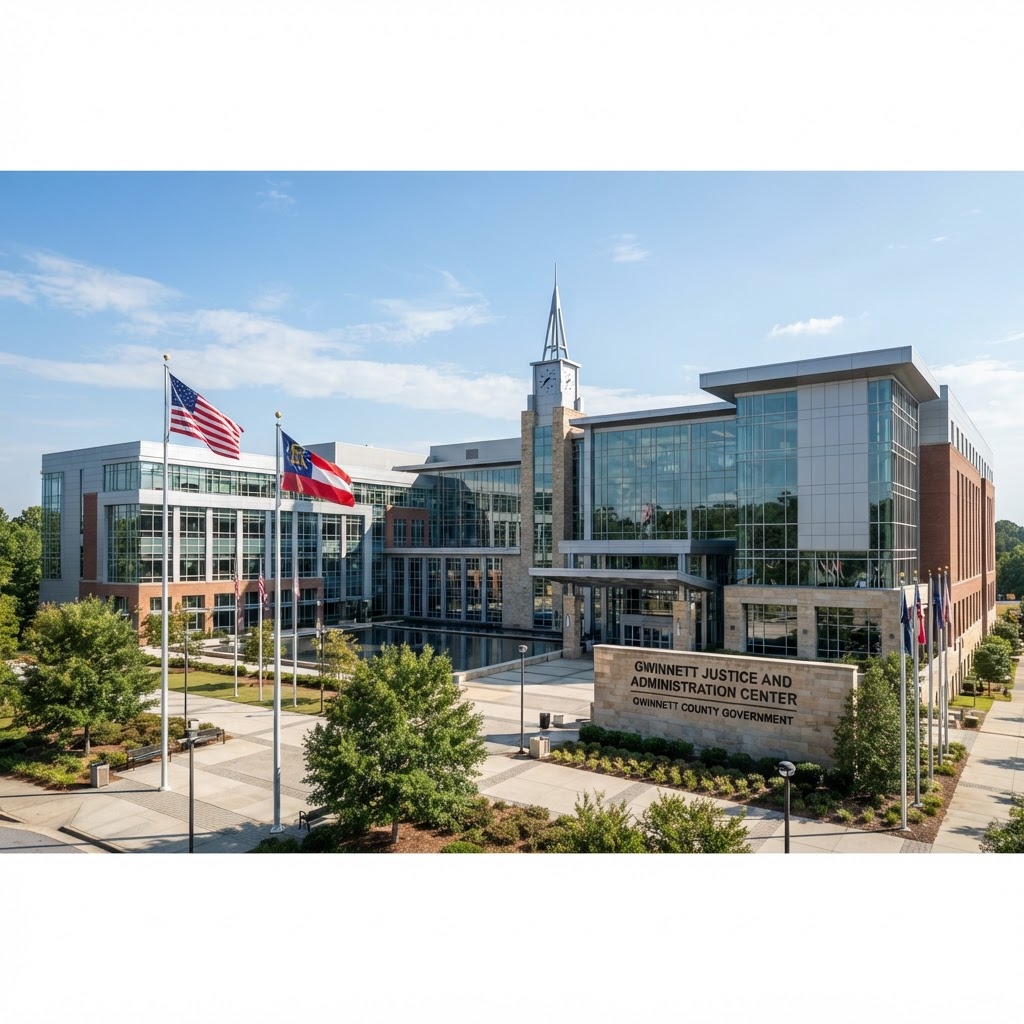
The first two public hearings regarding this proposal were held on Thursday, August 6, 2026, at 11:00 AM and 6:00 PM. These sessions allowed the public to hear from Chief Financial Officer Vickie Newkirk and other officials regarding the necessity of the increase. However, the window for citizen input remains open. Two additional hearings are scheduled for August 20, 2026, at 5:00 PM and 6:00 PM, held in the Commissioners Meeting Room at the Dawson County Courthouse and Administration Building, located at 25 Justice Way in Dawsonville.
How It Works
To understand why this is considered a tax hike even if the millage rate itself appears lower than in previous years, one must look at the "Tax Digest." Each year, the Board of Tax Assessors evaluates the market value of every property in Dawson County. In a growing community like Dawsonville, these values have been climbing steadily. When the value of your home goes up, a millage rate that stays the same will result in a higher tax bill.
Georgia’s Taxpayer Bill of Rights was designed to prevent "backdoor" tax increases. It requires that if a government does not "roll back" its millage rate to offset the rise in property values, it must advertise the move as a tax increase. For 2026, the BOC has determined that the rollback rate would not provide sufficient funds to cover the $86.99 million budget proposal. Consequently, they are proposing to capture 4.5% more in revenue than the rollback would allow.
While some neighboring areas have seen similar struggles, residents can look to resources like the homestead exemption guide to understand how to mitigate some of these costs through legal exemptions. However, for the average homeowner, the 4.5% increase over the rollback means that even with a homestead exemption, the out-of-pocket cost for county services is going up.
Why It Matters to Dawsonville
For the citizens of Dawsonville and the broader Dawson County community, this proposal arrives at a time when the cost of living is already a primary concern. Conservative values dictate that government should live within its means, just as families do. When the county government chooses to exceed the rollback rate, it is essentially deciding that its need for additional revenue outweighs the need for families to keep more of their hard-earned money.
Chairman Billy Thurmond and other commissioners have pointed to the need for infrastructure improvements and public safety funding to keep up with the county's growth. Yet, from an America First perspective, the question remains: Is every dollar in the $86.99 million budget essential? Fiscal accountability requires a line-by-line justification of spending before asking taxpayers to dig deeper into their pockets.
Furthermore, the burden of property taxes falls disproportionately on those with fixed incomes, such as our senior citizens, and young families trying to plant roots in Dawson County. As the 2026 election cycle begins to take shape in nearby counties, Dawsonville voters are increasingly focused on fiscal transparency and whether their elected officials are prioritizing the taxpayer or the bureaucracy. There is also ongoing discussion regarding a proposed Fractional Local Option Sales Tax (FLOST), which some argue could provide property tax relief by shifting the burden to visitors and shoppers, but that remains a future consideration for voters this fall.
What Happens Next
The path forward for Dawson County taxpayers is clear: participation is the only way to ensure accountability. The Board of Commissioners will not make a final decision on the millage rate until after the final public hearing on August 20. This gives residents two more opportunities to stand before the board and ask the tough questions about spending priorities.
If the BOC votes to approve the 4.5% increase following the 6:00 PM hearing on August 20, the new rate will be set, and tax bills reflecting the increase will be mailed out later this year. Citizens are encouraged to review the full budget proposal available at the Dawson County Government Center or on the official county website.
In a small community of roughly 31,700 people, every voice carries weight. The outcome of these hearings will serve as a bellwether for the county’s fiscal direction. Will Dawson County continue to expand its budget at the expense of the homeowner, or will the commissioners find a way to tighten the belt and respect the rollback rate? The answer lies in the hands of the citizens who show up to the courthouse to demand a government that is both efficient and affordable.
More Dawson County Coverage
For more reporting from across Dawson County — Dawsonville, Juno, Kilough, Lumpkin, Amicalola, and every community in the county — visit our Dawson County news hub, or browse all local news from WorthFighting.org.
Explore Georgia
Explore more news, elections, representatives, and information from Georgia.
Visit Georgia State ProfileMore Dawson County coverage
Explore the County Government hub, the Dawson County hub, and related topic hubs.