Local Government
Dawson County Budget 2026: Where Your Tax Dollars Are Going
Dawsonville, Dawson County County, Georgia
Dawson County commissioners have approved an amended $51.85 million General Fund budget for FY2026, including a 4.5% tax increase over the rollback rate.

Key Takeaways
- •The General Fund for FY2026 was amended to $51,853,415, with total county funds reaching $87.5 million.
- •Property taxes are set to increase by 4.50% over the rollback millage rate to fund personnel and capital needs.
- •Major infrastructure projects like Cowart Road ($2.5M) are being funded through the voter-approved TSPLOST II sales tax.
As the summer heat settles over Dawsonville, local taxpayers are facing a cooling realization: the cost of government in Dawson County is on the rise. On August 3, 2026, the Dawson County Board of Commissioners moved to finalize the Dawson County Budget 2026, adopting an amended General Fund total of $51,853,415. While the headline figures suggest a commitment to public safety and infrastructure, the underlying math reveals a 4.50% property tax increase over the rollback millage rate, a move that has sparked intense discussion among residents who value fiscal restraint and limited government intervention.
What Happened
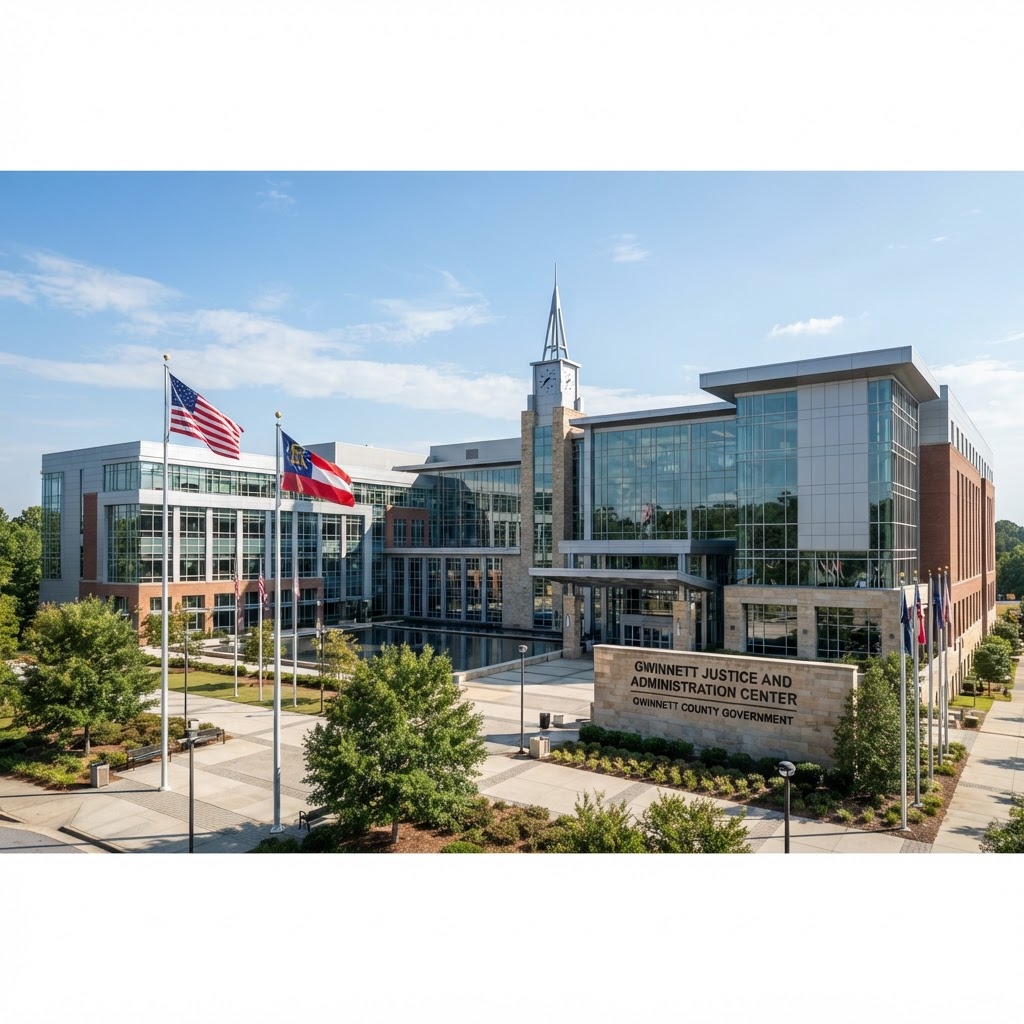
In a voting session held at the Dawson County Government Center on Justice Way, commissioners approved a budget that reflects the growing pains of a community transitioning from a rural enclave to a suburban hub. The total budget across all funds has reached a staggering $87,519,499. The General Fund, which covers the day-to-day operations of the county, saw an amendment of $444,549 specifically earmarked for new personnel and capital expenditures.
According to official county documents, this increase is largely driven by the need to bolster public safety and administrative support as the population continues to climb. The Board of Commissioners (BOC) noted that the 4.50% increase over the rollback rate is necessary to maintain service levels, though for many Dawsonville families, any increase in the tax burden is a bitter pill to swallow. This decision follows a series of public hearings where the finance department, recently recognized with a Distinguished Budget Presentation Award, laid out the projected needs for the 2026 fiscal year.
The Context
To understand the Dawson County Budget 2026, one must look at the "400 Corridor." This stretch of Highway 400 is the economic engine of the county, home to the North Georgia Premium Outlets and major retailers like Walmart and Home Depot. Since 2021, the county has issued over 700 commercial project permits, signaling a massive influx of business activity. This growth has allowed the county to rely heavily on sales tax revenue—specifically Local Option Sales Tax (LOST) and Special Purpose Local Option Sales Tax (SPLOST)—which accounts for a significant portion of the total revenue.
However, the reliance on sales tax is a double-edged sword. While it shifts some of the burden to visitors shopping along the corridor, the infrastructure required to support this growth demands constant investment. The voter-approved TSPLOST II, which began collections in late 2024, is expected to bring in $68.7 million over five years. For 2026, these funds are already spoken for, with $2.5 million allocated for Cowart Road and nearly $1 million for Elliott Road. Taxpayers are essentially paying twice: once at the register and again through property assessments that refuse to roll back despite the sales tax windfall.
For those looking to navigate these rising costs, understanding local resources is vital. Residents may find it helpful to review the Paulding County Property Tax Guide 2026: Deadlines and Taxpayer Rights for a comparative look at how neighboring counties handle similar fiscal pressures, or consult the How to Lower Your Cherokee County Property Taxes: Homestead Exemption Guide to see if similar relief mechanisms are available here in Dawsonville.
The Implications
From a conservative, America First perspective, the 2026 budget presents a classic conflict between the duty to protect the community and the mandate to protect the taxpayer’s wallet. The allocation of nearly half a million dollars for new personnel in the amended budget is framed as a necessity for the rule of law. In an era where public safety is paramount, ensuring the Sheriff’s Office and emergency services are fully funded is a core conservative value. However, the expansion of government bureaucracy often becomes a self-perpetuating cycle.
The 4.50% tax hike over the rollback rate suggests that the county government is growing faster than the residents' ability to pay for it. When a government fails to adopt the rollback rate—the rate that would produce the same amount of taxes as the previous year despite rising property values—it is effectively a tax increase. For the hard-working citizens of Dawsonville, this means that even if their income remains stagnant, their contribution to the county coffers must increase. This trend challenges the principle of limited government and places the burden of "progress" squarely on the shoulders of property owners.
Furthermore, the heavy investment in the 400 Corridor risks neglecting the "rural feel" that many long-time residents cherish. The Comprehensive Land Use Plan aims to protect this history, but as the budget swells to nearly $88 million, the pressure to urbanize becomes harder to resist. Fiscal accountability requires that every dollar spent on these capital projects be scrutinized to ensure it serves the interests of the local citizens, not just the developers and retail giants.
What to Watch
As we move into the final quarter of 2026, several key milestones will determine if this budget delivers on its promises. First, the actual adoption of the millage rate in the coming weeks will be the final word on the property tax burden. Residents should attend the upcoming Board of Commissioners work and voting sessions scheduled for August 20, 2026, to voice their concerns before the rates are set in stone.
Second, the execution of TSPLOST II projects will be a major test of government efficiency. The $2.5 million Cowart Road project is a significant undertaking, and taxpayers will be watching to see if it stays on schedule and within budget. Any cost overruns will likely be met with skepticism, given the current tax increase.
Finally, the community must stay vigilant regarding the Board of Education’s budget, which operates separately but draws from the same pool of taxpayer funds. With the 2026 election cycle approaching, the performance of current officials in managing this $87.5 million budget will undoubtedly be a central theme for voters demanding transparency, accountability, and a return to the principles of fiscal conservatism. The bottom line for Dawson County is clear: growth is here, but it shouldn't come at the expense of the people who built this community.
More Dawson County Coverage
For more reporting from across Dawson County — Dawsonville, Juno, Kilough, Lumpkin, Amicalola, and every community in the county — visit our Dawson County news hub, or browse all local news from WorthFighting.org.
Sources
Explore Georgia
Explore more news, elections, representatives, and information from Georgia.
Visit Georgia State ProfileMore Dawson County coverage
Explore the County Government hub, the Dawson County hub, and related topic hubs.