
Vermont Education Law Forces Schools to 'Do More With Less'
Vermont's new education reform law is forcing local school districts to face massive funding cuts and potential consolidations as property taxes skyrocket.
WorthFighting.org News
Staff Writer
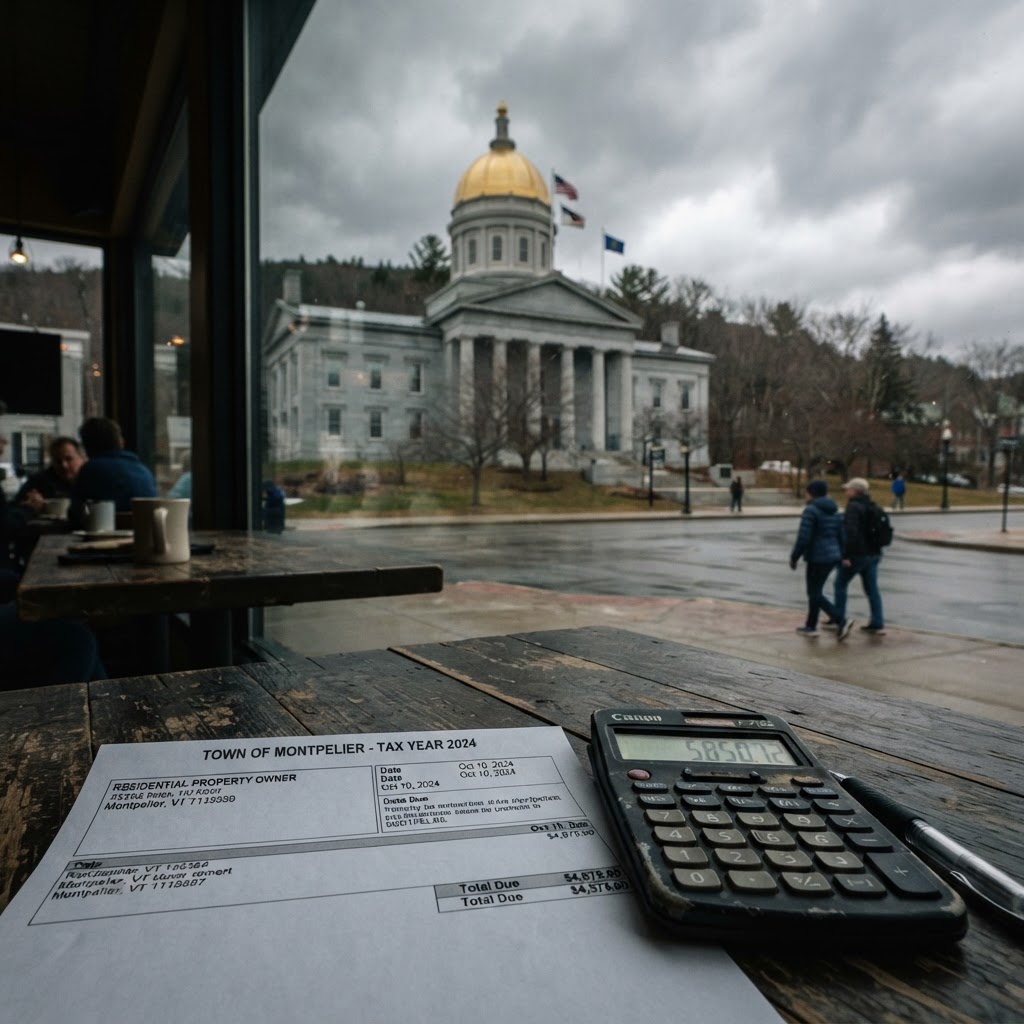
The New Reality for Vermont Schools
In the halls of the Vermont State House in Montpelier, a new era of education policy has officially begun, but for many local communities in Washington County and beyond, the celebration is muted by fiscal anxiety. The implementation of Act 73, the state’s sweeping education reform law, is now forcing local school boards to confront a harsh reality: the state is demanding they "do more with less."
For decades, Vermont’s education system has been lauded for its quality but criticized for its unsustainable costs. With property taxes jumping by an average of 13.8% statewide this year, the pressure on the Vermont Agency of Education and the state legislature to act reached a breaking point. The result, Act 73, seeks to overhaul the funding mechanism, but critics argue it does so at the expense of local autonomy and the survival of rural schools.
A Shift to Per-Pupil Funding
At the heart of the reform is a transition to a per-pupil funding model. Under this system, each district receives an annual payment based on the number and specific needs of its students. While proponents argue this creates a more equitable distribution of resources, the practical implications for smaller districts are dire.
Secretary of Education Zoie Saunders has been clear about the state's direction, noting that "scale is needed" to deliver modern educational opportunities. For many, "scale" is a euphemism for consolidation. Saunders suggested that smaller schools, which often serve as the heartbeat of Vermont’s rural towns, may no longer be fiscally viable unless they merge into larger, regional districts.
This push for consolidation has met stiff resistance from local boards. In districts like Wolcott and Kingdom East, the struggle to balance a budget that satisfies both the state’s new constraints and the local taxpayers' ability to pay has led to repeated budget failures. You can read more about the impact of these fiscal policies on our /category/education page.
The Taxpayer Burden
The fiscal strain is not limited to the school hallways; it is being felt at every kitchen table in the state. The Vermont Department of Taxes recently confirmed that the lack of a statewide cap on increases has allowed property tax bills to skyrocket. For many families, the 13.8% hike is not just a statistic—it is a threat to their ability to remain in their homes.
Conservative advocates and small business owners have long warned that Vermont’s spending habits are out of touch with the economic reality of its citizens. The Vermont Superintendents Association captured the mood of the educational establishment, with representative Chelsea Myers stating that the current legislative session’s mandate is simply to "do more with less." However, for the taxpayers in towns across the Green Mountain State, the question remains: how much less can they afford to give?
Local Control vs. State Mandates
The debate over Act 73 is ultimately a debate over who should control the education of Vermont’s children. While the state government in Montpelier pushes for centralized efficiency, local residents argue that their schools are not "broken" but are being strangled by state-level mandates and rising healthcare costs for public employees.
A recent task force, co-chaired by Chittenden County Senator Martine Laroque Gulick, offered a slight reprieve by recommending "Cooperative Education Service Areas"—voluntary regional contracts for services like transportation and payroll—rather than forced mergers. Yet, the underlying funding cuts mandated by Act 73 remain a looming shadow over the next budget cycle.
As Vermont moves forward with these reforms, the eyes of the nation are on the Northeast. The struggle to balance quality education with fiscal sanity is a challenge shared by many, but Vermont’s approach serves as a cautionary tale of what happens when state mandates collide with local reality. For more updates on how these issues are playing out across the region, visit our /states/vermont section.
Why This Matters
This shift in education funding represents a significant move toward centralized government control and away from the local school boards that best understand their communities' needs. For those who value America First principles, the erosion of local decision-making and the imposition of heavy tax burdens are clear signals that the state's priorities have shifted away from the hardworking citizens who fund the system. The survival of Vermont’s rural identity may well depend on whether these communities can successfully push back against the mandate to "do more with less" before their local schools disappear forever.
Comments (0)
Related Stories
Education
Gillett Schools Slash Programs After Referendum Failure
The Gillett School District is moving forward with significant budget cuts following the recent failure of a local funding referendum by voters.
WorthFighting.org News · 5 min read
Education
Plainfield Voters Secure School Funding in Second Ballot
Plainfield residents successfully passed a school budget in a second vote, effectively minimizing potential cuts to local education programs and staff.
WorthFighting.org News · 5 min read

Education
Camden Schools Slashing Nearly 300 Jobs to Plug Deficit
Camden City School District announces the elimination of 289 positions and restructuring plans to tackle an alarming $91 million budget deficit in New Jersey.
WorthFighting.org News · 5 min read
Education
Utah Board Opposes $42M Voucher Shift
In a sharp rebuke of proposed legislative shifts, the Utah State Board of Education voted against a voucher push that would redirect $42 million.
WorthFighting.org News · 5 min read

Education
Milwaukee School Board Passes $1.6B Budget to Close Gap
The Milwaukee School Board passed a $1.6 billion budget to wipe out a $46 million deficit, trimming central office jobs while facing future fiscal risks.
WorthFighting.org News · 5 min read

Education
Hamilton County Board Urges TN to Fund School Security
Hamilton County's school board approved a resolution demanding state grant expansion to help hire armed security officers when police SROs are unavailable.
WorthFighting.org News · 5 min read
Take Action
This country is worth fighting for. Get involved today.