
Wisconsin Schools Face Financial Crisis as Referendums Surge
Wisconsin school districts are increasingly turning to property tax referendums to cover budget gaps as state funding fails to keep pace with rising costs.
WorthFighting.org News
Staff Writer
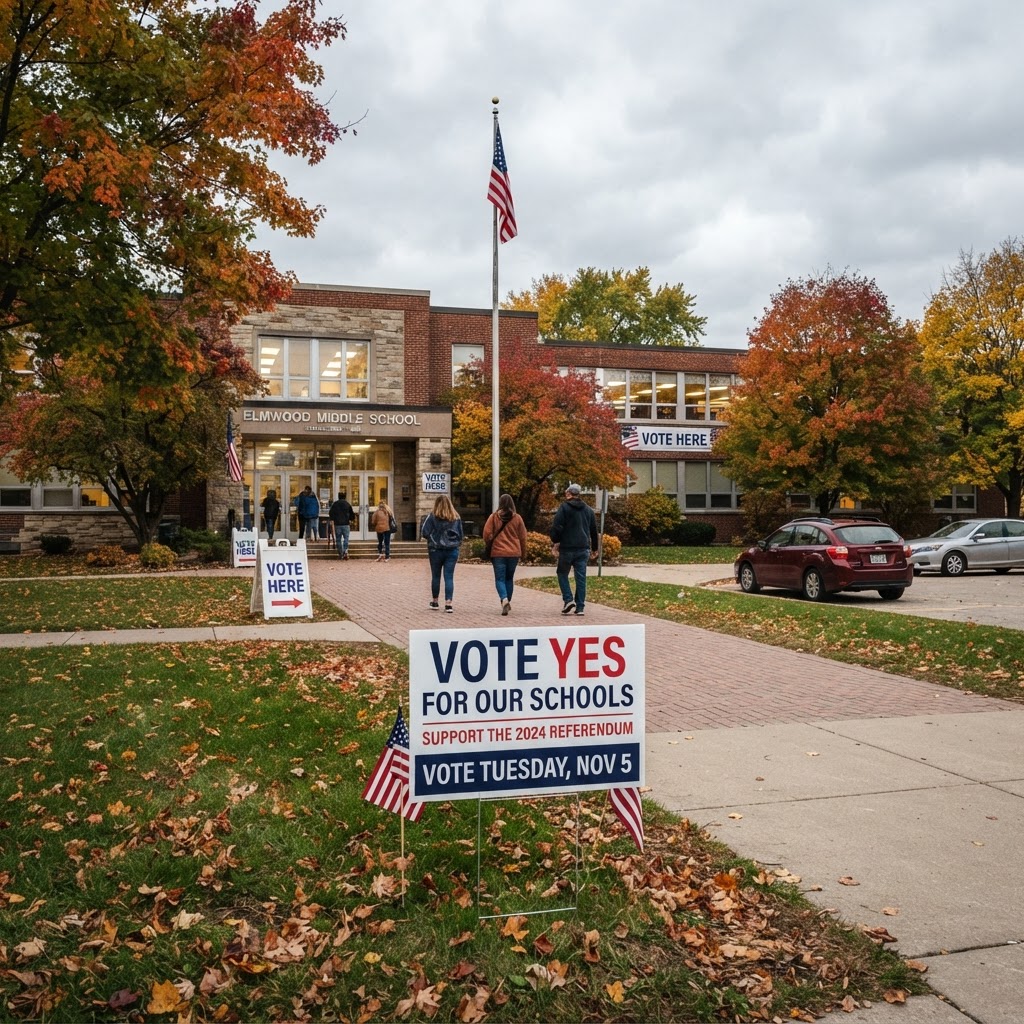
The Growing Burden on Wisconsin Taxpayers
Across the state of Wisconsin, a quiet crisis is unfolding in the halls of local school districts. From the shores of Lake Superior to the suburbs of Dane County, school boards are increasingly bypassing the state legislature to ask voters for direct property tax increases. This trend, driven by a decades-old funding formula, has left homeowners and taxpayers footing the bill for what many argue is a failure of state-level fiscal responsibility.
Since 1993, Wisconsin has imposed strict revenue caps on school districts. While these caps were intended to control spending, they have failed to keep pace with the realities of modern inflation. As the costs of heating buildings, providing healthcare for staff, and maintaining aging infrastructure rise, districts find their budgets squeezed tighter every year. For many, the only remaining option to avoid drastic cuts to student programs is to place an operational referendum on the ballot.
A Statewide Pattern of Referendums
This is not an isolated issue. In recent election cycles, dozens of districts have been forced to go to the polls to ask for more money. In November 2024 alone, approximately 80 school districts across the state held operational referendums. The results have been a mixed bag for taxpayers, with a 61% passage rate for 75 recent referendums, resulting in over $564 million in increased property taxes statewide.
For those interested in how these fiscal policies impact the broader economy, you can read more at our /category/economy section. The reality for many families is that their property tax bills are rising, even as the state maintains a surplus. Superintendents from major districts, including Madison, Milwaukee, and Green Bay, have repeatedly warned that the current stalemate in the state Assembly leaves them unable to plan for the future, forcing them to rely on the unpredictable nature of local ballot measures.
The 'Fiscal Cliff' and Local Control
Many districts are now trapped in a cycle of non-recurring referendums. When these temporary funding measures expire, districts must either return to the voters for a renewal or implement immediate, deep budget cuts. This 'fiscal cliff' creates a climate of instability for teachers, parents, and students alike.
Critics of the current system argue that the state legislature has effectively abdicated its duty to fund public education, pushing the burden onto local property owners. While some districts with growing enrollment and specific state aid formulas have managed to avoid the referendum cycle, the vast majority of Wisconsin schools are struggling to maintain basic services. For more on how these local government decisions affect your community, visit our /category/america-first coverage.
Why This Matters
The surge in school referendums is a clear signal that the current state funding model is unsustainable. When local communities are forced to vote on tax hikes just to keep the lights on in their schools, it highlights a fundamental breakdown in the relationship between state government and local taxpayers. As property taxes continue to climb, the pressure on the state legislature to find a permanent, bipartisan solution will only intensify. Until then, Wisconsin homeowners remain the primary source of funding for a system that many believe is in desperate need of reform.
Comments (0)
Take Action
This country is worth fighting for. Get involved today.