
Utah Property Tax Shift Sparks Debate Over School Funding
Proposed changes to how Utah manages local property tax revenue for schools have ignited a heated debate between state lawmakers and local education advocates.
WorthFighting.org News
Staff Writer
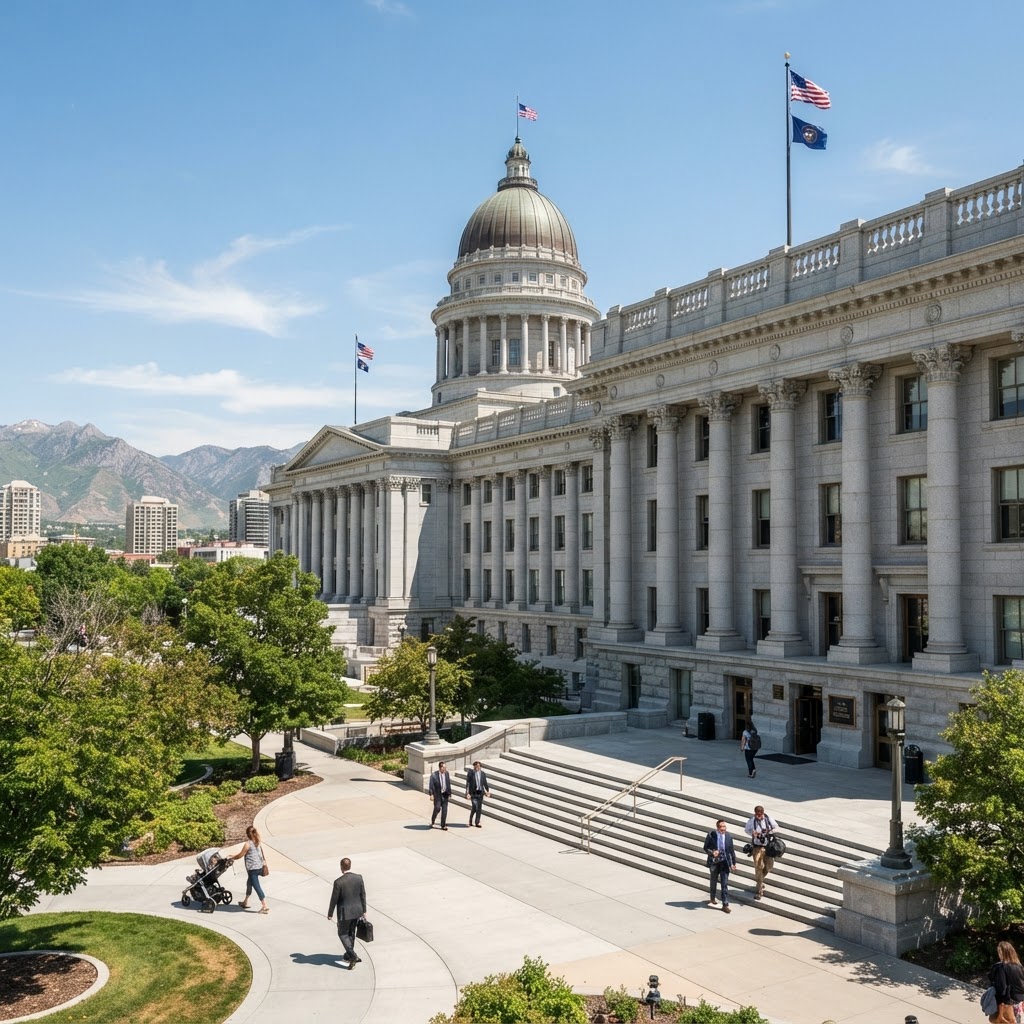
The Battle Over School Funding
In the halls of the Utah State Capitol, a significant debate is brewing over the future of public education finance. Lawmakers are currently weighing proposals that would fundamentally change how local property tax revenue is collected and distributed to schools. For decades, Utahns have relied on local property tax levies to ensure their neighborhood schools have the resources they need. However, new legislative efforts suggest moving these funds into the state’s general pool, a move that has drawn both support and sharp criticism.
Proponents of the change argue that centralizing these funds could lead to greater efficiency and equity across the state. By pooling resources, the state could theoretically ensure that students in less affluent areas receive the same quality of education as those in wealthier districts. Yet, for many parents and local school board members, the prospect of losing local control over tax dollars is a major point of contention. They argue that when tax money is sent to the state level, it becomes harder to hold officials accountable for how those funds are spent in the classroom.
Local Control vs. State Oversight
This debate is not happening in a vacuum. Utah has a long history of balancing state-level mandates with local autonomy. As the state continues to grow, the pressure to standardize education funding has increased. However, critics of the centralization plan worry that it will erode the connection between taxpayers and their local schools. When a property owner pays their taxes, they often do so with the understanding that the money is directly supporting the schools in their own community. If that money is diverted to a state-wide fund, that direct link is severed.
For more on how these policies affect our communities, visit our Education section. The discussion also touches on broader concerns regarding government transparency and the role of the state in local affairs, a topic we frequently cover in our America First reporting.
The Path Forward
As the legislative session progresses, the focus remains on finding a balance that satisfies the need for fiscal responsibility while respecting the rights of local taxpayers. The state’s Minimum School Program currently supports over 675,000 students, and any change to its funding structure will have far-reaching consequences. Lawmakers are under pressure to deliver a budget that keeps schools running smoothly while addressing the concerns of constituents who fear that state-level management will lead to bureaucratic bloat and less responsiveness to local needs.
Ultimately, the question is whether the state can manage these funds more effectively than local districts. While the promise of equity is appealing, the reality of state-level management often involves complex formulas and political compromises that can leave local districts feeling shortchanged. As this debate continues, it is clear that the future of Utah’s schools will be shaped by how the legislature chooses to handle these critical tax dollars. Citizens are encouraged to stay informed and engage with their representatives to ensure their voices are heard on this vital issue.
Comments (0)
Be the first to comment.
Related Stories
Education
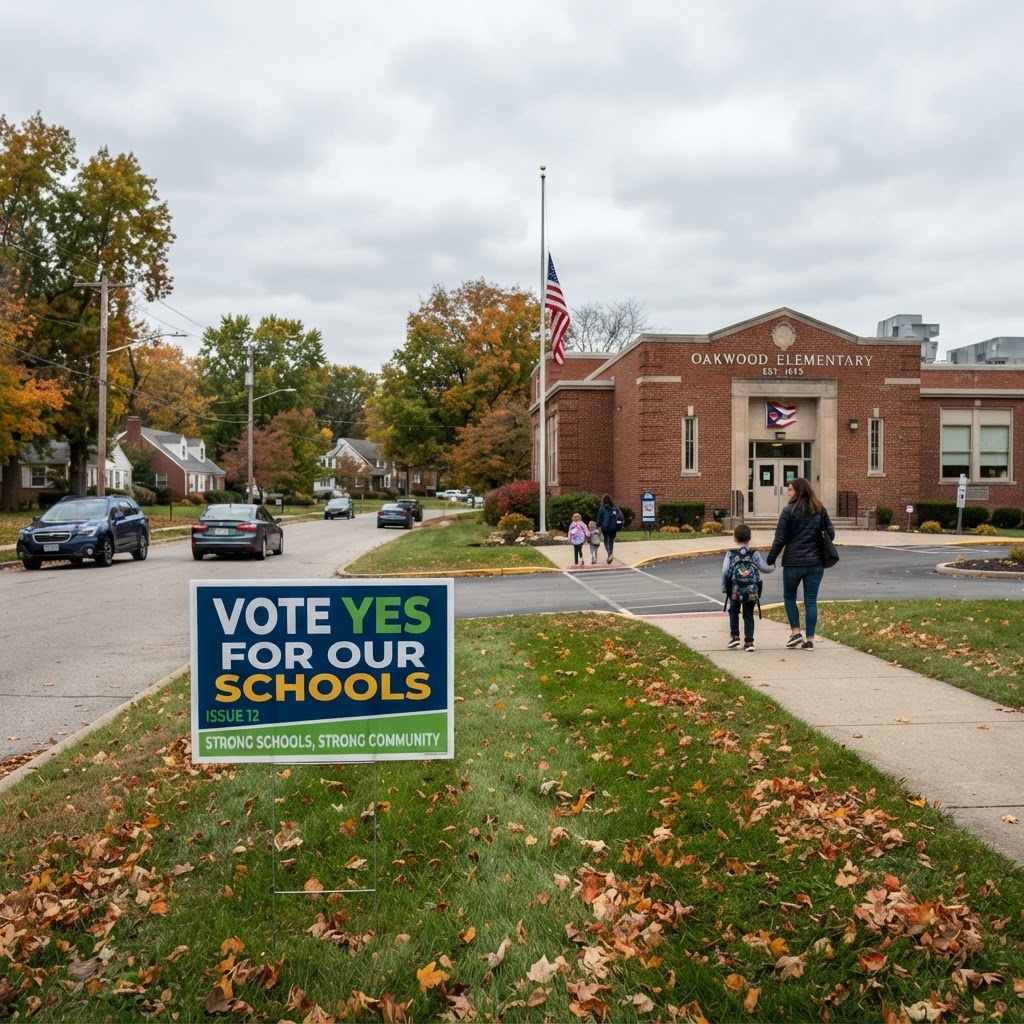
Ohio School Districts Face Financial Crisis at the Ballot
Across Ohio, multiple school districts are heading to the November ballot with critical tax levies, warning of severe budget cuts and potential consolidation.
WorthFighting.org News · 6 min read
Education
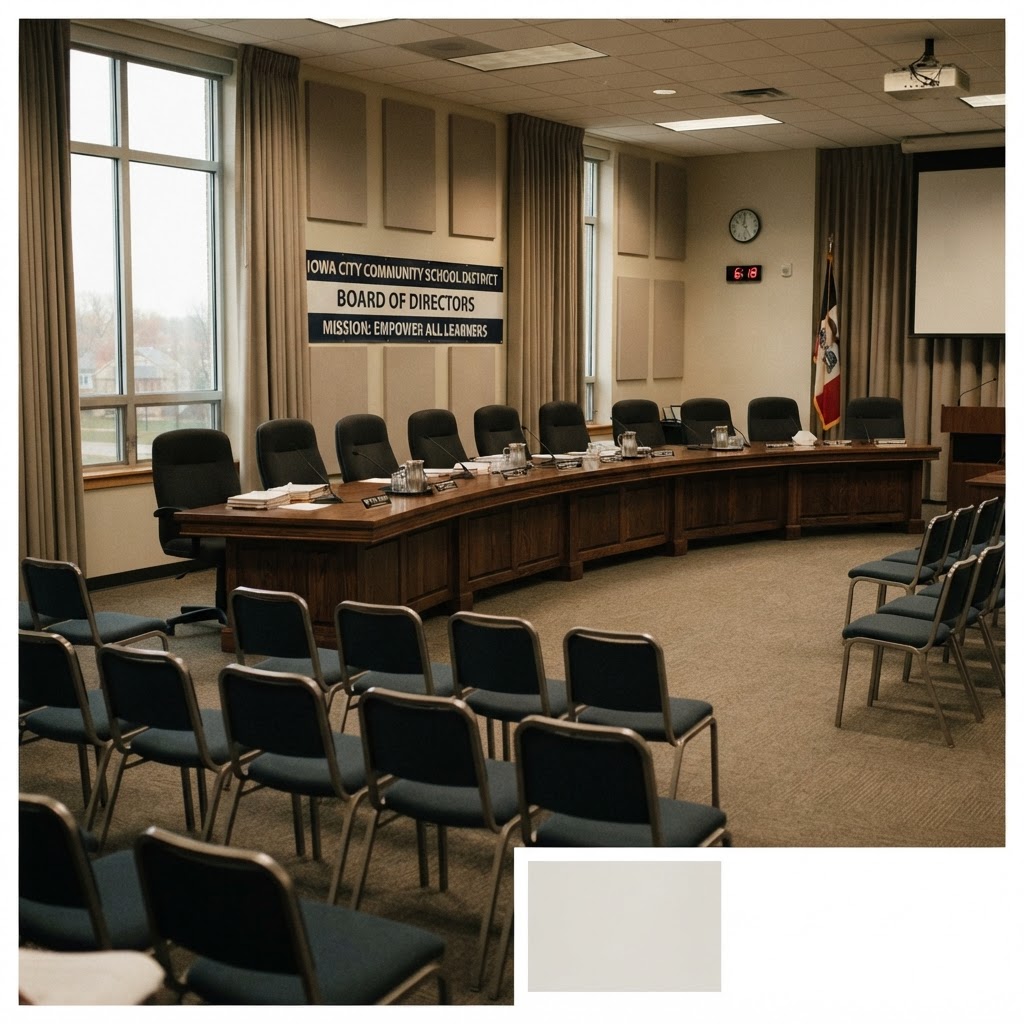
Iowa City Schools Face $32.5M Deficit and Potential Closures
The Iowa City Community School District is launching a boundary review committee as it grapples with a massive $32.5 million budget shortfall.
WorthFighting.org News · 6 min read

Education
Kentucky Education Fund Offers New Tax Credit Opportunity
A new initiative allows Kentucky taxpayers to support the Kentucky Education Fund while receiving tax credits through the Education Freedom Tax Credit program.
WorthFighting.org News · 5 min read

Education
Minneapolis Schools Face Potential Closure of 16 Campuses
Minneapolis Public Schools is considering closing 16 schools to address a $40 million deficit and declining enrollment. Families are bracing for major changes.
WorthFighting.org News · 6 min read
Related Resources
Related Articles
12 itemsSame category: Education
Same category: Education
Same category: Education
What People Are Reading

DHS Border Encounter Statistics: June 2026 Report

Wyoming Energy Authority Launches Power Grid Study
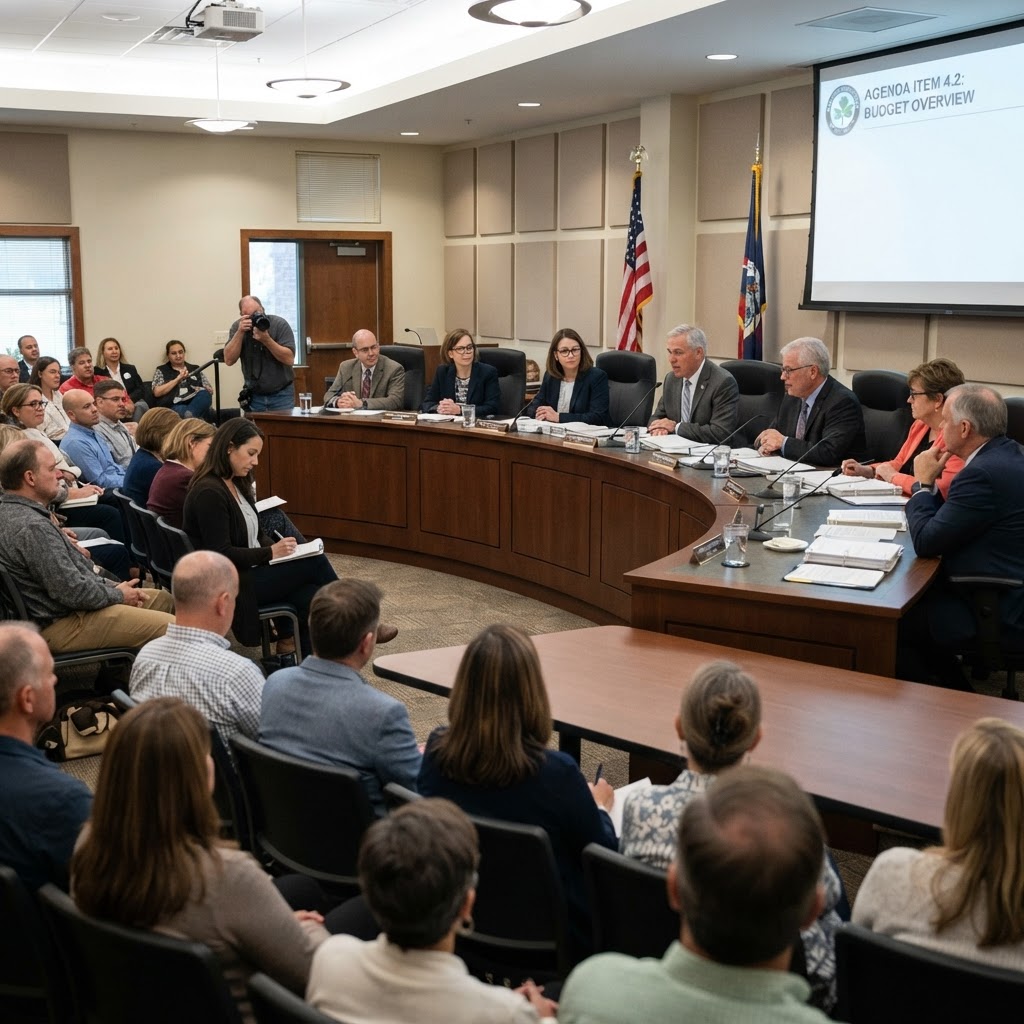
Iowa City School Board Approves $7.5M in Budget Cuts
Trump administration proposes stripping tax-exempt status from schools using race-based programs

California
Take Action
This country is worth fighting for. Get involved today.