
SC Board Mandates School Cell Phone Ban for State Funding
The South Carolina State Board of Education has moved to implement a statewide cell phone ban in schools, linking compliance to state funding eligibility.
WorthFighting.org News
Staff Writer
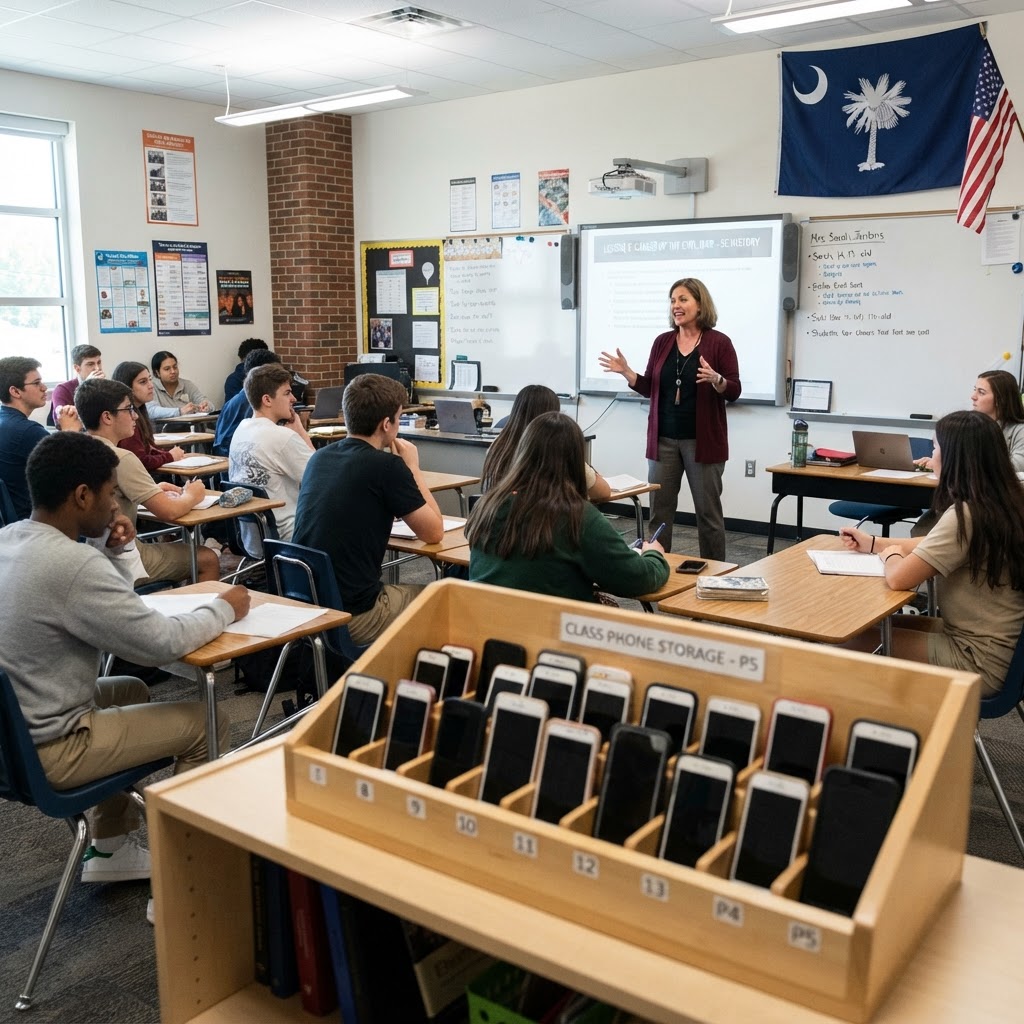
As the new academic year approaches, the South Carolina State Board of Education has taken a monumental step in protecting the integrity of the classroom. In a move that aligns with a growing national trend toward "phone-free" schools, the board recently moved forward with a statewide mandate that requires local school districts to implement cell phone bans during instructional time. This is not just a suggestion; it is a requirement for receiving state funding, marking a significant shift in how the Palmetto State manages its education system.
This policy, championed by Governor Henry McMaster and State Superintendent of Education Ellen Weaver, aims to restore the focus on academic excellence and social interaction within our schools. The board’s decision reflects a broader effort to address the mental health crisis among youth and the rising tide of cyberbullying that often starts on school grounds. By removing the digital tether, South Carolina is signaling that the classroom is a sanctuary for learning, not a playground for Big Tech.
The Details of the Mandate
Under the proposed regulation, which stems from a specific budget proviso passed by the South Carolina General Assembly, students will be required to keep their mobile devices—including smartphones and smartwatches—stored away for the duration of the school day. While the specific implementation details are left to individual districts like those in Richland County and Charleston County, the state mandate sets a firm floor for expectations. Districts that fail to adopt a policy that meets these new standards by the start of the 2025 semester could see their state funding withheld.
Superintendent Ellen Weaver has been a vocal proponent of the change, arguing that the presence of cell phones in schools has become a significant barrier to learning. Weaver has noted that teachers are often forced to act as "phone police" rather than educators, a distraction that undermines the quality of instruction in every corner of the state. The goal is to return authority to the front of the classroom and reduce the administrative burden on South Carolina’s hardworking teachers.
Safety and Mental Health Concerns
Beyond academics, the South Carolina Law Enforcement Division (SLED) and local law enforcement agencies have weighed in on the safety implications of cell phone use during emergencies. While some parents argue that phones are necessary for contact during a crisis, public safety experts often suggest that hundreds of students simultaneously using cellular networks can jam emergency communications. Furthermore, phones can distract students from life-saving instructions provided by school officials during a lockdown or fire drill.
Furthermore, the mental health implications are a primary driver for this America First approach to schooling. By removing the constant pressure of social media, the state hopes to foster a more resilient and focused student body. Data reviewed by the board suggests that removing phones leads to a decrease in student anxiety and an increase in face-to-face social interaction. These skills are vital for the next generation of American workers entering the economy.
Funding and Implementation
The most significant aspect of this new policy is its enforcement mechanism. The state legislature included Proviso 1.103 in the current budget, which requires the State Board of Education to adopt a statewide policy. This ensures that the mandate has the "teeth" necessary to ensure compliance across all 75-plus school districts in the state. From the upstate in Greenville to the coastal districts in Horry County, a unified standard will now be the law of the land.
For local boards in areas like Spartanburg and Lexington, this means an urgent review of existing student handbooks. While many districts already had partial bans, the new state-level requirement provides the political cover and legal backing needed to enforce a consistent standard. The move has been met with significant support from parent groups who are concerned about the long-term effects of screen addiction and the loss of traditional educational values.
As South Carolina prepares for the first bell of the new school year, the message from Columbia is clear: the classroom is a place for learning, not for scrolling. This shift marks a return to common-sense educational practices, prioritizing the concentration of the student over the influence of social media algorithms. By taking this bold step, South Carolina is leading the way in the South, showing that it is possible to put students first by putting the phones away.
Why This Matters
This policy shift represents a significant move to reclaim the American classroom from the influence of constant digital distraction. By prioritizing academic rigor and student mental health over convenience, South Carolina is setting a standard for how states can use their funding power to drive positive educational outcomes. Protecting children from the documented harms of social media and ensuring they have a focused environment to learn is a core priority for those who want to see the next generation of Americans succeed.
Comments (0)
Be the first to comment.
Related Stories
Education
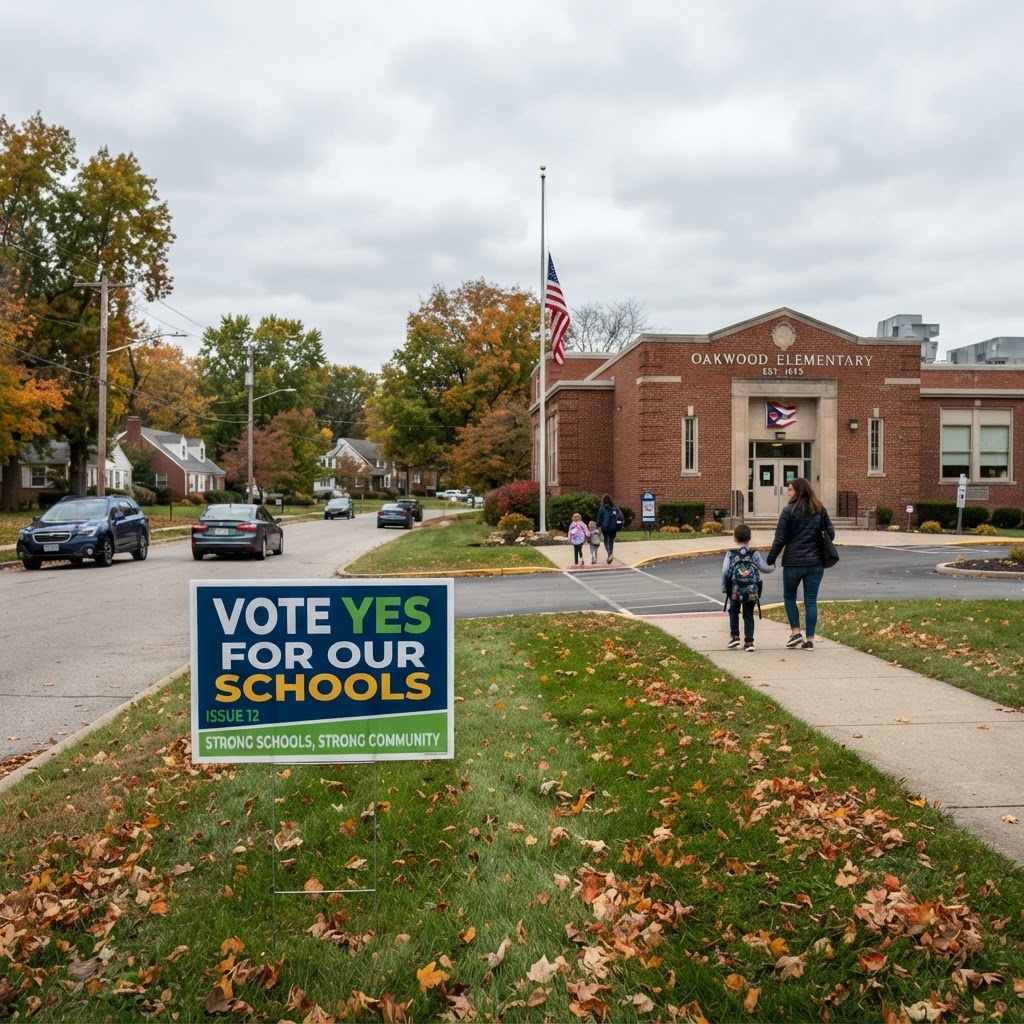
Ohio School Districts Face Financial Crisis at the Ballot
Across Ohio, multiple school districts are heading to the November ballot with critical tax levies, warning of severe budget cuts and potential consolidation.
WorthFighting.org News · 6 min read
Education
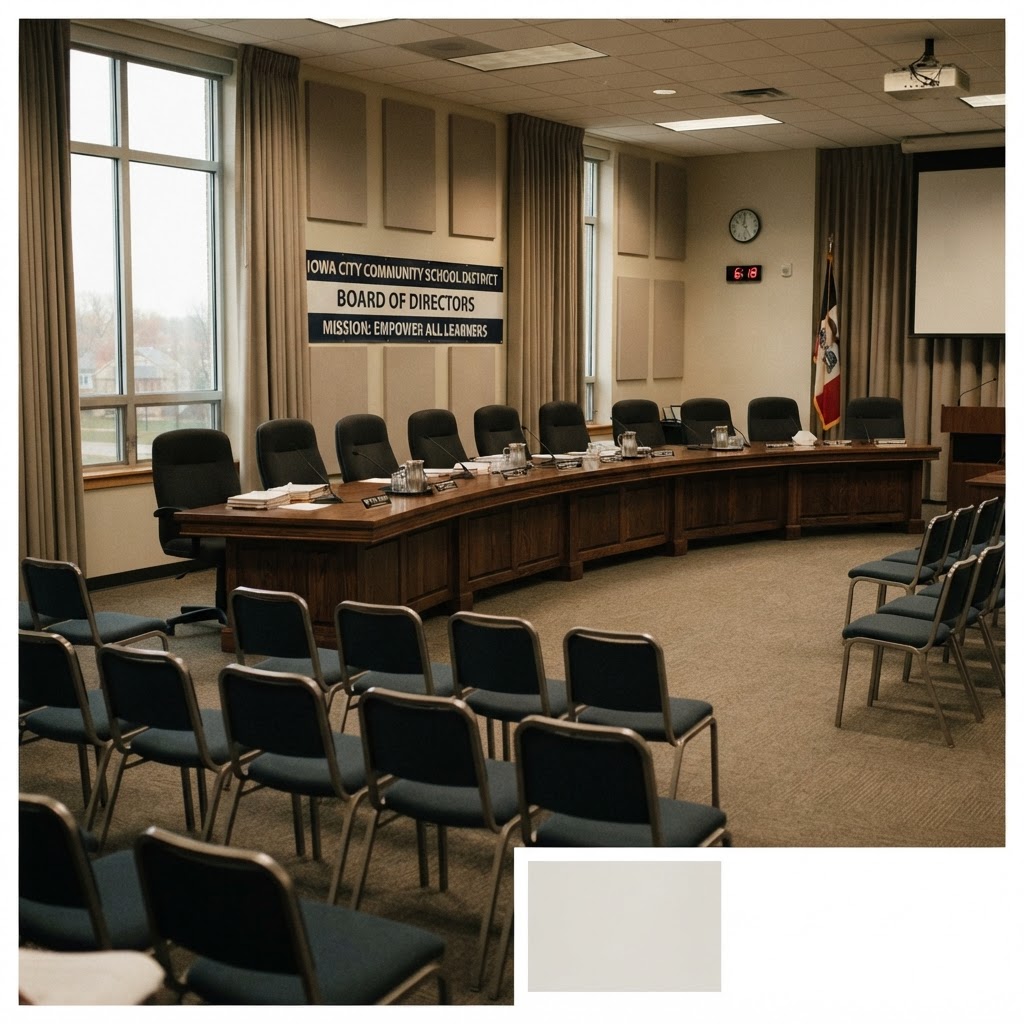
Iowa City Schools Face $32.5M Deficit and Potential Closures
The Iowa City Community School District is launching a boundary review committee as it grapples with a massive $32.5 million budget shortfall.
WorthFighting.org News · 6 min read

Education
Kentucky Education Fund Offers New Tax Credit Opportunity
A new initiative allows Kentucky taxpayers to support the Kentucky Education Fund while receiving tax credits through the Education Freedom Tax Credit program.
WorthFighting.org News · 5 min read
Education
Minneapolis Schools Face Potential Closure of 16 Campuses
Minneapolis Public Schools is considering closing 16 schools to address a $40 million deficit and declining enrollment. Families are bracing for major changes.
WorthFighting.org News · 6 min read
Related Resources
Related Articles
12 itemsSame category: Education
Same category: Education
Same category: Education
Related Breaking News
1 itemShared keywords: state
What People Are Reading
East Providence Taxpayers Hit With 3.5% Property Tax Hike

Florida Homeowners Remain Skeptical of Insurance Reforms

Chicago Aldermen Clash Over Mayor Johnson’s Budget Cuts

Alabama Supreme Court Weighs Absentee Ballot Law

Wyoming Energy Authority Launches Power Grid Study
Take Action
This country is worth fighting for. Get involved today.