Youngkin’s Cell-Free Schools Plan Moves to Public Phase
Governor Glenn Youngkin's push for cell phone-free education enters a critical phase as the Virginia Department of Education begins statewide listening
WorthFighting.org News
Staff Writer

Richmond, VA — The fight for the focus and mental health of Virginia’s students took a major step forward this week. The Virginia Department of Education (VDOE) began its statewide tour of public listening sessions, a key component of Governor Glenn Youngkin’s Executive Order 33. This order, aimed at establishing "cell phone-free education" across the Commonwealth, has sparked a vigorous debate among parents, educators, and local officials in Henrico County and beyond.
The initiative comes at a time when parents are increasingly vocal about the impact of mobile devices on the learning environment. According to the Governor’s office, the goal is to create a unified set of guidelines that will help local school boards implement policies to eliminate distractions during instructional time. "Our students deserve an environment where they can learn, interact, and grow without the constant pull of a screen," Youngkin said during a recent stop in the state capital.
Reclaiming the Classroom
The move towards cell-free schools is not just about academic performance; it is a direct response to what many experts call a youth mental health crisis. By removing access to social media and encrypted messaging apps during school hours, the VDOE hopes to reduce instances of cyberbullying and the "comparison culture" that often leads to anxiety and depression among teens.
In districts like Fairfax County and Virginia Beach, teachers have reported that the presence of phones often leads to "digital silos," where students sit together but interact only through their devices. The proposed guidelines seek to break these silos, encouraging face-to-face communication and fostering a stronger sense of community within the education system.
Balancing Safety and Parental Rights
One of the primary points of discussion during the listening sessions in Virginia has been the role of parental rights. Some families are concerned that a total ban might prevent them from contacting their children during emergencies. However, the VDOE has been clear that the guidelines will include "common-sense exceptions."
"Safety is our top priority," noted a spokesperson for the VDOE during a session in Chesterfield County. "We are working with law enforcement and school safety experts to ensure that parents can always reach their children through the school's front office, and that students with specific medical needs, such as those monitoring glucose levels via an app, are fully accommodated."
This balanced approach aims to respect the primary role of parents while ensuring that the school day remains a protected space for learning. Many conservative advocates see this as a vital step in reclaiming local schools from the influence of Big Tech and returning them to the control of the community and the family.
Implementation Timeline
Local school boards across the state are now looking toward a September 15 deadline. By this date, the VDOE must issue its final guidance. Once published, local boards will have until the start of the 2025-2026 school year to fully implement their new policies. Some districts, including those in the Shenandoah Valley, are already considering pilot programs for the upcoming fall semester to test different storage solutions, such as Yondr pouches or designated classroom cubbies.
The fiscal impact of these storage solutions is also being weighed by the General Assembly. Governor Youngkin has indicated a willingness to work with legislators to provide the necessary resources to ensure that the implementation does not place an undue burden on local taxpayers. This focus on fiscal responsibility while achieving a major policy goal is a hallmark of the administration’s agenda to put students first.
Why This Matters
The implementation of cell phone-free schools in Virginia is a crucial step in protecting the mental health of the next generation and restoring academic integrity to the classroom. By reducing distractions and the harmful effects of social media, this policy empowers teachers to teach and students to learn. It also represents a successful model of government responding to the direct concerns of parents, ensuring that public institutions serve the needs of families rather than the interests of technology giants.
Comments (0)
Related Stories
Education
Gillett Schools Slash Programs After Referendum Failure
The Gillett School District is moving forward with significant budget cuts following the recent failure of a local funding referendum by voters.
WorthFighting.org News · 5 min read
Education
Plainfield Voters Secure School Funding in Second Ballot
Plainfield residents successfully passed a school budget in a second vote, effectively minimizing potential cuts to local education programs and staff.
WorthFighting.org News · 5 min read
Education
Camden Schools Slashing Nearly 300 Jobs to Plug Deficit
Camden City School District announces the elimination of 289 positions and restructuring plans to tackle an alarming $91 million budget deficit in New Jersey.
WorthFighting.org News · 5 min read
Education
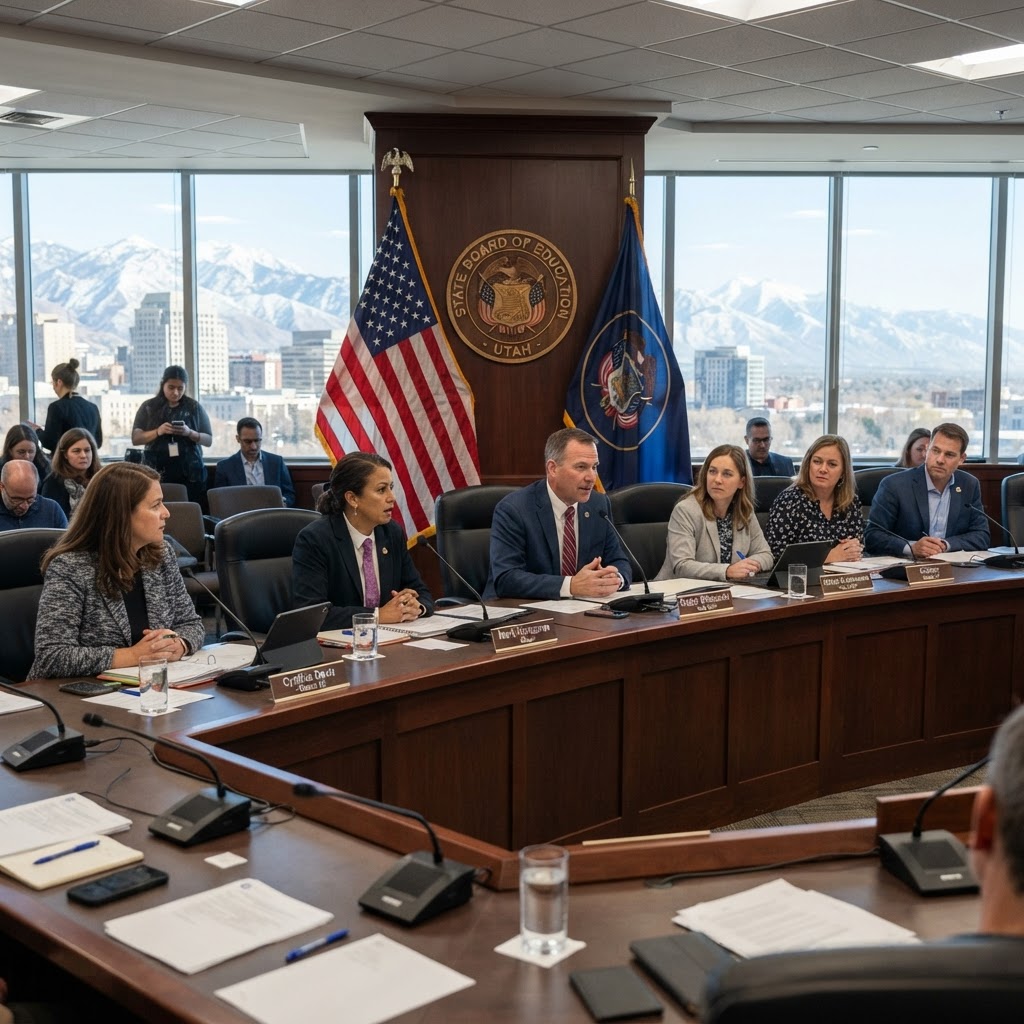
Utah Board Opposes $42M Voucher Shift
In a sharp rebuke of proposed legislative shifts, the Utah State Board of Education voted against a voucher push that would redirect $42 million.
WorthFighting.org News · 5 min read
Education
Milwaukee School Board Passes $1.6B Budget to Close Gap
The Milwaukee School Board passed a $1.6 billion budget to wipe out a $46 million deficit, trimming central office jobs while facing future fiscal risks.
WorthFighting.org News · 5 min read
Education
Hamilton County Board Urges TN to Fund School Security
Hamilton County's school board approved a resolution demanding state grant expansion to help hire armed security officers when police SROs are unavailable.
WorthFighting.org News · 5 min read
Take Action
This country is worth fighting for. Get involved today.