
TN Schools Struggle to Fund State-Mandated Safety Tech
Tennessee districts face financial hurdles implementing new safety mandates, including panic buttons, as rural leaders call for more state support.
WorthFighting.org News
Staff Writer
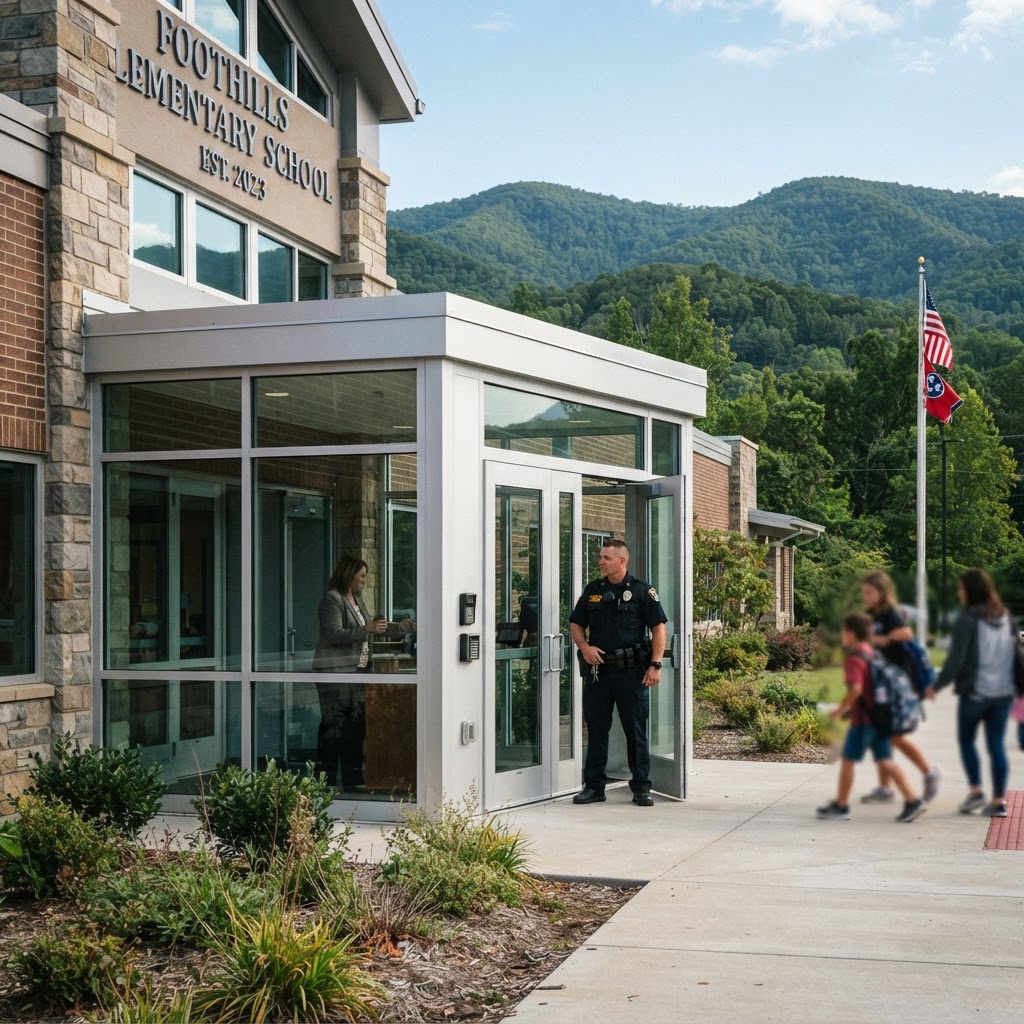
As the new academic year gains momentum across the Volunteer State, the push to secure Tennessee’s classrooms has moved from the halls of the State Capitol in Nashville to the front lines of local school boards. While the Tennessee General Assembly has committed hundreds of millions of dollars to school safety, administrators in rural areas like Cocke County are raising alarms about the practical and financial hurdles of implementing these high-tech mandates.
In the wake of the tragic 2023 shooting at The Covenant School, Governor Bill Lee signed a comprehensive safety package that included $230 million in funding. A cornerstone of this effort is House Bill 0322, which requires every public and charter school to adopt rigorous safety plans. Among the most significant requirements is the implementation of mobile panic alert systems—technology designed to instantly connect teachers and staff with local law enforcement and 911 dispatchers during a crisis.
The Rural Funding Gap
For many districts, the transition to these systems is not just a matter of logistics, but of survival. In Newport and the surrounding mountainous regions of Cocke County, the challenge is compounded by geography. Assistant Director Casey Kelley of Cocke County Schools recently highlighted the difficulties faced by rural districts that lack the robust tax base of urban centers like Nashville or Memphis.
Kelley noted that two elementary schools in his district are located in areas where cell phone service is virtually non-existent, making mobile-based alert systems difficult to deploy without significant infrastructure investment. "If there’s an initiative or a law in the state of Tennessee that says you shall do something, it would be great if that ‘shall’ was accompanied with a fiscal note that covers the funding for that ‘shall,’" Kelley stated, pointing to the gap between state requirements and local resources.
This sentiment is echoed in Hamilton County, where the school board recently adopted a resolution urging state lawmakers to expand funding options. While the state offers grants of up to $75,000 per school for School Resource Officers (SROs), local officials argue that this amount often fails to cover the full cost of salary, benefits, and equipment for a trained officer, leaving the Education budget to pick up the slack.
Hardening the Perimeter
Beyond technology, the state has also mandated physical security measures. Schools are now required to keep all external doors locked during school hours and funnel all visitors through a single, secure primary entrance. The Tennessee Department of Safety and Homeland Security has been authorized to conduct random inspections to ensure compliance. The stakes are high: schools that fail to keep doors locked face written notifications and, eventually, the loss of state funding. A second violation can trigger a 2% reduction in annual state funds, which can escalate to 10% for repeated non-compliance.
Governor Bill Lee has remained steadfast in his commitment to these measures, stating during the bill's signing that while the state "cannot control evil," it can take proactive steps to protect its most vulnerable citizens. The state’s investment includes $140 million specifically for SROs and $40 million for public school security upgrades, such as reinforced glass and high-tech vestibules.
A Question of Local Control
For proponents of an America First approach to governance, the debate centers on the balance between state-mandated safety standards and the preservation of local control. While there is universal agreement that protecting children is a top priority, the "one-size-fits-all" nature of the mandates can strain the budgets of smaller communities. In Tennessee, the conversation is now shifting toward how the state can provide more flexible funding to ensure that a school’s safety level isn't determined by its zip code.
As districts continue to apply for the latest round of safety grants, the focus remains on closing the gap between legislative intent and classroom reality. For the parents and teachers of Cocke County, the hope is that the state will listen to the needs of rural districts before the next legislative session begins.
Why This Matters
The safety of Tennessee’s children is a non-negotiable priority, but the implementation of state mandates often places a heavy burden on local taxpayers and rural school districts. Understanding the friction between state requirements and local funding is essential for ensuring that safety measures are both effective and sustainable. As Tennessee continues to lead the nation in school security initiatives, the success of these programs will depend on the state's ability to support the unique needs of every county, from the urban centers to the Appalachian foothills.
Comments (0)
Be the first to comment.
Related Stories
Education
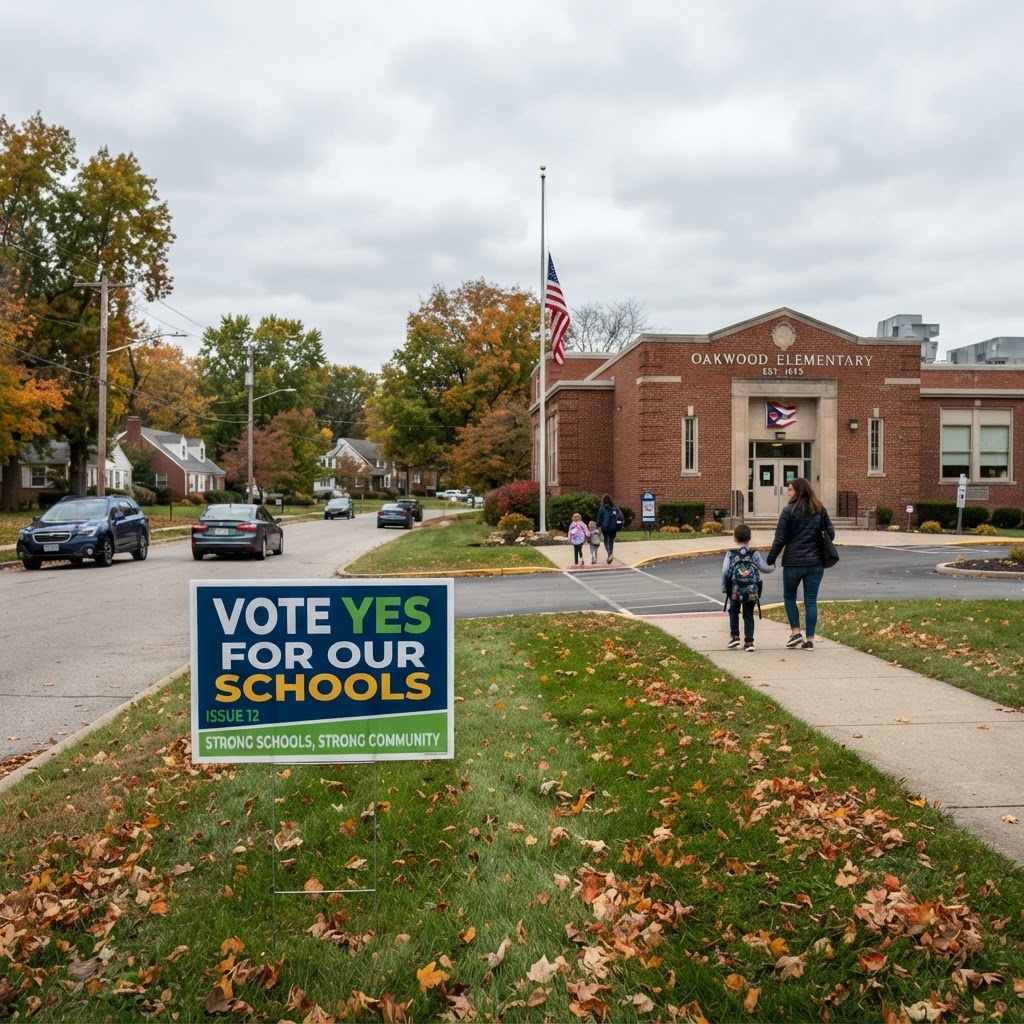
Ohio School Districts Face Financial Crisis at the Ballot
Across Ohio, multiple school districts are heading to the November ballot with critical tax levies, warning of severe budget cuts and potential consolidation.
WorthFighting.org News · 6 min read
Education
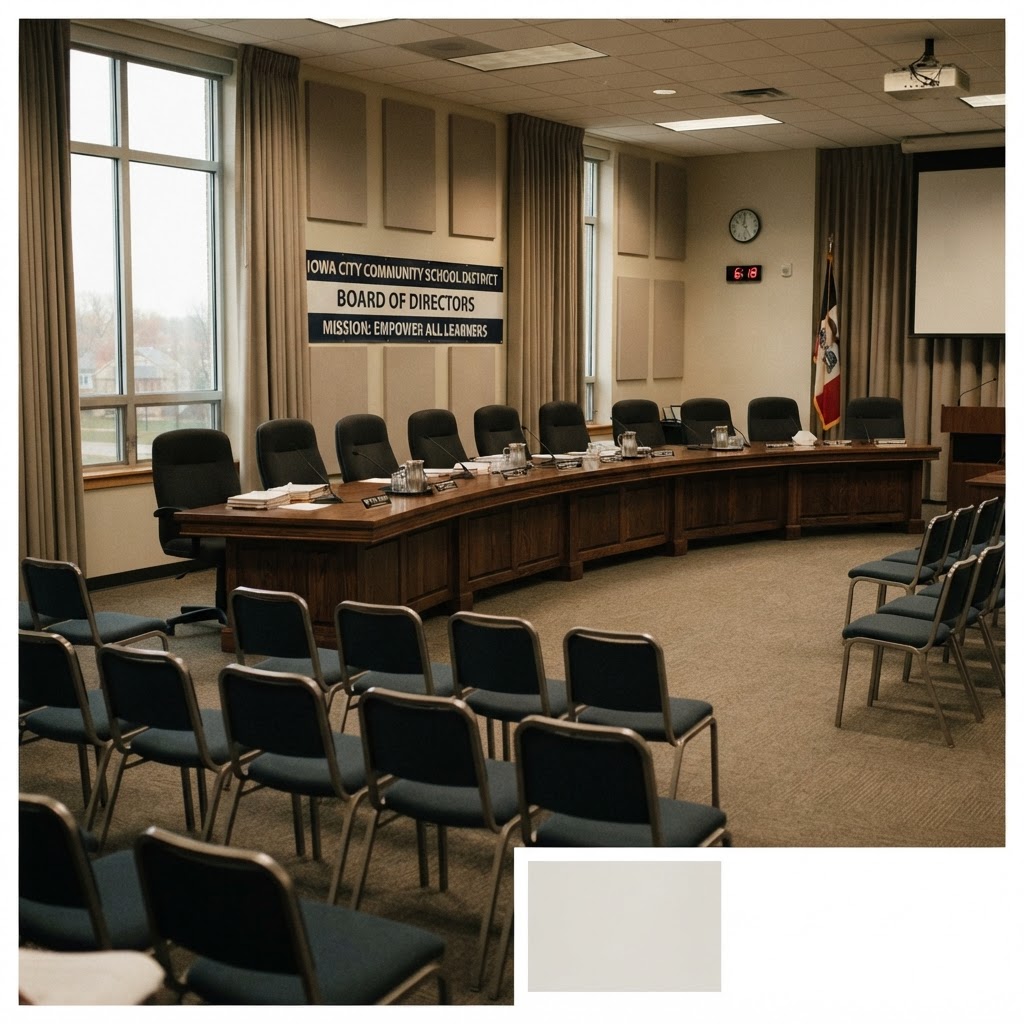
Iowa City Schools Face $32.5M Deficit and Potential Closures
The Iowa City Community School District is launching a boundary review committee as it grapples with a massive $32.5 million budget shortfall.
WorthFighting.org News · 6 min read
Education
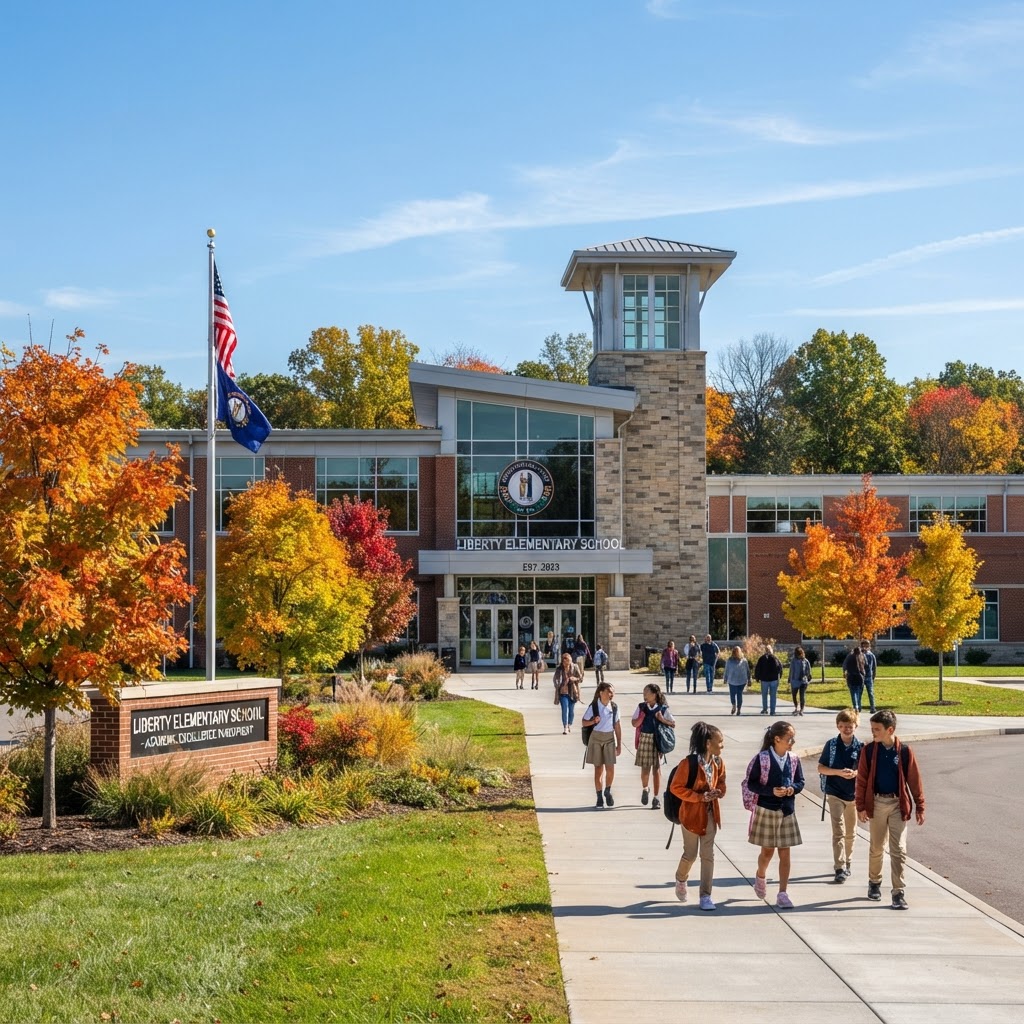
Kentucky Education Fund Offers New Tax Credit Opportunity
A new initiative allows Kentucky taxpayers to support the Kentucky Education Fund while receiving tax credits through the Education Freedom Tax Credit program.
WorthFighting.org News · 5 min read

Education
Minneapolis Schools Face Potential Closure of 16 Campuses
Minneapolis Public Schools is considering closing 16 schools to address a $40 million deficit and declining enrollment. Families are bracing for major changes.
WorthFighting.org News · 6 min read
Related Resources
Related Articles
8 itemsSame category: Education
Same category: Education
Same category: Education
What People Are Reading
East Providence Taxpayers Hit With 3.5% Property Tax Hike
Florida Homeowners Remain Skeptical of Insurance Reforms

Chicago Aldermen Clash Over Mayor Johnson’s Budget Cuts
Alabama Supreme Court Weighs Absentee Ballot Law
Wyoming Energy Authority Launches Power Grid Study
Take Action
This country is worth fighting for. Get involved today.